


Dark Wood Stick Chair
A dark wood stick chair brings robust vernacular character to a room, offering honest seating shaped by centuries of English and Welsh country tradition.
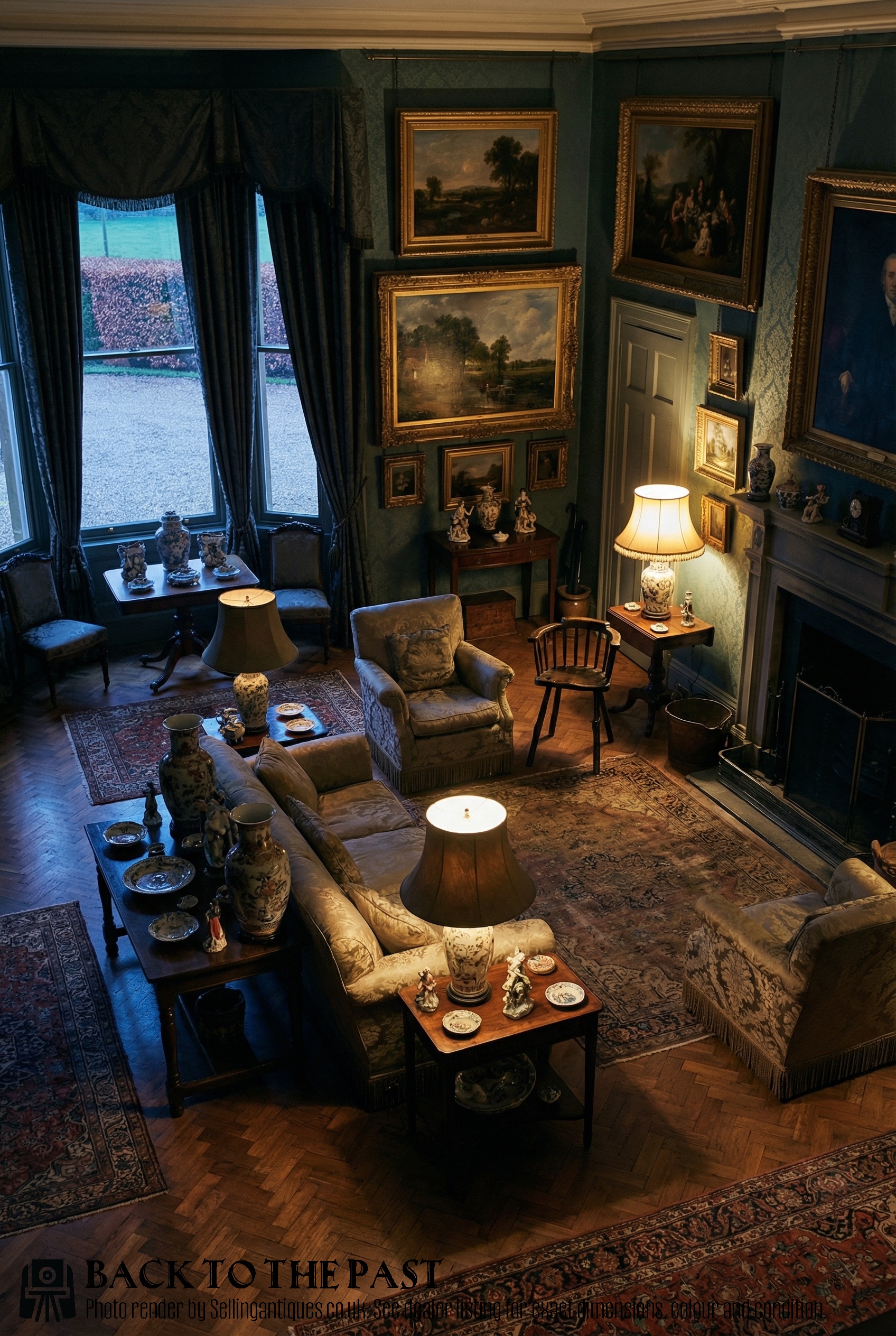
Dark Wood Stick Chair
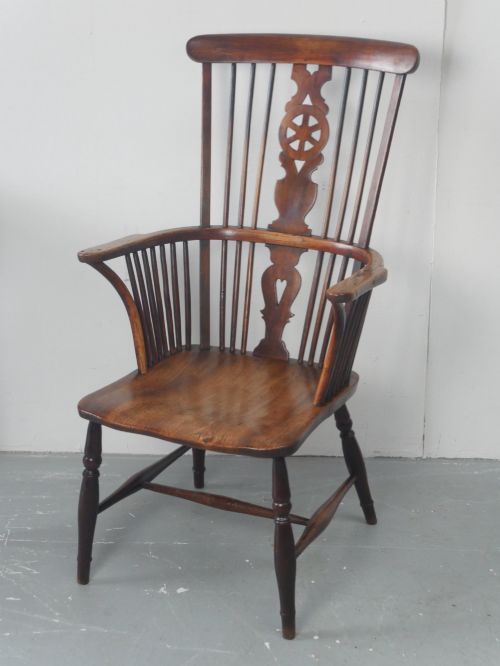
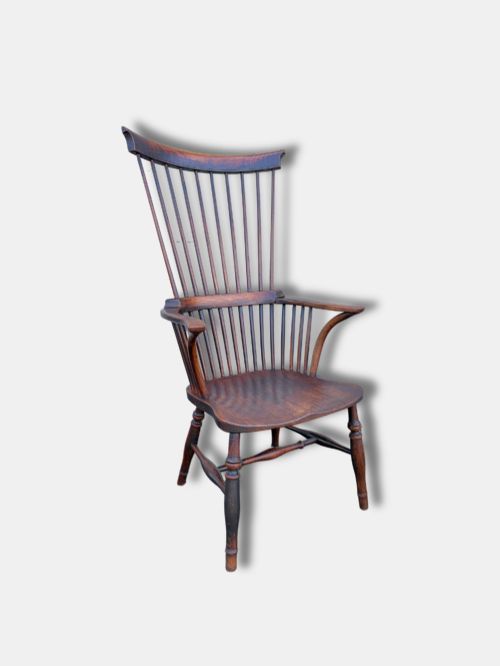
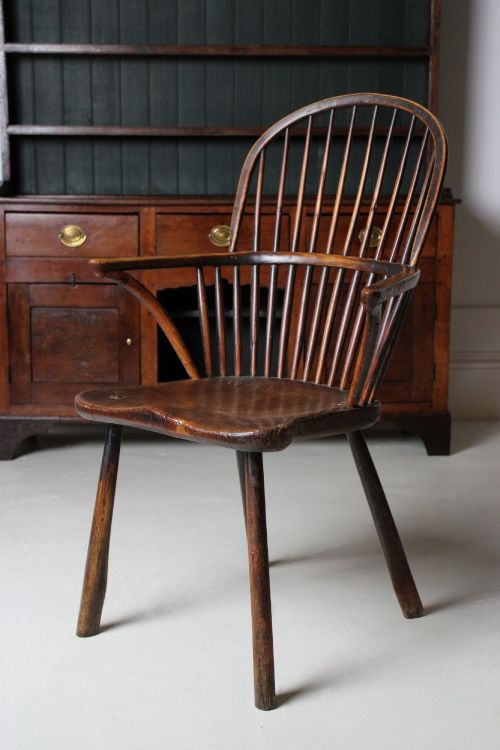
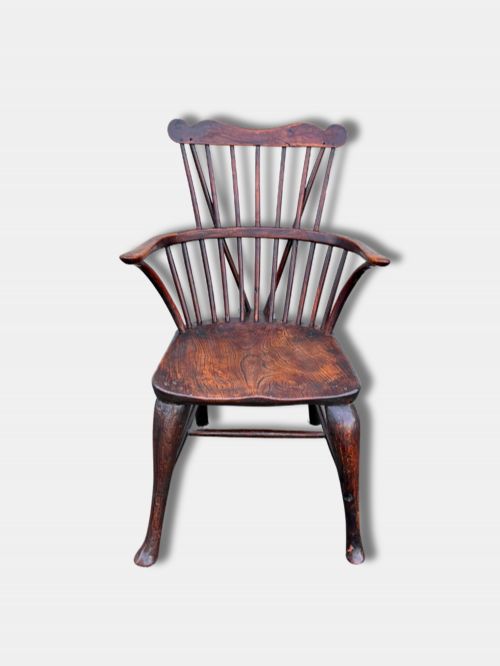
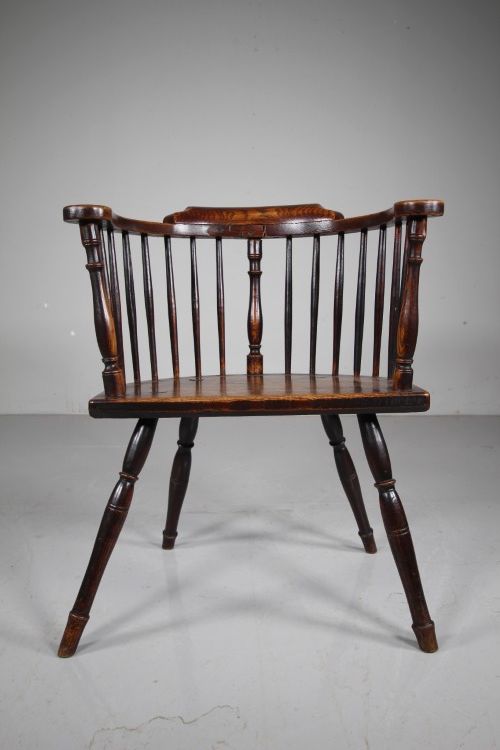
A dark wood stick chair is a functional piece of country seating, frequently found in the form of a Windsor armchair, a high comb back, or a simple kitchen dining chair. These pieces emerge from regional vernacular traditions across England and Wales, spanning the eighteenth and nineteenth centuries.
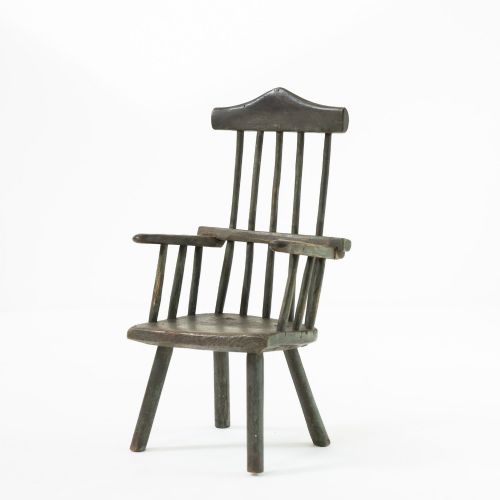
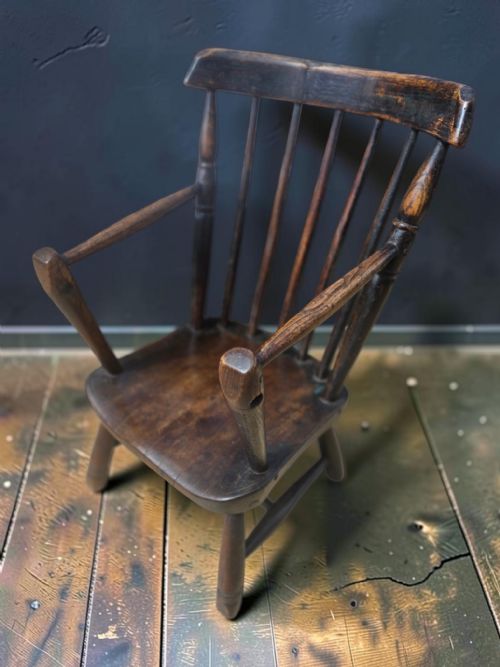
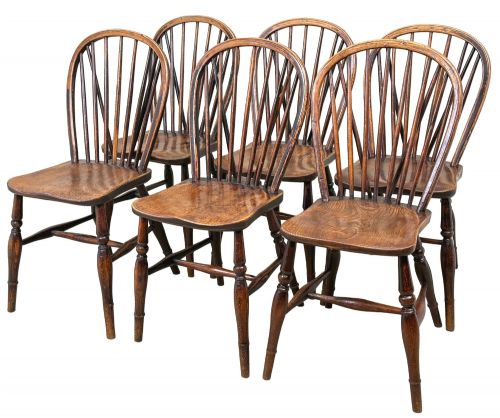
The selection here ranges from substantial farmhouse armchairs to small children's chairs and matched sets of dining chairs. Most examples present traditional stick back or comb back construction rooted in Georgian and Victorian rural life.
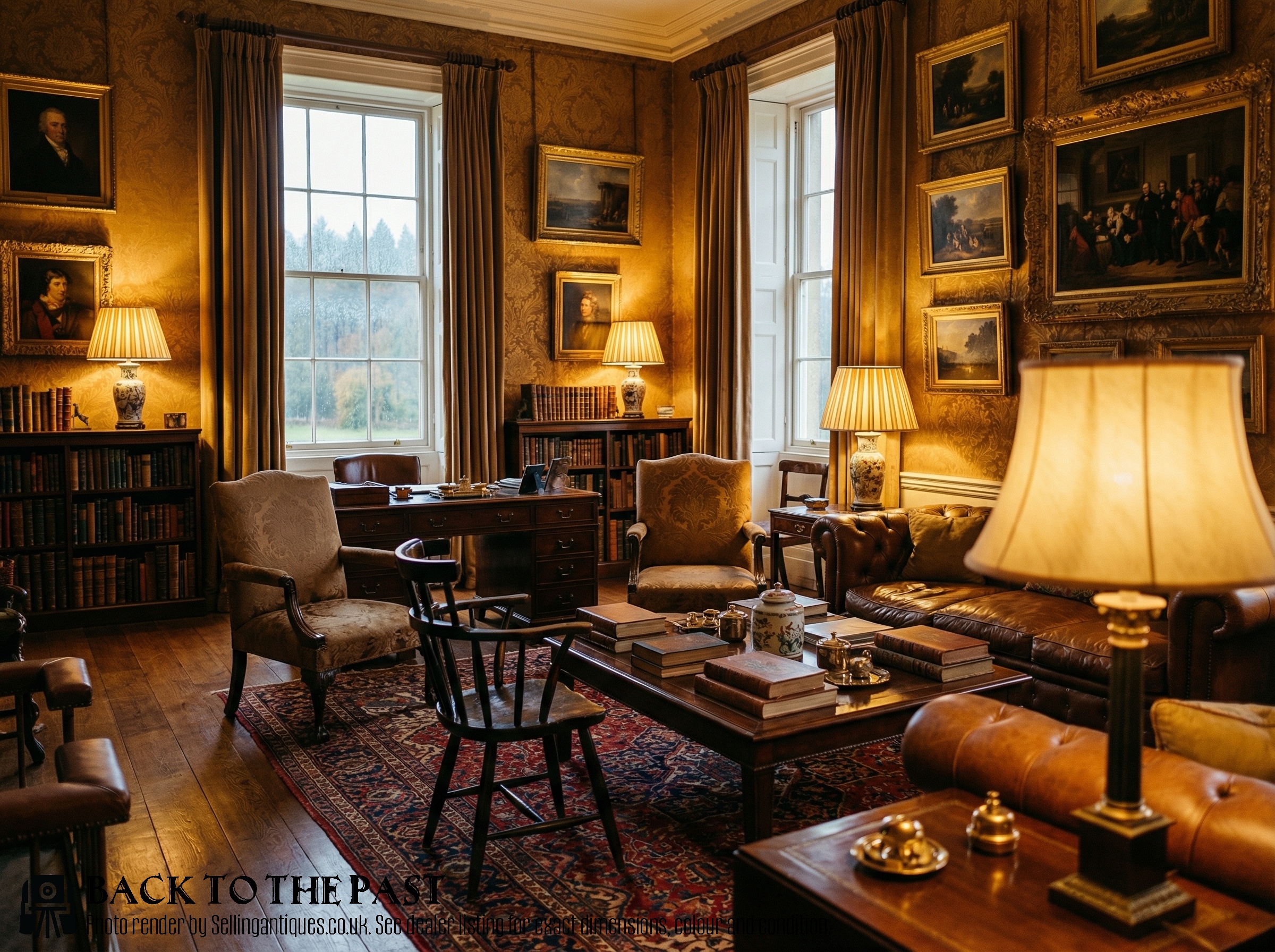
How they were made
Maker's workshops relied on a mix of local hardwoods, most commonly combining elm for solid seats with ash or yew for bent spindles and legs. Beech and fruitwood also appear in these constructions, alongside occasional painted surfaces or simulated rosewood finishes.
Turned components and steam-bent timbers formed the structural backbone of each chair, secured through traditional joinery like wedged tenons. This method created resilient seating capable of enduring daily kitchen and farmhouse use.
What varies in quality
Quality rests upon the harmony of the timber selection and the retention of original surface patination. A well-proportioned comb back with crisp turning on the legs demonstrates superior craftsmanship compared to heavily repaired or altered examples.
The integrity of the seat itself, often carved from a single thick slab of elm, dictates the enduring strength of the chair. Finer regional pieces display distinct local characteristics, such as the specific comb formation of a Welsh vernacular workshop.

John Brand of Sleaford
The Dark Wood Stick Chair Glossary
- Stick back
- A chair design where turned wooden spindles are inserted directly into a solid wooden seat. This construction method forms the lightweight yet sturdy support characteristic of country seating.
- Comb back
- A tall chair back featuring a crest rail supported by numerous vertical spindles, resembling the teeth of a comb. This style offers notable height and distinctive regional shaping.
- Windsor
- A traditional wooden chair featuring a solid saddle-shaped seat into which the legs and back spindles are wedged independently. These chairs appear in various regional forms across the British countryside.
- Vernacular
- Everyday objects made by local craftspeople using regional materials and traditional methods rather than following metropolitan academic styles. These pieces reflect the specific utility required by rural communities.
- Burr elm
- A knotty, highly figured section of elm wood prized for its rich grain patterns. Makers occasionally utilised this material on special regional commissions for seats or crest rails.
Dark Wood Stick Chair: Frequently Asked Questions
How do I date a stick chair?
Dating relies upon observing tool marks, timber shrinkage, and structural evolution from early Georgian vernacular forms toward Victorian production methods. Regional styles and turning profiles also provide clear indicators of period origin.
Examination of the seat underside often reveals historical construction techniques that help narrow the decade of manufacture.
Were these chairs used at dining tables?
Many examples served as kitchen or farmhouse dining chairs, particularly when found in matched sets from the nineteenth century. Lighter stick backs accommodated daily family meals.
Larger armchairs were typically reserved for the head of the table or placed beside the hearth.
How do I care for antique elm and ash?
Maintain stable indoor humidity levels to prevent timber from drying out or splitting over time. Apply a microcrystalline wax periodically to nourish the surface patination.
Avoid placing these chairs near direct heat sources or in prolonged direct sunlight.
What is a primitive stick chair?
A primitive stick chair is an unpretentious regional piece built by local carpenters with minimal tooling, emphasising raw utility over refined finish. These objects often display charming irregularities in their spindle placement and seat shaping.
Such pieces represent the earliest survival of rural domestic seating.