



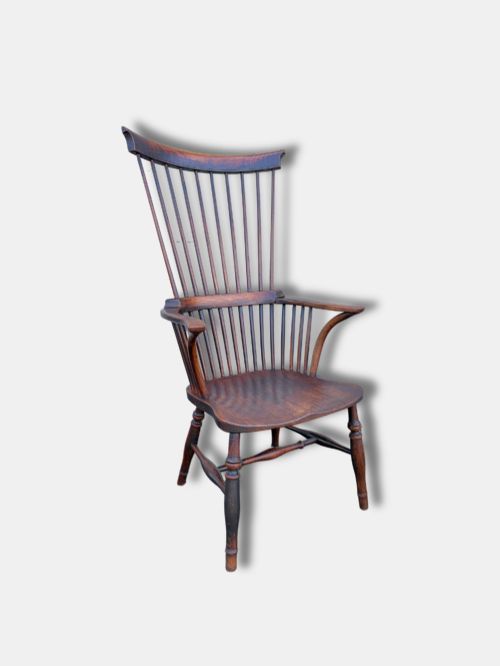
Rustic Windsor Chair
A rustic windsor chair brings vernacular timber construction and comfortable seating into a room through traditional English country craftsmanship.
Rustic Windsor Chair
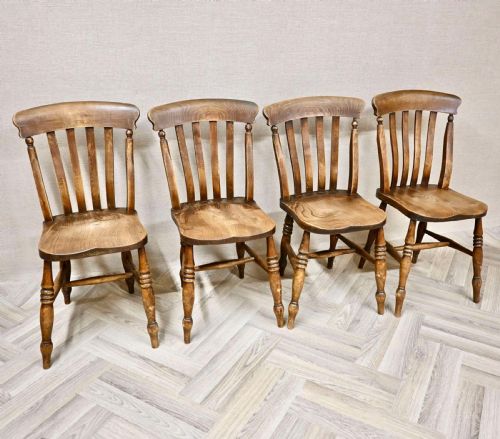
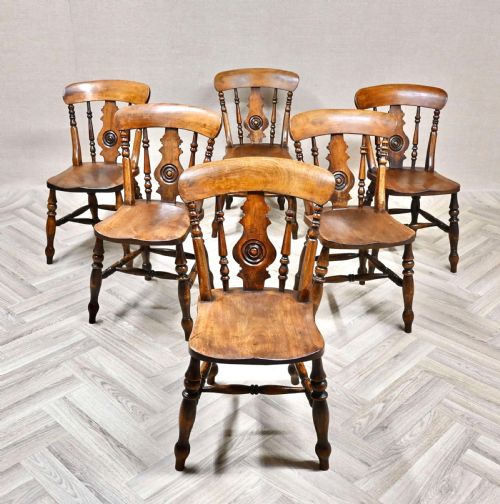
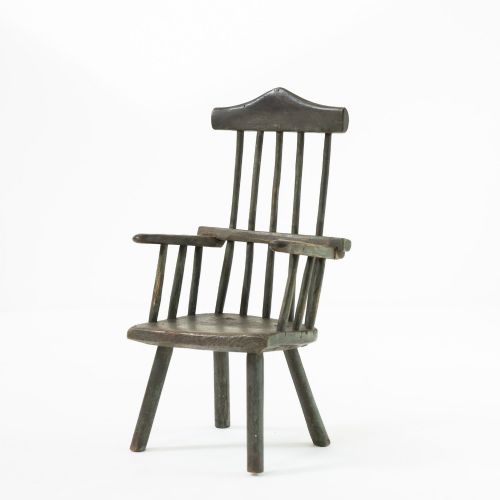
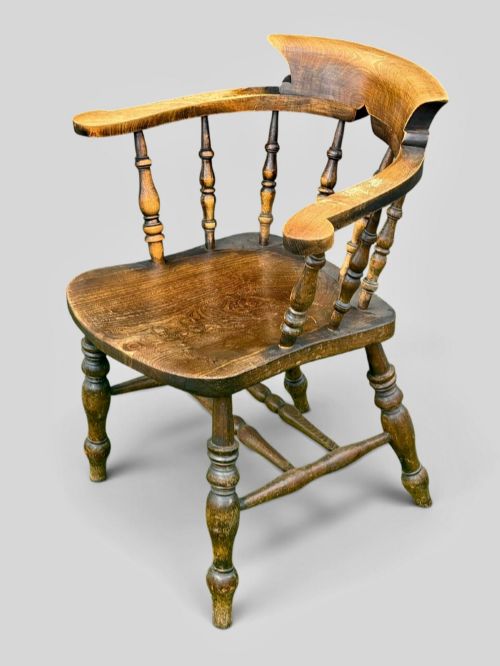
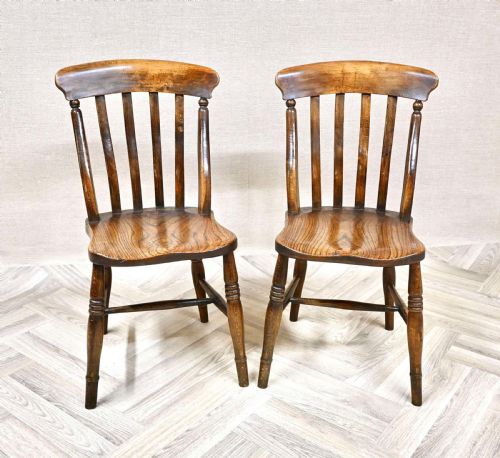
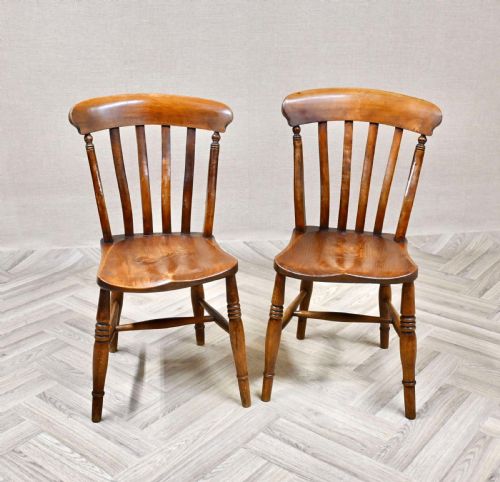
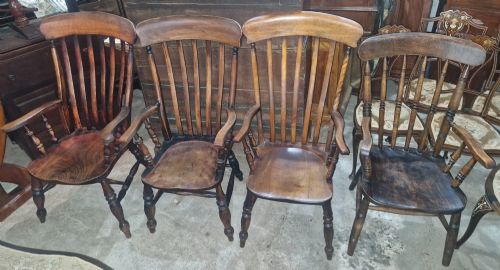
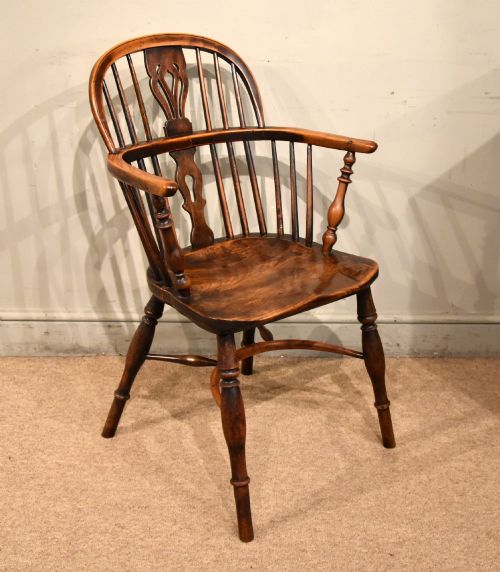
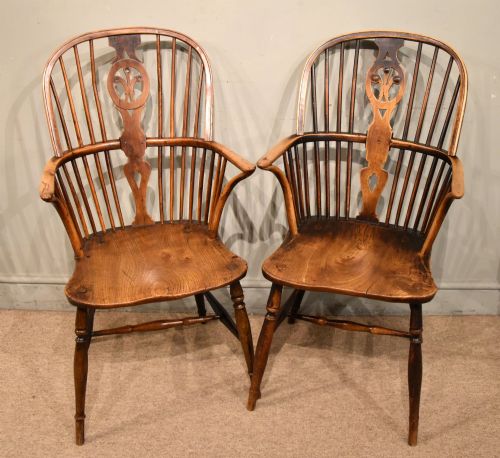
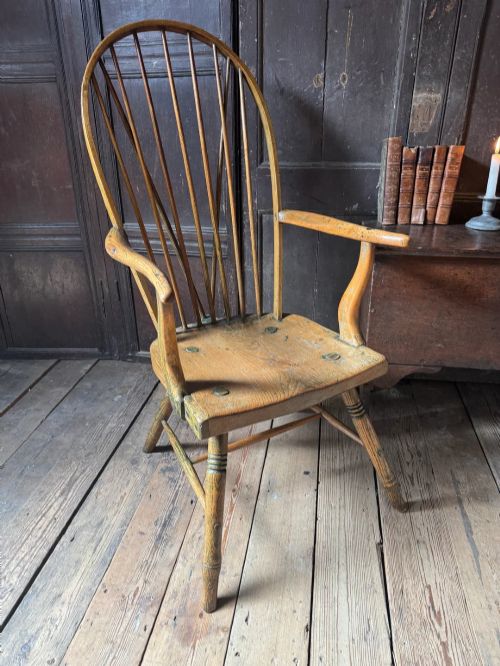
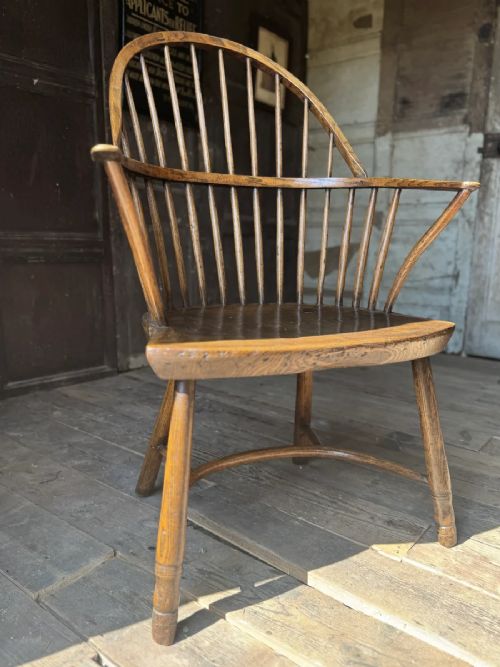
A rustic windsor chair is a form of wooden seating defined by a solid plank seat into which the legs, back splints or spindles, and bow are independently fitted. These pieces span from the 18th century through the Victorian era and into the early 20th century, emerging from regional English workshops and farmhouses. You will frequently encounter kitchen armchairs, high-back designs, and sets of dining chairs originating from traditions like the Thames Valley, West Country, and Yorkshire.
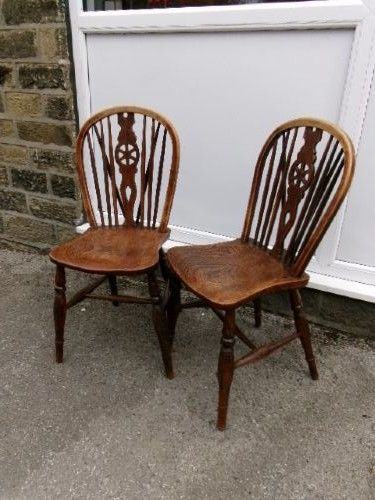
The aesthetic relies on vernacular construction rather than formal court styles, often showing simple stick-back, wheelback, or comb-back configurations. Regional variations include low backs, hoop backs, and spindle-and-lyre patterns, alongside smaller child-sized armchairs and rocking chairs. They function practically as everyday seating while displaying the honest utility of domestic country life.
Materials and construction methods
Makers utilised a combination of native timbers, frequently pairing a thick elm seat with ash for the bent bow and spindles, or beech and oak for the framing elements. Yew wood also appears in finer examples, valued for its rich grain and natural resilience. The contrasting woods served structural purposes, using the flexibility of green wood for steam-bent components and the density of elm to securely hold wedged leg tenons.
Joinery relied on bodgers and local carpenters turning legs on pole lathes and shaping seats with adzes and drawknives. Parts were assembled using wedged through-tenons and socket joints without metal fixings, resulting in a resilient skeleton capable of withstanding heavy daily use.
Listings for rustic windsor chair pieces span the Georgian, Regency, and Victorian periods, utilising elm, ash, beech, oak, and yew.
Distinguishing quality and character
Quality rests in the harmony of the proportions, the comfort of the saddle-shaped seat, and the elegance of the spindle taper. Superior examples display confident steam-bending in the hoop or comb, maintaining structural integrity without clumsy bracing.
The visual depth of the timber and the retention of original surface patination, whether bare wood or historic paint, separate ordinary utility items from more desirable vernacular survivors. Honest wear and deep patination reflect decades of domestic service rather than neglect.
Gabbitass Worksop
The Rustic Windsor Chair Glossary
- Comb-back
- A Windsor chair design where the central spindles extend upward into a horizontal headpiece resembling the teeth of a comb. This style was popular during the 18th century.
- Hoop-back
- A continuous bentwood bow forming the back and armrests of the chair in a single sweeping line. It distributes weight evenly across the wooden seat.
- Wheelback
- A Windsor variation featuring a pierced splat carved or shaped in the silhouette of a spoked carriage wheel. This motif became common during the Victorian period.
- Crinoline stretcher
- A curved lower stretcher connecting the legs of a Windsor chair in a horseshoe shape, providing lateral stability. It takes its name from the hooped undergarments of the period.
- Saddle seat
- A thick wooden seat base sculpted with hollows and contours to mimic the shape of a saddle for comfort. Elm was frequently chosen for this part due to its interlocking grain.
Rustic Windsor Chair: Frequently Asked Questions
What is a rustic windsor chair?
A rustic windsor chair is a traditional form of seating built with a solid wooden seat into which individual legs and back spindles are socketed directly. They were produced primarily by regional country makers using native British hardwoods for domestic and kitchen use.
Unlike formal dining chairs of the period, these pieces prioritize structural honesty and utilitarian comfort. Their design evolved across different English counties, resulting in distinct regional styles such as Thames Valley and West Country variants.
How do I date a rustic windsor chair?
Dating relies on examining the construction techniques, timber choices, and overall silhouette of the piece. Earlier 18th-century examples often feature comb backs and heavier proportions, while Victorian versions frequently introduce wheelback splats and turned beech components.
Tool marks left by adzes and drawknives on the underside of the seat also offer clues to the period of manufacture. Variations in the turning of the legs and stretchers help narrow down the decade in which the chair was constructed.
Were these chairs painted originally?
Many country Windsor chairs were left with exposed timber to display the natural grain of elm, ash, and yew. However, some were finished with paint or dark surface treatments to protect the softer woods or unify mismatched timbers.
Historic painted finishes, where they survive with genuine patination, add considerable character and historical context to the piece. Over time, many chairs have been stripped to bare wood by later owners.
How do I care for a wooden windsor chair?
Maintain the timber by keeping the chair away from direct heat sources and dramatic humidity fluctuations that can dry out the old wood. Regular dusting and occasional application of traditional wax help preserve the surface patination.
Check the joints periodically to ensure the wedged tenons remain secure within the seat plate. Gentle handling prevents strain on the historical glue and pegged connections.