
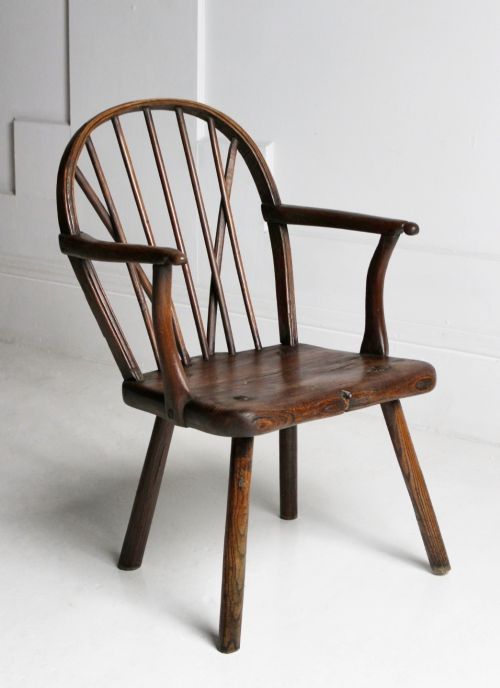


Primitive Oak Armchair
A primitive oak armchair offers honest country craftsmanship and sculptural form, built by regional makers for daily use in farmhouse and cottage interiors.
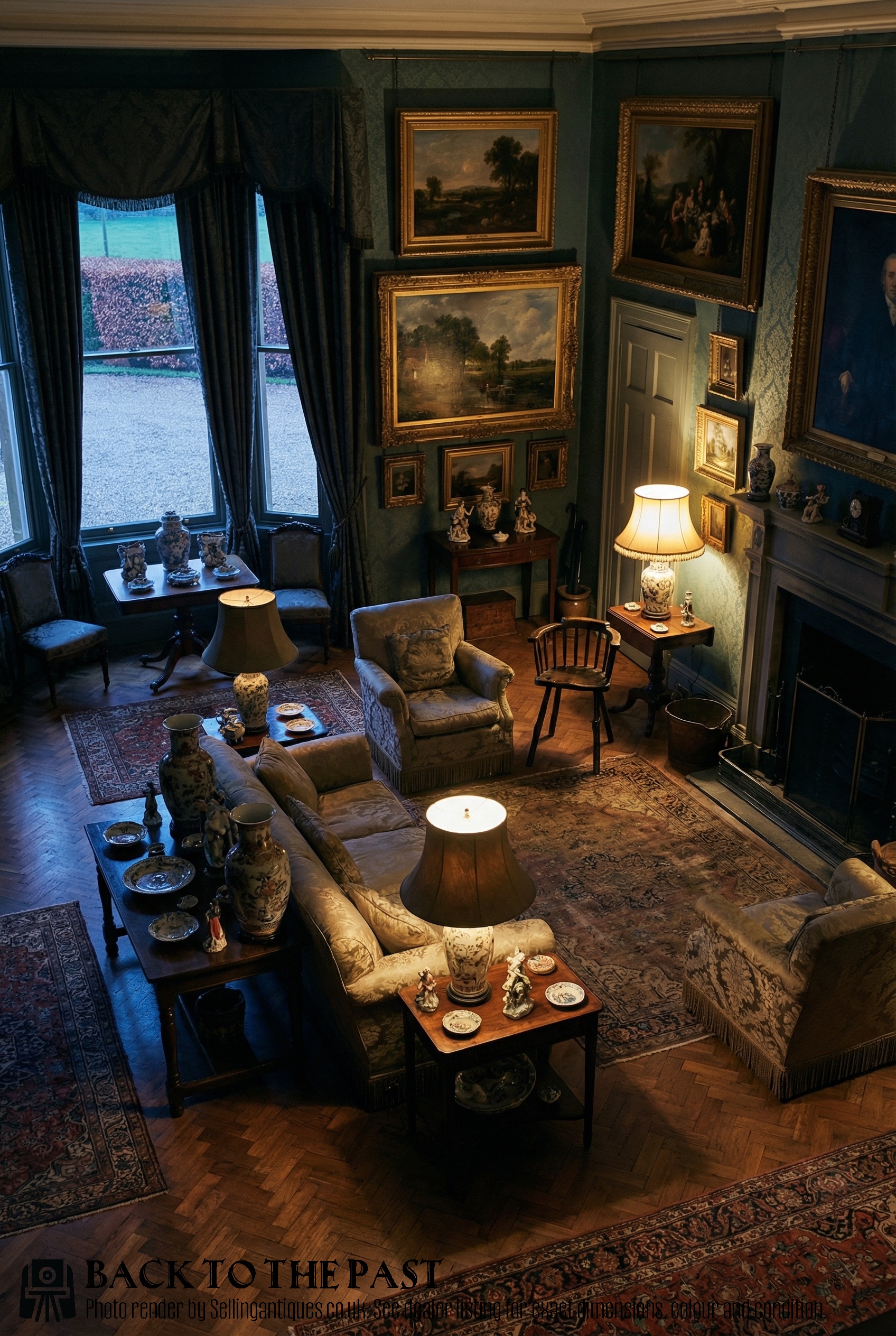
Primitive Oak Armchair
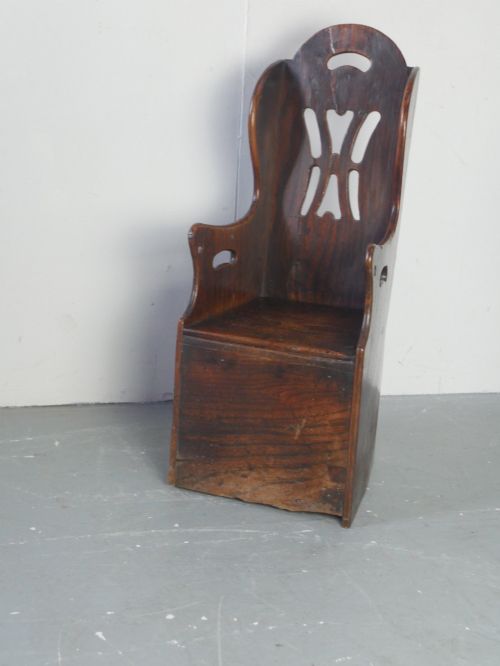
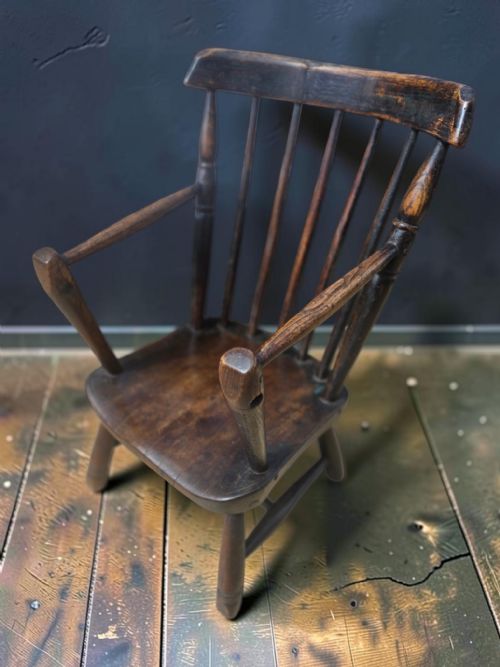
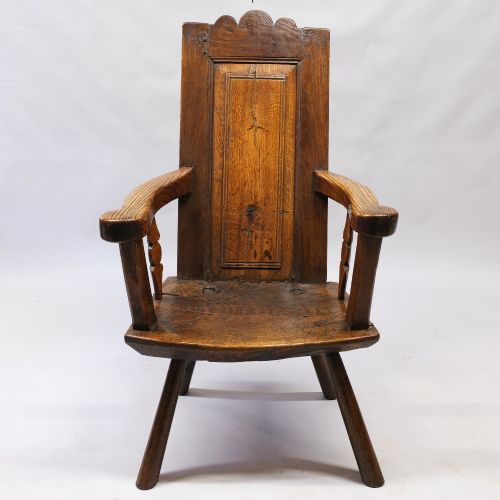
A primitive oak armchair represents the robust tradition of English and Welsh country seating, spanning the eighteenth and nineteenth centuries. These chairs encompass regional vernacular styles including stick backs, comb backs, panel backs, and Windsor forms.
The pieces on this page are heavily grounded in Welsh vernacular traditions alongside English country designs. Buyers encounter robust stick chairs, child variants, and sculptural vernacular seating shaped by local rural joiners.

Construction and timber selection
Maker construction relies on heavy native timbers such as oak, elm, ash, and alder, selected for structural strength and local availability. Woodworkers combined solid plank seats with turned legs and steam-bent or cleft spindles.
Surfaces frequently show original painted finishes or bare timber patinated through generations of domestic use. Construction methods utilise traditional joinery, including wedged tenons and pegging, without sophisticated urban polish.
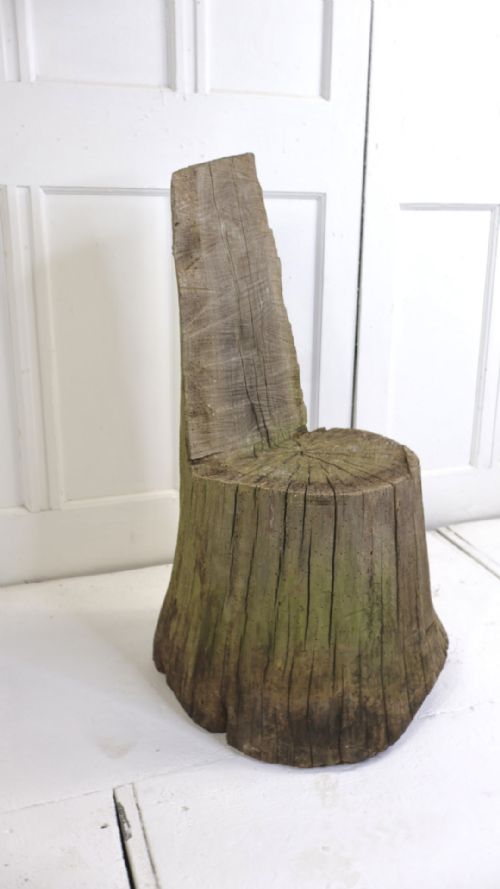
Some chairs started life as solid tree trunks before being scooped out by determined Welsh woodmen with adzes.
Assessing quality in vernacular seating
Quality rests upon the sculptural presence of the silhouette and the integrity of the surviving timber. Chairs displaying bold comb backs or well-proportioned stick arrangements command stronger visual balance.
Surface history dictates desirability, where untouched original paint or deep patination elevates a piece far above heavily stripped or excessively restored examples.
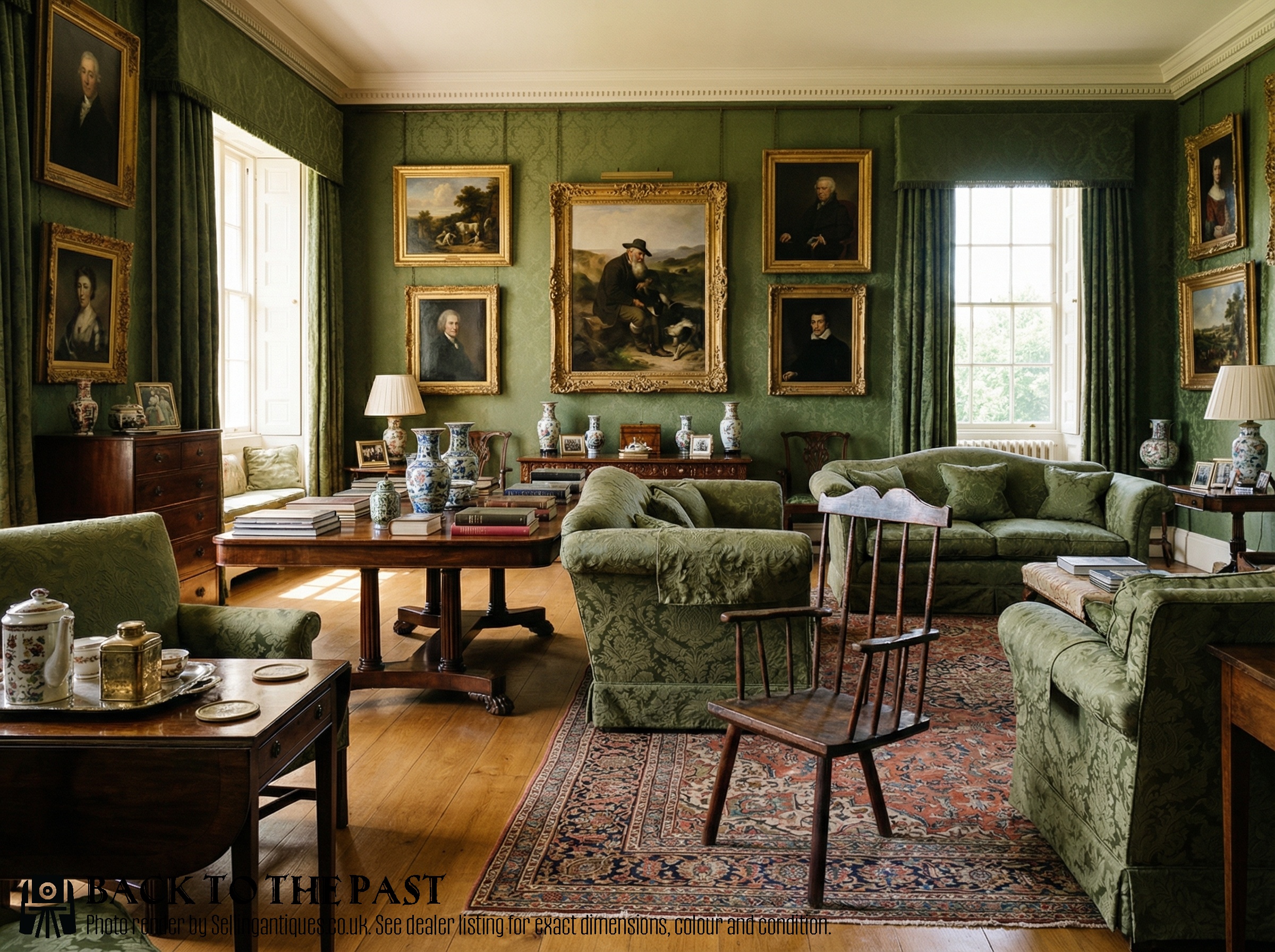
The Primitive Oak Armchair Glossary
- Vernacular
- Objects designed by local tradesmen for practical function rather than following academic metropolitan styles. This approach created distinct regional characteristics unique to specific valleys and counties.
- Comb back
- A chair back featuring an upper headrest rail supported by vertical spindles that resemble the teeth of a comb. This style appears frequently in Welsh country seating.
- Stick chair
- Seating constructed by boring holes directly into a solid wooden seat block to receive turned or shaved sticks that form the back and arms. It represents an ancient form of British chairmaking.
- Windsor chair
- A chair built with a heavy solid wooden seat into which the legs and back spindles are wedged independently. Regional variations often incorporate panel backs or hoop frames.
- Wainscot
- A heavy wooden panelled construction method utilising frame and panel joinery. This technique provides rigid structural support in early armchairs.
Primitive Oak Armchair: Frequently Asked Questions
What is a primitive oak armchair?
A primitive oak armchair is a vernacular country seat built by regional craftsmen using local timber and traditional methods. These chairs prioritise functional strength and honest construction over fashionable metropolitan styles.
They reflect the domestic requirements of rural households, incorporating varied regional designs such as stick backs, comb backs, and panelled forms.
How do I date a primitive armchair?
Dating relies on examining construction techniques, tool marks, timber shrinkage, and regional style evolution. Eighteenth-century examples often display deep patination and hand- cleft components.
Later nineteenth-century pieces may show the use of standardised lathe turnings or softer secondary woods alongside oak. Comparing regional traits helps narrow down the period.
Were these chairs used outdoors?
These armchairs served primarily as heavy indoor seating for farmhouses, cottages, and firesides. Their robust construction was designed to withstand demanding daily domestic life.
While some sturdy dug-out or timber seats weathered farm use, their survival depends on indoor care and protection from damp environments.
What woods were used besides oak?
Country makers utilised whatever native hardwood and softwood grew locally for different parts of the chair. Elm was frequently chosen for solid seats because its interlocking grain resisted splitting.
Ash and alder provided strong, flexible material for spindles, stems, and bent components, while oak formed the primary structural frame.