


Dark Oak Stick Chair
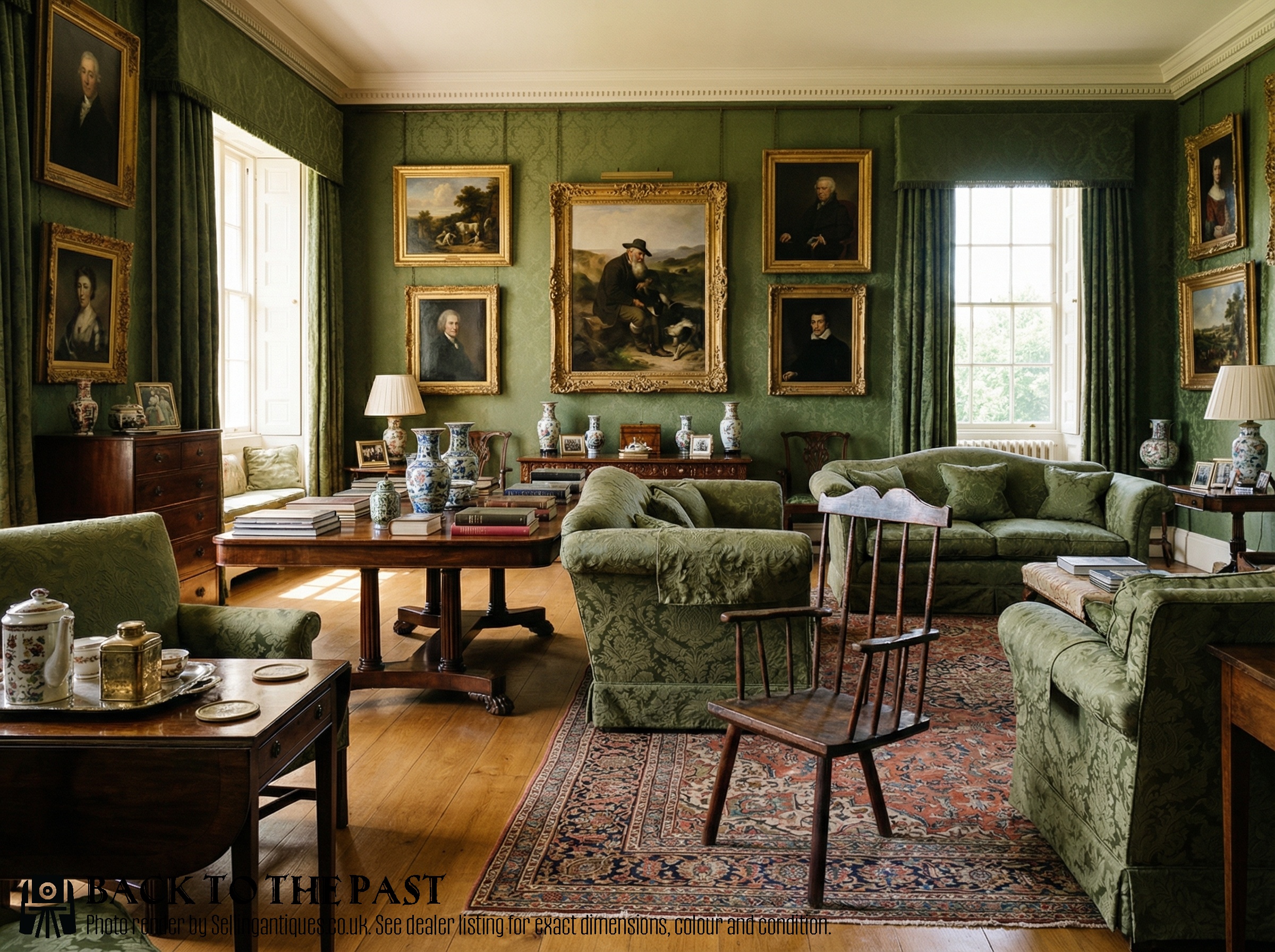
A dark oak stick chair brings honest vernacular timber and simple lines into a room, offering sturdy seating rooted in centuries of country craftsmanship.

Dark Oak Stick Chair
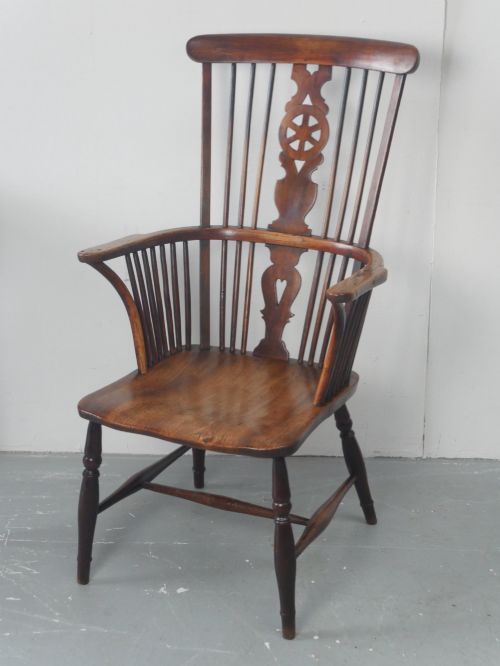
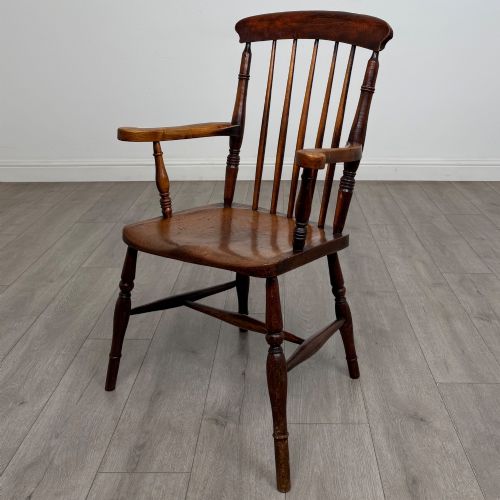
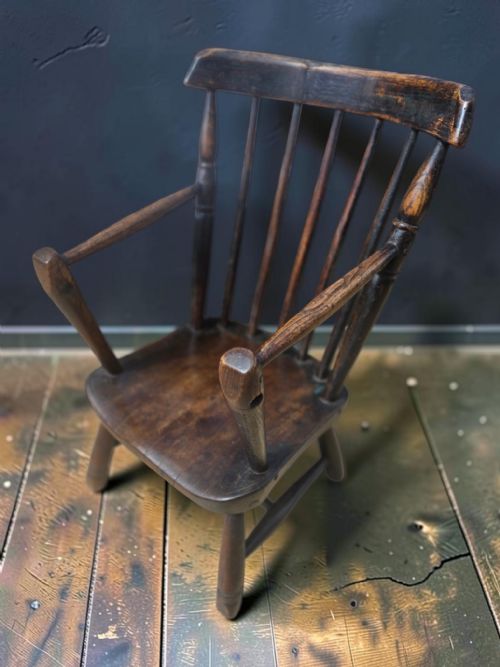
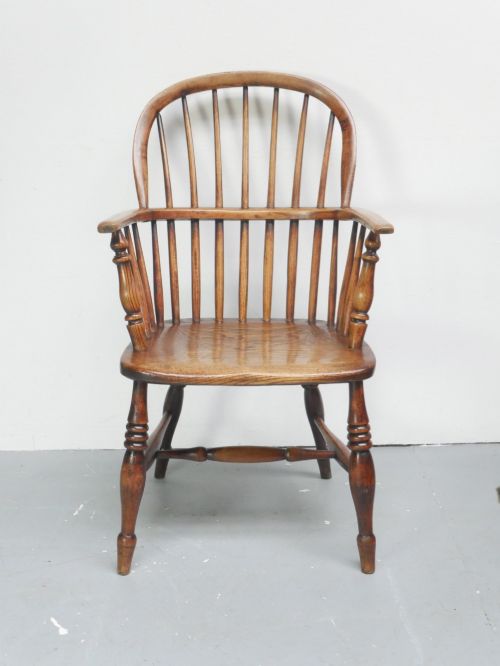
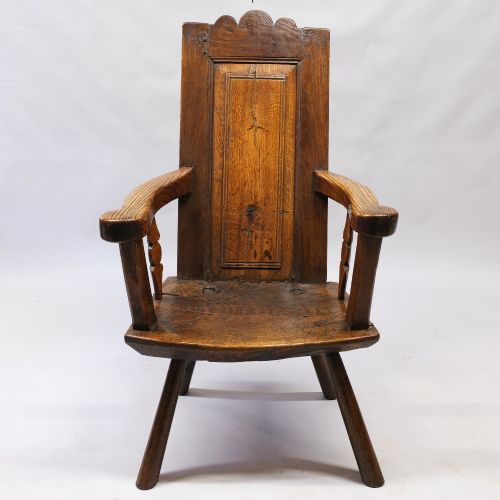
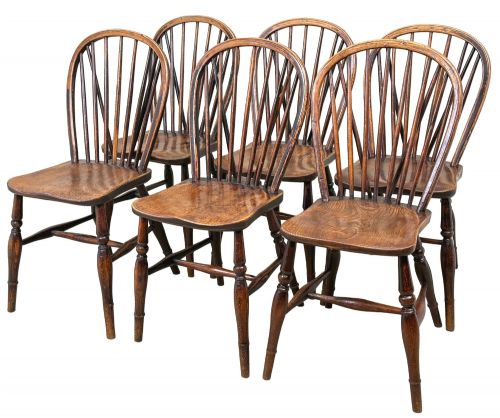
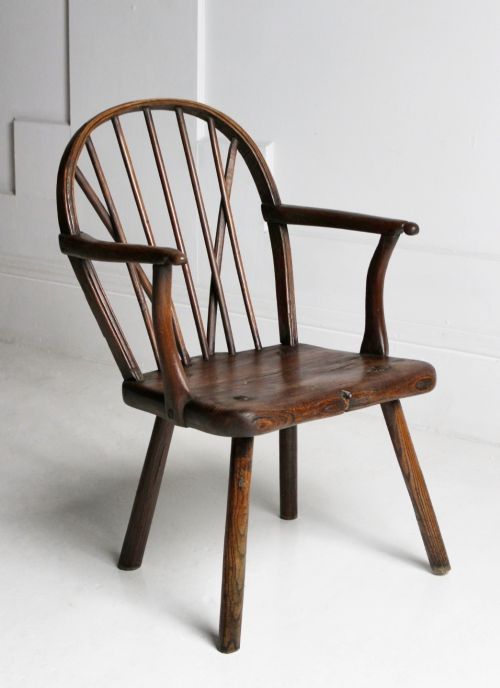
When searching for a dark oak stick chair, buyers encounter robust vernacular seating shaped by regional traditions across Britain. These pieces span the eighteenth, nineteenth, and early twentieth centuries, encompassing farmhouse armchairs, kitchen sets, comb-backs, and smaller child-size variants.
The most frequent examples on this page are nineteenth-century Windsor and stick-back forms originating from Welsh, English, and Scottish country workshops. These range from grand panel-backed kitchen armchairs to primitive children's seating with distinct regional turning and spindle arrangements.
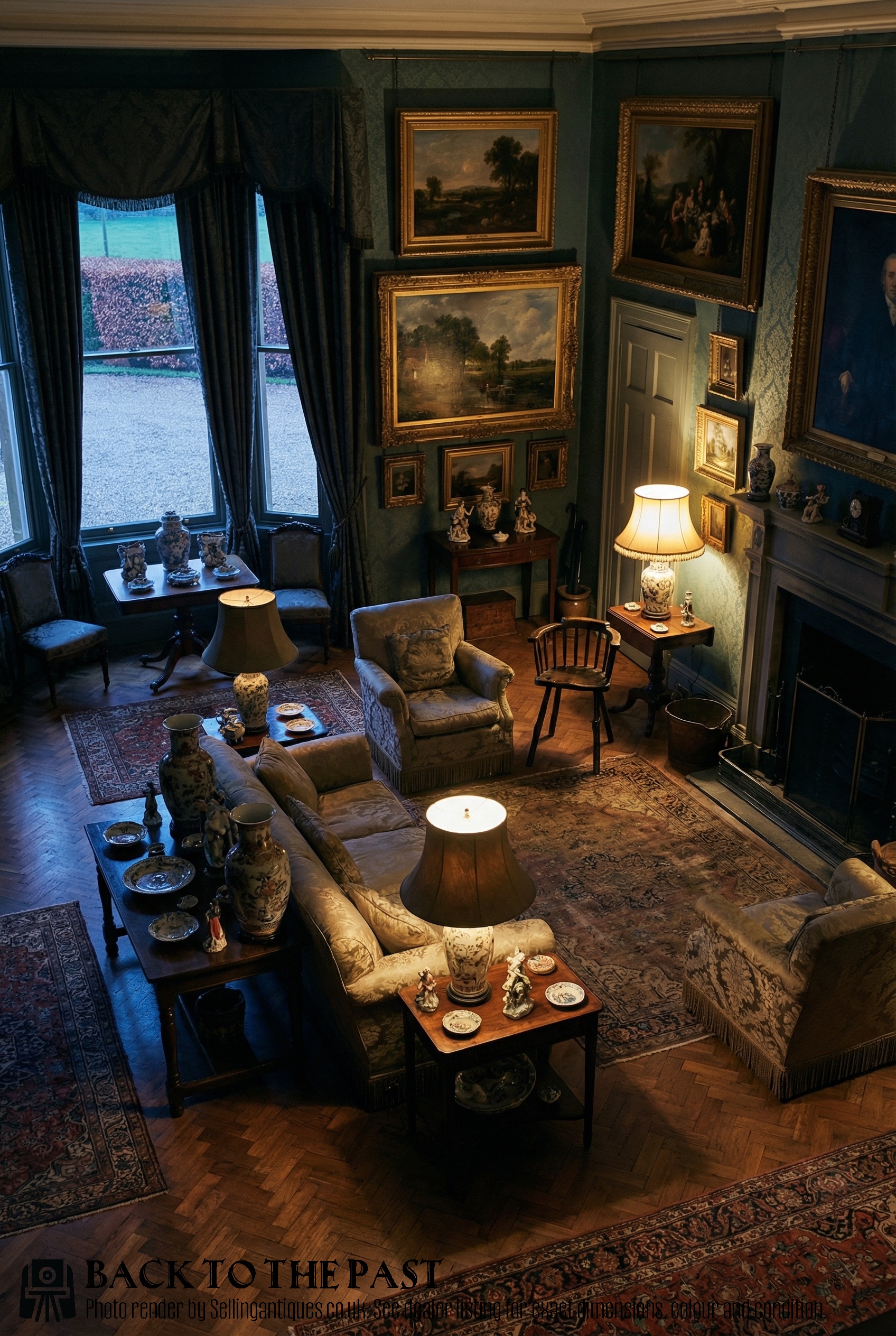
Makers utilised local hardwoods to build chairs meant for daily domestic service rather than formal display. Such seating brings a tactile, historical presence to contemporary interiors through visible grain and timeworn patination.
How they were made
Constructed primarily from sturdy timbers such as oak, elm, ash, beech, yew, and fruitwood, these chairs rely on traditional Greenwood joinery. Turners shaped legs and spindles on foot-powered lathes, while seat planking was often heavily sculpted to form a comfortable saddle.
Constructors bored legs and uprights directly into solid wooden seats using tapered tenons secured by wedges. Certain variants incorporate steam-bent rails for comb-backs and bow arms, alongside occasional natural cane insertions for seating pads.
Regional forms featured on this page include Welsh vernacular, English country, and Scottish regional Windsor armchairs.
What varies in quality
The distinction between standard domestic seating and exceptional vernacular examples rests upon the harmony of proportions and the integrity of the timber. Master regional chairmakers achieved balanced comb-backs and finely tapered spindles that elevate utilitarian objects into sculptural forms.
Surface patination and the survival of original wood finishes determine the visual depth of a piece. Chairs that retain genuine signs of age without extensive structural replacement demonstrate superior historical authenticity.
The Dark Oak Stick Chair Glossary
- Comb-back
- A Windsor chair variation featuring an extended high backrest with vertical spindles topped by a horizontal headboard resembling a hair comb.
- Vernacular
- Objects designed by local craftsmen using regional materials and traditional methods rather than following metropolitan academic styles.
- Saddle seat
- A thick wooden seat base scooped and shaped by adze and travisher to mirror ergonomic contours for sitting comfort.
- Stick-back
- A chair construction method where turned wooden rods form the backrest and arm supports, fitting directly into bored holes in the seat.
- Windsor
- A traditional chair type characterised by a solid wooden seat into which the legs and back spindles are separately inserted.
Dark Oak Stick Chair: Frequently Asked Questions
How do I date a stick chair?
Dating relies on observing tool marks, timber shrinkage, and structural evolution from eighteenth-century regional prototypes to later nineteenth-century factory methods. Early examples often display primitive adze work and distinctive local turning styles.
Changes in arm designs and spindle thicknesses further help distinguish Georgian vernacular pieces from later Victorian farmhouse iterations.
Are these chairs comfortable for daily use?
Most country stick chairs feature sculpted wooden seats designed to support the body naturally during long kitchen or dining sessions. Their sturdy construction makes them resilient for everyday seating.
Adding a small loose cushion can enhance comfort while preserving the historic timber surface beneath.
How should I care for antique timber?
Maintain dry conditions away from direct heat sources and sudden temperature fluctuations to prevent wood splitting or joint loosening. Gentle cleaning with a soft cloth preserves the historic surface patination.
Applying occasional natural wax helps nourish dry hardwoods without building up heavy chemical layers.