
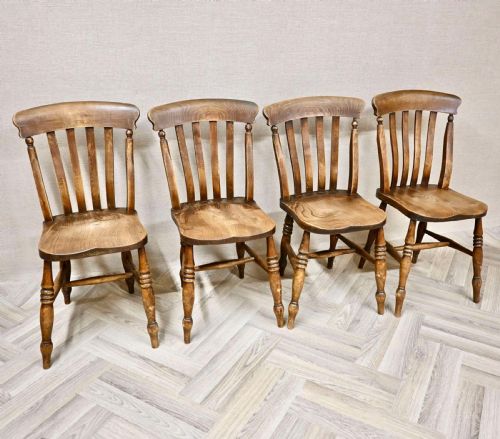
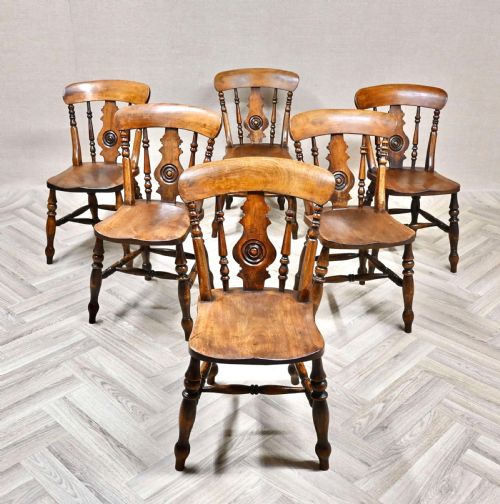
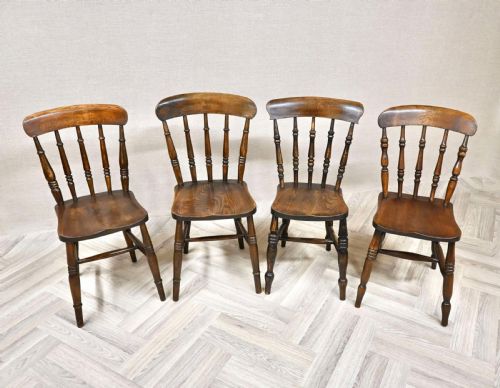
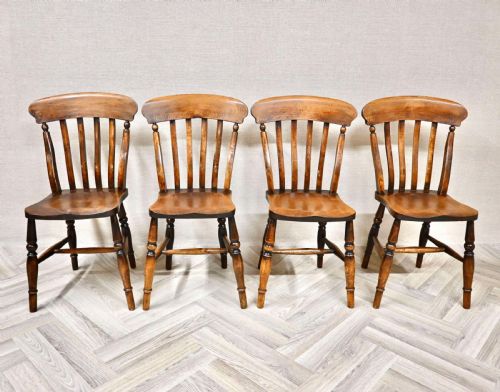




Brown Wooden Windsor Chair
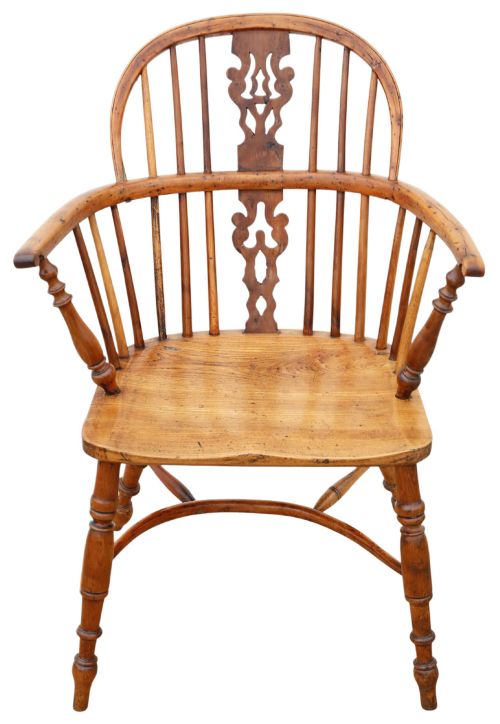
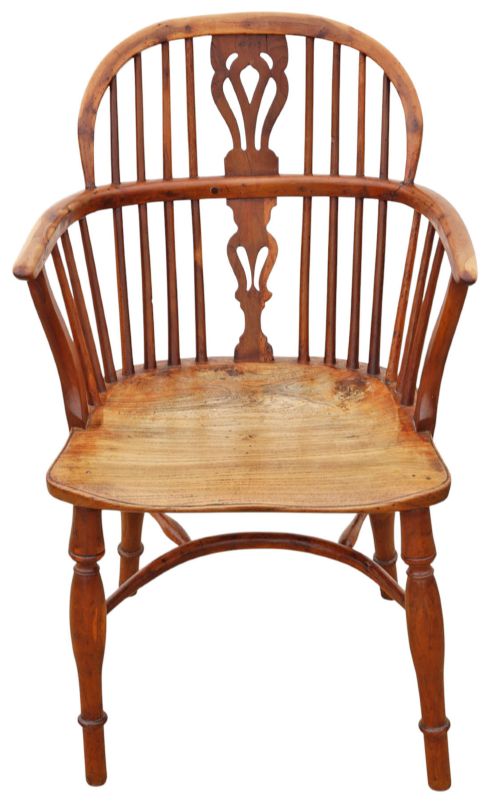
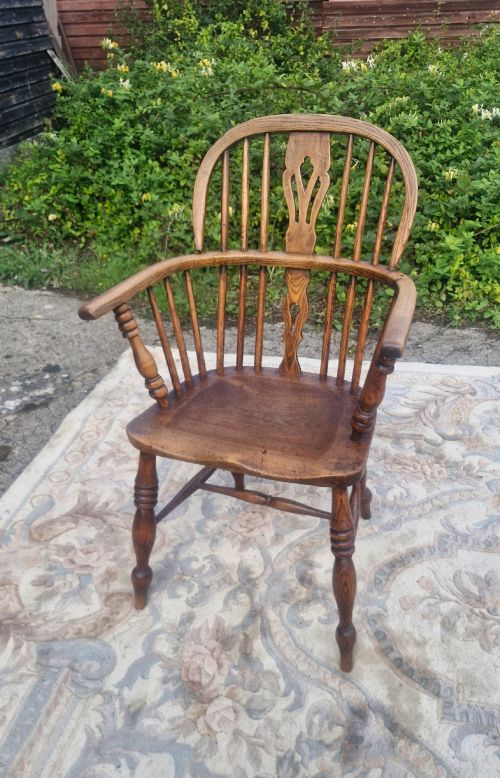
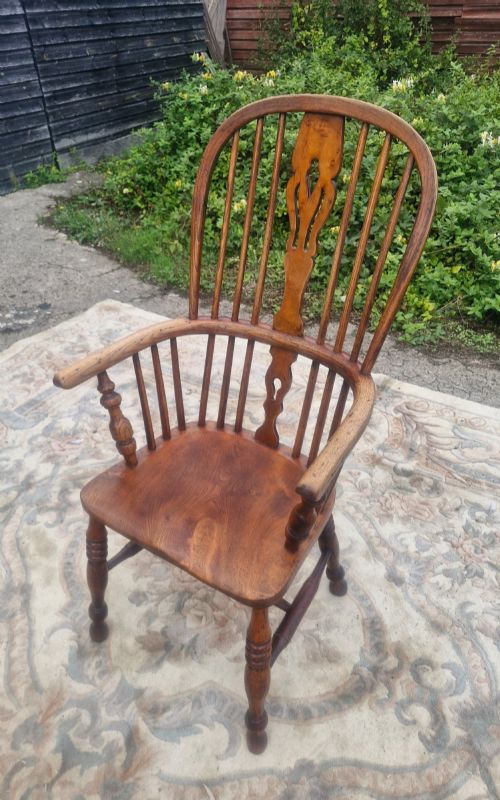
A brown wooden windsor chair brings tactile warmth and vernacular character to a room, offering sturdy utility shaped by centuries of English country craftsmanship.
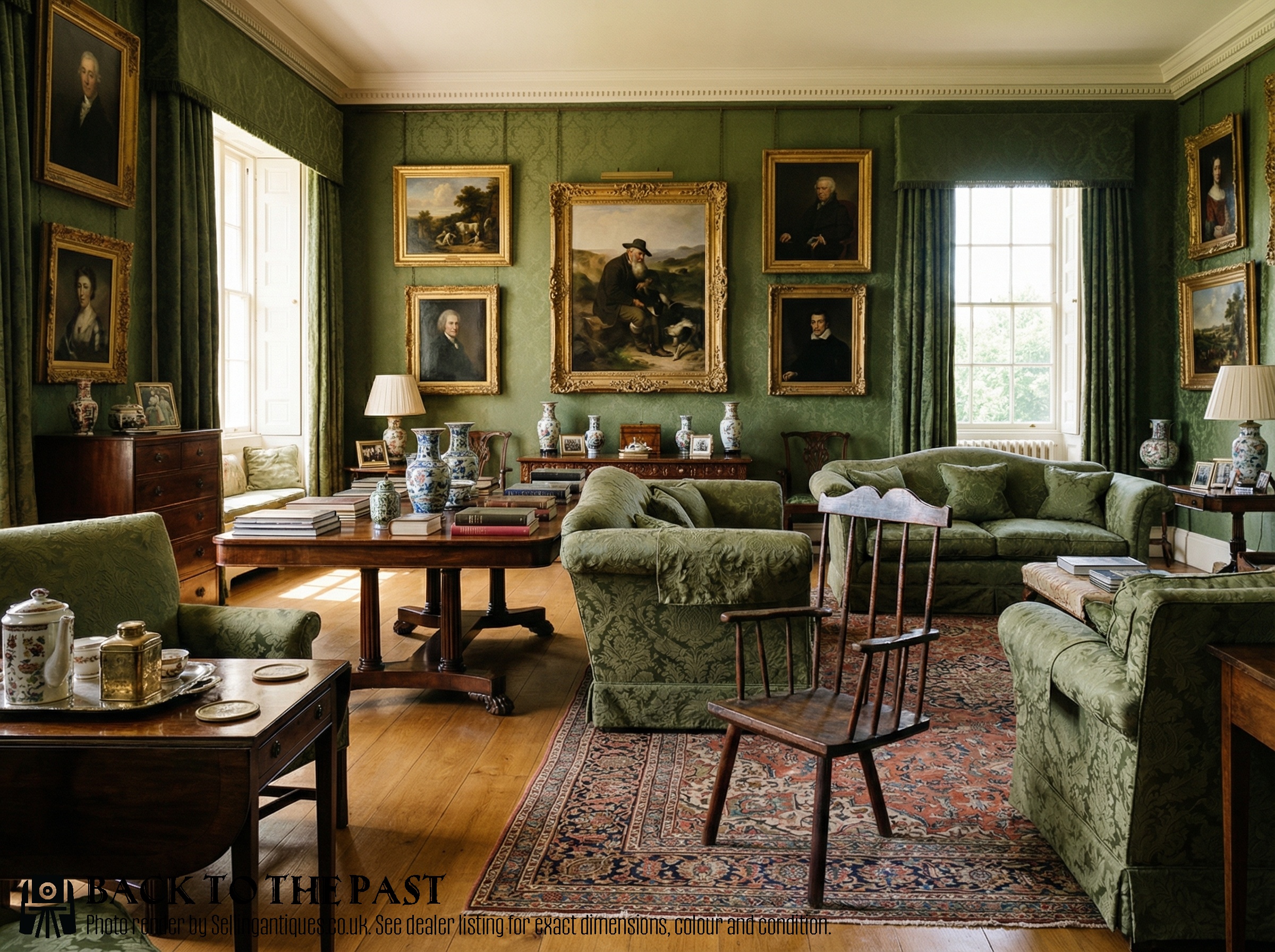
Brown Wooden Windsor Chair
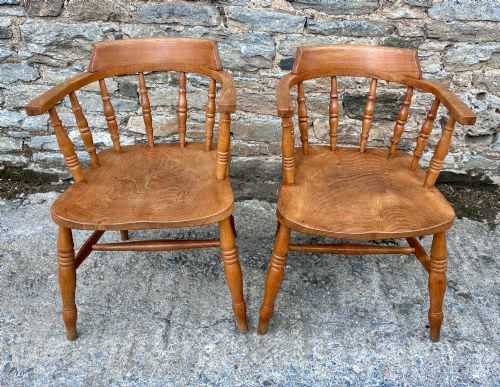
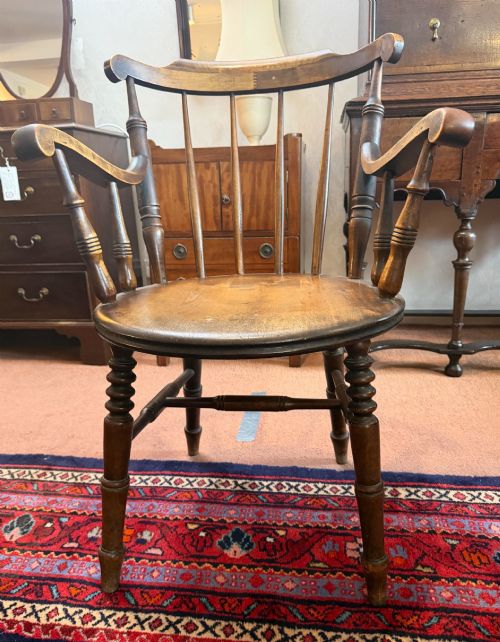
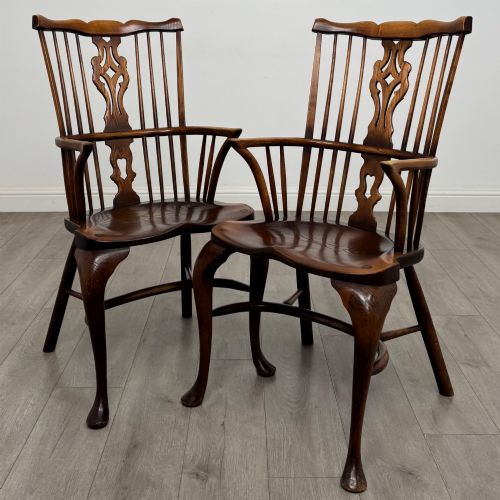
A brown wooden windsor chair is a seating form defined by a solid wooden seat into which the legs and back spindles are wedged directly, rather than relying on a separate frame. When searching this phrase, buyers encounter various formats ranging from low-backed smoker's bows and captain's chairs to commanding high-back and comb-back armchairs.
The selections span distinct periods including the 18th century, Georgian era, Victorian period, and Edwardian years. Regional variations also appear, noting Welsh and Scottish examples alongside English country designs.
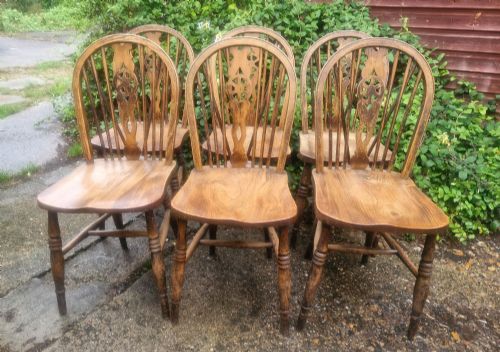
Dining chairs and sets of kitchen chairs are common, often found as pairs or larger matched groupings suitable for everyday use around a table.
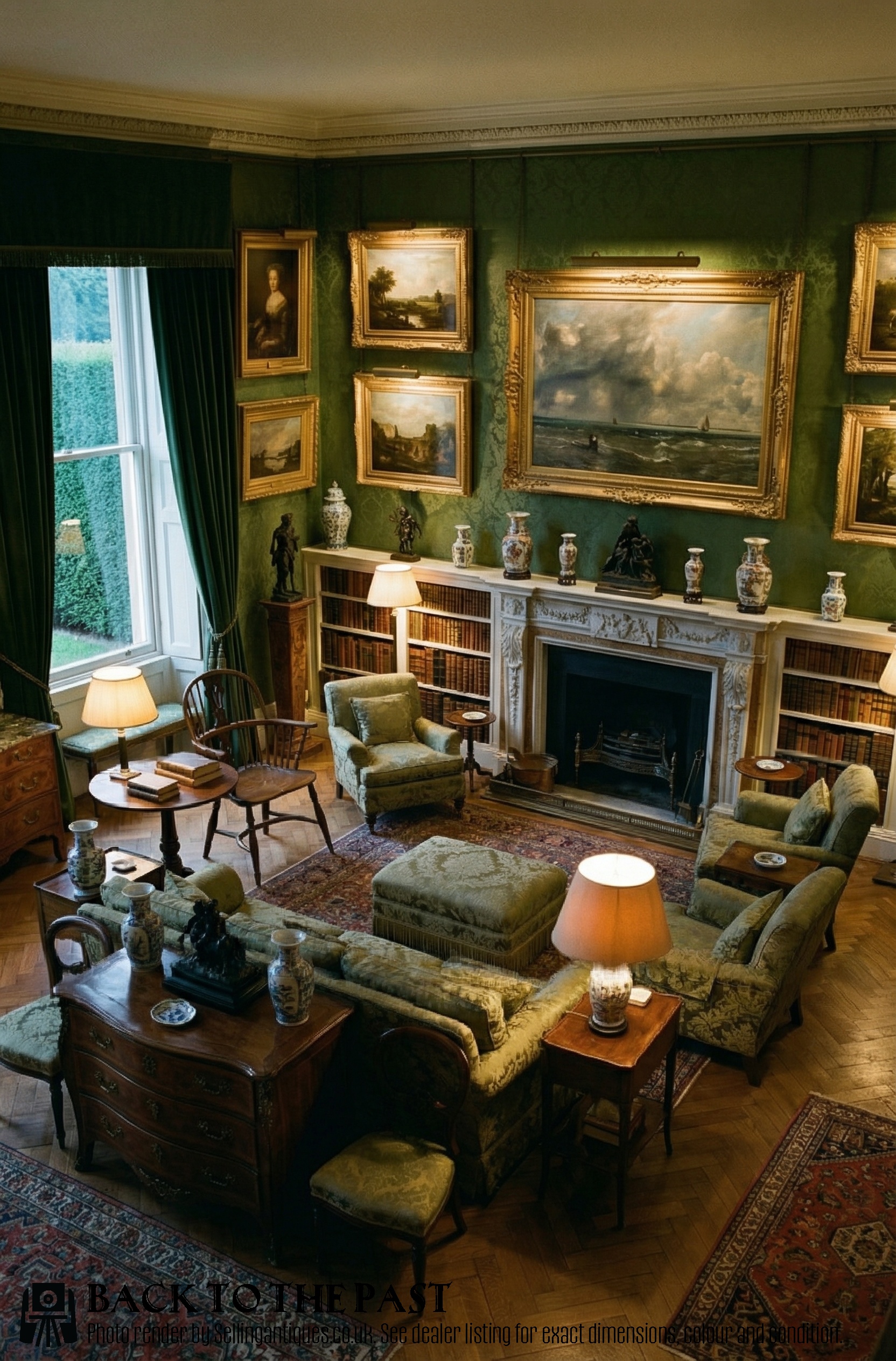
Distinguishing quality
Quality rests in the balance of timber selection, particularly the figure and depth of grain visible in an elm seat and the matching of yew wood components. Superior examples display harmonious proportions where the thickness of the arm bow matches the stance of the turned legs.
The comfort and refinement of the sculpted seat saddle, alongside the crispness of turning on the spindles and legs, separate standard utility seating from masterworks of regional vernacular joinery. Patina accumulated through generations of use further defines the visual appeal of better specimens.
Brown Wooden Windsor Chair Retail Price Guide 2026
Typical asking prices for brown wooden windsor chair among the pieces listed under this phrase on Sellingantiques today, from the lower quarter to the upper quarter. They describe what is for sale here now, not the wider market.
The selection includes multiple regional varieties, spanning English country, Scottish, Welsh, and Georgian vernacular traditions across the 18th and 19th centuries.
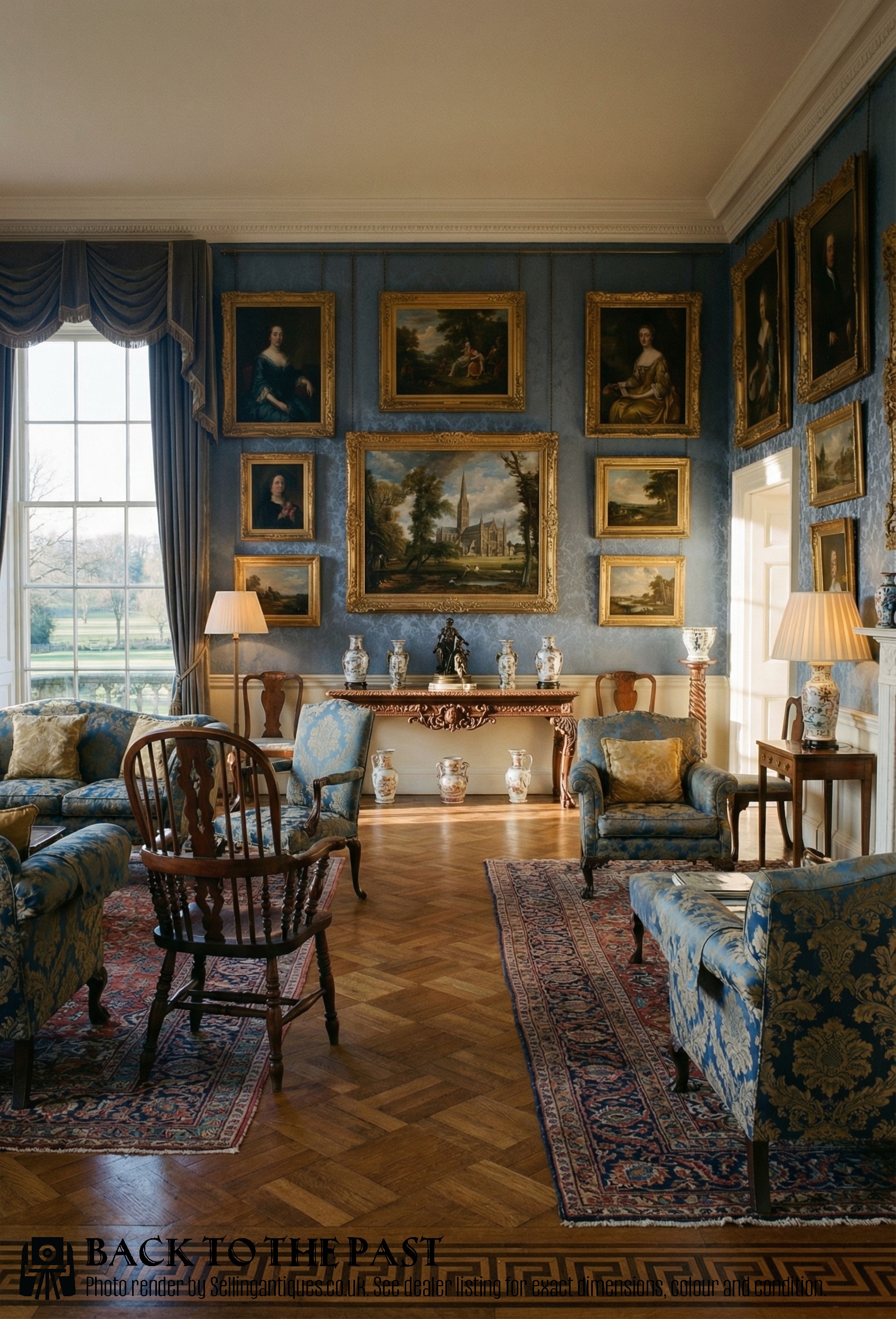
J Spencer
The Brown Wooden Windsor Chair Glossary
- Carver elbow-chair
- An armchair designed with low arms to allow freedom of movement, frequently used at the head of a dining table. These seating pieces often match a set of standard side chairs.
- Crinoline stretcher
- A curved hoop stretcher connecting the legs of a chair to provide lateral stability. This distinctive feature appears on 18th-century and early 19th-century West Country examples.
- Smoker's bow
- A low-backed armchair featuring a continuous curved top rail supported by turned spindles above wide wooden arms. It is commonly associated with tavern and farmhouse settings from the Victorian era.
- Wheelback
- A chair back incorporating a central pierced wooden splat shaped like a cartwheel. This decorative motif gained popularity during the 19th century in kitchen and dining seating.
- Stickback
- A vernacular chair design constructed with simple vertical wooden spindles fitted into a steam-bent rail. It represents a streamlined approach to traditional seating construction.
Brown Wooden Windsor Chair: Frequently Asked Questions
How do I care for a wooden windsor chair?
Keep wooden seating away from direct heat sources and drastic humidity shifts to prevent timber shrinkage or splitting. Regular dusting and occasional application of traditional beeswax help preserve the natural surface.
Avoid commercial silicone polishes that build up over time. Allow the timber to breathe and maintain its historic character through gentle handling.
Can I use these chairs at a modern dining table?
Many historical seating pieces fit comfortably beneath standard dining tables, though seat heights can vary slightly compared to modern furniture. Mixing armchairs at the table ends provides practical comfort and visual interest.
Verify the seat height and arm clearance of individual pieces before pairing them with your existing table.
What is the difference between an ash and an elm seat?
Elm wood was traditionally selected for chair seats because its interlocking grain resists splitting when heavy loads are applied or when legs are wedged into place. Ash provides excellent flexibility and tensile strength for the bentwood bows and slender spindles.
Combining these two timbers ensured the finished seating remained light yet exceptionally durable for daily household tasks.
How do I date an antique wooden chair?
Dating relies upon observing construction methods, tool marks, timber selection, and overall design evolution from heavy 18th-century comb-backs to later Victorian wheel-backs. Regional styles and historical stamps also offer clues regarding origin and period.
Compare the turned leg profiles and arm shapes against known stylistic markers of the Georgian, Victorian, and Edwardian eras.