
Vintage Stick Back Chair
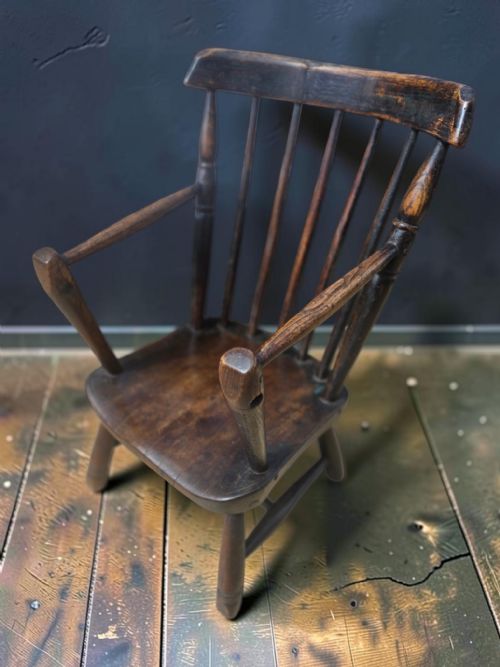
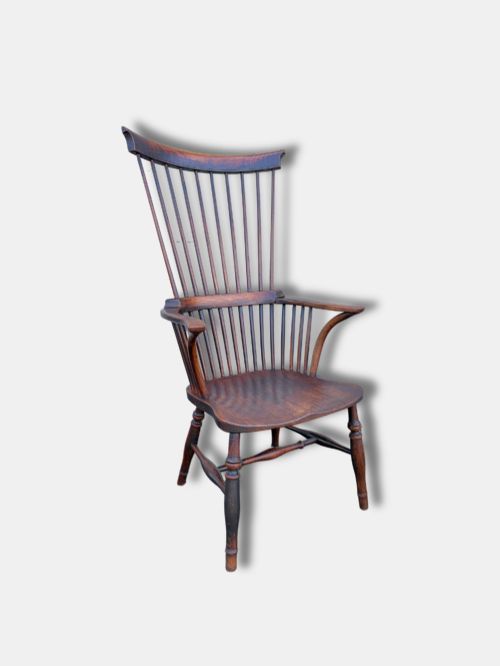
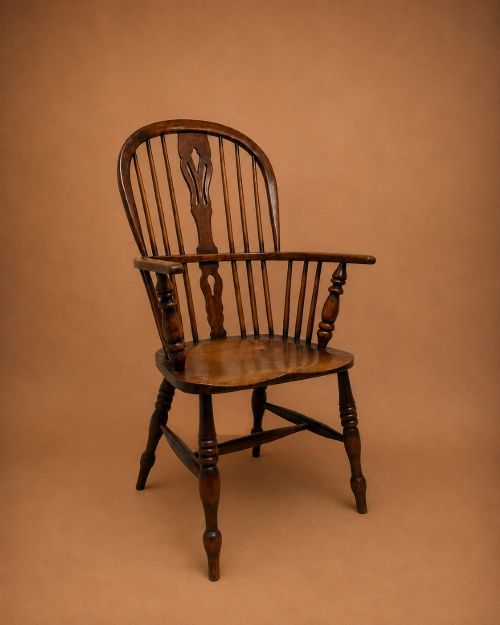
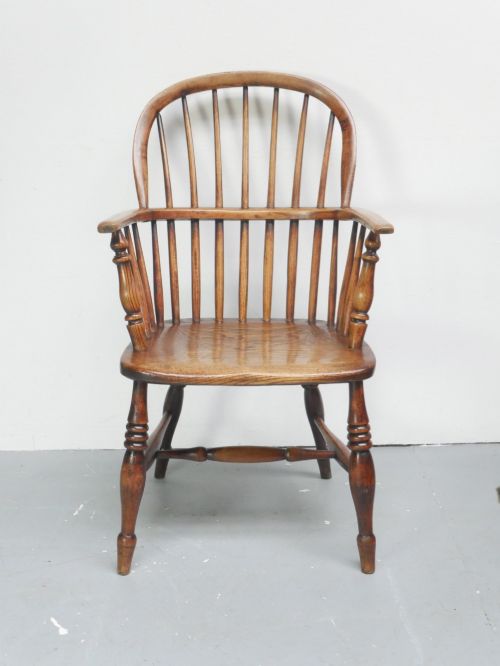
A vintage stick back chair offers honest construction and regional character, built for daily use from solid local timber.
Vintage Stick Back Chair
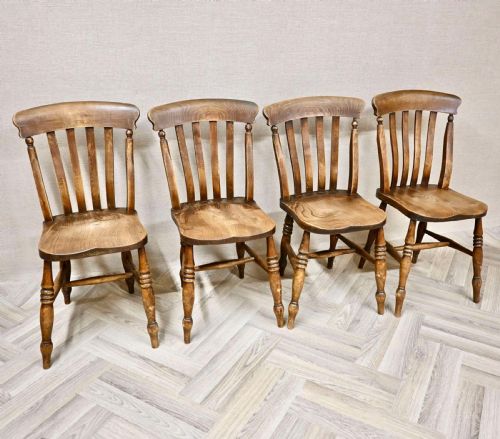
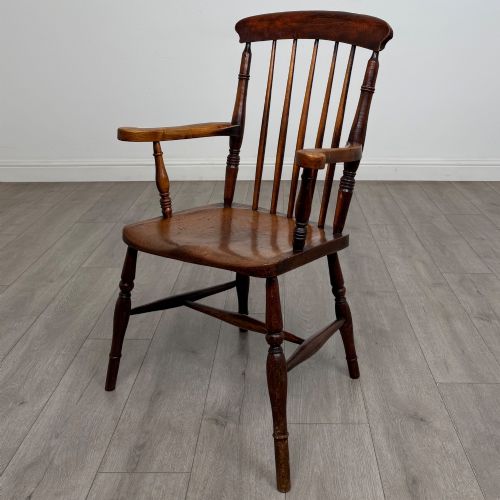
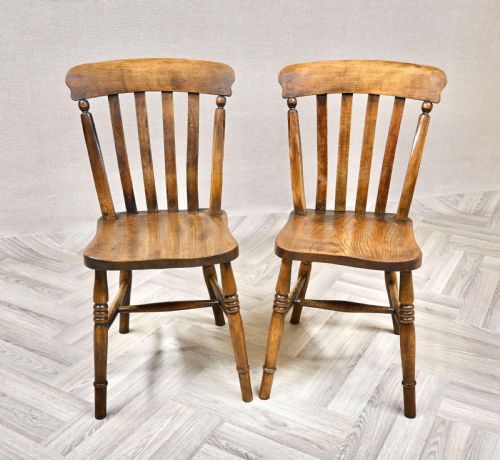
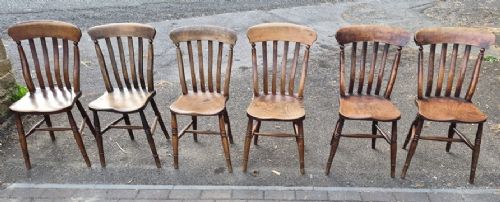
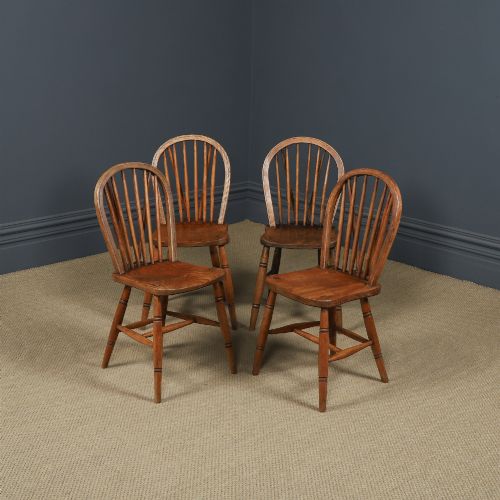
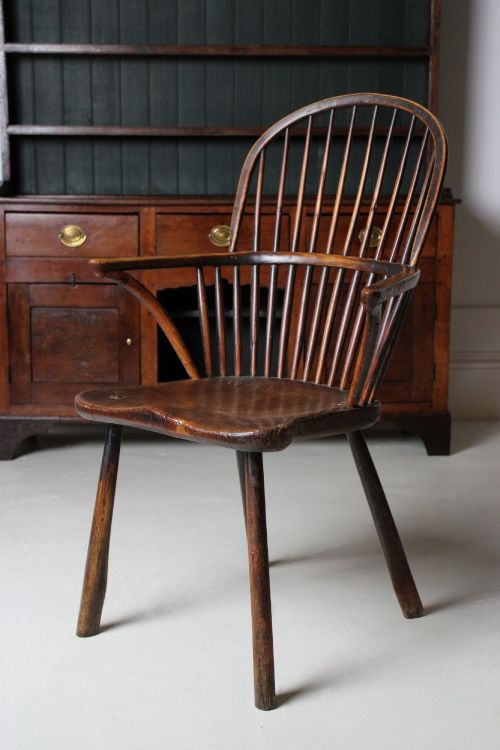
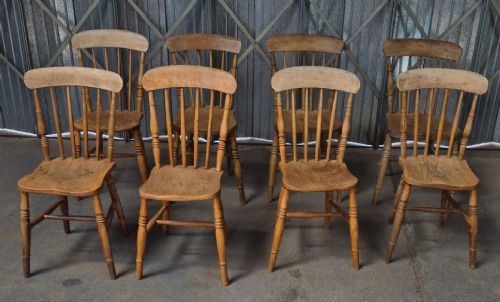
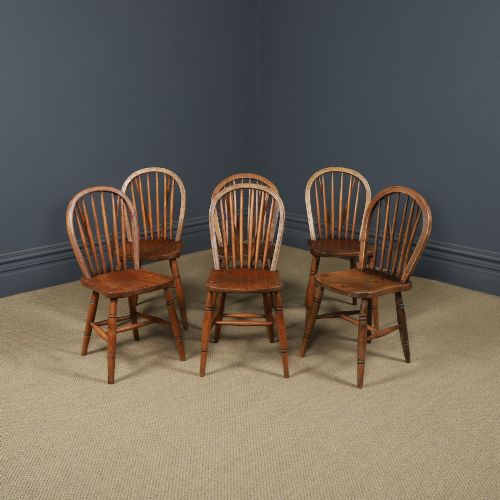
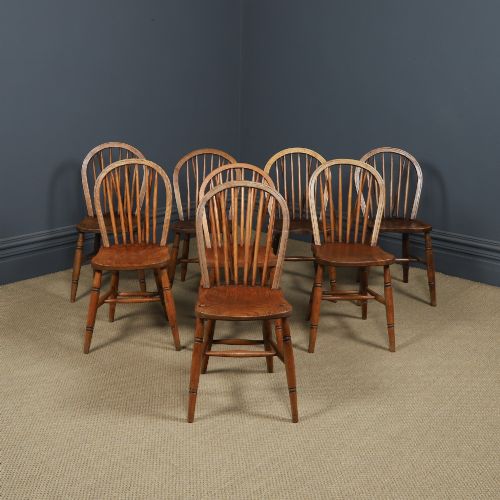
A vintage stick back chair is a seating form grounded in British country tradition, appearing here across the nineteenth and early twentieth centuries in forms ranging from single kitchen chairs to sets of dining chairs. Buyers encounter regional variants such as Thames Valley styles, alongside child's high chairs, armchairs, and Windsor forms rooted in vernacular workshop practice.
Makers produced these pieces for practical domestic service in farmhouses, cottages, and kitchens, leading to robust survival rates across generations. The selection spans utilitarian mid-century utility pieces, Victorian farmhouse models, and earlier vernacular work.
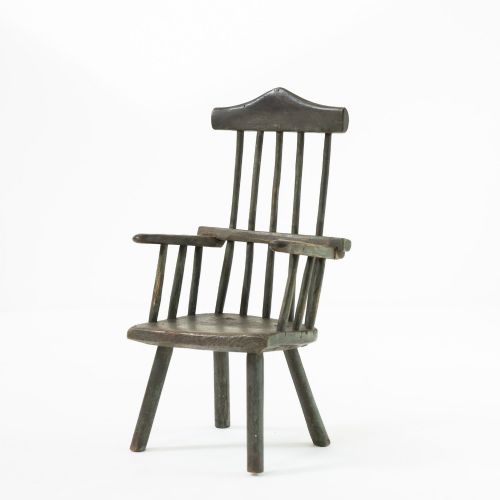
Regional diversity shapes the form, with Scottish, Welsh, and English country workshops each utilising distinct turning patterns and bending techniques. The inventory includes smaller children's armchairs and high chairs alongside standard dining seats.
How they were made
Joiners relied on a combination of woods chosen for specific structural properties, most frequently pairing elm seats with ash or beech for spindles and bent members. Yew appears in higher-status regional examples, while paint and simulated rosewood finishes provide surface variation.
Construction centres on a solid timber seat slab bored to receive turned legs below and steam-bent spindles or hooped backs above. Wedges secure the tenoned legs through the seat underside, creating a rigid frame without metal fasteners.
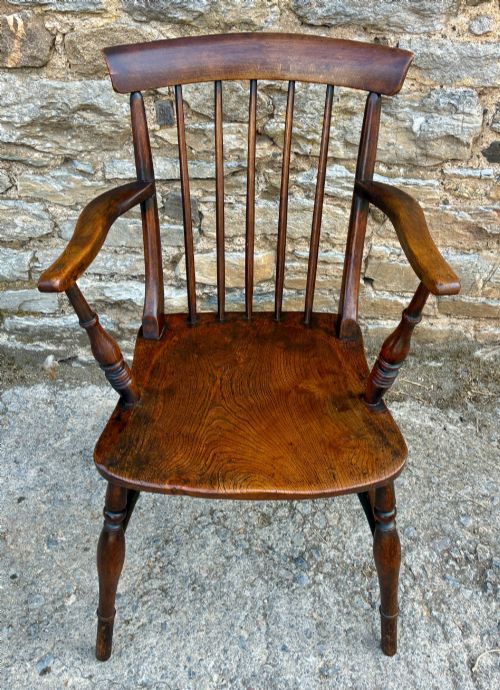
The inventory records both full-sized armchairs and specialised children's high chairs, demonstrating the range of domestic forms produced by regional makers.
What varies in quality
Quality rests upon the harmony of the timber selection and the retention of original structural lines through centuries of use. Chairs retaining matching timber grain in the seat and well-balanced spindle turning sit at the upper end of the scale.
The integrity of the wedged joints and the crispness of the arm scrolls or comb-back terminals distinguish provincial masterwork from simple utility items. Surviving surface treatments, from early paint layers to patinated bare wood, influence the visual coherence of the piece.
Darvil
The Vintage Stick Back Chair Glossary
- Windsor chair
- A wooden chair built with a solid sculpted seat into which the legs and back-spindles are inserted directly. This form developed numerous regional British variations over centuries.
- Comb back
- A chair back featuring vertical spindles topped by a horizontal headpiece resembling a hair comb. This profile often appears on vernacular armchairs.
- Hoop back
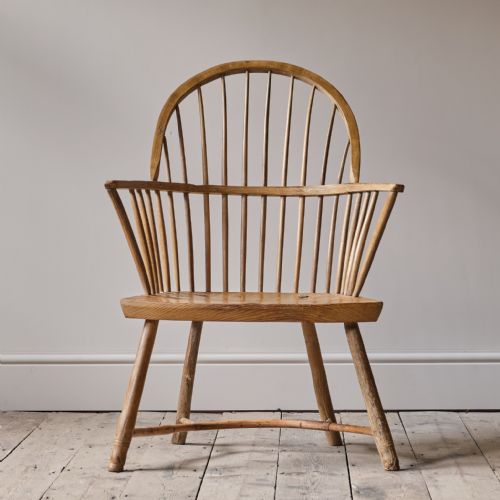
- A continuous bentwood bow forming the top rail and arms of a chair in a single sweeping curve. It distributes stress evenly across the frame.
- Vernacular
- Objects built by local tradesmen using regional traditions and available materials rather than following metropolitan academic designs. These pieces reflect specific geographic manufacturing habits.
- Harlequin set
- A collection of chairs sharing a general style and period but varying slightly in detail and turning. Such groups accumulated in homes over time rather than being purchased as a single factory batch.
Vintage Stick Back Chair: Frequently Asked Questions
How do I identify a Thames Valley chair?
Thames Valley chairs typically feature figured elm seats combined with distinctive crinoline stretchers joining the legs. These pieces display refined turning and generous proportions influenced by urban cabinet-making traditions.
Makers in this region often selected highly grained timber for the seat slab while keeping the ash spindles slender and precise.
Were these chairs used for dining?
Kitchen and farmhouse sets served primarily around the domestic table for daily family meals. Their durable timber construction withstood heavy everyday service in busy environments.
Sets of four, six, or more frequently survived together because owners valued them for practical dining rooms.
What wood combination is most common?
Elm and ash form the most frequent timber pairing found in British stick back seating. Elm provided a stable, split-resistant slab for the carved seat.
Ash supplied the flexibility required for steam-bent hoops and the strength needed for turned legs and spindles.
How should I care for a vintage stick back chair?
Maintain stable indoor humidity to prevent timber movement and keep the wood nourished with appropriate wax. Avoid placing antique seating near direct heat sources or in strong sunlight.
Regular dusting preserves the surface patina built up over generations of use.