

Bow Back Windsor Chair
When choosing a bow back windsor chair, you select a sturdy rustic seat shaped by generations of English country makers.
Bow Back Windsor Chair
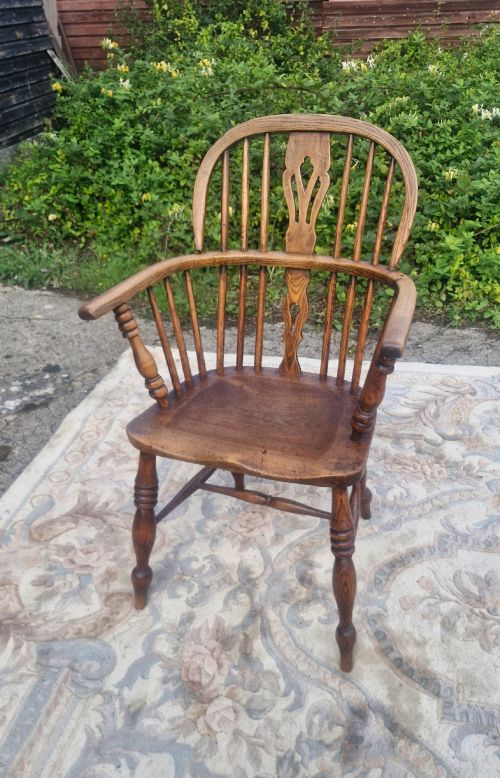
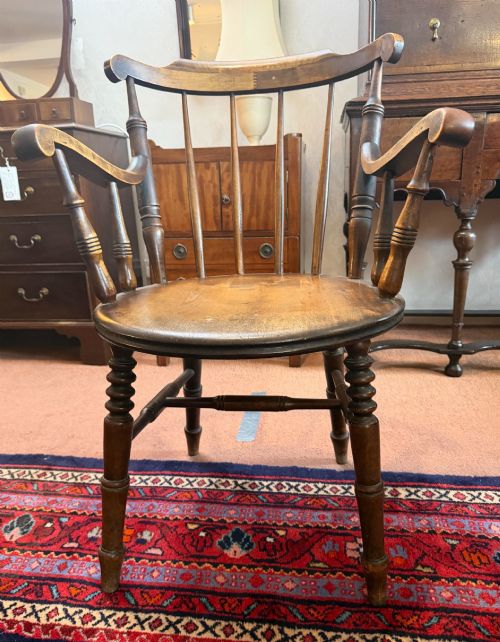
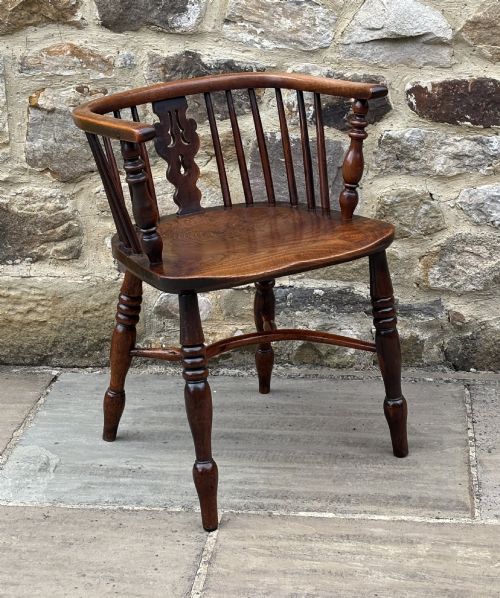
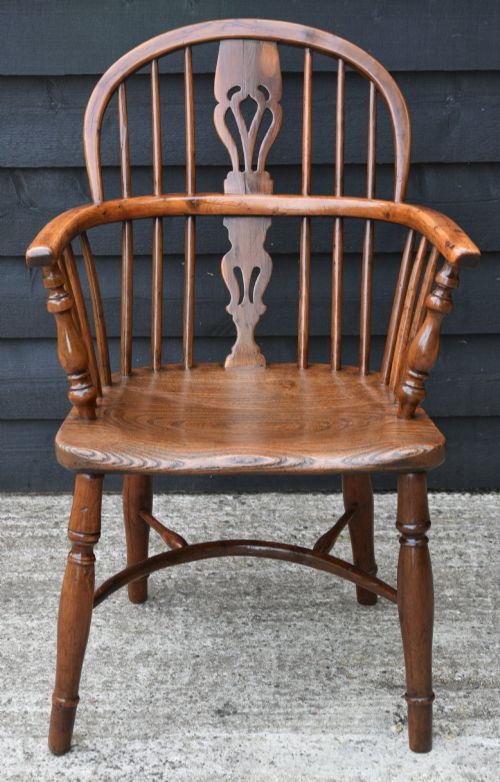
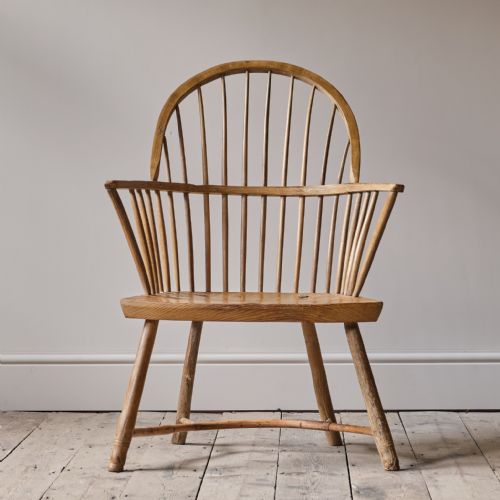
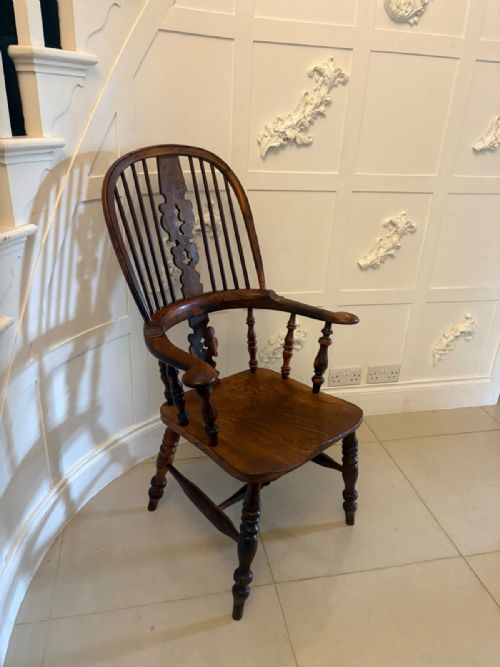
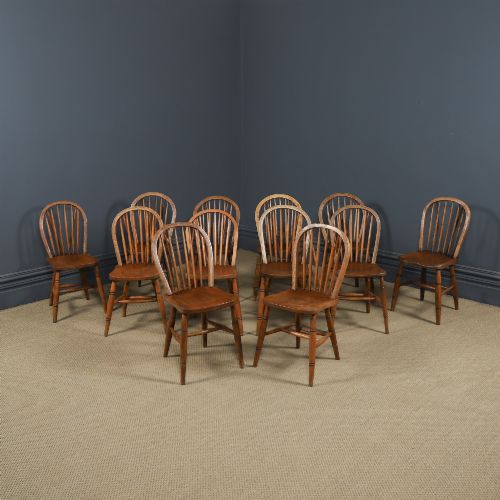
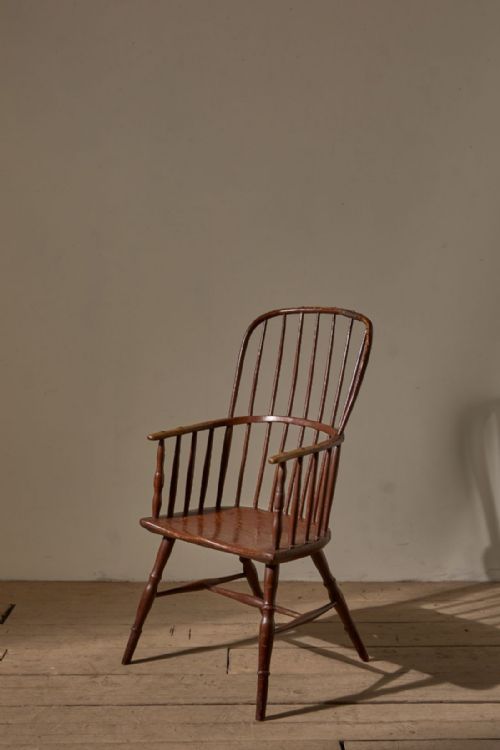
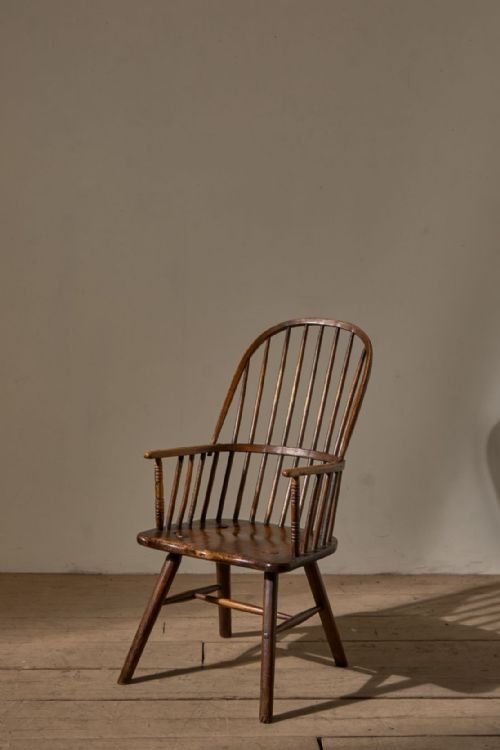
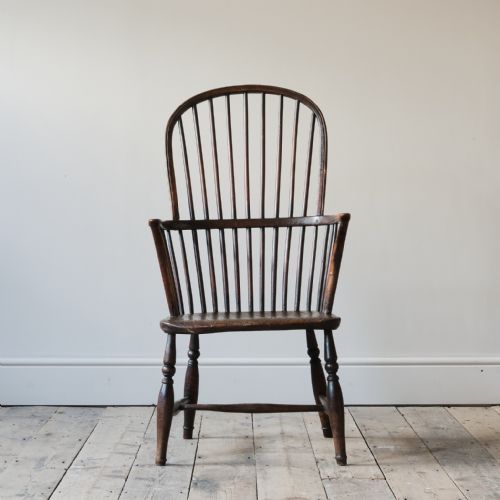
A bow back windsor chair combines a solid carved wooden seat with a continuous bentwood bow forming the backrest and arm support. These domestic pieces served in kitchens, farmhouses, and country houses across England.
The most common examples on this page date from the Victorian period, though earlier Georgian and later Edwardian specimens appear regularly. They function as comfortable armchairs, desk chairs, and dining seats.
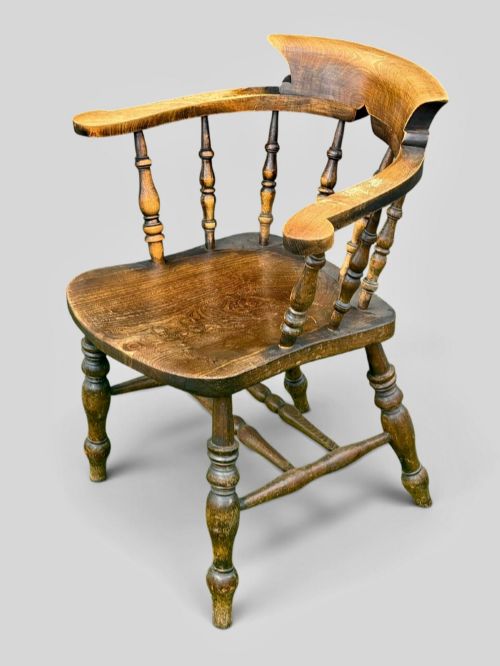
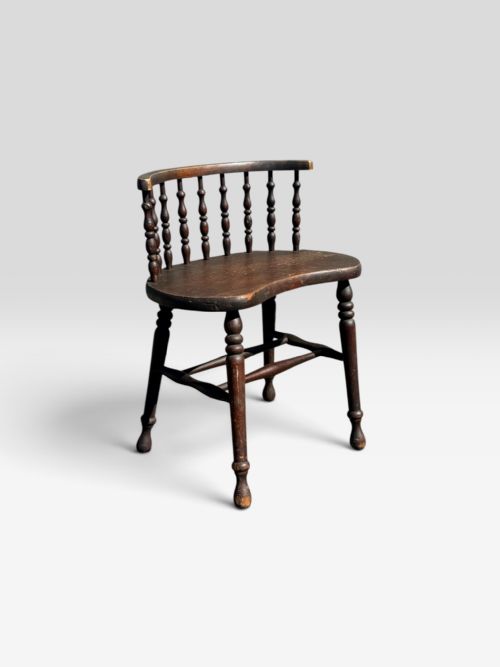
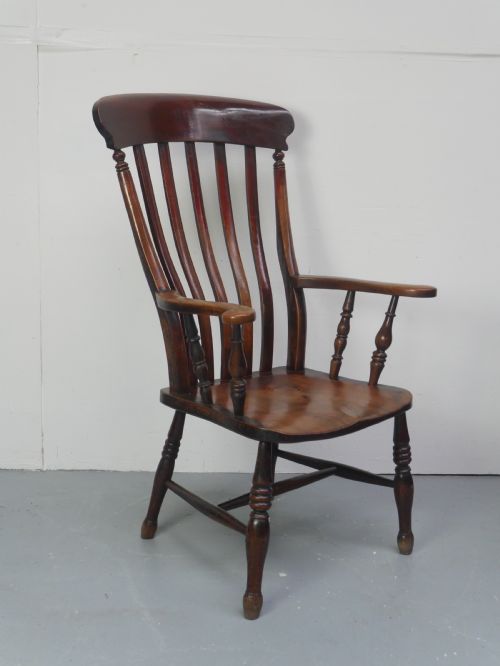
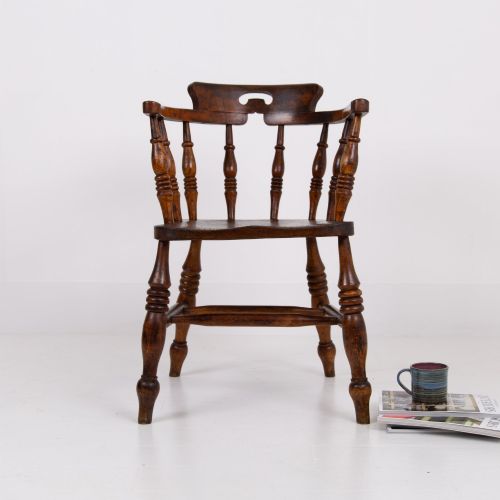
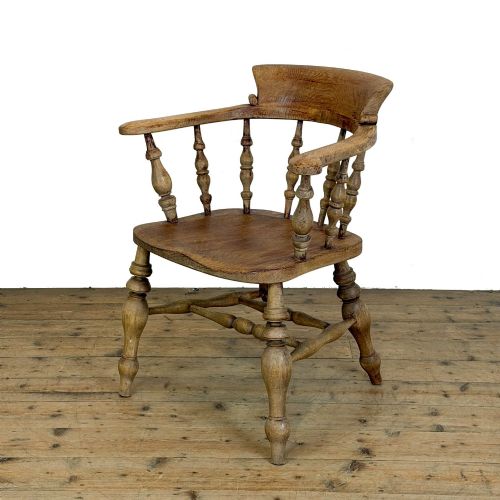
Makers built these chairs using distinct regional traditions, resulting in variations like the low back, the high back, and the smokers bow. Each form retains the signature central spindles supporting the arched back rail.
Materials and construction
Makers utilised a combination of native timbers, pairing elm for the thick saddle seats with ash or beech for the bent bows and turned legs. Yew wood appears in select examples, prized for its dense grain and warm reddish tone.
Construction relied on pole lathe turning and steam bending, where green wood was shaped while moist and left to dry into rigid curves. Components fit together using wedged tenon joints driven straight through the bored seat slab.
Bow Back Windsor Chair Retail Price Guide 2026
Typical asking prices for bow back windsor chair among the pieces listed under this phrase on Sellingantiques today, from the lower quarter to the upper quarter. They describe what is for sale here now, not the wider market.
Listings feature elm, ash, beech, and yew wood across Victorian, Georgian, and Edwardian periods.
Assessing quality and character
Quality rests in the sculpting of the solid elm seat, where deep saddle-moulding provides ergonomic comfort and visual depth. Thicker planking and robust undercarriages with well-turned stretchers separate superior examples from standard utility seating.
The integrity of the bentwood bow and the tightness of the wedged spindle joints determine structural longevity. Original surfaces, whether unpainted timber with timeworn patina or early brown paint, dictate the historical value of the piece.
John Brand of Sleaford
The Bow Back Windsor Chair Glossary
- Bow back
- A continuous piece of steam-bent wood forming the upper backrest and arms of the chair. This technique provides structural strength while maintaining an elegant curve.
- Saddle seat
- A wooden seat base carved into a concave shape resembling a horse saddle. Makers shaped elm for this purpose to enhance seating comfort.
- Smokers bow
- A low-backed Windsor variant featuring a rounded spindle rail suited for tavern or parlour use. These low armchairs are frequently called captain's chairs.
- Spindle
- A slender, turned wooden rod connecting the seat to the back bow or arm rail. Multiple spindles distribute weight evenly across the frame.
- Stretcher
- A horizontal wooden rod connecting the legs below the seat to reinforce the undercarriage. Turned stretchers prevent the legs from wobbling under heavy use.
Bow Back Windsor Chair: Frequently Asked Questions
What is the difference between a low back and a high back?
Low back chairs terminate below shoulder height, often featuring a continuous arm bow known as a smokers bow or captain's chair.
High back versions extend further to support the upper back and head, providing a more imposing silhouette in larger rooms.
Can I use these chairs at a dining table?
Many examples on this page function perfectly as dining seats, particularly sets originating from farmhouses and country kitchens.
Check the seat height and arm clearance to ensure the chair slides comfortably beneath standard table rims.
Why are some chairs made of yew wood?
Yew was selected for its exceptional strength and rich grain pattern, allowing makers to craft slender yet robust components.
Chairs utilising yew generally indicate higher production status and command greater interest among collectors.