
Rustic Wooden Seating
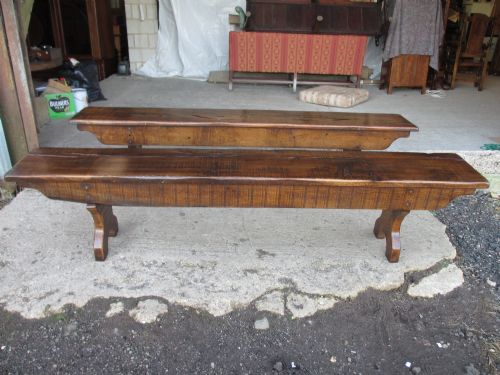
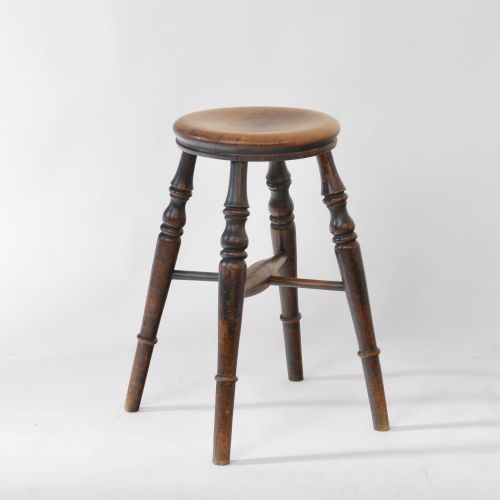
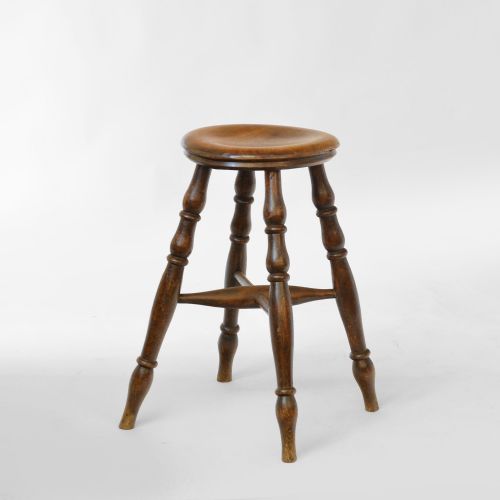
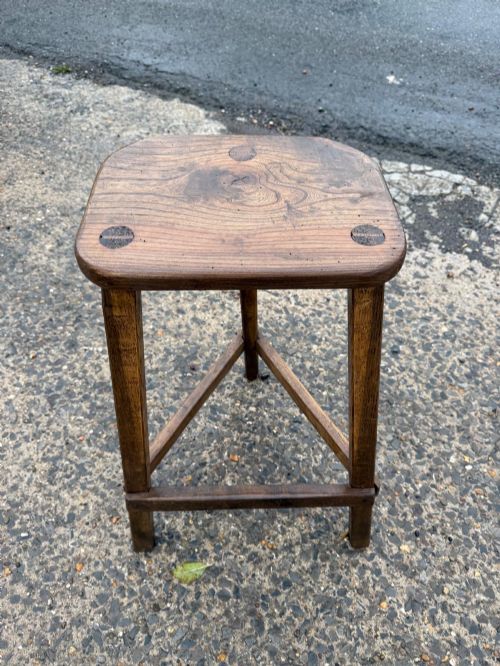
These examples of rustic wooden seating bring the honest craft of past centuries into modern rooms through solid construction and time-worn materials.

Rustic Wooden Seating
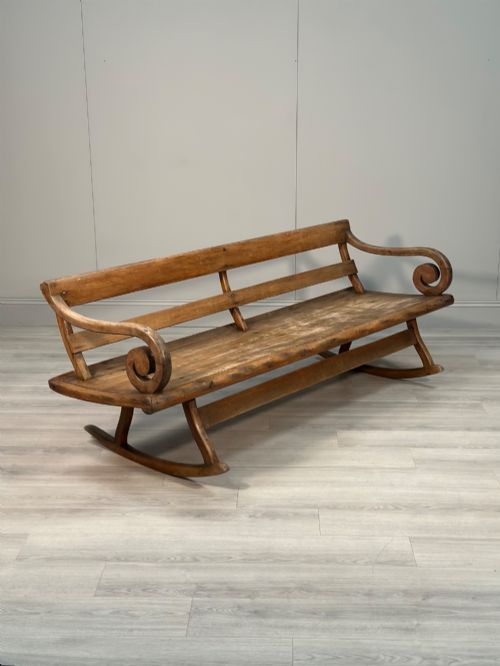
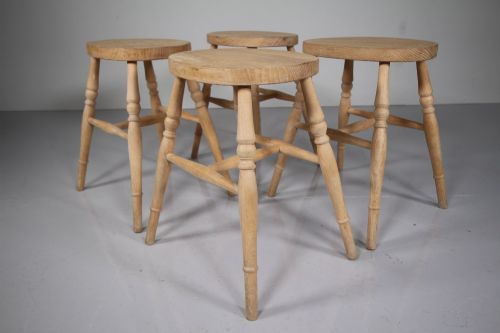
Rustic wooden seating encompasses a wide variety of practical household and tavern forms, ranging from single stools and dining chairs to long benches and settles. When searching for rustic wooden seating, buyers encounter pieces originating primarily from the eighteenth, nineteenth, and early twentieth centuries.
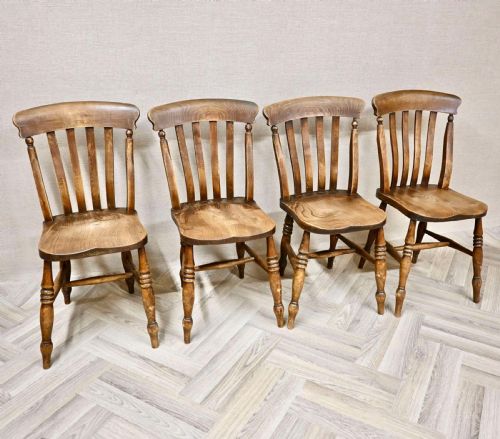
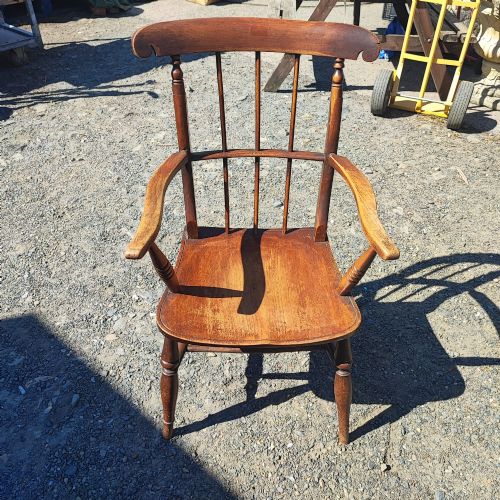
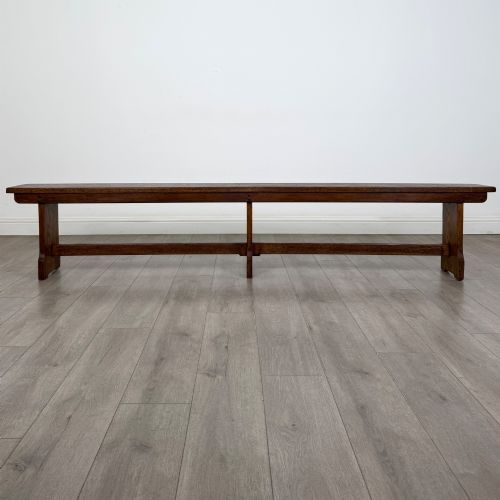
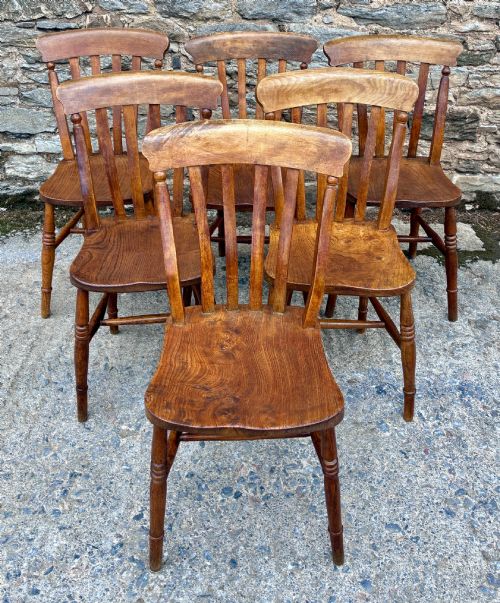
Makers often utilised local timbers to build sturdy seating, resulting in enduring forms like stick-back armchairs, lathe-back chairs, and heavy oak refectory benches. These pieces span periods from the Georgian era through the Victorian and Edwardian periods up to the nineteen-thirties.
Evaluating Quality
Quality in these pieces rests upon the integrity of the original construction and the degree of honest wear. Better examples maintain their structural rigidity without excessive modern intervention, retaining their original timber components and patination.
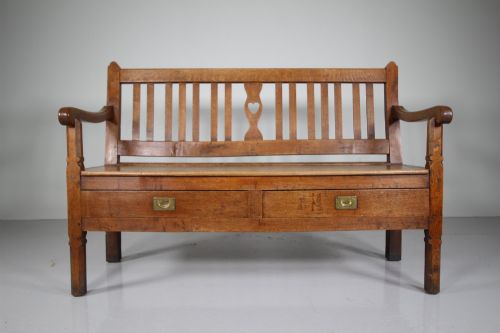
The refinement of the turning, the balance of the proportions, and the depth of the surface finish distinguish standard utility items from finer vernacular commissions. Pieces that display thoughtful carving, such as heart motifs or panelled backs, demonstrate greater craftsmanship within traditional formats.
Rustic Wooden Seating Retail Price Guide 2026
Typical asking prices for rustic wooden seating among the pieces listed under this phrase on Sellingantiques today, from the lower quarter to the upper quarter. They describe what is for sale here now, not the wider market.
Listings feature eighteenth, nineteenth, and early twentieth-century seating made from oak, elm, ash, beech, pine, and rush.
Philip Clissett
The Rustic Wooden Seating Glossary
- Settle
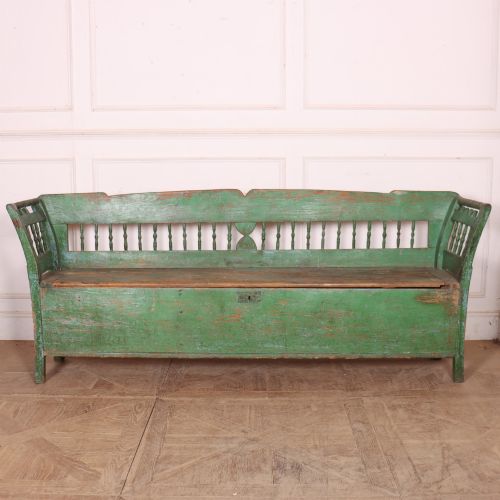
- A wooden bench with a high back, solid arms, and often a storage box beneath the seat, designed to keep out drafts in old farmhouses.
- Windsor chair
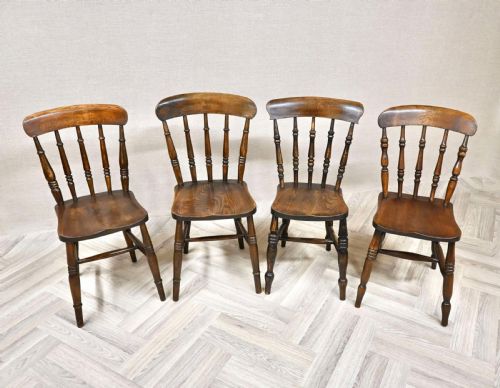
- A chair built with a solid wooden seat into which the legs and back spindles are directly bored and wedged.
- Joint stool
- A sturdy wooden stool constructed with mortise and tenon joints pegged together, common before the widespread use of chairs.
- Rush seat
- A seating surface woven from dried marsh rushes, commonly used in traditional ladder-back and arts and crafts chairs.
- Lathe back
- A chair back featuring vertical flat wooden slats turned or shaped on a lathe, providing robust support.
Rustic Wooden Seating: Frequently Asked Questions
What is a settle bench?
A settle is a high-backed wooden bench designed in centuries past to block cold draughts in farmhouse kitchens and hallways. Many feature enclosed storage boxes beneath the seat.
These pieces served as communal seating beside the hearth before upholstered sofas became common in domestic interiors.
How do I identify a Windsor chair?
Windsor chairs are characterised by a heavy, saddled wooden seat into which the legs and back spindles are independently inserted. They rely on the strength of turned wood rather than a continuous frame.
This construction method makes them remarkably sturdy and accounts for their enduring presence in country kitchens.
Where were tall bar stools used?
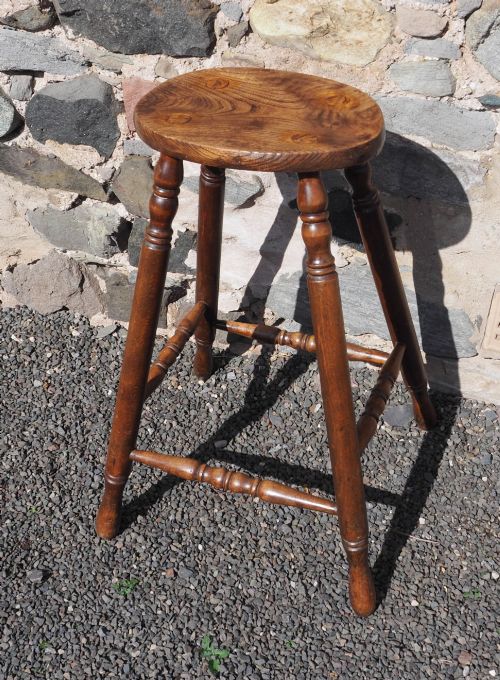
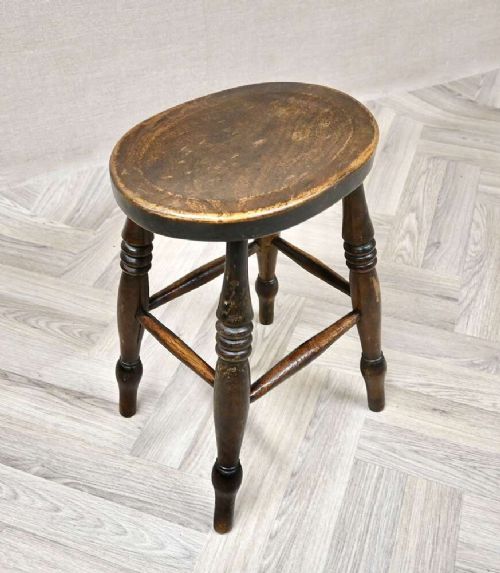
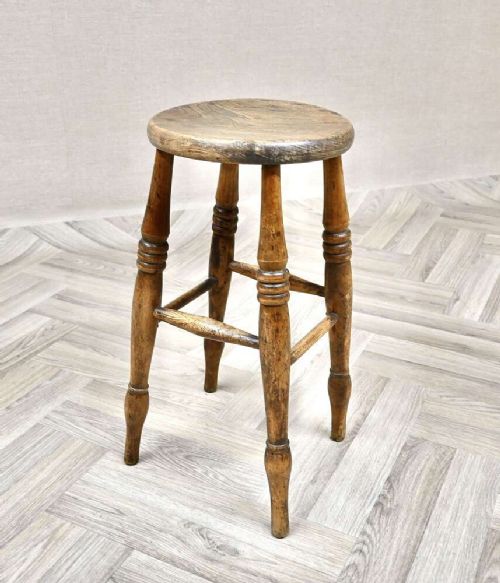
Tall bar stools and clerk's stools were constructed for commercial and institutional environments such as public houses, taverns, and offices. Their elevated seats accommodated high desks and tavern counters.
Today, they adapt easily to modern kitchen islands and breakfast bars while retaining their nineteenth-century utilitarian character.
Are rush seats durable?
Rush seats are woven from natural marsh plants, creating a textured and resilient surface that withstands daily use when properly maintained. They require protection from excessive moisture to prevent the material from becoming brittle.
Over decades, handled rush develops a smooth texture and a warm amber tone that reflects its age.