


Welsh Country Folk Art
Welsh country folk art brings honest utility and vernacular charm into a room, offering tactile pieces built by local hands for daily use.
Welsh Country Folk Art
When you search for Welsh country folk art, you encounter utilitarian objects and vernacular seating shaped by regional traditions. These pieces reflect practical domestic life rather than courtly fashion, relying on straightforward forms built for purpose.
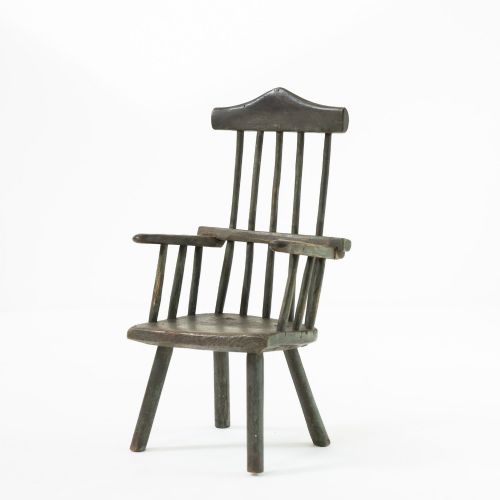
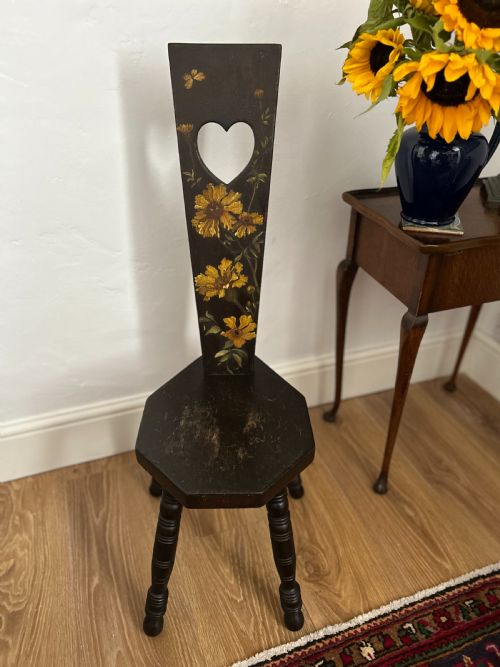
The versions you are most likely to meet on this page span the eighteenth and nineteenth centuries, including stick-back armchairs, spinning chairs, painted coffers, and treen bowl stands. They display regional character rooted in local workshops and domestic spaces.
How they were made
Makers utilised available timbers such as oak, elm, ash, fruitwood, and pine, selecting woods suited to structural demands. Seats and frames combine sturdy hardwoods with softer local conifers, shaped using traditional turning and joining techniques.
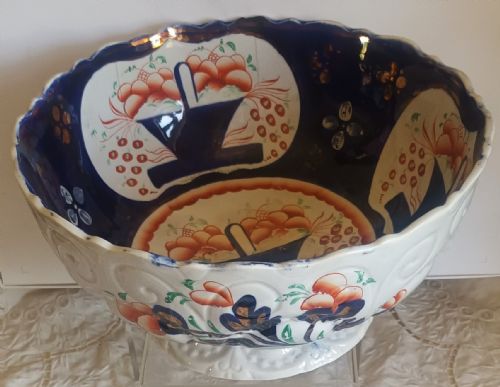
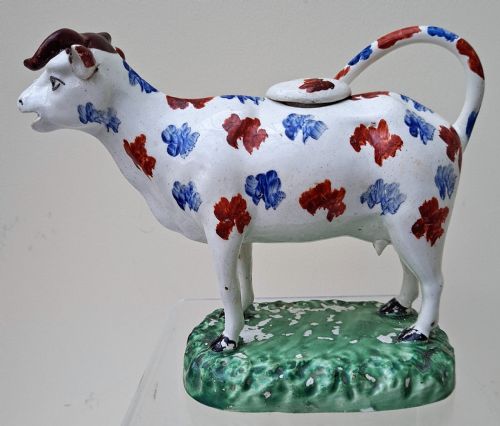
Surfaces often show historic paint layers, adding pigment to utilitarian items like knife sharpeners, cupboards, and small coffers. Earthenware pieces such as pottery bowls and cow creamers demonstrate regional ceramic traditions featuring hand-painted decoration and copper lustre.
The selection includes seating forms such as child's stick-back armchairs, comb-back armchairs, hoop-back stick chairs, and spinning chairs.
What varies in quality
The distinction between ordinary utility and finer folk art lies in the integrity of the surviving surface and the rhythm of the turning. Pieces retaining original painted finishes demonstrate greater aesthetic survival than those stripped to bare wood.
Proportion and structural honesty also separate standard items from superior examples. Armchairs with balanced stick backs or comb backs show a confident handling of local materials by makers working entirely without academic templates.
The Welsh Country Folk Art Glossary
- Vernacular
- Architecture or furniture built by local craftsmen using traditional regional methods and local materials, rather than following academic architectural styles. It prioritises utility and local habit over national fashion.
- Treen
- Small handmade wooden household objects such as bowls, stands, and spoons. These items gained a rich patina through decades of daily handling in domestic kitchens and dairy spaces.
- Comb-back
- A chair design where the vertical spindles of the backrest extend up through a top rail, resembling the teeth of a comb. This construction offers robust support in country seating.
- Stick-back
- A Windsor-style chair where the spindles are driven directly into a solid wooden seat. It represents a practical approach to chair building found across rural workshops.
- Copper lustre
- A type of pottery glaze incorporating metallic copper to create a reflective, iridescent surface. It appears on nineteenth-century earthenware vessels and decorative bowls.
Welsh Country Folk Art: Frequently Asked Questions
What defines Welsh country folk art?
These pieces comprise utilitarian furniture and household items made in rural Wales during the eighteenth and nineteenth centuries. They reflect local domestic needs and regional craft traditions.
Craftsmen built them using readily available woods like oak, elm, and pine, often finishing surfaces with hand-applied paint or leaving the timber plain.
How were stick-back armchairs used?
Stick-back armchairs served as sturdy everyday seating around the hearth or table in rural Welsh homes. Their practical construction provided durable support for daily domestic life.
Makers turned local timbers to form the legs, spindles, and arm supports, creating a resilient chair well-suited to farmhouse use.
How do I live with painted country furniture?
Living with painted pine and hardwood items involves placing them in environments where humidity and temperature remain stable. Original paint surfaces benefit from gentle dusting rather than harsh chemical cleaning.
These pieces integrate naturally into modern interiors, bringing warmth and texture through their honest construction and historic pigments.
How can I tell eighteenth-century pieces apart from nineteenth-century ones?
Distinguishing between periods relies on observing construction methods, tool marks, and timber selection. Eighteenth-century examples often display simpler, heavier joinery and distinct patination acquired through extended use.
Nineteenth-century items may incorporate more varied turning styles or decorative painting, such as the folk art patterns found on spinning chairs and small coffers.