




Nineteenth Century Child Chair
A nineteenth century child chair is a diminutive piece of social history, built down in scale for the nursery and parlour.
Nineteenth Century Child Chair
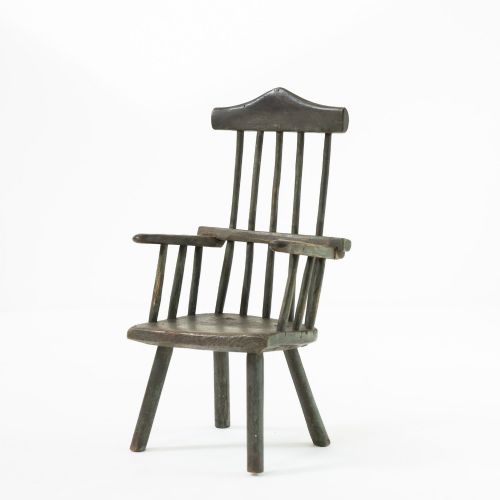
When you search for a nineteenth century child chair, you encounter a surprisingly varied group of seating created for the youngest members of the household. These domestic objects range from rustic country stick-backs and sturdy windsors to formal mahogany armchairs mounted upon matching stands.
The versions you are most likely to meet on this page span the domestic spectrum, including vernacular country chairs fashioned from mixed timbers like elm and ash, alongside more polished Victorian mahogany high chairs and occasional bamboo frames.
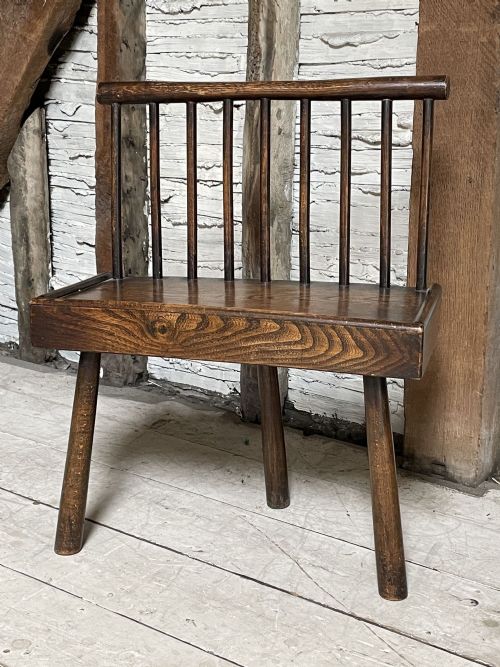
Some pieces double as convertible high chairs or incorporate clever stands to elevate the child to table height. Others take the form of primitive settles and low armchairs designed for nursery hearths.
How they were made
Maker-craftsmen built these chairs using native hardwoods suited to daily nursery use, turning spindles and bending timber for strength. Elm frequently provided a tough, split-resistant seat, while ash and beech formed responsive stick backs and legs.
Cabinetmakers deployed fine mahogany for more formal examples, often incorporating upholstery in fabric or leather. Paint, ebonising, and occasional bamboo work also surface across different aesthetic traditions of the period.
Listings feature woods spanning elm, ash, mahogany, beech, oak, and yew, alongside painted and ebonised finishes.
What varies in quality
The distinction between a standard utility seat and a finer piece lies in the ambition of the design and the integrity of the joinery. Refined proportions and thoughtful turning elevate an ordinary nursery chair into an engaging example of vernacular art.
Timber selection plays a major part in the character of these objects, particularly where contrasting woods like yew and elm combine within a single windsor frame. Original surfaces, such as untouched old paint or deep polished patina, preserve the historical authenticity of the piece.
The Nineteenth Century Child Chair Glossary
- Windsor
- A chair built with a solid wooden seat into which the legs and back spindles are separately tenoned. This construction method offers great structural rigidity.
- Stick-back
- A simplified chair design where turned wooden rods form the back rest. These uprights slot directly into the seat rail or plank.
- High chair
- Elevated seating designed to raise a child to table height during meals. Many incorporate footrests and enclosing safety rails.
- Vernacular
- Localized domestic furniture built by regional carpenters rather than urban cabinetmakers. These pieces rely on traditional, practical construction techniques.
- Ebonising
- A finishing process that stains light wood to resemble expensive ebony. It gained popularity during the nineteenth century aesthetic movement.
Nineteenth Century Child Chair: Frequently Asked Questions
How were these chairs actually used?
These small seats served practical daily functions in the nineteenth-century household, from feeding toddlers at high tables to keeping children safely seated near the nursery fire.
Many designs adapted to the growing child, with some high chairs featuring removable frames or stands to convert into lower play chairs.
Are these chairs safe for children today?
While these pieces were built sturdily for historical domestic life, modern safety standards differ considerably from nineteenth-century practices. Most surviving examples function best as decorative objects or collections rather than for active infant seating.
Collectors appreciate them for their craftsmanship and social history rather than nursery utility.
How do I identify the wood used?
Examining the grain pattern and weight helps distinguish between native timbers like elm, ash, and oak. Elm often displays a distinctive swirling grain pattern on the seat, while ash provides straight, pale fibres for turned spindles.
More formal pieces utilise dense mahogany or rich yew wood to create a striking visual presence.
What defines the country vernacular style?
Country vernacular furniture relies on local materials and traditional regional building methods rather than fashionable metropolitan patterns. These pieces prioritise functional durability and honest construction over decorative excess.
As a result, each chair often displays subtle quirks reflecting the individual maker's hand.