


Victorian Aesthetic Furniture
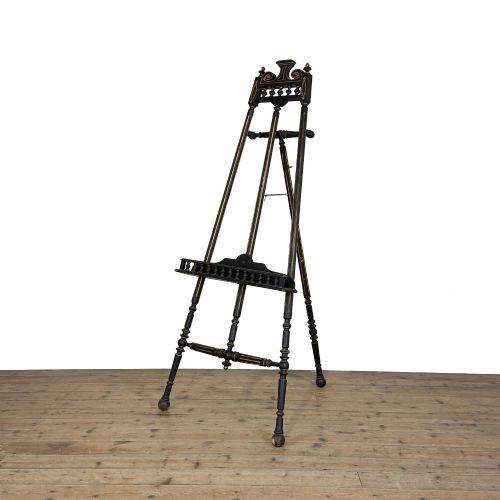
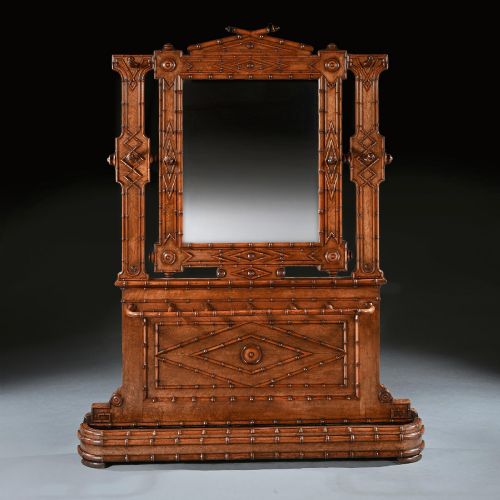
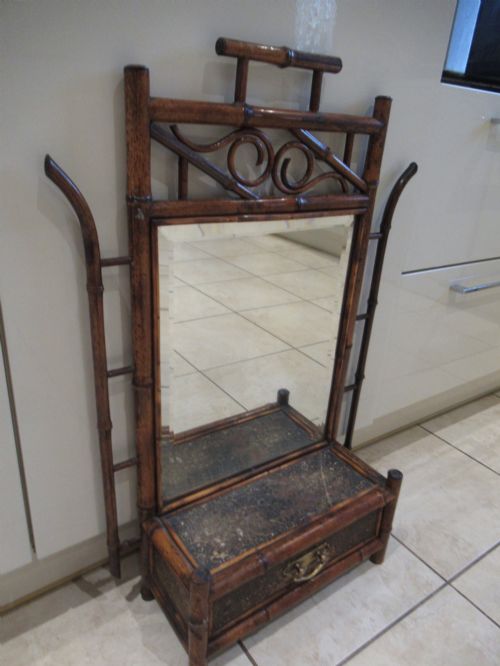
Victorian aesthetic furniture brings together ebonised wood, bamboo and Japonisme motifs to create striking interiors inspired by the late nineteenth century.
Victorian Aesthetic Furniture
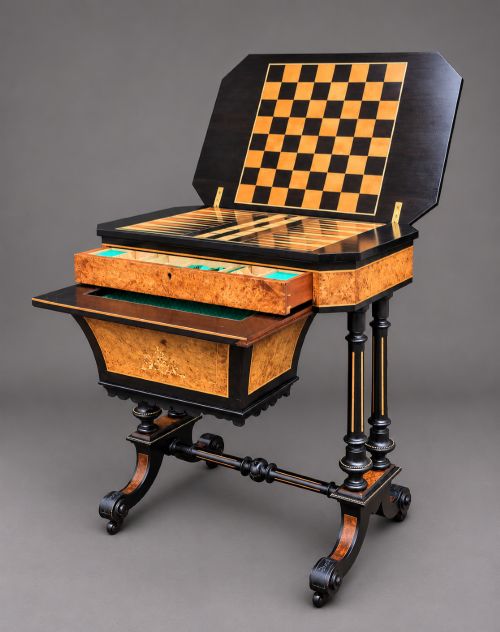
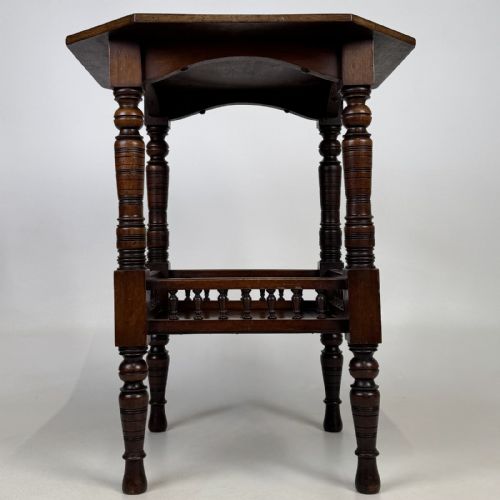
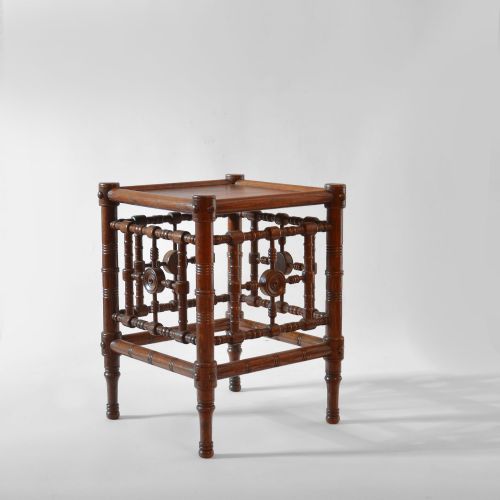
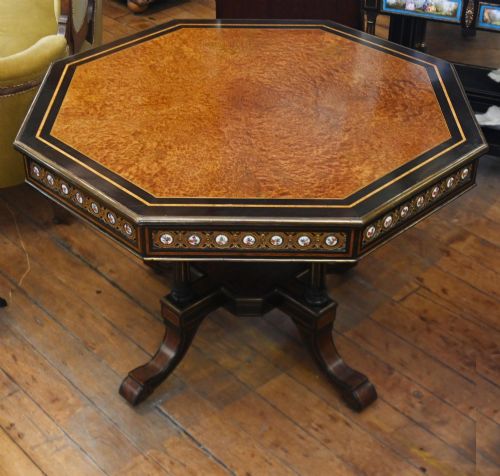
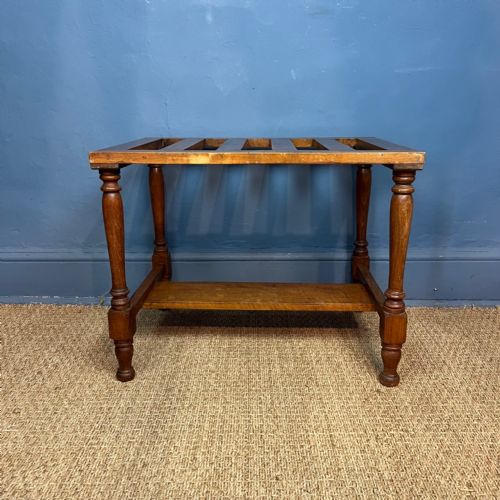
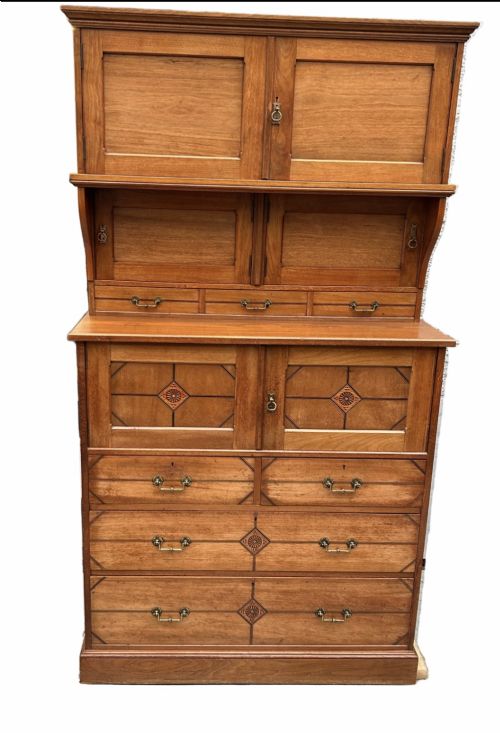
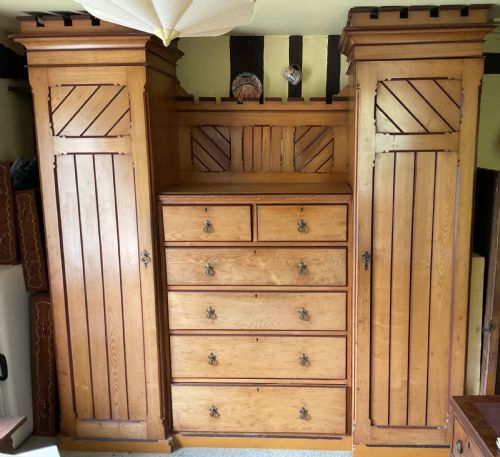
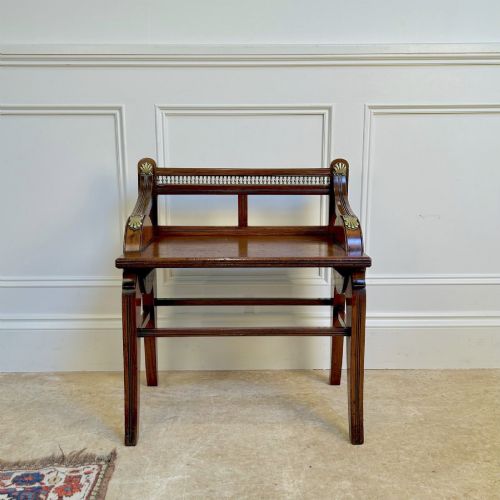
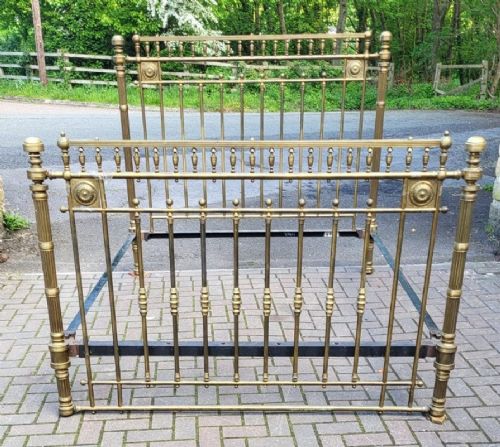
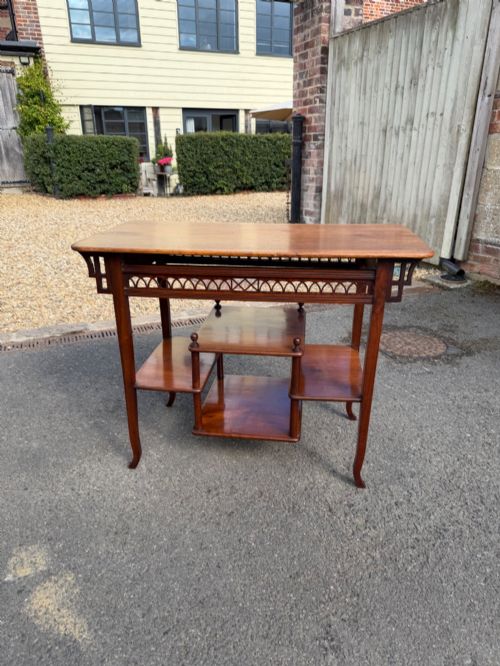
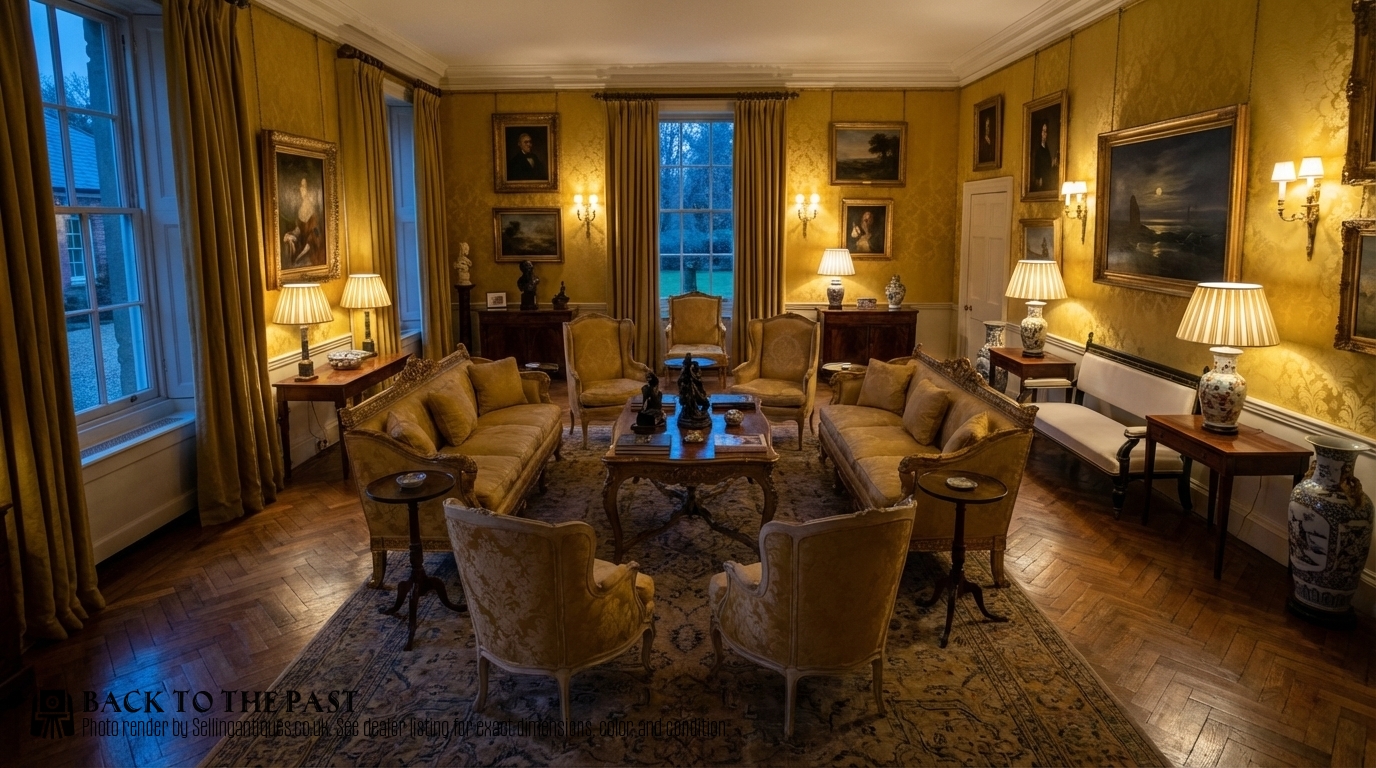
Victorian aesthetic furniture encompasses eclectic household pieces produced during the late nineteenth century, reflecting a distinct shift away from heavy, conventional Victorian revival styles towards lighter, art-focused design. Pieces on this page span the 1870s to the early twentieth century and include occasional tables, hall stands, desks, and bedroom suites.
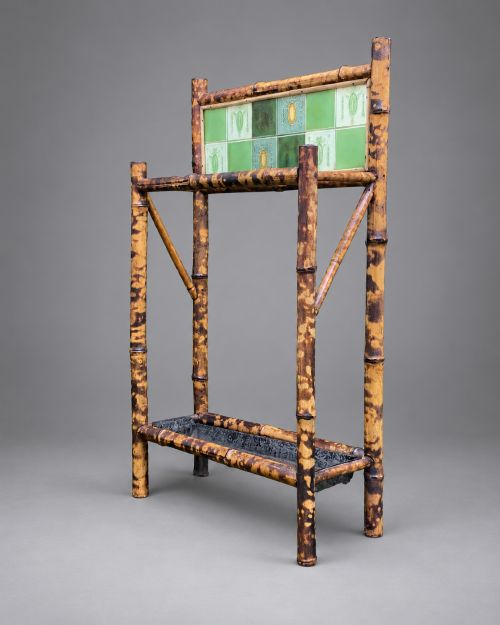
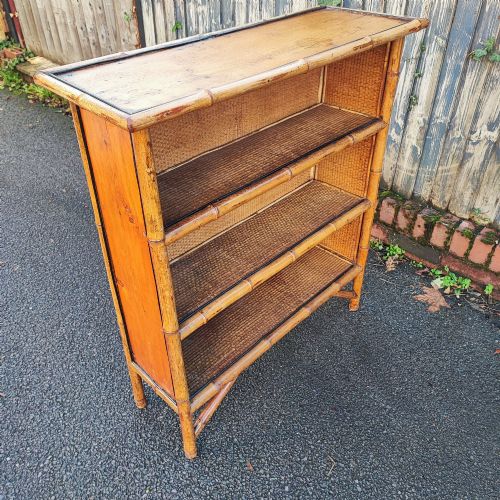
Buyers encounter a strong presence of ebonised wood finishes alongside bamboo frames and Japonisme details. Forms range from simple occasional tables and magazine racks to large sideboards and complete bedroom suites.
Influenced by the Aesthetic Movement, these items often incorporate French aesthetic elements, Moorish Revival inlays, and parcel gilding. The selection balances practical domestic utility with a deliberate artistic statement.
How they were made
Materials recorded in the listings combine traditional cabinet timbers like oak, walnut, mahogany, and pollard oak with exotic or alternative mediums such as bamboo, faux bamboo, and ebonised wood. Cabinetmakers applied parcel gilding, lacquer, and intricate inlays to enhance surfaces.
Construction techniques balanced sturdy core joinery with decorative flair, utilising glass panels for display cabinets and mirrors for hall stands and sideboards. Bamboo and faux bamboo frames relied on specialised bending and binding methods to achieve lightweight yet stable structures.
Victorian Aesthetic Furniture Retail Price Guide 2026
Typical asking prices for victorian aesthetic furniture among the pieces listed under this phrase on Sellingantiques today, from the lower quarter to the upper quarter. They describe what is for sale here now, not the wider market.
Several bamboo pieces feature clever folding mechanisms, ready for a Victorian parlor guest who needed a sudden place to rock.
What varies in quality
Quality rests upon the execution of surface treatments, such as the depth and smoothness of ebonisation, the precision of parcel gilding, and the complexity of inlaid wood or Moorish motifs. Finer pieces demonstrate superior timber selection, including pollard oak, amboyna, and birdseye maple.
The reputation of the maker heavily influences distinction, with pieces attributed to established firms holding significant design interest. Structural integrity in lighter forms, particularly bamboo items and folding rocking chairs, marks the difference between standard production and superior craftsmanship.
Hindley and Sons·Waring and Gillows·Druce and Co London·Lamb of Manchester·Liberty and Co
The Victorian Aesthetic Furniture Glossary
- Ebonised wood
- Timber stained or painted to resemble ebony, frequently utilised in nineteenth-century design to provide a dark, uniform surface that contrasted with gilt details.
- Japonisme
- The influence of Japanese art and design on Western decorative arts, prominent in late Victorian furnishings through asymmetry and natural motifs.
- Parcel gilded
- Partially covered in gold leaf or gilt, highlighting specific carved details, mouldings, or inlays against a contrasting dark background.
- Canterbury
- A low, freestanding rack traditionally used for holding sheet music or magazines, often constructed from bamboo or ebonised wood in aesthetic period pieces.
- Étagère
- A set of open shelves for displaying small ornaments and decorative objects, popular in late nineteenth-century interiors.
Victorian Aesthetic Furniture: Frequently Asked Questions
What defines Victorian aesthetic furniture?
This furniture draws on late nineteenth-century design principles that prioritised artistic visual appeal over strict historical revivalism. It employs dark ebonised finishes, bamboo, and decorative motifs inspired by Japanese and Moorish aesthetics.
Items range from everyday occasional tables and hall stands to comprehensive bedroom suites, all sharing a focus on decorative surface detail and lighter silhouettes.
How do I care for ebonised wood?
Ebonised surfaces require gentle dusting with a soft, dry cloth to prevent the accumulation of abrasive particles. Avoid placing pieces in direct sunlight or near heat sources to protect the dark finish from fading.
Moisture should be kept away from the timber, and any cleaning products must be suitable for antique polished wood surfaces.
Where were bamboo pieces used?
Bamboo and faux bamboo items served as versatile, lightweight additions to Victorian drawing rooms, bedrooms, and hallways. Their airy construction made them popular for casual seating, occasional tables, and convenient magazine racks.
They brought an exotic, global influence into domestic spaces during the late nineteenth century.
How can I identify the period?
Dating relies on stylistic markers associated with the Aesthetic Movement and manufacturing techniques of the 1870s through the early 1900s. The presence of Japonisme, specific joinery methods, and recorded materials help place items within the Victorian era.
Maker attributions and stamps can further pinpoint the exact decade of production.