
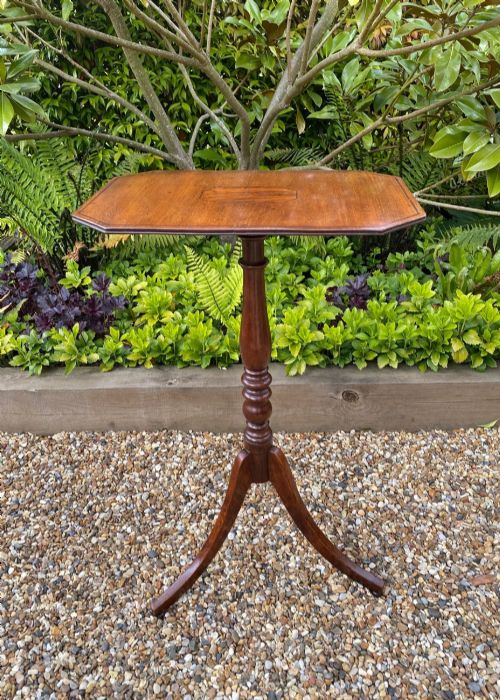
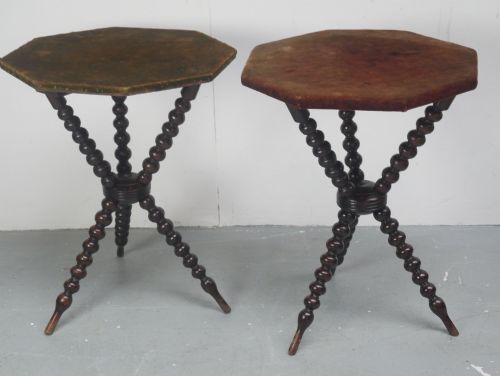
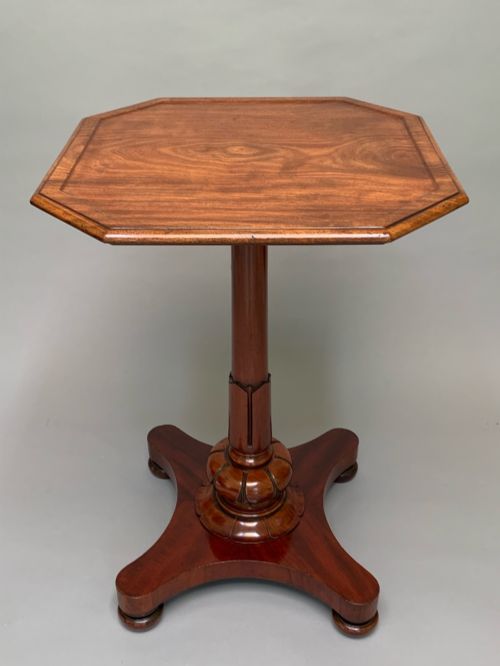
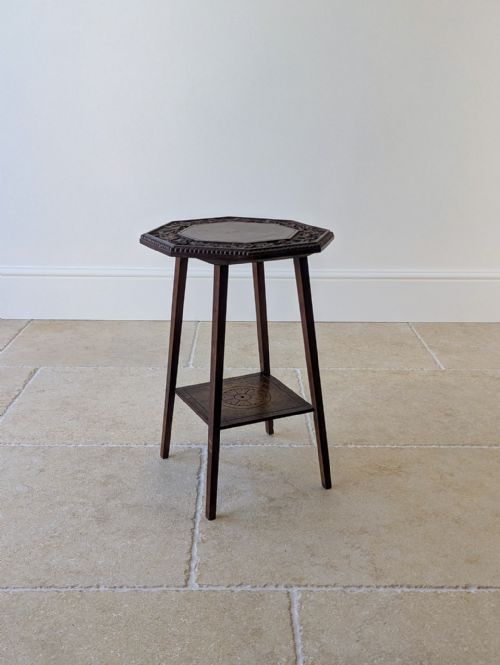
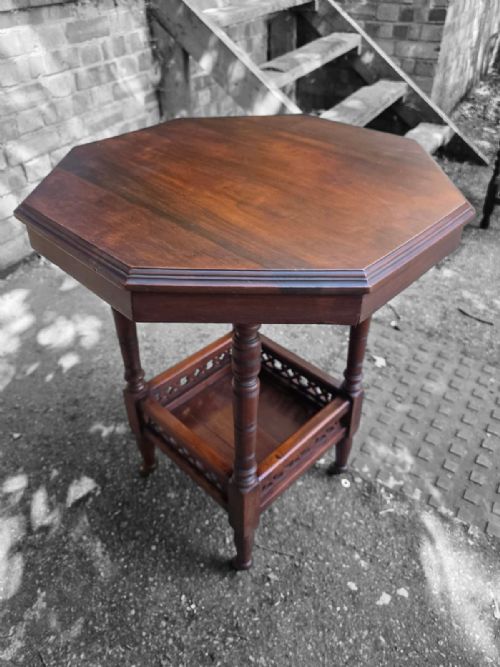
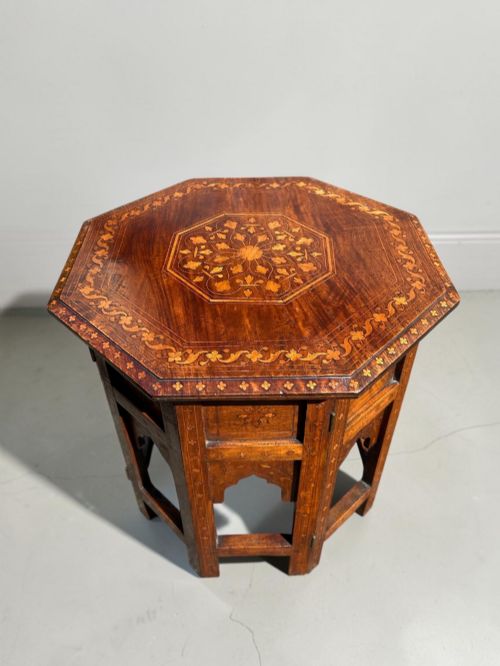
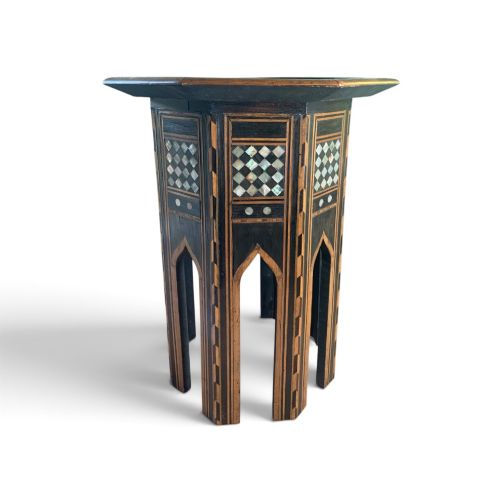

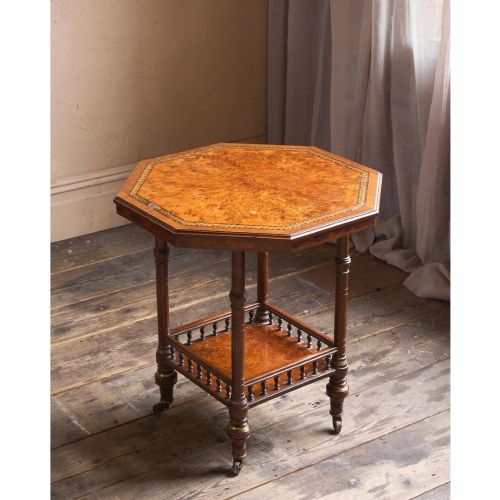
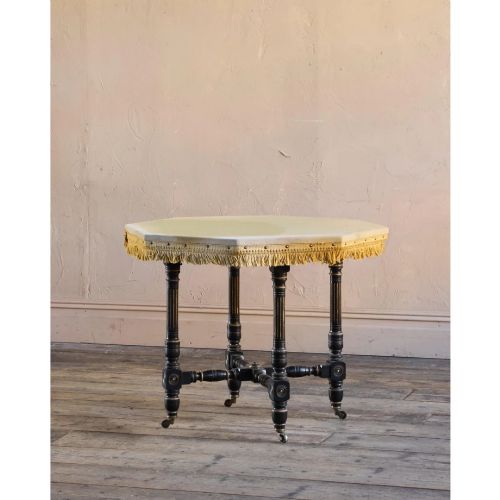
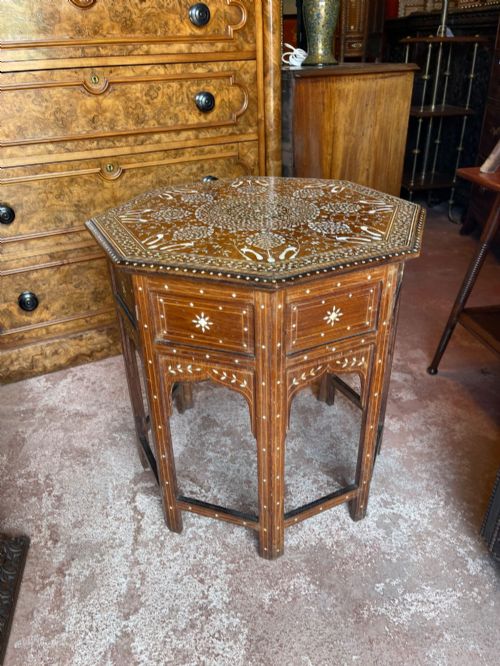
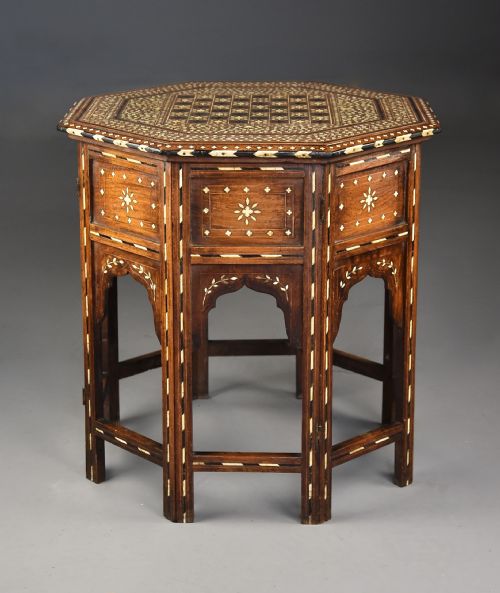
Victorian Octagonal Side Table
When you search for a victorian octagonal side table, you find multi-sided surfaces spanning domestic English parlours and imported exotic workshops.
Victorian Octagonal Side Table
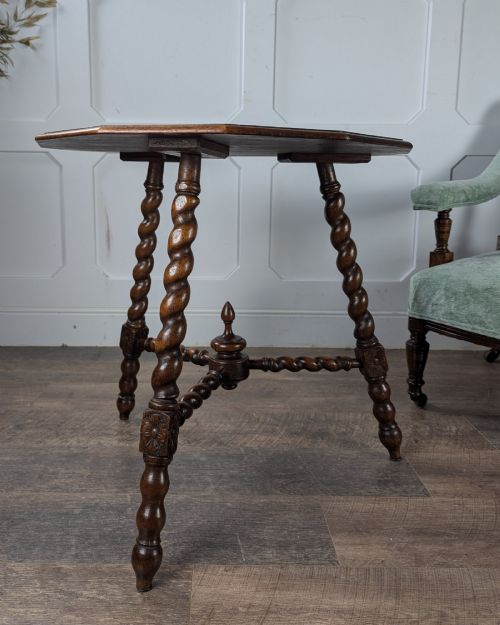
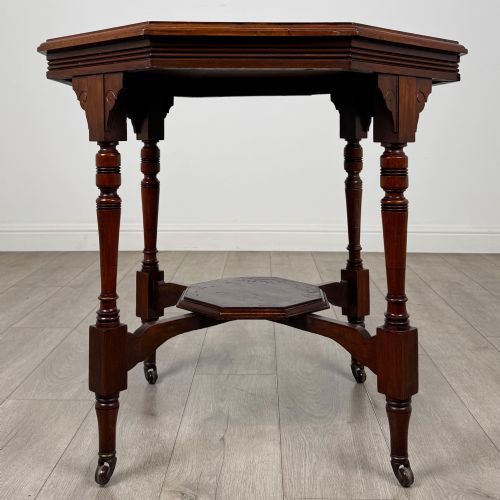
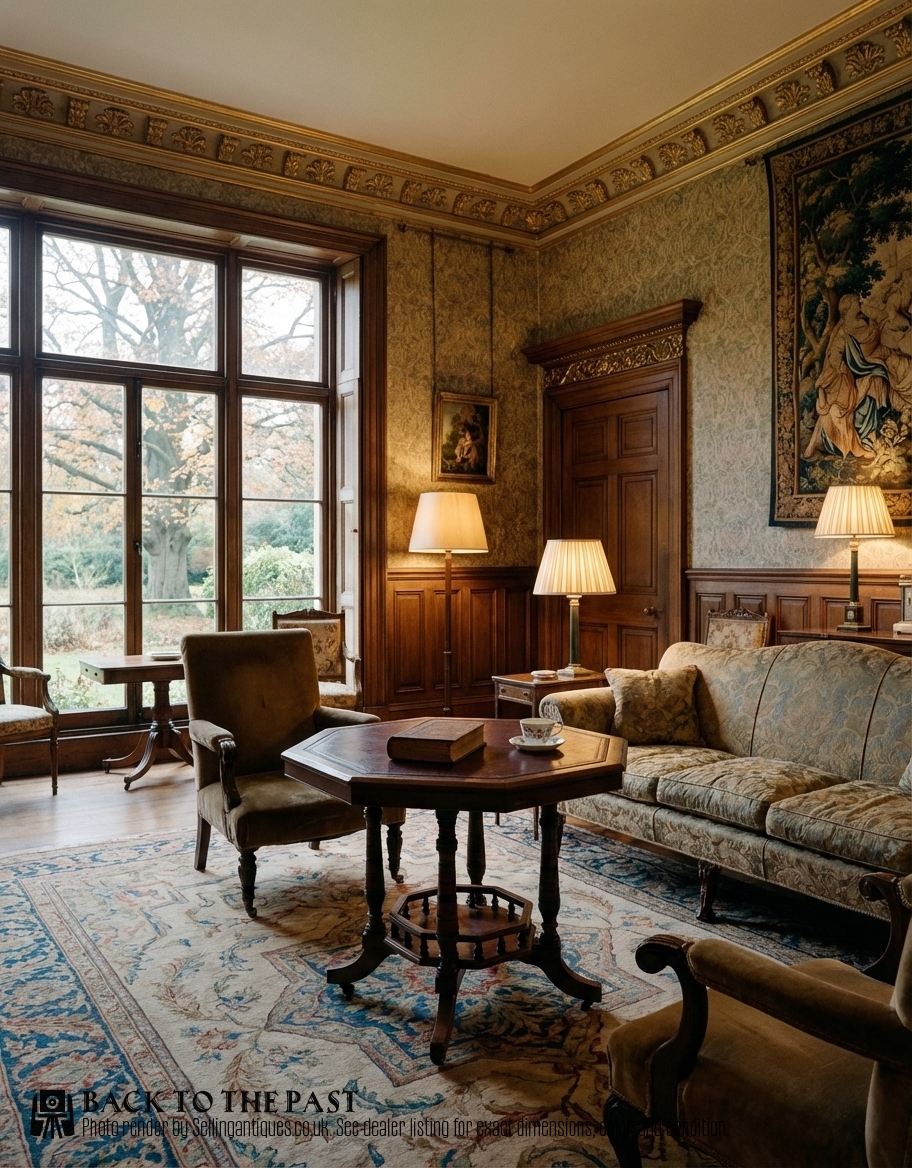
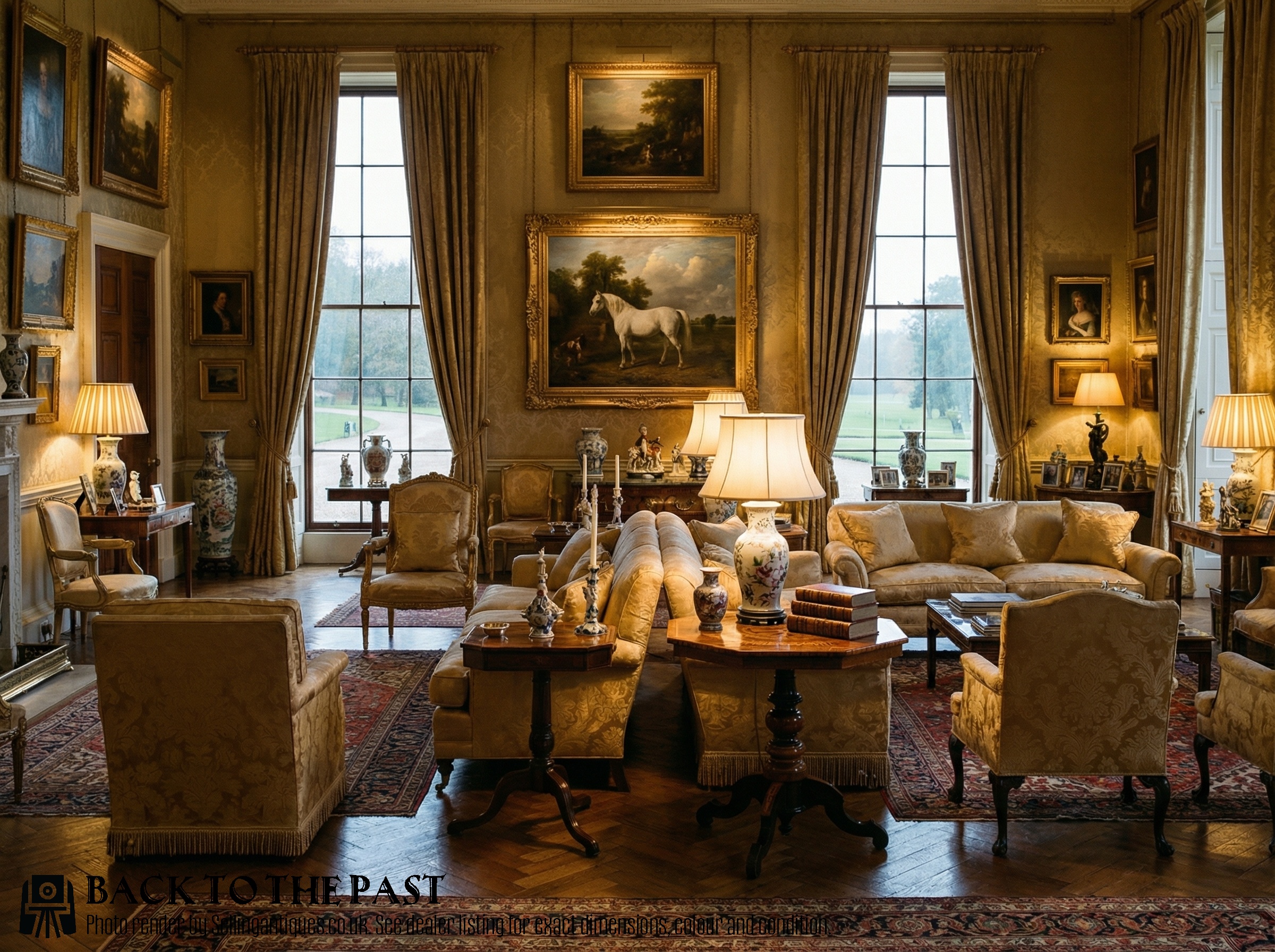
A victorian octagonal side table serves as a compact surface for lamps, books, and ornamental displays within nineteenth-century interiors. These pieces appear frequently in domestic settings, often taking the form of occasional tables or centre tables placed beside seating.
The materials and construction reflect both British cabinet-making traditions and imported styles from Anglo-Indian and Moorish workshops. Makers utilised dense hardwoods and intricate geometric shapes to suit the eclectic tastes of the period.
How They Were Made
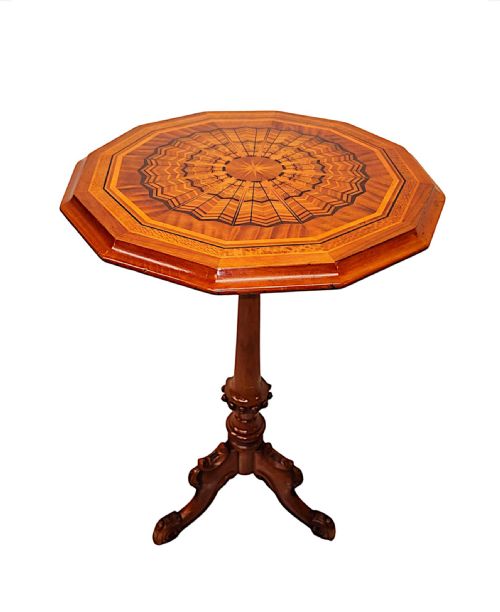
Carpenters constructed these items using solid timbers such as mahogany, walnut, and rosewood, frequently applying wood inlay and marquetry across the top surface. Selected pieces incorporate brass, bone, or satinwood to delineate complex patterns along the eight-sided edges.
Imported examples from Hoshiarpur and other regions utilise intricate hand-carving in teak, padauk, and exotic hardwoods. These pieces rely on interlocking panels and intricate fretwork rather than standard western joinery methods.
Victorian Octagonal Side Table Retail Price Guide 2026
Typical asking prices for victorian octagonal side table among the pieces listed under this phrase on Sellingantiques today, from the lower quarter to the upper quarter. They describe what is for sale here now, not the wider market.
Some tables double as sewing trumpets, concealing hidden compartments for yarn beneath their octagonal lids.
What Varies in Quality
Structural integrity depends on the stability of the multi-sided joint work and the preservation of inlaid elements. Tables retaining their original polish and undamaged geometric details demonstrate superior original manufacture.
Gillows·Liberty and Co·Hindley and Sons
The Victorian Octagonal Side Table Glossary
- Marquetry
- Inlaid patterns applied to furniture using various tinted woods to create pictorial or geometric designs. This technique decorates many tabletop surfaces.
- Occasional table
- A small, movable table intended for specific, intermittent use within a room. These formats include lamp stands and display pieces.
- Aesthetic Movement
- A late nineteenth-century design style emphasising visual beauty over narrative content. Pieces from this movement often feature ebonised finishes and incised detailing.
- Hoshiarpur
- A North Indian city renowned for intricate wood carving and inlay work using brass and bone. Tables from this tradition feature dense foliage and geometric patterns.
Victorian Octagonal Side Table: Frequently Asked Questions
Where were these tables placed?
These tables sat beside armchairs, in the centre of Victorian drawing rooms, or against walls to hold lamps and decorative objects. Their compact multi-sided footprint allowed them to fit into corners where square furniture proved impractical.
Larger versions functioned as centre tables for display, while smaller occasional variants moved easily around the home to support reading materials or sewing implements.
How do I identify Anglo-Indian pieces?
Anglo-Indian pieces feature dense, all-over hand-carved foliage and geometric fretwork executed in exotic hardwoods like padauk and teak. Many incorporate intricate bone or brass wire inlay along the eight-sided top.
These items arrived in Britain during the nineteenth century, reflecting colonial trade routes and a strong domestic demand for exotic imported furnishings.
What distinguishes Aesthetic Movement examples?
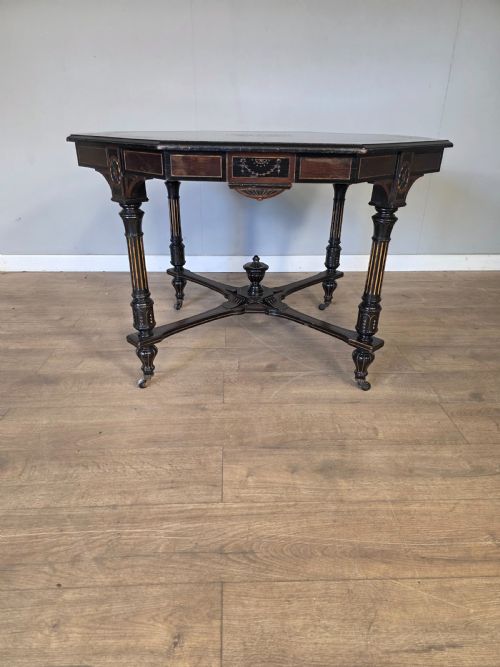
Aesthetic Movement tables typically display ebonised wood surfaces with subtle gilt highlights, incised linework, or Japanese-inspired decorative motifs. They focus on clean architectural lines rather than heavy Victorian ornamentation.
Cabinet-makers working in this style embraced simplicity and artistic craftsmanship, creating dark, striking silhouettes that contrasted with traditional polished mahogany.
How should I care for inlaid tops?
Maintain inlaid surfaces by dusting regularly with a soft, dry cloth and avoiding excessive moisture or direct sunlight that might dry out the timber. Applying appropriate wax feeds the wood without damaging delicate brass or bone inserts.
Keep these tables away from direct heat sources to prevent the shrinkage that causes individual inlay pieces to loosen from their recesses.