

Ebonised Hall Table
An ebonised hall table brings dark, dramatic presence to an entranceway, prized for its sleek black finish and striking classical or aesthetic lines.
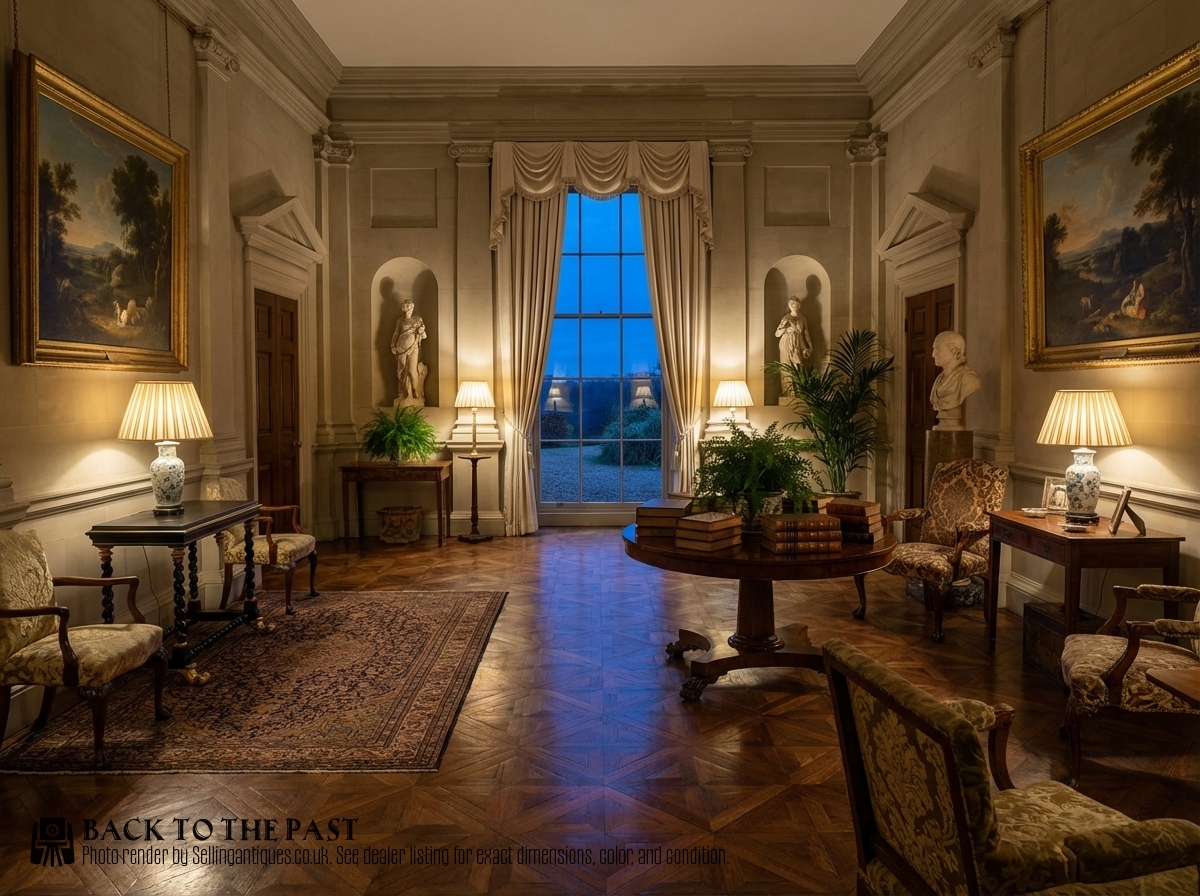
Ebonised Hall Table
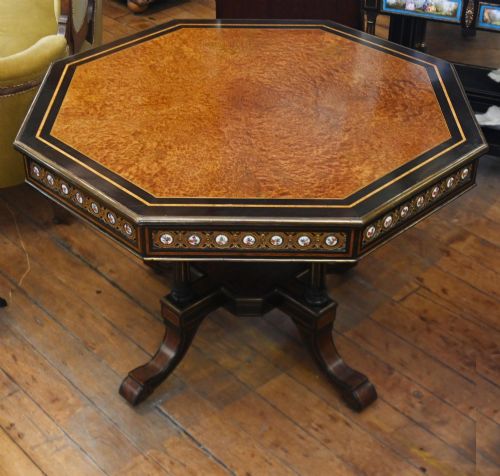
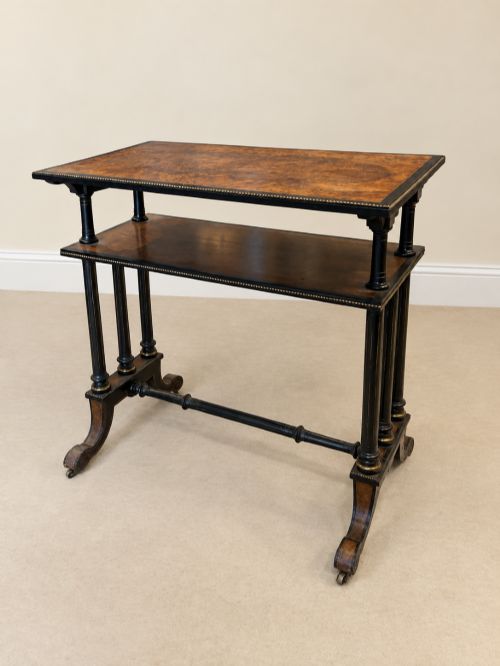
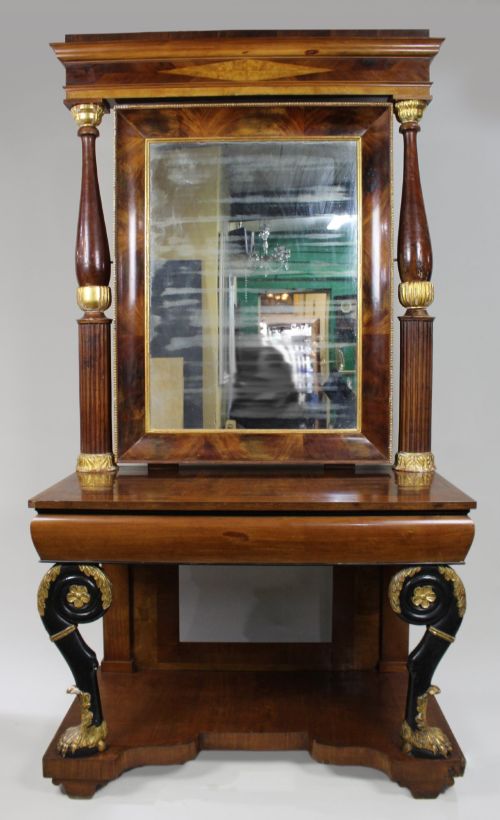
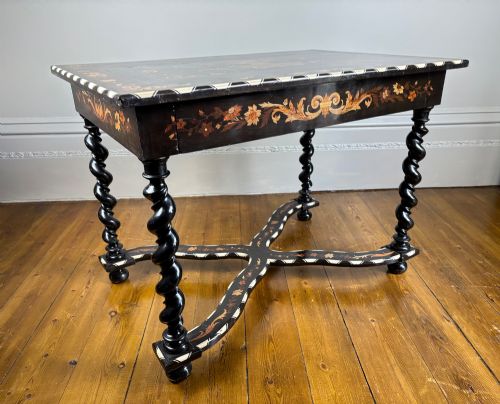
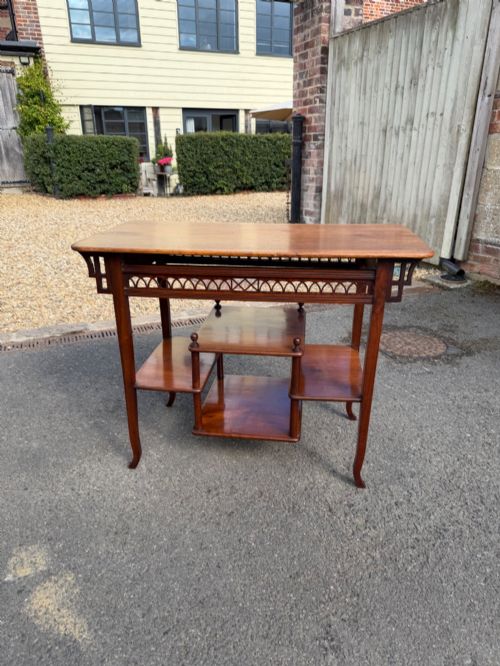
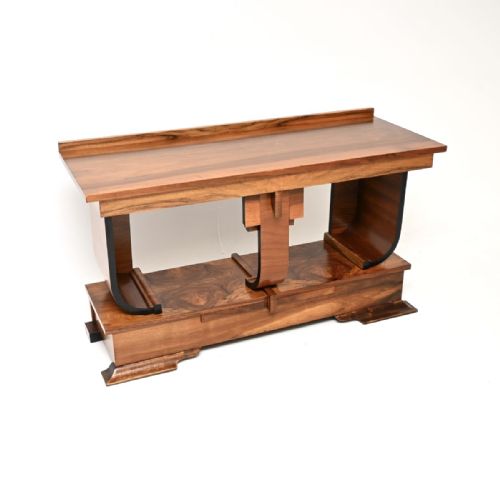
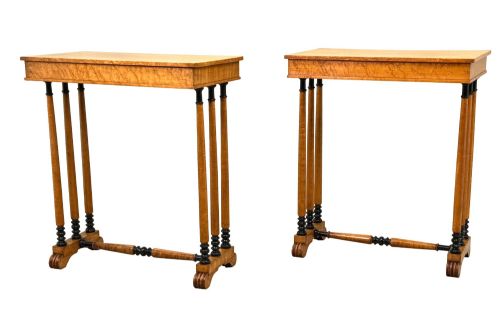
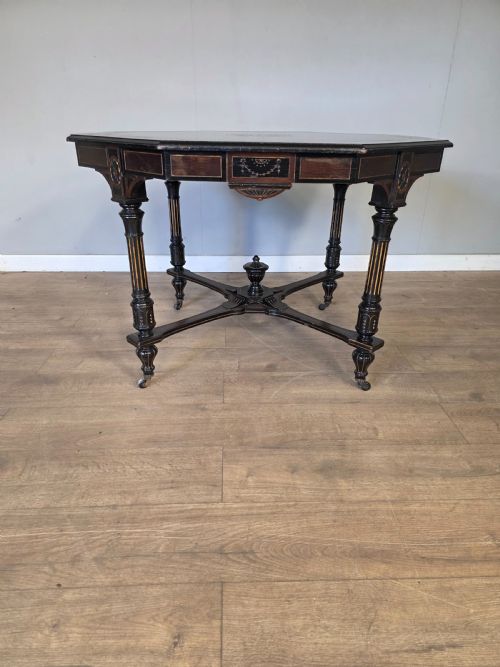
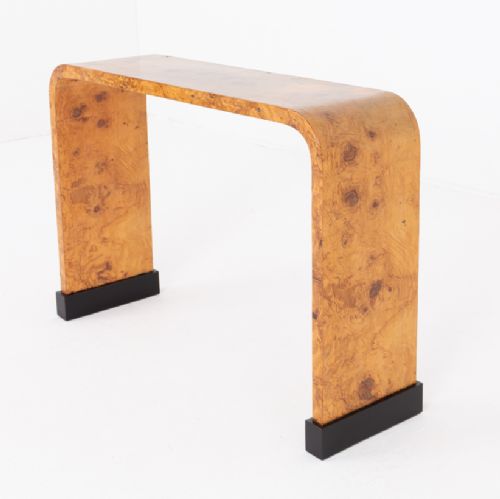
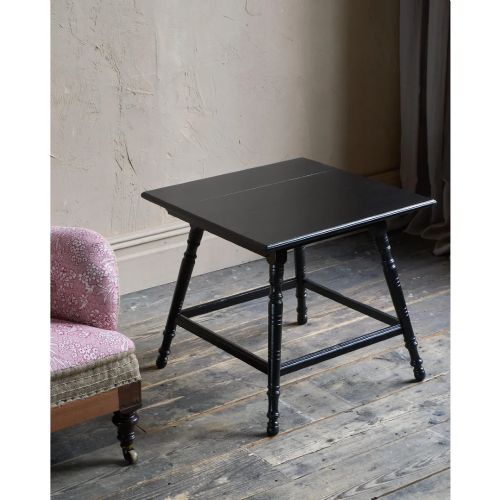
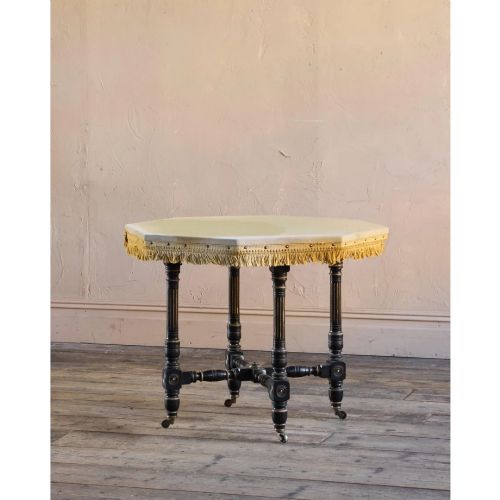
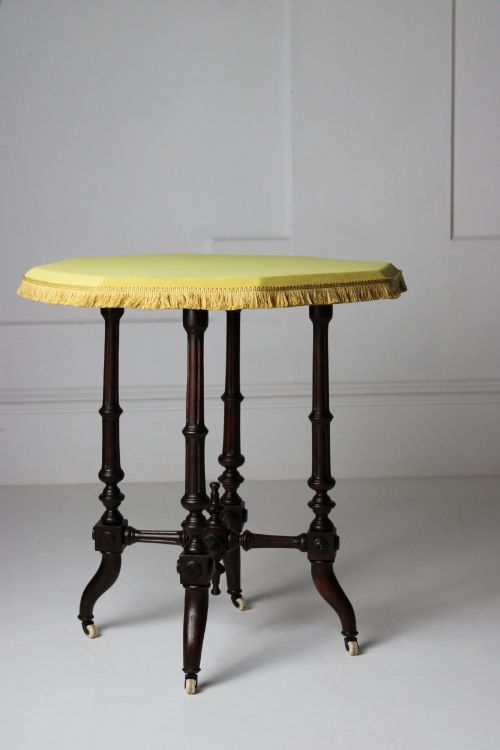
An ebonised hall table is a narrow or compact surface designed for an entrance, rendered in timber finished to resemble ebony. These pieces turn up in forms spanning centre tables, console and hall tables, and side tables.
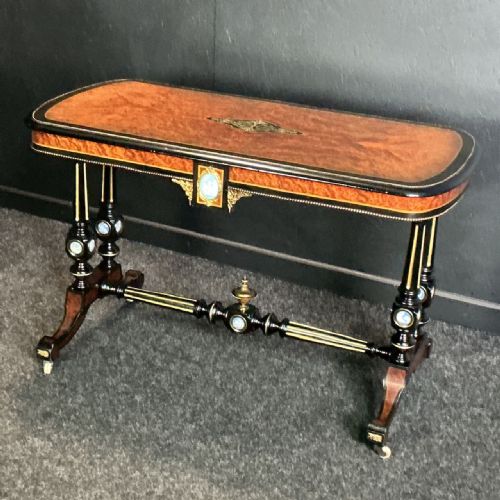
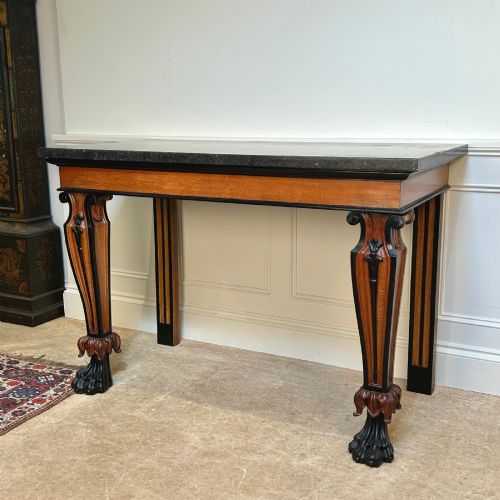
The aesthetic of an ebonised hall table draws heavily on Victorian, Regency, and nineteenth-century design vocabularies. Pieces range from austere black lacquer and stained birch to richly embellished examples with giltwood highlights and brass mounts.
Buyers frequently encounter these tables aligned with the Aesthetic Movement or Baroque Revival styles. Such examples showcase the Victorian appetite for dark furniture that contrasts sharply with light-coloured interiors.
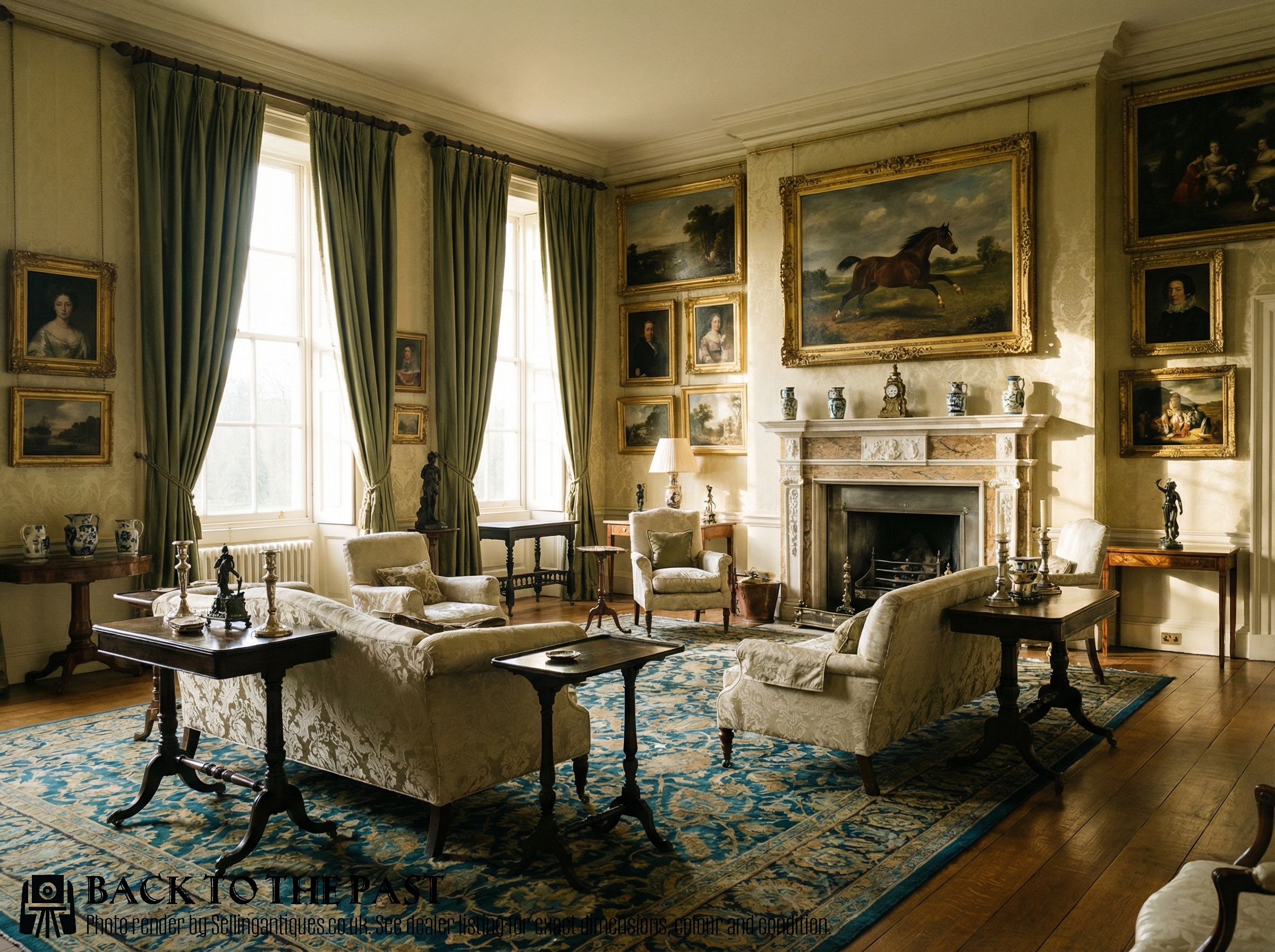
How they were made
The construction relies on woods such as ebonised timber and stained birch, which are carefully darkened and polished to achieve a dense, light-absorbing black surface. Cabinetmakers sometimes applied parcel gilding or giltwood details to create dramatic contrast against the dark body.
Fine hardware and mounts complete the construction, notably cast solid brass sabots that cap the legs. Makers also integrated materials like amboyna and brass to add texture and subtle colour variation to the finished furniture.
Ebonised Hall Table Retail Price Guide 2026
Typical asking prices for ebonised hall table among the pieces listed under this phrase on Sellingantiques today, from the lower quarter to the upper quarter. They describe what is for sale here now, not the wider market.
Some nineteenth-century makers evidently decided that solid brass feet were simply not grand enough without a gleaming coat of parcel gilding right above them.
What varies in quality
The distinction between ordinary and exceptional work rests on the depth of the ebonising finish and the crispness of any applied carving or parcel gilding. Superior examples employ finer timber substrates like birch or amboyna under the dark finish, rather than cheaper secondary woods.
Detailing such as cast solid brass sabots separates standard production from high-end cabinet work. The handling of style, whether through restrained Aesthetic Movement lines or bold Baroque Revival curves, dictates the sophistication of the piece.
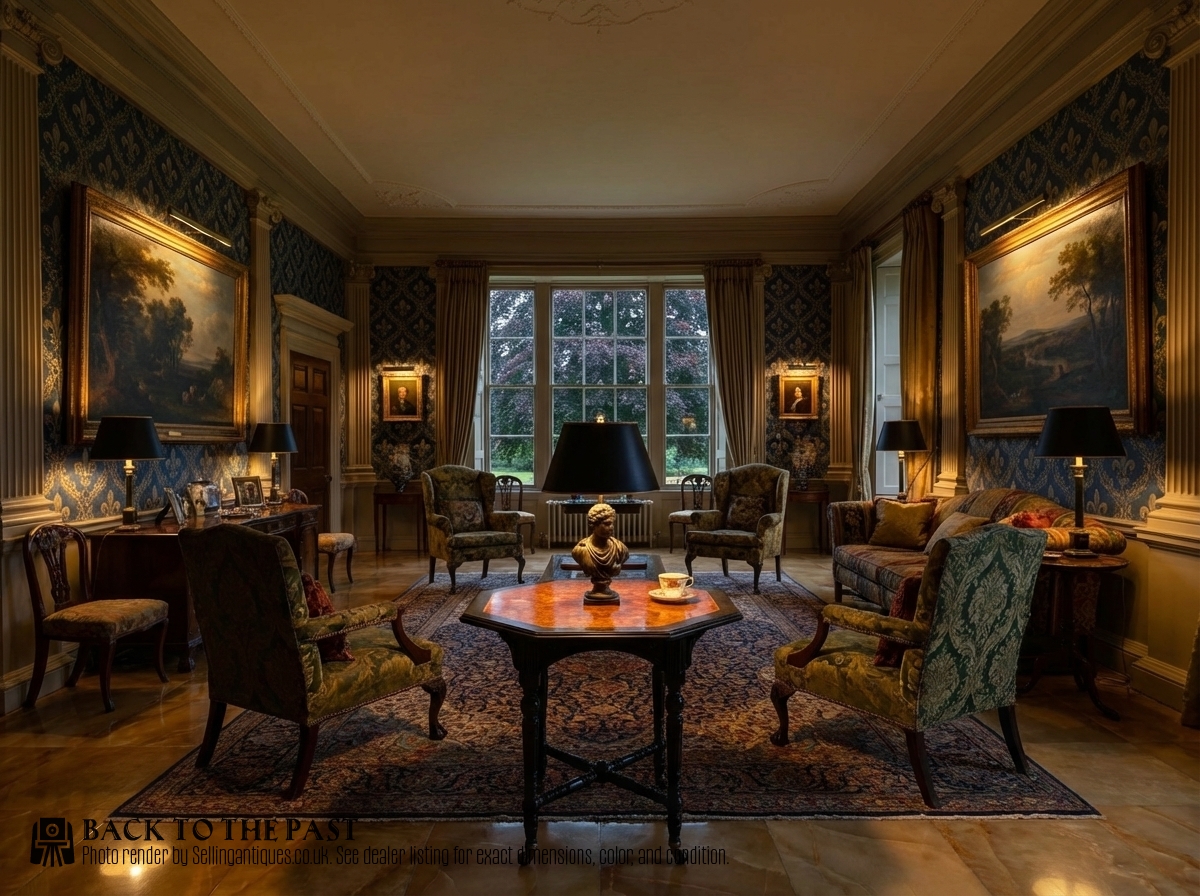
Daniel Cottier·Cottier and Co·Gillows·George Davis
The Ebonised Hall Table Glossary
- Ebonised wood
- Timber treated with stain, polish or paint to imitate expensive ebony. This technique gained immense popularity during the Victorian era for simulating exotic hardwoods.
- Giltwood
- Wood carved and covered with a thin layer of gold leaf or gilt. It provides a brilliant contrast against dark ebonised surfaces.
- Sabot
- A metal sleeve or shoe fitted to the foot of a furniture leg. These are frequently cast in solid brass on better nineteenth-century pieces.
- Aesthetic Movement
- A late nineteenth-century design style emphasising visual beauty over narrative subject matter. Pieces from this movement often feature clean ebonised surfaces with minimal, elegant decoration.
Ebonised Hall Table: Frequently Asked Questions
What is an ebonised hall table?
An ebonised hall table is a dark-finished surface created for entranceways, utilising timber treated to look like ebony.
These pieces typically date from the nineteenth century and appear in styles ranging from the Aesthetic Movement to Baroque Revival.
How do I style an ebonised hall table?
The dark finish makes these tables ideal for creating strong visual contrast against lighter walls and hallway interiors.
Their compact proportions as console, side, or centre tables allow them to fit narrow spaces while providing a functional display surface.
What materials were used?
Cabinetmakers used ebonised wood, ebonised timber, and stained birch as the primary structural materials for these tables.
Details often include cast solid brass sabots, giltwood highlights, and occasional secondary woods like amboyna.
Are these tables Victorian?
Many examples originate from the Victorian period, including pieces associated with the Aesthetic Movement and the 1880s and 1900s.
Earlier Regency pieces also occur, showing similar ebonised and parcel gilded treatments.