






Antique Star Inlay Table
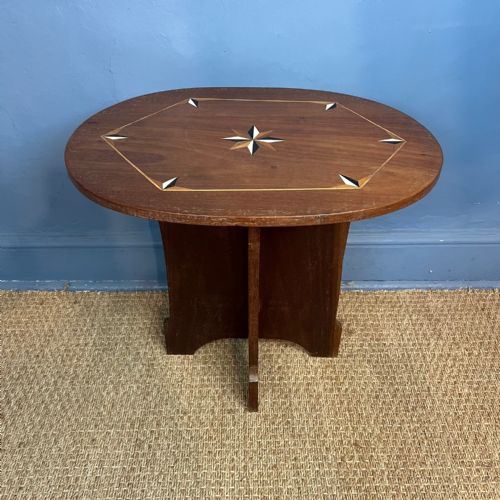
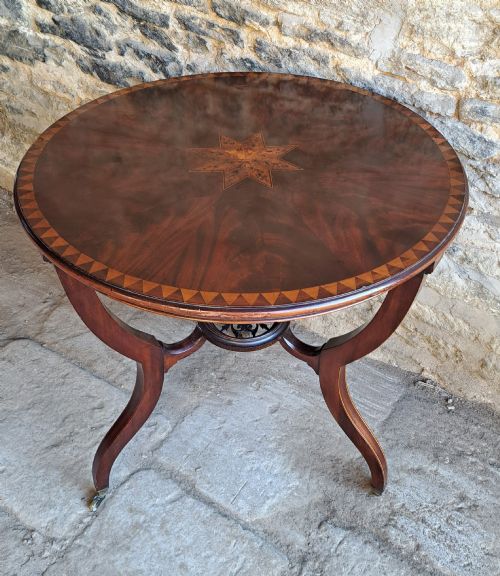
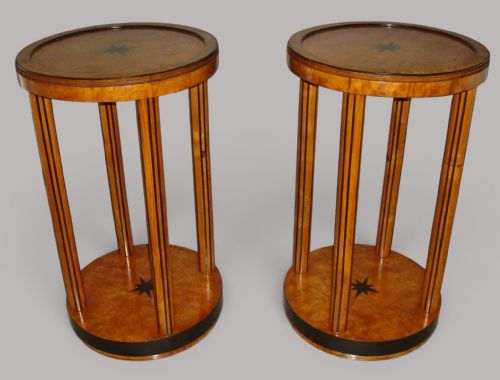
An antique star inlay table brings geometric precision and rich timbers into a room, offering both surface utility and distinct decorative character.
Antique Star Inlay Table
An antique star inlay table encompasses various forms such as occasional tables, centre tables, and coffee tables, each featuring intricate star motifs. Buyers searching for an antique star inlay table encounter pieces spanning from the Georgian and Victorian eras up to the early twentieth century.
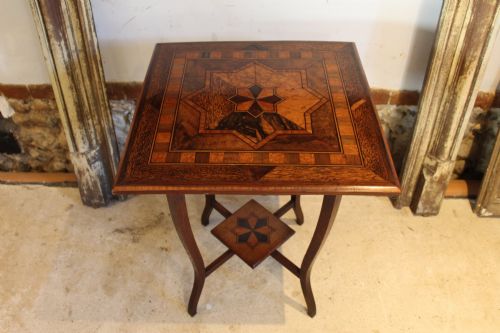
The construction styles range from Victorian Italian Sorrento and French Provincial to Anglo-Indian folding tables and geometric parquetry. Mahogany, walnut, burr yew, and specimen woods form the primary surfaces where these stellar patterns are set.
Most examples function as occasional or centre tables designed to draw the eye within a room. Their origins stretch across British, European, and international workshops, reflecting diverse regional marquetry traditions.
Materials and construction
Cabinetmakers utilised dense hardwoods like mahogany, walnut, and rosewood as the foundation for these pieces. Contrast and detail were achieved through the application of boxwood, brass, and assorted specimen wood veneers.
Marquetry and parquetry techniques allowed artisans to piece together geometric stars and figurative patterns meticulously. Woods like burr yew and fruitwood provided distinct grain textures that enhanced the visual depth of the inlaid tops.
Antique Star Inlay Table Retail Price Guide 2026
Typical asking prices for star inlay table among the pieces listed under this phrase on Sellingantiques today, from the lower quarter to the upper quarter. They describe what is for sale here now, not the wider market.
Some nineteenth-century makers travelled with boxes of scrap timber just to see if a stray star could improve an afternoon.
Assessing quality and execution
The sharpness and precision of the geometric star inlay dictate much of the visual success of the piece. Finer examples display tight joints between contrasting timbers without excessive filler.
Selection of secondary woods and the richness of the primary veneers reveal the ambition of the maker. Superior execution is evident when the underlying timber frame remains stable and the surface maintains a harmonious grain movement.
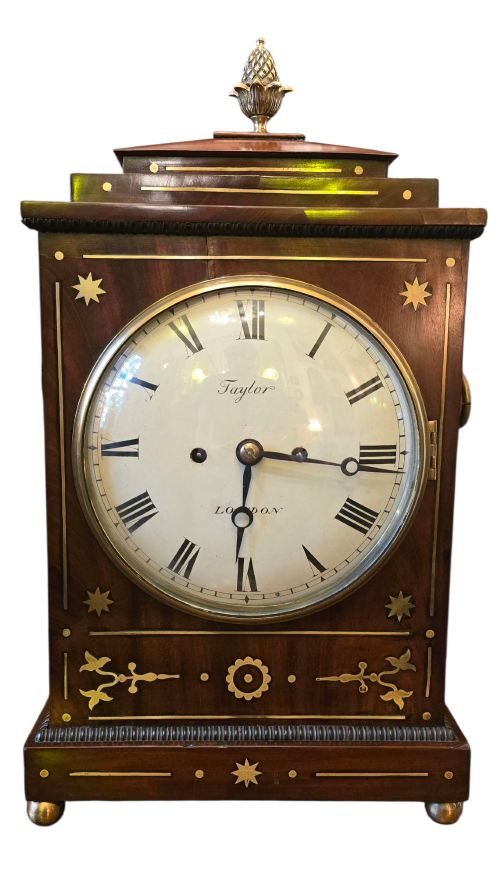
Taylor of London·Anton Seuffer
The Antique Star Inlay Table Glossary
- Marquetry
- The art of applying pieces of veneer to a structure to form decorative patterns and pictures. It differs from parquetry in its capacity to depict complex, curved designs.
- Parquetry
- Geometric mosaic woodwork used for floors and tabletops. Artisans arrange small blocks or veneers of wood in repeating grid or star patterns.
- Specimen wood
- Furniture constructed from or decorated with a wide variety of native and exotic timbers. Each wood is chosen for its natural colour and grain.
- Occasional table
- A small table designed for intermittent use in a living space. These pieces often serve as display surfaces or stands for lighting.
- Centre table
- A freestanding table finished on all sides to stand in the middle of a room. They frequently feature elaborate top designs intended to be viewed from any angle.
Antique Star Inlay Table: Frequently Asked Questions
Where should I place a centre table?
A centre table is designed to stand free in the middle of a room where its inlaid top can be appreciated from all angles.
Ensure there is enough walking space around the piece to allow safe movement and proper viewing.
How do I care for inlaid wooden surfaces?
Keep inlaid tables away from direct heat sources and strong sunlight to prevent the veneers from drying and lifting.
Dust regularly with a soft, dry cloth and avoid applying silicone-based polishes that can damage the antique finish.
What is the difference between marquetry and parquetry?
Marquetry involves cutting and fitting various veneers to create pictorial or flowing decorative scenes.
Parquetry sticks strictly to geometric arrangements like squares, triangles, and stars.
Are folding tables sturdy enough for daily use?
Many historical folding designs, such as Hoshiarpur tables, were engineered for portability as well as decorative display.
Handle the folding mechanisms with care to preserve the original hinge points and wooden joints.