

Victorian Cabriole Leg Table
These Victorian cabriole leg table examples span side tables, card tables, and dining pieces defined by curved, graceful supports.
Victorian Cabriole Leg Table
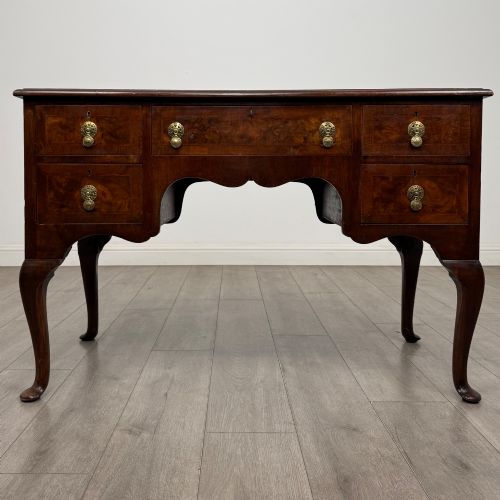
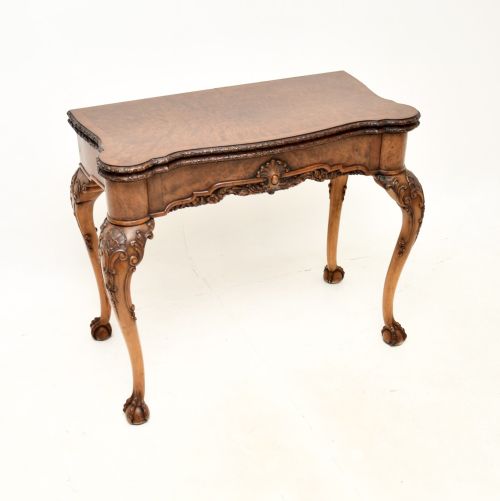
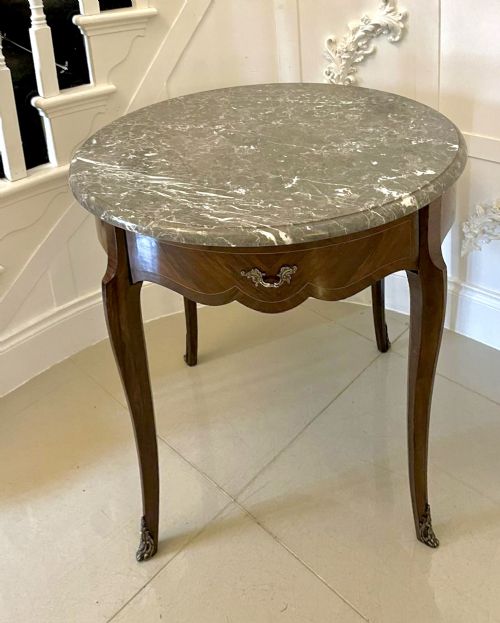
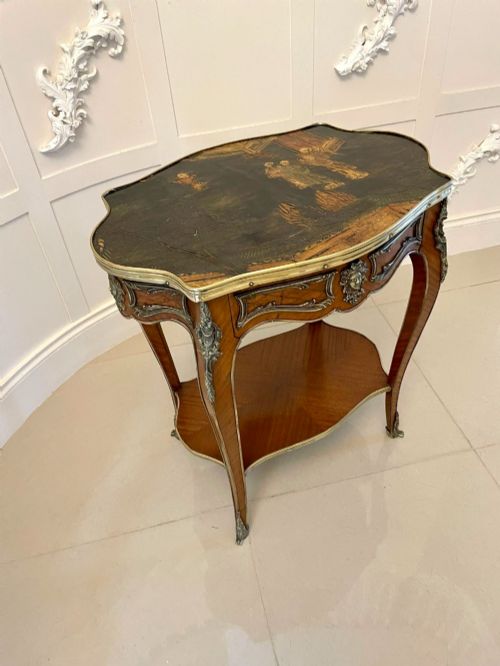
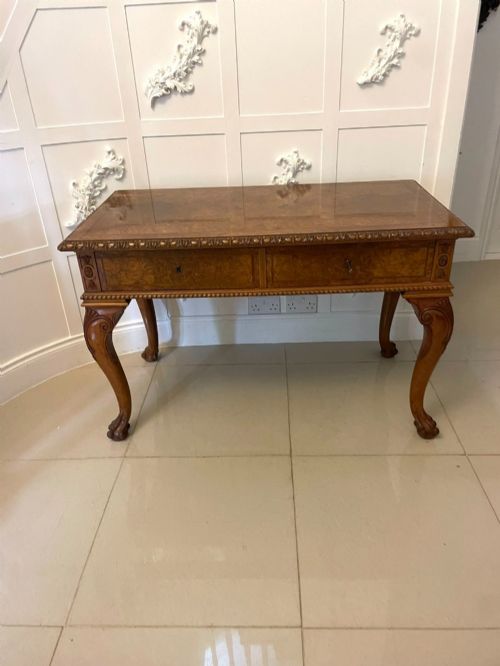
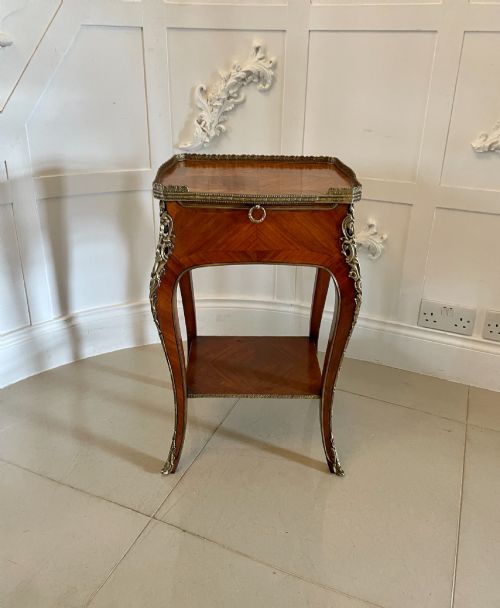
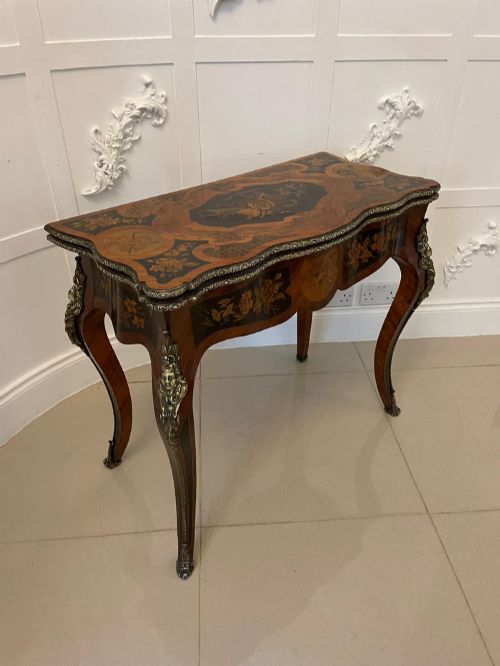
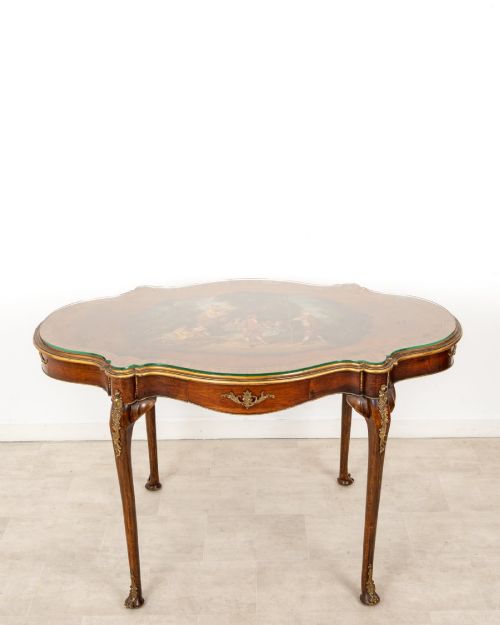
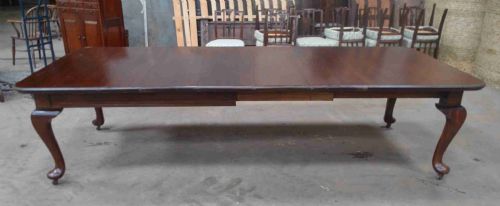
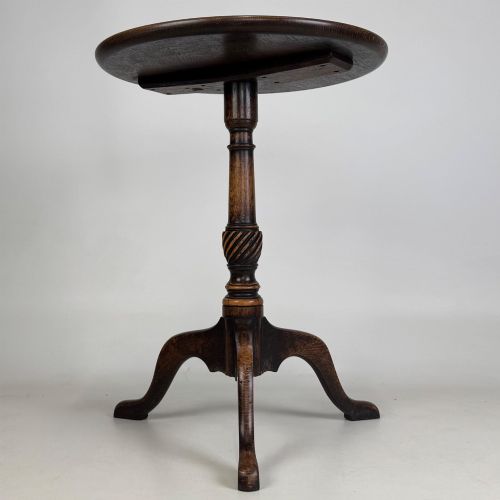
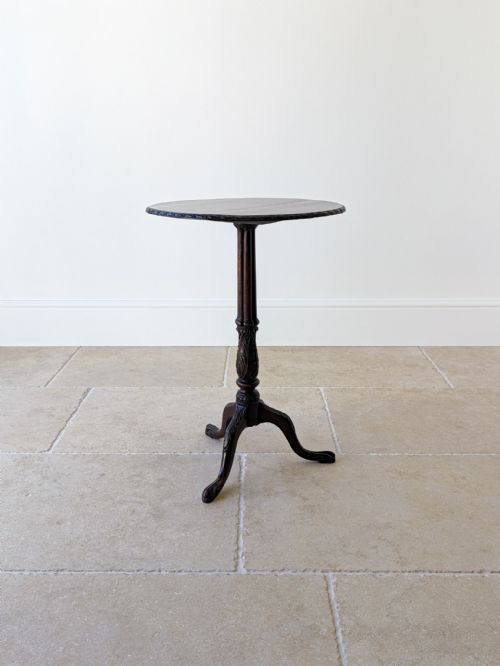
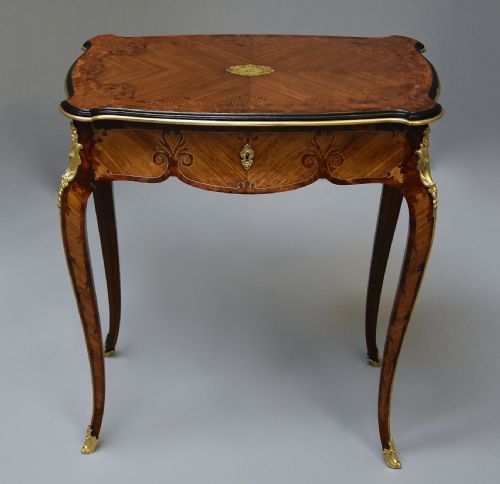
A victorian cabriole leg table encompasses a broad range of nineteenth-century domestic furniture, from card tables and occasional pieces to larger dining and centre tables. Burr walnut and mahogany versions appear frequently, often styled with Louis XV or Queen Anne revivals.
Buyers encounter many freestanding centre tables and console tables featuring serpentine or shaped tops alongside practical Sutherland and tea tables. The curved leg profile provides the defining architectural feature across these varied object types.
Materials and Construction
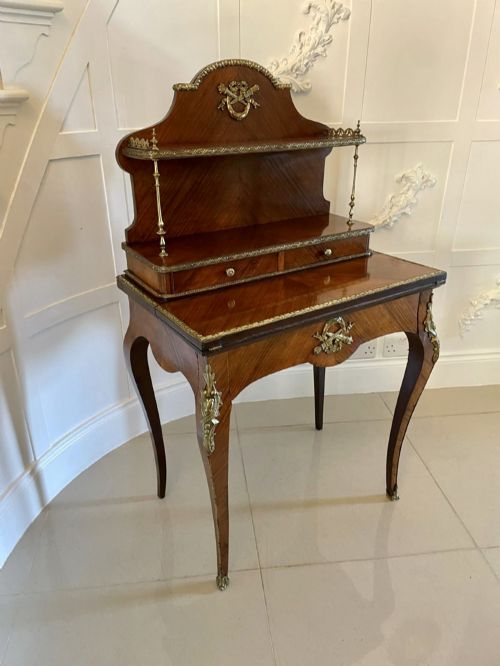
Cabinet makers utilised dense hardwoods such as mahogany, walnut, and kingwood, frequently applying burr walnut veneers to tabletops to display rich grain patterns. Marquetry inlay, ormolu mounts, and brass detailing appear on finer French-influenced pieces.
Solid timber forms the structural chassis and curved legs, while specialised mechanisms support tilt-top breakfast tables, extending dining frames, and folding card tables.
Victorian Cabriole Leg Table Retail Price Guide 2026
Typical asking prices for victorian cabriole leg table among the pieces listed under this phrase on Sellingantiques today, from the lower quarter to the upper quarter. They describe what is for sale here now, not the wider market.
Several tables include sophisticated mechanisms designed to fold, tilt, or extend with surprising mechanical ingenuity.
Craftsmanship and Detailing
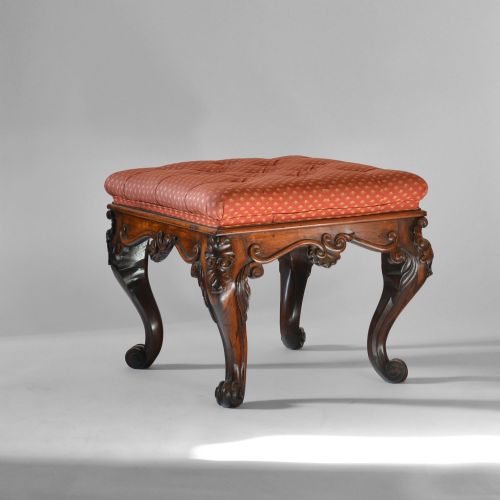
Quality rests in the fluidity of the carved knee and foot on the cabriole support, alongside the precision of marquetry work and parquetry inlays. Superior examples display seamless veneering across curved surfaces and robust internal mechanisms for extending tables.
Simpler mahogany or fruitwood pieces rely on proportion and timber figure, whereas elaborate ormolu-mounted kingwood items derive distinction from meticulous cast bronze ornamentation and fitted interior compartments.
Maple and Co·Durand
The Victorian Cabriole Leg Table Glossary
- Cabriole leg
- A furniture support curving outward at the knee and tapering inward toward the foot, mimicking animal limbs. This profile gained popularity during revival periods inspired by earlier centuries.
- Marquetry
- Decorative patterns formed by fitting together contrasting veneer slices on a wooden surface. Craftsmen used exotic timbers to create floral or geometric designs.
- Sutherland table
- A narrow drop-leaf table with hinged flaps supported by swinging gate legs. It folds down compactly when not in use.
- Parquetry
- Geometric wood mosaic work used for tabletops and cabinet fronts. It relies on precise angles and contrasting wood tones.
Victorian Cabriole Leg Table: Frequently Asked Questions
How do I clean burr walnut?
Dust surfaces regularly with a soft, dry cloth to prevent particle buildup. Avoid modern chemical polishes that can degrade nineteenth-century finishes.
Apply high-grade beeswax sparingly when the wood appears dry, buffing gently to maintain the natural sheen of the walnut grain.
Are these tables suitable for daily dining?
Many surviving examples include extending mechanisms designed specifically for family meals. Protecting the surface with heat mats prevents moisture and heat damage to the antique finish.
Sturdy mahogany and walnut constructions handle regular use well, provided chairs avoid striking the carved cabriole knees.
What defines a centre table?
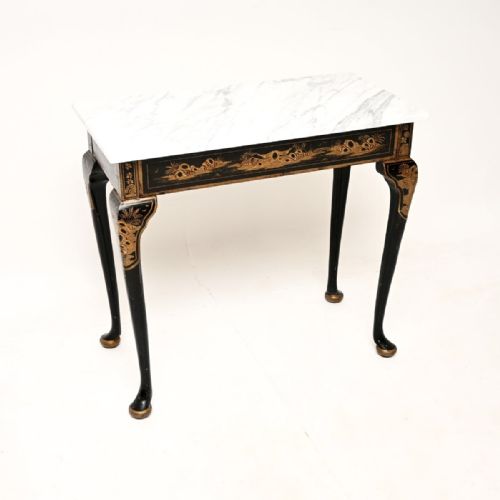
A centre table is finished on all sides so it can stand independently in the middle of a room rather than against a wall. These pieces often feature detailed marquetry or marble tops.
Nineteenth-century examples frequently utilise kingwood or burr walnut to ensure every viewing angle displays refined craftsmanship.
How do I identify a revival style?
Revival pieces borrow decorative motifs from earlier eras, such as Louis XV curves or Queen Anne cabriole supports. Makers combined these historical silhouettes with Victorian manufacturing techniques.
Examine the secondary timbers and construction methods underneath to confirm a nineteenth-century date despite the older stylistic inspiration.