





Small Rosewood Side Table
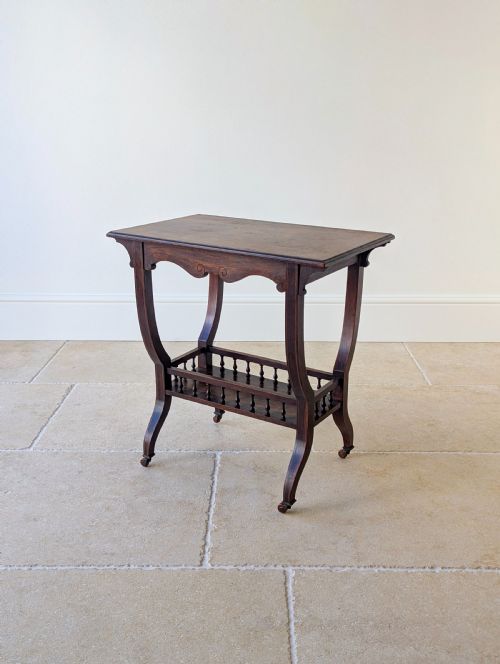
A small rosewood side table brings rich timber grain and compact utility to a room, most often meeting you as a Victorian or Regency occasional piece.
Small Rosewood Side Table
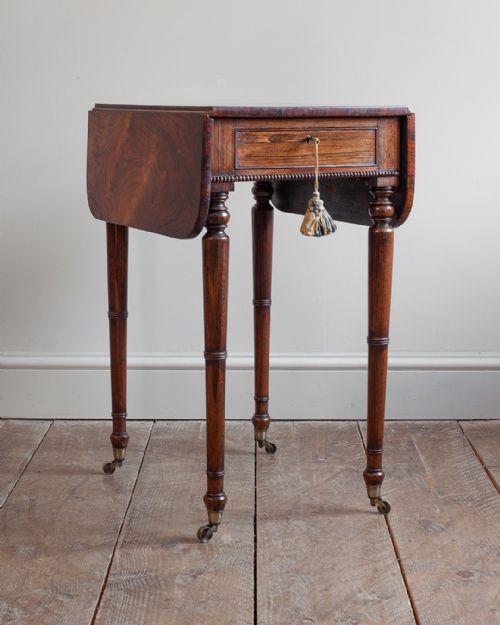
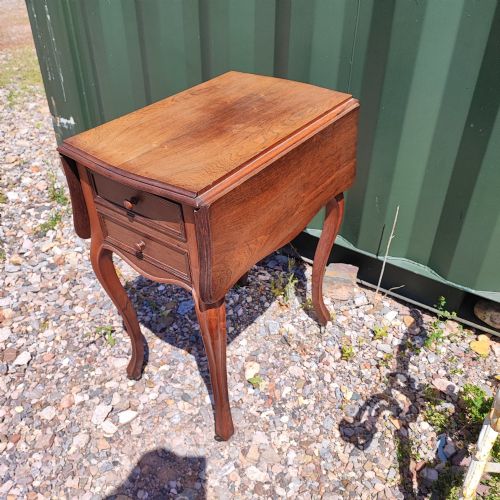
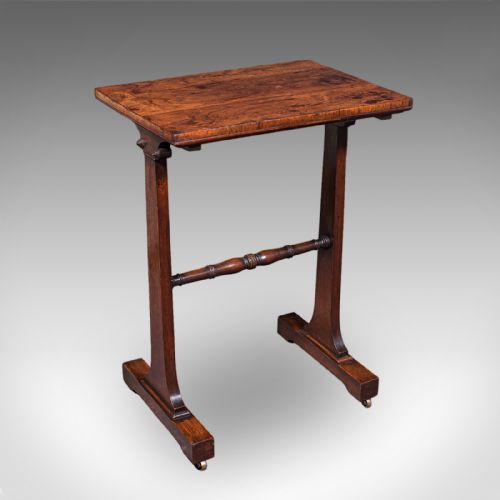
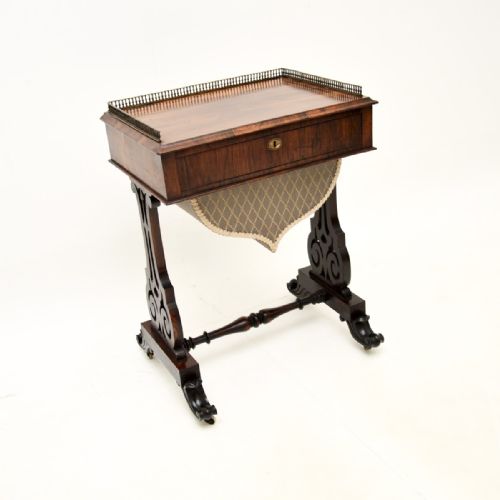
When you search for a small rosewood side table, you encounter compact furnishings designed for occasional use in 19th-century drawing rooms and morning rooms. The examples here span Georgian, Regency, Victorian and Edwardian periods, appearing as lamp tables, work tables, drop-leaf pembroke tables and multi-tiered étagères.
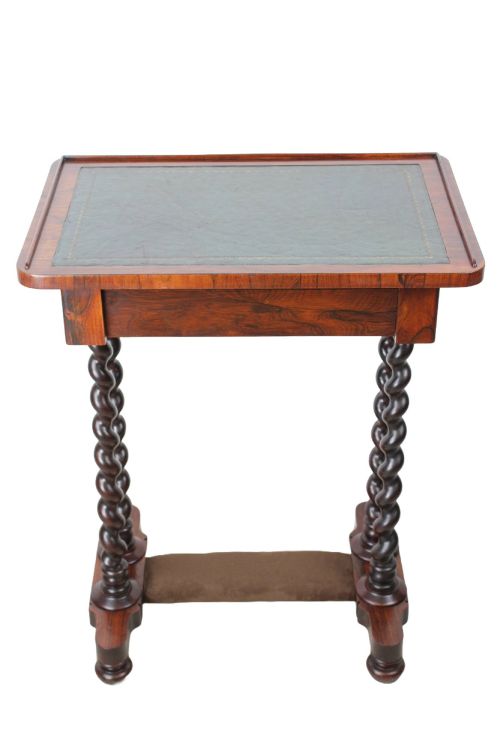
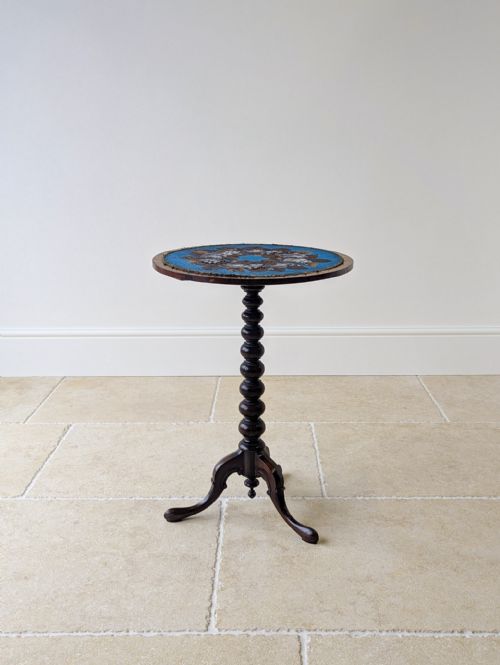
You are most likely to meet Victorian and Regency variants on this page, often fitted with single drawers, barley twist columns or brass inlays. These pieces served varied functions beside seating, acting as surfaces for reading lamps, sewing work or serving small items.
How they were made
Cabinet makers utilised dense rosewood timber, frequently applied as rich veneers over secondary woods or left solid on smaller turned supports and tripod bases. Surfaces often display decorative contrasting details such as satinwood inlay, wood inlay and brass work.
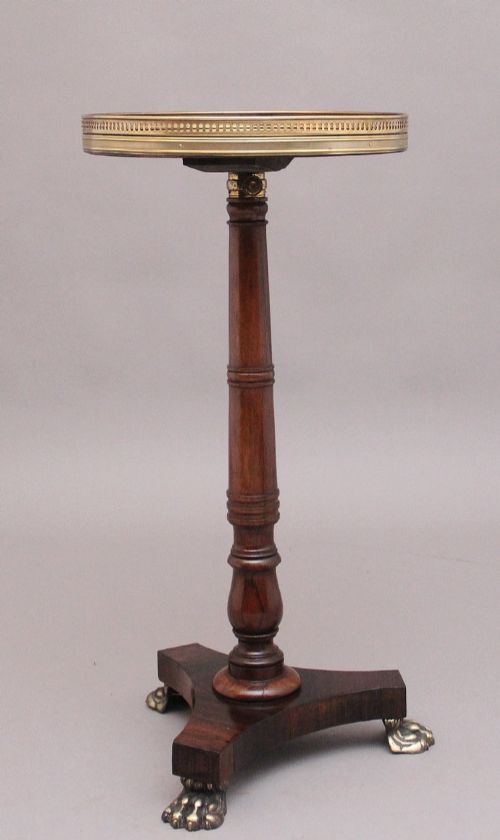
Structural variations include drop-leaf mechanisms, telescopic columns, folding games tops and tiered shelving secured with brass handles and gallery rails. French polishing brought out the deep reddish-brown tones and dark grain patterns inherent to the timber.
Small Rosewood Side Table Retail Price Guide 2026
Typical asking prices for small rosewood side table among the pieces listed under this phrase on Sellingantiques today, from the lower quarter to the upper quarter. They describe what is for sale here now, not the wider market.
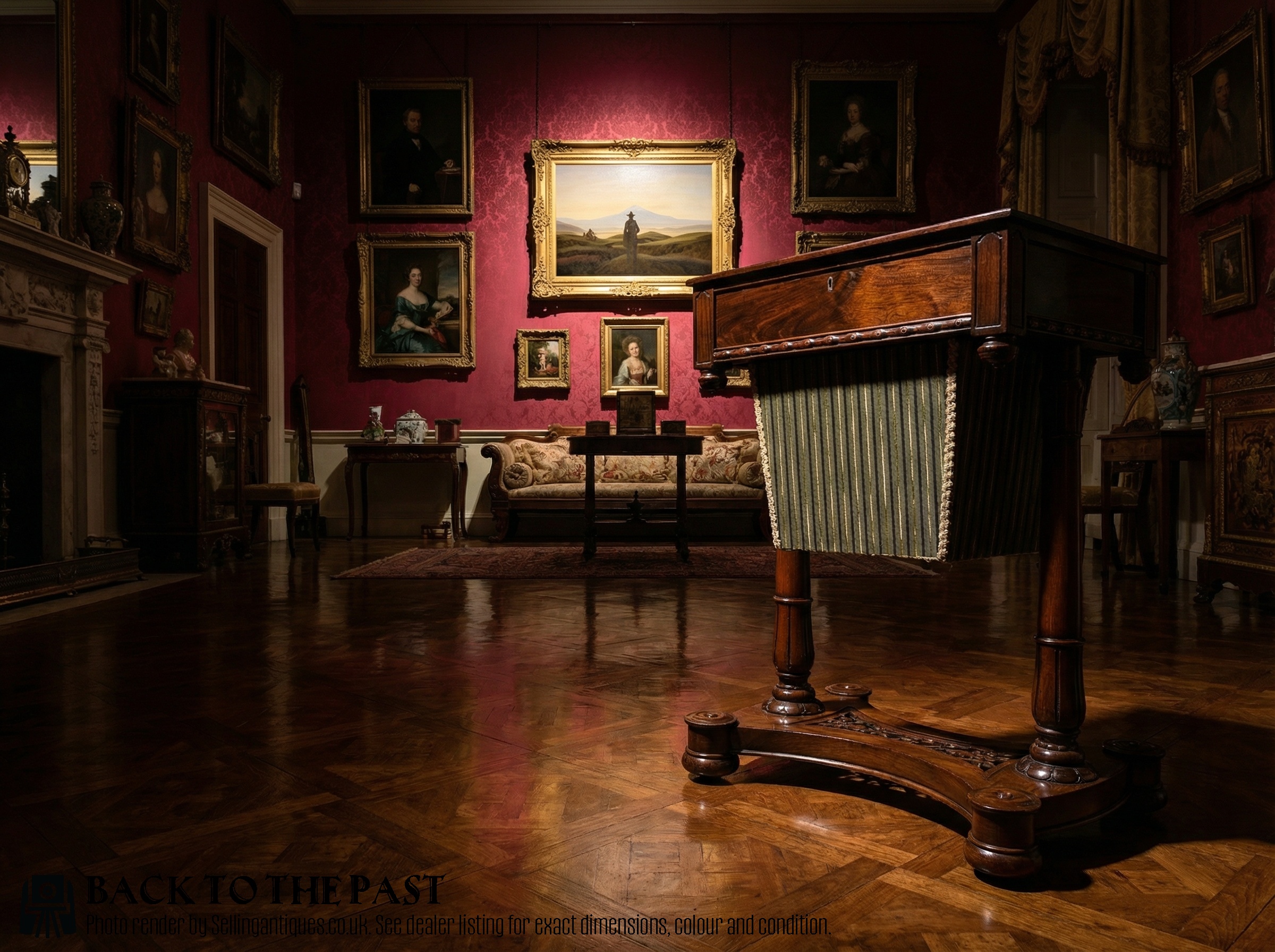
Several tables feature hidden sewing bags ready for embroidery needles that vanished generations ago.
What varies in quality
The degree of refinement in timber selection and cabinetwork defines the hierarchy of these tables, separating standard utility items from finer parlour pieces. Richness of grain figure and the precision of inlaid satinwood or brass stringing signal superior workshop execution.
Proportion and structural integrity matter greatly in smaller furniture, where delicate turned legs, tripod bases and drop-leaf hinges must remain firm and true. The inclusion of integrated work boxes, fitted interiors or documented maker attribution elevates certain examples above standard production.
Gillow
The Small Rosewood Side Table Glossary
- Rosewood
- A dense, heavily figured timber prized for its dark grain and reddish-brown colour. It takes a high polish and was heavily utilised in fine 19th-century cabinetry.
- Pembroke table
- A small occasional table featuring two hinged drop leaves on opposite sides. They were designed to sit easily in smaller spaces and expand when needed.
- Étagère
- A standing piece of furniture with multiple open shelves for displaying small objects or books. They often appear in tiered formats.
- Work table
- A specialised table containing a drawer, bag or compartment for sewing and needlework materials. These pieces were essential items in Victorian sitting rooms.
- Tripod table
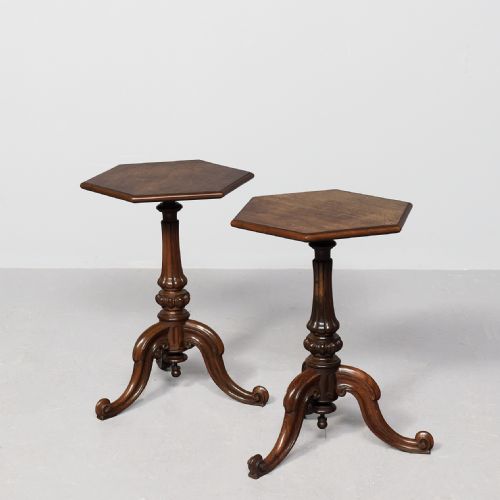
- A small freestanding table supported by a central pillar resting on three legs. This construction allowed the table to be moved easily around a room.
Small Rosewood Side Table: Frequently Asked Questions
Where should I place a small rosewood side table?
These compact tables fit naturally beside armchairs, sofas or beds where surface space is limited. Their modest footprints allow them to function effectively as lamp tables or occasional resting points in a hallway.
Because rosewood possesses a rich, dark tone, placing the table near natural light helps reveal the grain patterns. They also integrate well into studies or libraries as secondary writing or book surfaces.
How do I tell a Regency table from a Victorian one?
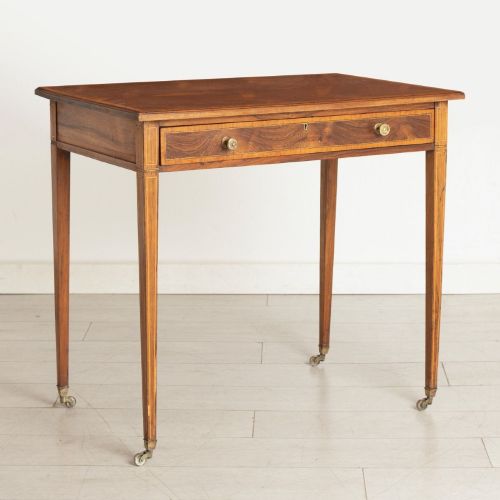
Regency pieces often display classical restraint, featuring cleaner architectural lines, brass inlay and sabre or pillar legs. They frequently date from the early decades of the nineteenth century.
Victorian examples tend toward heavier ornamentation, such as barley twist turned columns, carved details or tiered shelving. Examining the turning style and secondary timbers helps clarify the period of manufacture.
What were work tables used for originally?
Work tables functioned as portable stations for sewing, embroidery and needlework during the nineteenth century. They typically incorporated an under-mounted fabric bag or a partitioned drawer to hold threads and tools.
Today, these compartments make them useful for storing small modern items while maintaining a decorative surface on top.
How do I care for antique rosewood furniture?
Keep rosewood tables away from direct heat sources and strong sunlight to prevent the timber and veneer from drying out. Dust them regularly with a soft, dry cloth rather than applying heavy commercial polishes.
Occasional application of appropriate wax helps nourish the polished surface and preserve the depth of the wood grain.