


Dark Brown Pedestal Table
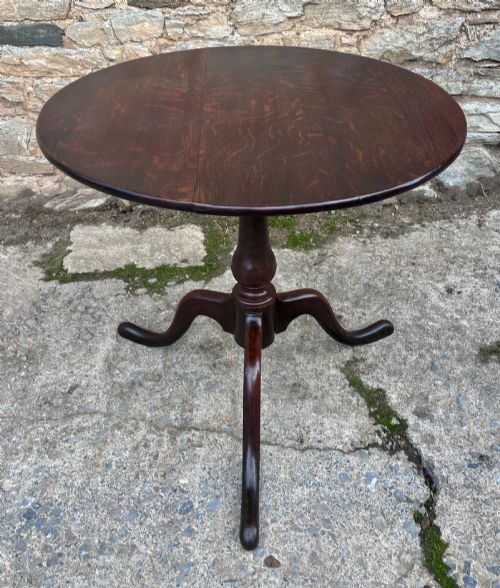
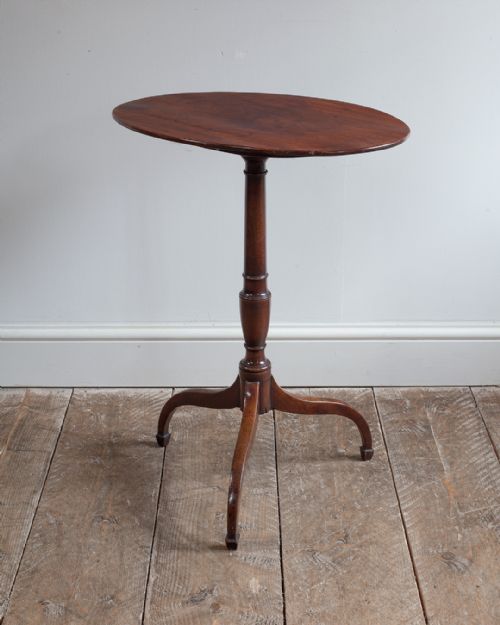
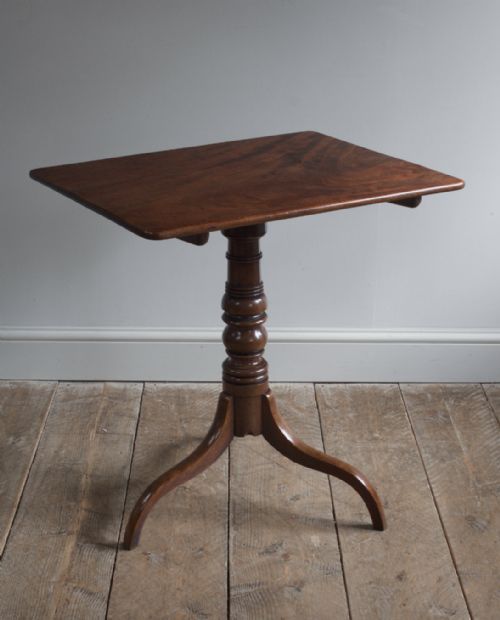
A dark brown pedestal table anchors a room with rich timber tones and a single central support, offering both stability and elegance for daily use.
Dark Brown Pedestal Table
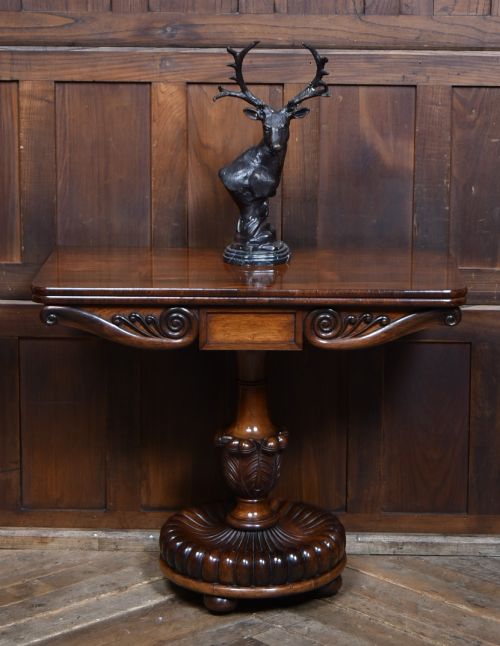
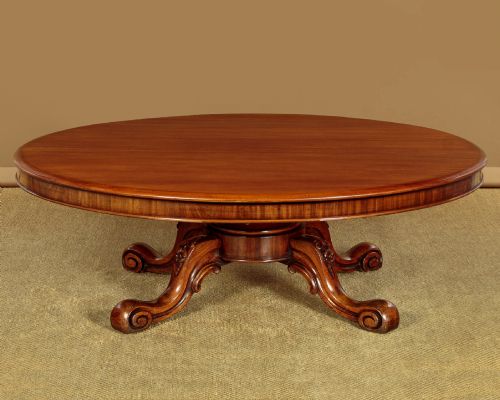
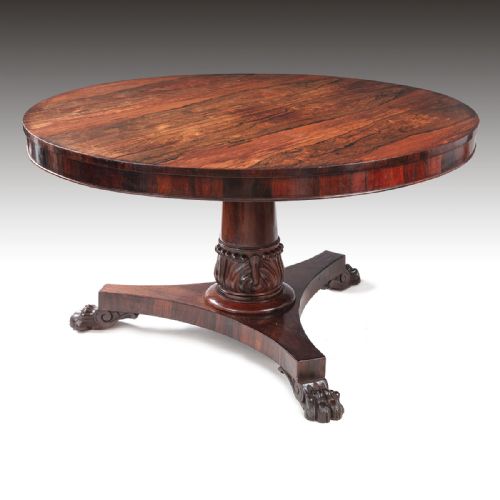
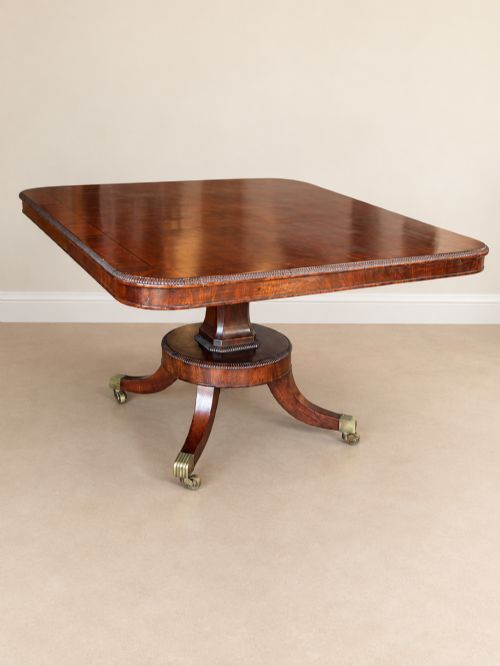
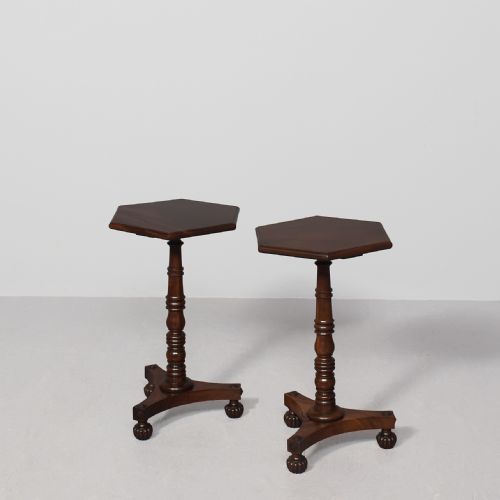
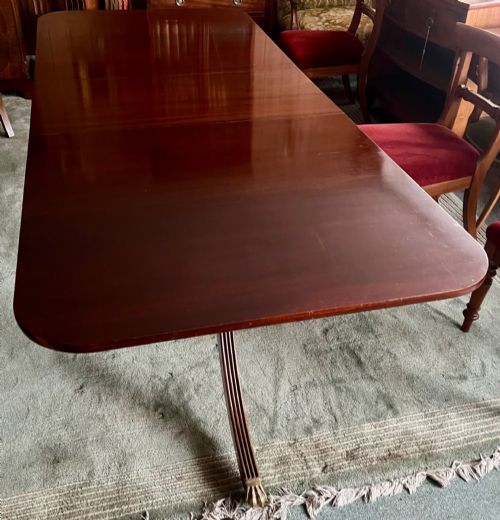
A dark brown pedestal table brings together deep timber tones and a stable central pillar to support surfaces ranging from compact wine tables to large dining boards. When searching this phrase, buyers encounter pieces spanning the Georgian, Victorian, and Edwardian eras, constructed in rich shades of mahogany, oak, and walnut.
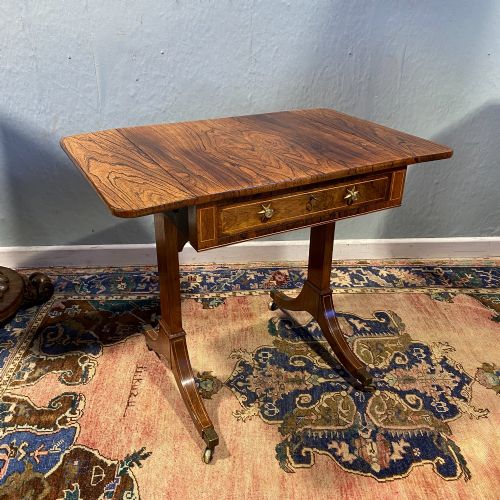
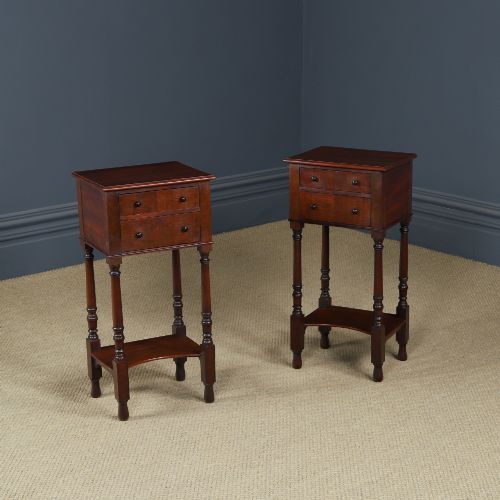
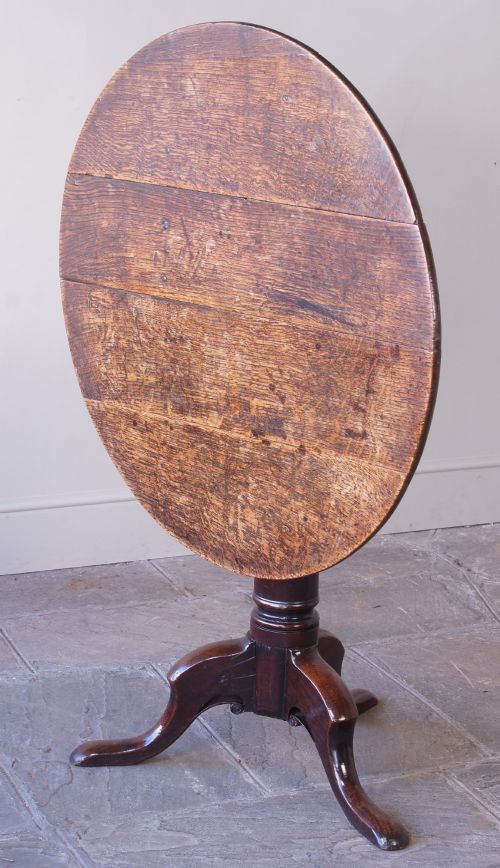
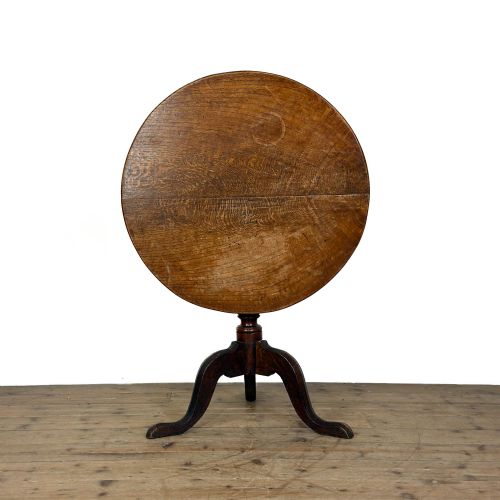
The selection on this page relies heavily on nineteenth-century designs, including tilt-top tables, drum tables, and multi-pillar dining tables. Side tables and plant stands in oak and mahogany appear frequently alongside larger centre and dining formats.
Originating largely from British and European workshops, these tables span formal dining rooms and modest drawing rooms alike. The heavy concentration of mahogany and oak pieces defines the dark brown palette that buyers seek in these traditional forms.
What varies in quality
The standard of a dark brown pedestal table rests on the selection of timber and the crispness of its carving, where dense figured mahogany or burr oak denotes superior craftsmanship. Finer examples display balanced proportions between the central pillar and the supporting feet, ensuring both visual harmony and physical stability.
Joinery detail and the integrity of mechanisms, such as smooth tilt-top catches or steady multi-pillar dining extensions, separate standard utility items from masterwork pieces. The depth of the polished finish and the preservation of original patination further dictate the standing of each piece.
Dark Brown Pedestal Table Retail Price Guide 2026
Typical asking prices for dark brown pedestal table among the pieces listed under this phrase on Sellingantiques today, from the lower quarter to the upper quarter. They describe what is for sale here now, not the wider market.
Tilt-top tables were routinely folded flat and parked against drawing room walls like stiff wooden sentinels when the dancing started.
Trollope & sons·Hobbs & Co.
The Dark Brown Pedestal Table Glossary
- Pedestal table
- A table supported by a single central pillar or column rather than four corner legs. This construction allows for maximum seating space around the perimeter.
- Tilt-top
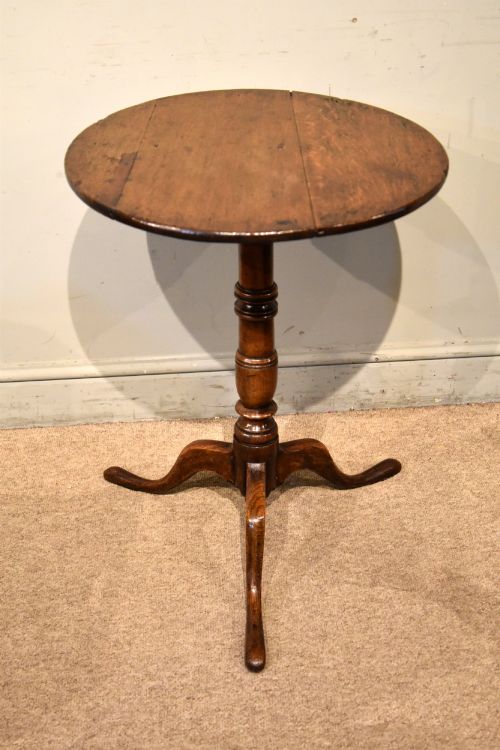
- A tabletop hinged to the central pedestal so it can be folded vertically when not in use. This clever mechanism saved floor space in period drawing rooms.
- Tripod base
- A pedestal support terminating in three legs radiating from the centre. It provides stable floor contact on uneven historic floorboards.
- Drum table
- A circular library or occasional table with a deep frieze band containing drawers. The top is frequently inset with tooled leather.
- Kneehole desk
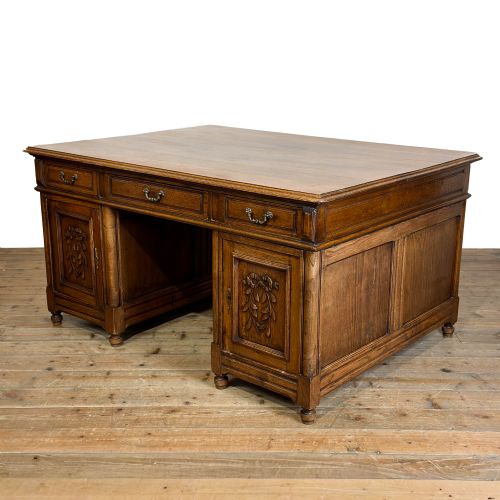
- A writing table with a recessed central space for the legs, flanked by pedestals of small drawers. These pieces provide compact storage combined with a formal writing surface.
Dark Brown Pedestal Table: Frequently Asked Questions
How do I style a dark brown pedestal table?
Place a circular pedestal table in the centre of an entryway to hold a ceramic bowl or lamp, allowing the timber tones to warm the space.
In a living room, a smaller tilt-top or wine table works effectively beside a sofa for holding books or drinks without cluttering the floor.
Were these tables used for dining?
Many larger examples, particularly those with multiple pillars from the Georgian and Victorian periods, served specifically for formal dining.
Single pedestal versions functioned primarily as centre tables, breakfast tables, or occasional furniture in drawing rooms and libraries.
How do I care for antique timber?
Maintain the surface by dusting regularly with a soft, dry cloth and avoiding placement near direct heat sources or strong sunlight.
Apply a traditional beeswax polish occasionally to nourish the hardwood and preserve the deep natural lustre of the dark brown finish.
How do I tell a Victorian table from a Georgian one?
Georgian tables often display lighter, more restrained proportions with subtle tripod bases and fine mahogany grain.
Victorian pieces tend to feature heavier carvings, darker patination, more robust pedestal columns, and occasionally elaborate Victorian revival motifs.