


Hardwood Flower Stand
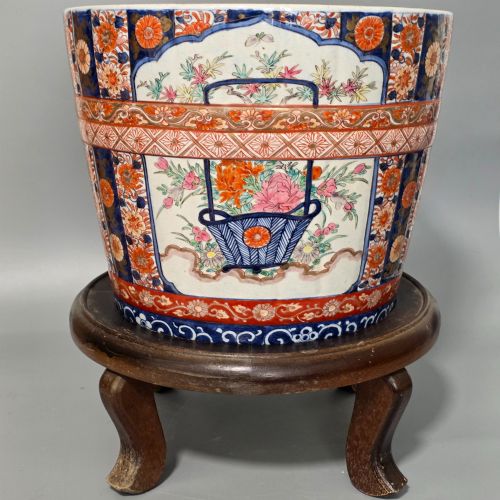
A hardwood flower stand elevates a heavy jardiniere or vase to bring botanical displays to eye level in a traditional interior.
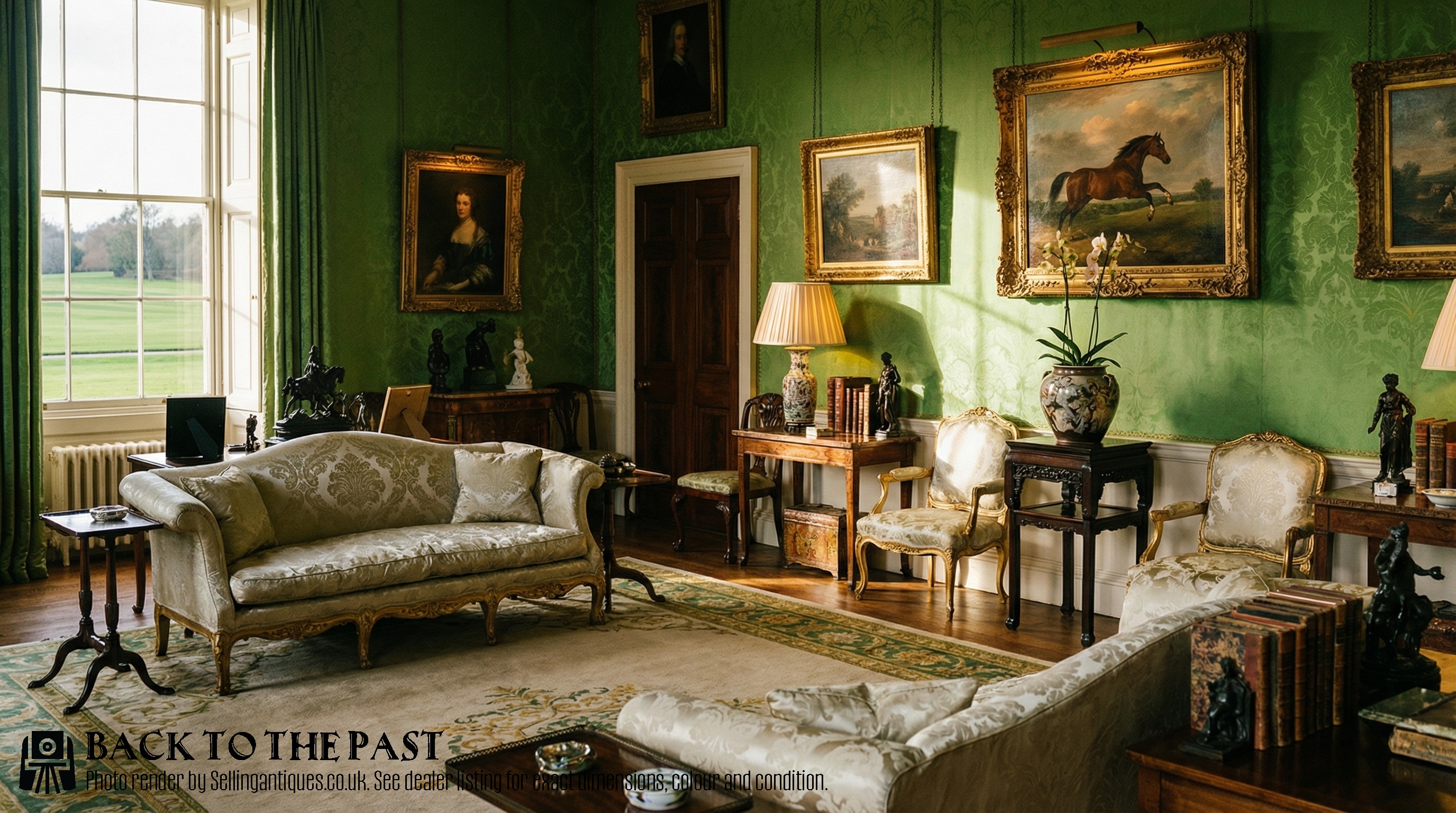
Hardwood Flower Stand
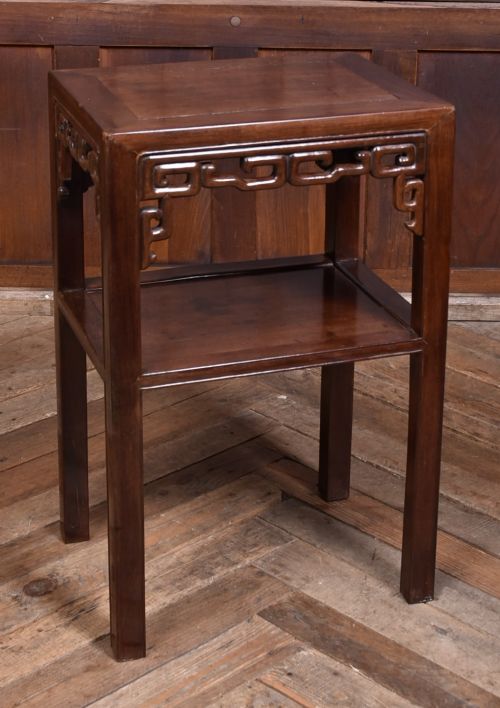
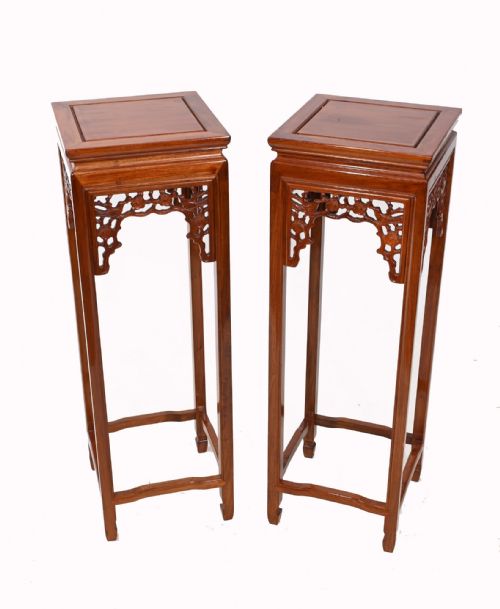
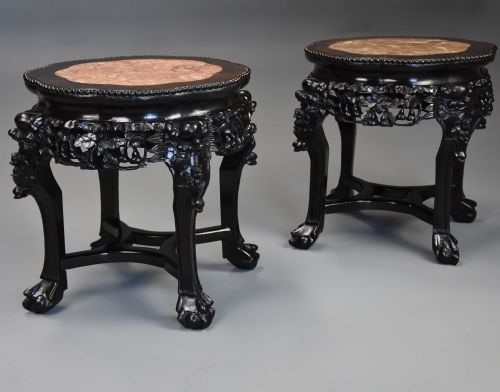
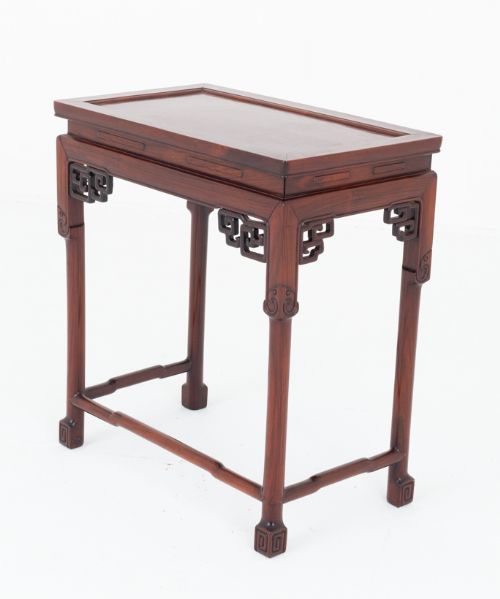
When searching for a hardwood flower stand, a buyer encounters low pot stands, tall pedestal tables, and multi-tiered occasional furniture designed to support plants, vases, and urns. These pieces originate primarily from the nineteenth and early twentieth centuries, spanning the Victorian period and the Qing Dynasty.
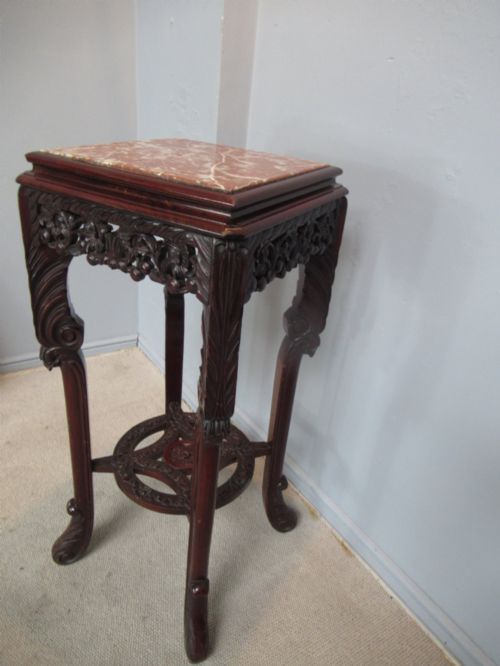
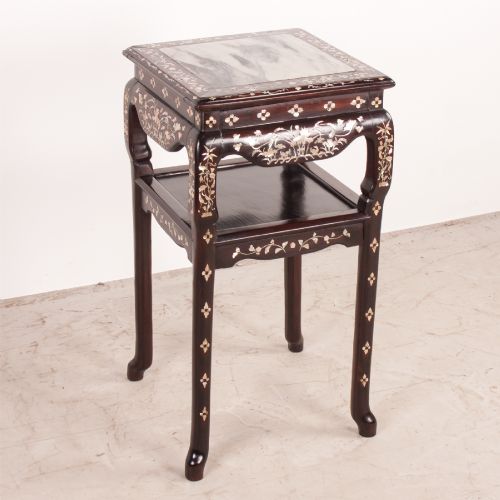
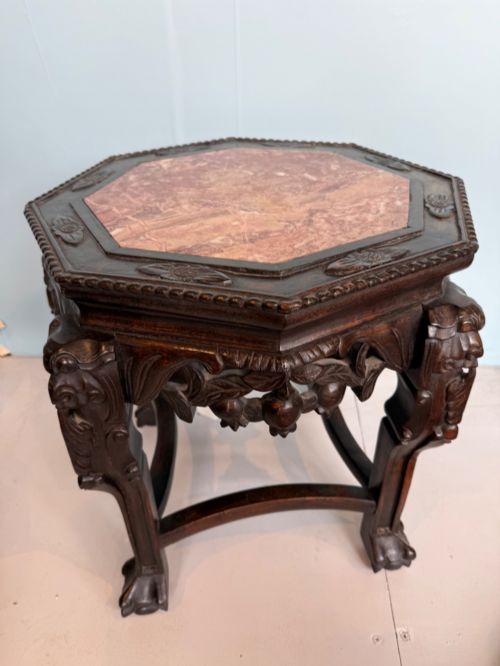
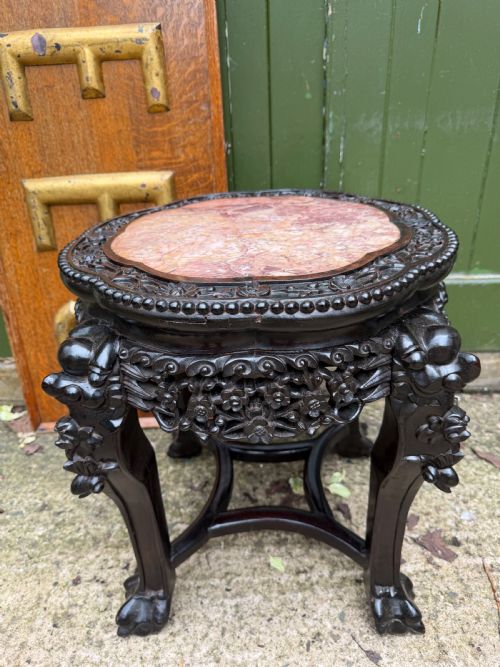
The versions met most frequently on this page are Chinese carved stands utilising dense timbers such as hongmu, padouk, and rosewood. Many incorporate inset marble tops or mother of pearl inlay to provide a stable, moisture-resistant surface for botanical arrangements.
Materials and Construction
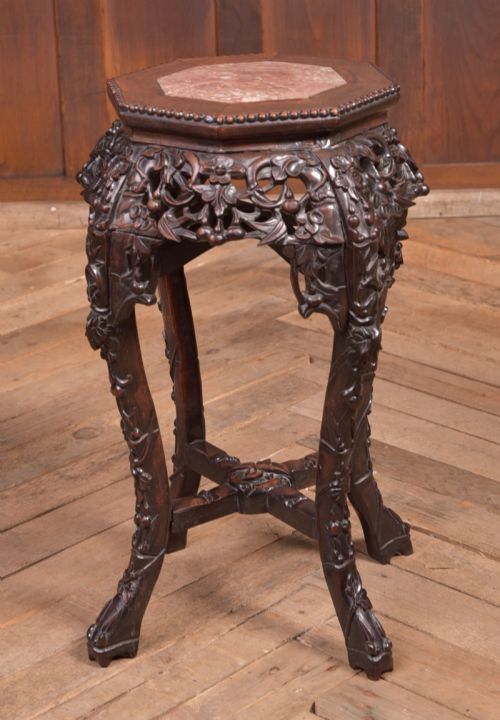
Artisans employed heavy, durable timbers including rosewood, padouk, and hongmu, often carved with intricate traditional motifs. These dense hardwoods provided the structural integrity required to bear the weight of stone inserts and heavy ceramic vessels without warping.
Many examples feature inset panels of variegated rouge marble or ceramic tiles fitted directly into the timber frame. Joinery techniques allowed frames to accommodate the natural movement of timber surrounding heavy stone inserts.
Some nineteenth-century makers designed these stands with removable marble inserts so owners could scrub away stubborn Victorian garden dirt.
Distinctions in Quality
Depth and crispness of the carving separate standard production from superior examples. Master carvers rendered foliage and geometric borders with distinct relief, whereas lesser pieces display softer, shallower definition.
The choice of secondary materials also marks a distinction, particularly the selection and fit of the inset marble top. Tightly fitted stone with rich natural veining indicates a higher standard of manufacture than generic timber tops.
Liberty of London
The Hardwood Flower Stand Glossary
- Hongmu
- A dense, dark tropical hardwood traditionally utilised in Chinese furniture manufacture. It translates literally as red wood and accepts a high polish.
- Jardiniere
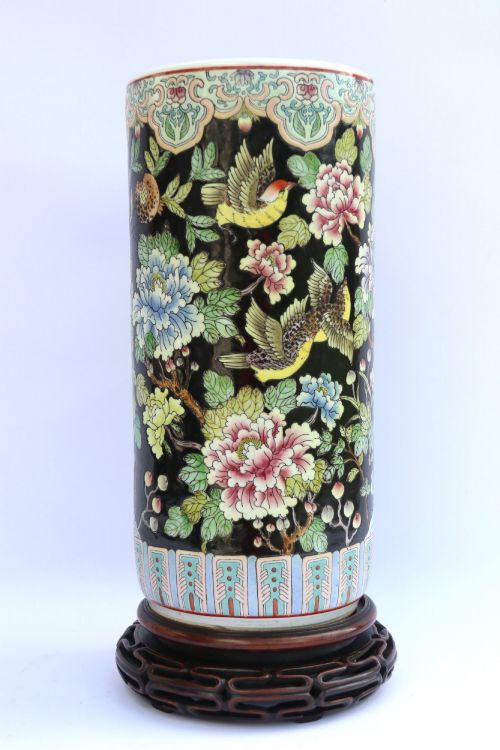
- A large ornamental pot or container for plants or flowers. These vessels sat atop low stands or pedestals in nineteenth-century interiors.
- Torchere
- A tall stand or pedestal originally designed to carry a torch or candle lamp. The form later accommodated tall vases and floral displays.
- Padouk
- A heavy, durable timber displaying reddish-brown tones. It resists decay and was frequently selected for carved oriental plant stands.
- Ebonised
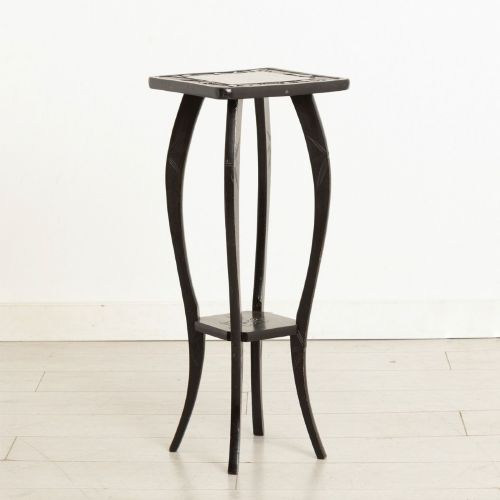
- Wood finished with a black stain or coating to imitate ebony. This technique appeared on nineteenth-century Japanese export plant tables.
Hardwood Flower Stand: Frequently Asked Questions
What is a hardwood flower stand used for?
These stands serve as elevated platforms for heavy porcelain vases, jardinieres, and potted plants. They protect floor surfaces and place botanical arrangements at a prominent height.
Historically, they occupied corners and hallway centres in formal rooms to display prized decorative items.
How do I identify a Qing Dynasty stand?
Qing Dynasty pieces display traditional Chinese carving motifs, intricate joinery, and dense timbers like hongmu or rosewood. They often feature inset marble tops designed to hold damp flower pots.
Construction details usually rely on traditional interlocking joints rather than modern metal fixings.
Why do some stands have marble tops?
Marble inserts provided a cool, waterproof surface that prevented water damage from overflowing plant pots and vases. The stone also added substantial weight, increasing the stability of tall pedestal stands.
Variegated red and grey marble slabs were fitted directly into carved timber recesses.
Where were these stands made?
The majority of these pieces originate from China, created for both domestic use and the export market during the nineteenth century. Others reflect Japanese export production using ebonised wood.
European retailers like Liberty of London also imported and retailed these oriental stands to Victorian buyers.