

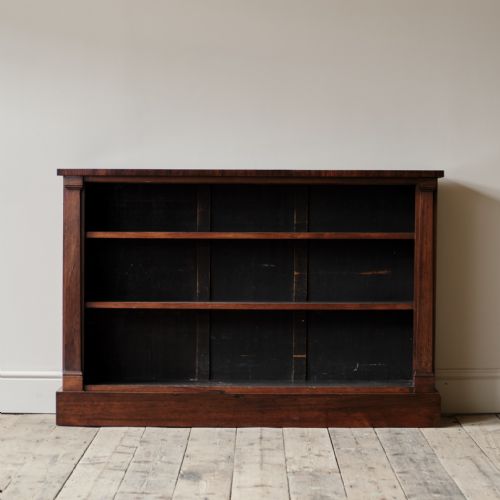
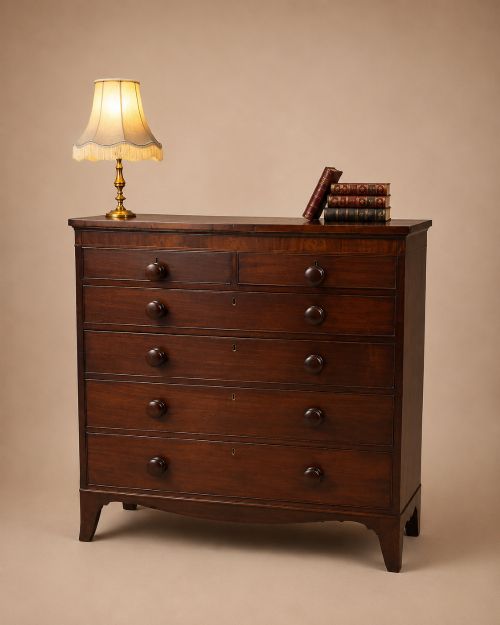
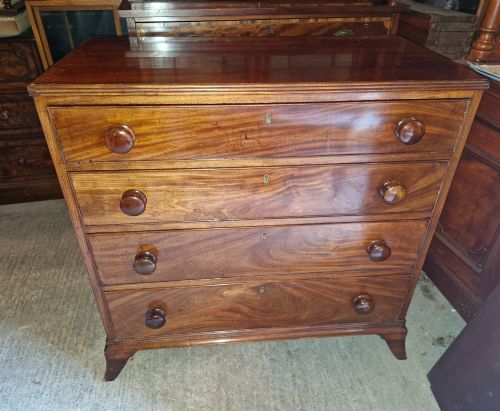
Early 19th Century Furniture
Early 19th century furniture brings substantial mahogany, rosewood and oak forms into rooms that need architectural weight and distinct period character.

Materials and Construction
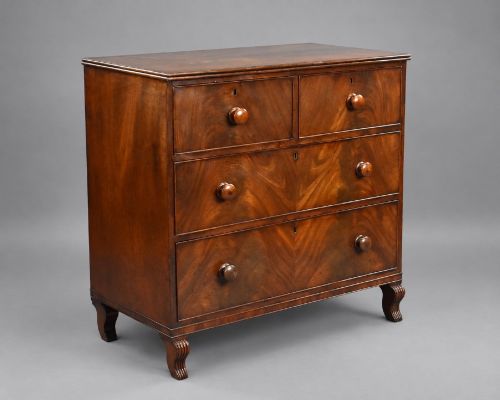
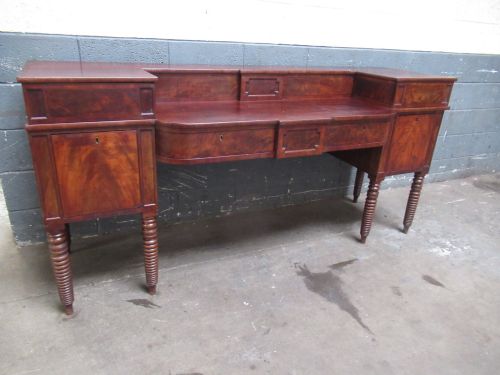
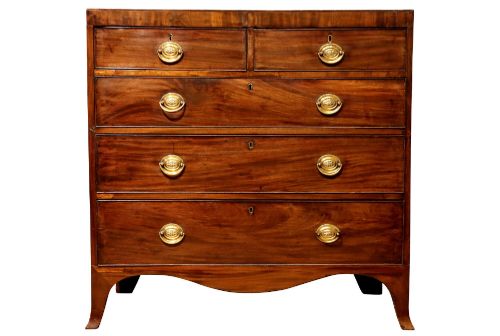
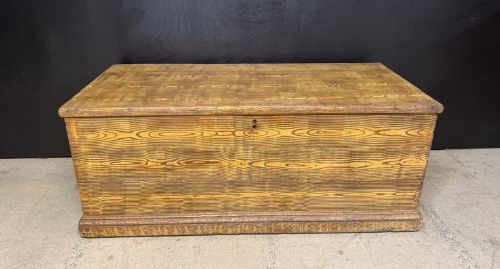
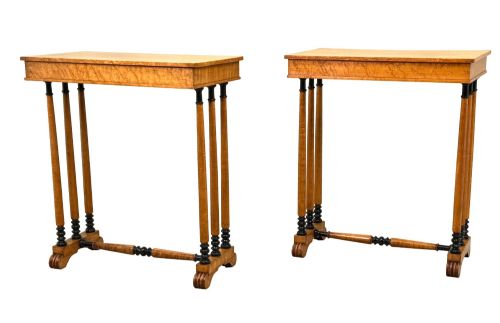
Cabinet makers relied predominantly on dense timbers like mahogany, rosewood and oak, often enhanced with flame mahogany veneers, burr maple or satinwood highlights. Secondary woods such as pine and ash appear in structural elements and regional country furniture.
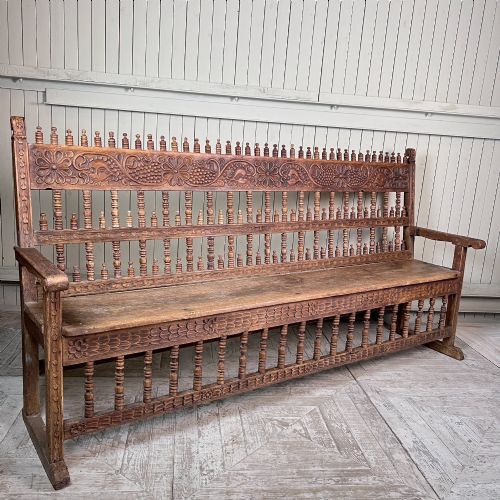
Brass fittings, iron strapwork, hand-turned spindles and marquetry or parquetry inlay distinguish the decorative surface treatments. Joinery methods reflect traditional hand-cut dovetails and pegged joints appropriate to the respective urban workshops and rural traditions.
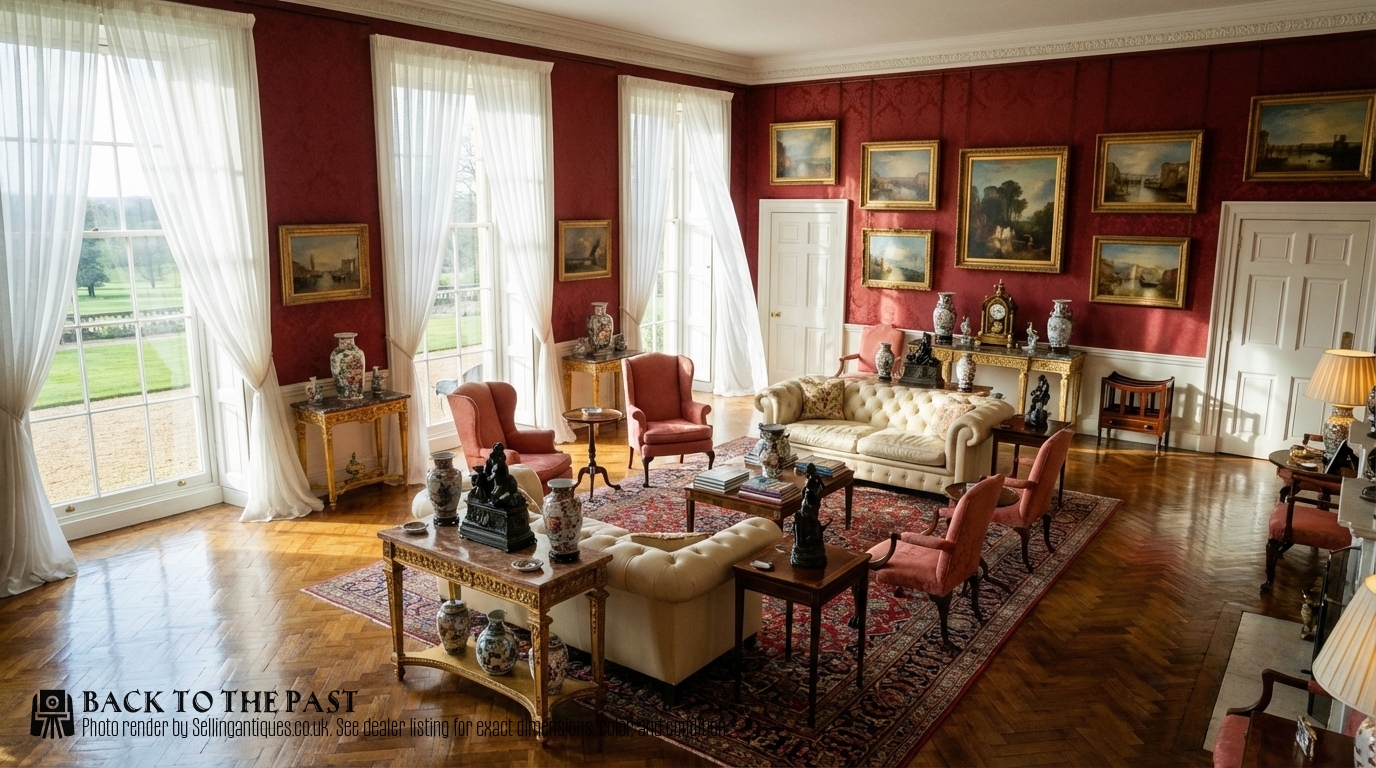
Distinctions in Quality
Quality rests upon the selection of timber figures, such as matched flame mahogany or burr root maple, and the crispness of carved details and brass inlays. Superior examples maintain original surface patination and structural integrity without intrusive modern replacements.
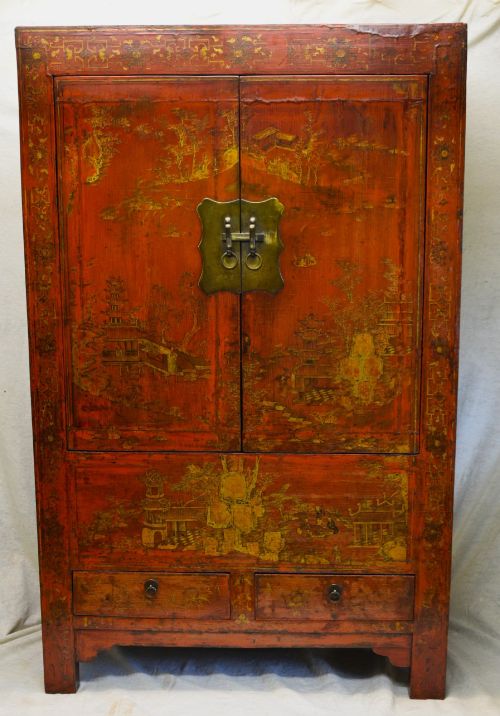
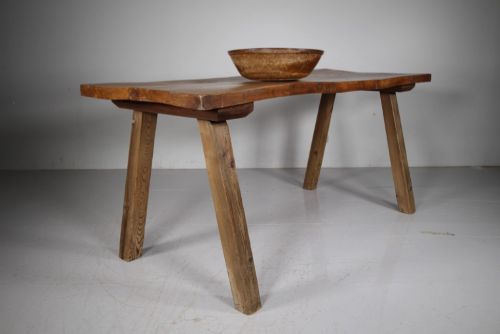
Regional or provincial pieces differ from urban high-style commissions through simpler construction and utilitarian woods like fruitwood or elm. The execution of secondary framing and the subtlety of proportion separate standard utility items from masterwork cabinetmaking.
Early 19th Century Furniture Retail Price Guide 2026
Typical asking prices for early 19th century furniture among the pieces listed under this phrase on Sellingantiques today, from the lower quarter to the upper quarter. They describe what is for sale here now, not the wider market.
Listings feature mahogany, rosewood, oak, ash, elm, pine, fabric, iron and glass across 19th-century periods.
Gillingtons of Dublin·Williams and Gibton·Ralph Turnbull·Jacob
The Early 19th Century Furniture Glossary
- Regency
- A stylistic period spanning the early 19th century defined by classical restraint and archaeological influence. Pieces often incorporate brass inlay, sabre legs and rosewood veneers.
- Drum table
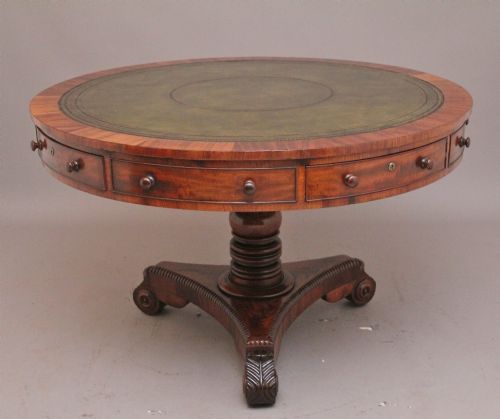
- A freestanding circular table supported by a central pillar and tripod or pedestal base, frequently fitted with alternating drawers around the perimeter.
- Whatnot
- A tall, open shelving unit composed of multiple tiers supported by slender uprights, used for displaying books or decorative objects.
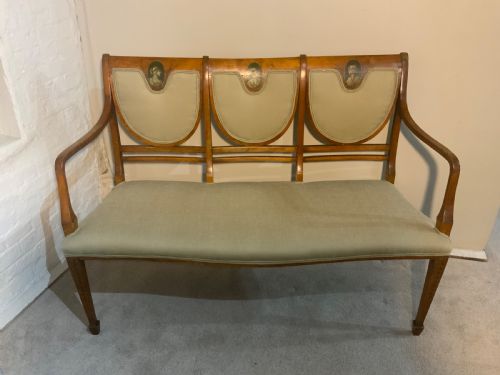
- Settee
- A wide wooden or upholstered wooden seat designed for multiple occupants, often sharing design characteristics with contemporary dining or parlor chairs.
- Parquetry
- A geometric mosaic of wood pieces used for decorative surfacing on tabletops and cabinet fronts, creating patterned geometric designs.
Early 19th Century Furniture: Frequently Asked Questions
How do I identify Regency pieces?
Regency designs show distinct classical revival influences, often featuring dark tropical timbers like mahogany and rosewood paired with brass stringing or mounts. Look for architectural proportions and clean lines derived from Greek and Roman precedents.
Cabinet makers of this era favoured sabre legs, reeded edges and contrasting veneers. These characteristics appear consistently across tables, bookcases and sideboards made during the first quarter of the 19th century.
Where were these pieces used?
Urban townhouses and grand country estates housed the formal mahogany and rosewood dining tables, console tables and library desks. Lighter occasional tables and reading stands served drawing rooms and private sitting rooms.
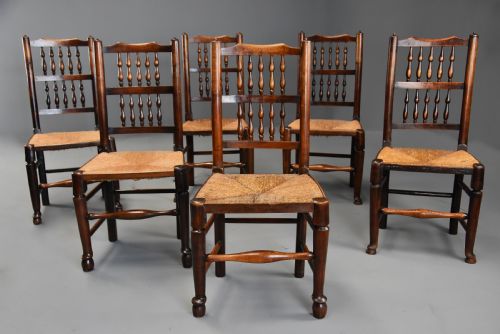
Provincial cottages and farmhouses utilised utilitarian oak, ash and pine furniture including dressers, settles and spindle-back chairs. These regional items prioritized durability and local material availability over fashionable ornamentation.
How do I care for antique timber?
Maintain stable indoor humidity levels and keep wooden furniture away from direct heat sources and strong sunlight. Sudden environmental changes cause timber to warp, split or shrink.
Apply traditional beeswax periodically to nourish the surface and preserve the historic patina. Avoid modern silicone sprays or harsh chemical polishes that damage antique French polish and wax finishes.
What defines provincial furniture?
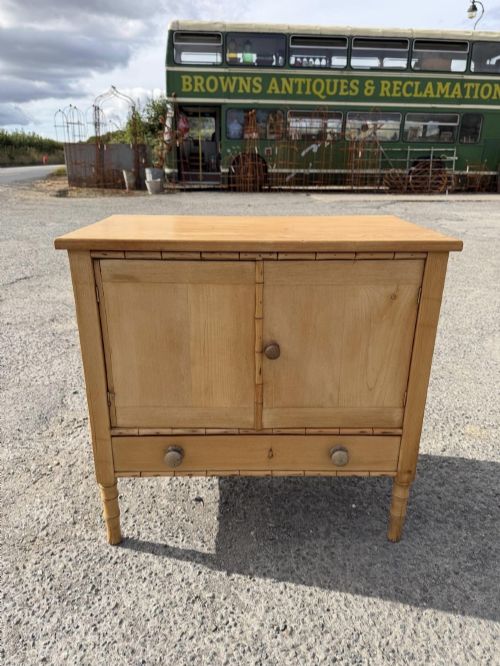
Provincial or regional pieces were made by local cabinet makers outside major metropolitan centres, utilising accessible native woods such as fruitwood, elm, ash and oak. Construction methods are straightforward and robust.
These items lack the sophisticated veneering and classical mounts found in London or Parisian workshops. Their charm lies in honest construction, regional vernacular forms and deep patination accumulated through generations of domestic use.