


Victorian Ebonised Settee
A victorian ebonised settee brings dark elegance and nineteenth-century craft to a room, offering both seating and striking decorative presence.
Victorian Ebonised Settee
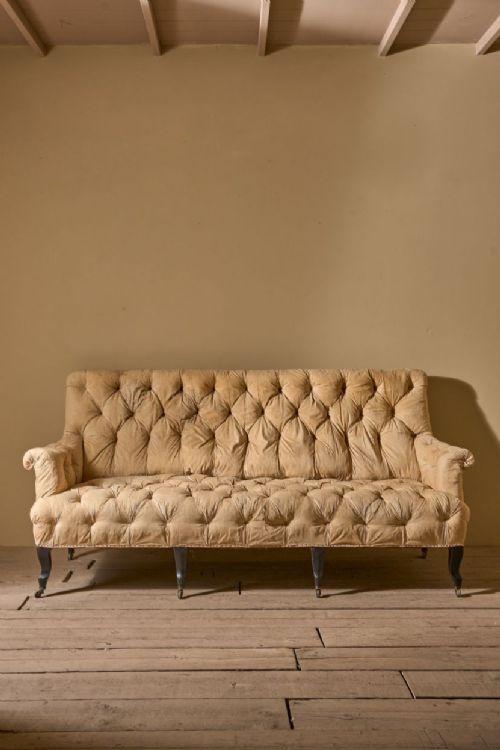
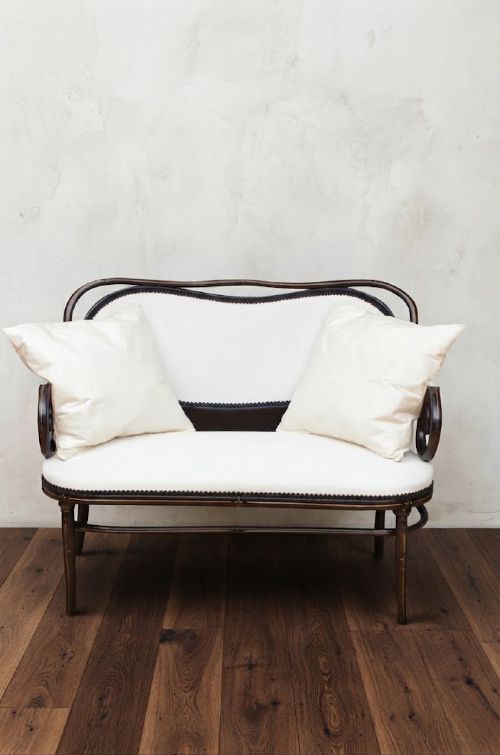
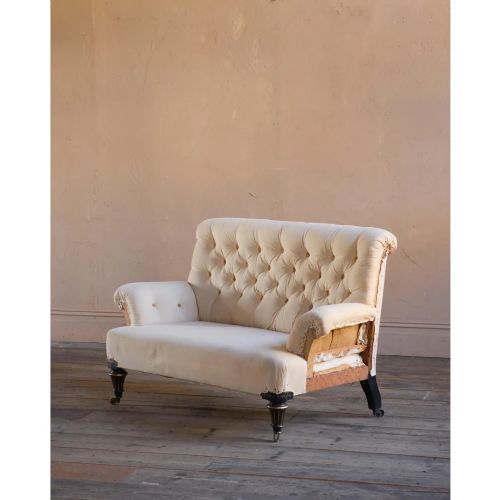
A victorian ebonised settee represents a distinct nineteenth-century seating form, finished with dark blackened wood that mimics expensive ebony. These pieces take various shapes, from buttoned salon sofas and occasional settees to scroll-end designs and window seats.
Buyers meeting this search phrase encounter styles spanning Aesthetic Movement, Napoleon III, Victorian Chinoiserie, and Louis XV Revival. The selection includes both compact two-seater settees and larger sofas framed in ebonised beech, mahogany, or amboyna wood.
Origins vary between British workshops and continental makers, incorporating upholstered elements in velvet, calico, and patterned fabric. Certain examples emerge from notable makers, while others reflect the broader nineteenth-century taste for dark wood finishes.
How they were made
Makers constructed these settees using solid timbers such as beech and mahogany, applying a dense ebonised finish to achieve a uniform black surface. Structural elements often combine bentwood techniques or carved scroll ends with exposed show wood frames.
Upholstery methods involved springing and stuffing seats and backs before applying top covers of velvet, calico, or decorative fabric. Details such as buttoning, brass mounts, inlay work, and hand-painted Chinoiserie motifs completed the construction.
Listings feature pieces spanning the nineteenth century, including specific dates from 1870 to 1900 alongside general nineteenth-century attributions.
What varies in quality
Quality shows in the crispness of the wood carving and the depth of the ebonised finish across the frame. Superior examples display refined proportions, whether in the sweep of a scroll-end sofa or the precision of inlaid medallions.
The standard of upholstery and the integrity of the underlying timber frame distinguish finer workshop productions from standard output. Signed pieces or works attributed to established cabinet-makers demonstrate higher levels of detailed execution.
Thonet·Jackson and Graham·Jas / James Shoolbred·Howard and Sons
The Victorian Ebonised Settee Glossary
- Ebonised
- Wood treated with stain, polish, or paint to imitate ebony. This finish became particularly popular during the nineteenth century for furniture matching exotic or aesthetic tastes.
- Aesthetic Movement
- A nineteenth-century design ethos prioritising visual beauty over narrative content. Pieces in this style often feature ebonised surfaces, geometric lines, and Japanese-inspired motifs like sunflowers.
- Settee
- A long upholstered seat with a back and arms, designed for more than one person. In nineteenth-century contexts, the term overlaps with sofa, settle, and salon bench.
- Chaise Longue
- An upholstered chair with a long seat large enough to support the legs. Napoleon III examples in the record include piecrust shapes.
- Chinoiserie
- European decorative style reflecting Chinese artistic influences. Victorian iterations on ebonised frames often combine painted motifs with decorative fabric.
Victorian Ebonised Settee: Frequently Asked Questions
What is an ebonised settee?
An ebonised settee is a nineteenth-century wooden seat finished with a black coating to resemble ebony wood. These pieces were designed for parlours and drawing rooms.
The style covers various nineteenth-century movements, incorporating exposed dark wood frames paired with upholstered seats and backs.
How do I identify an Aesthetic Movement settee?
Aesthetic Movement settees typically feature ebonised wood frames, clean structural lines, and decorative details like sunflower motifs or Japanese-inspired elements.
They often reflect the late nineteenth-century shift towards artistic interior design, contrasting with heavier mid-century upholstery styles.
What fabrics were used on these settees?
Original and replacement coverings include velvet, calico, and patterned upholstery fabrics. Many surviving examples feature buttoned backs and seats.
Makers selected textiles that complemented the dark ebonised wooden frames, ranging from plain fabrics to elaborate Chinoiserie designs.
Where were these settees placed?
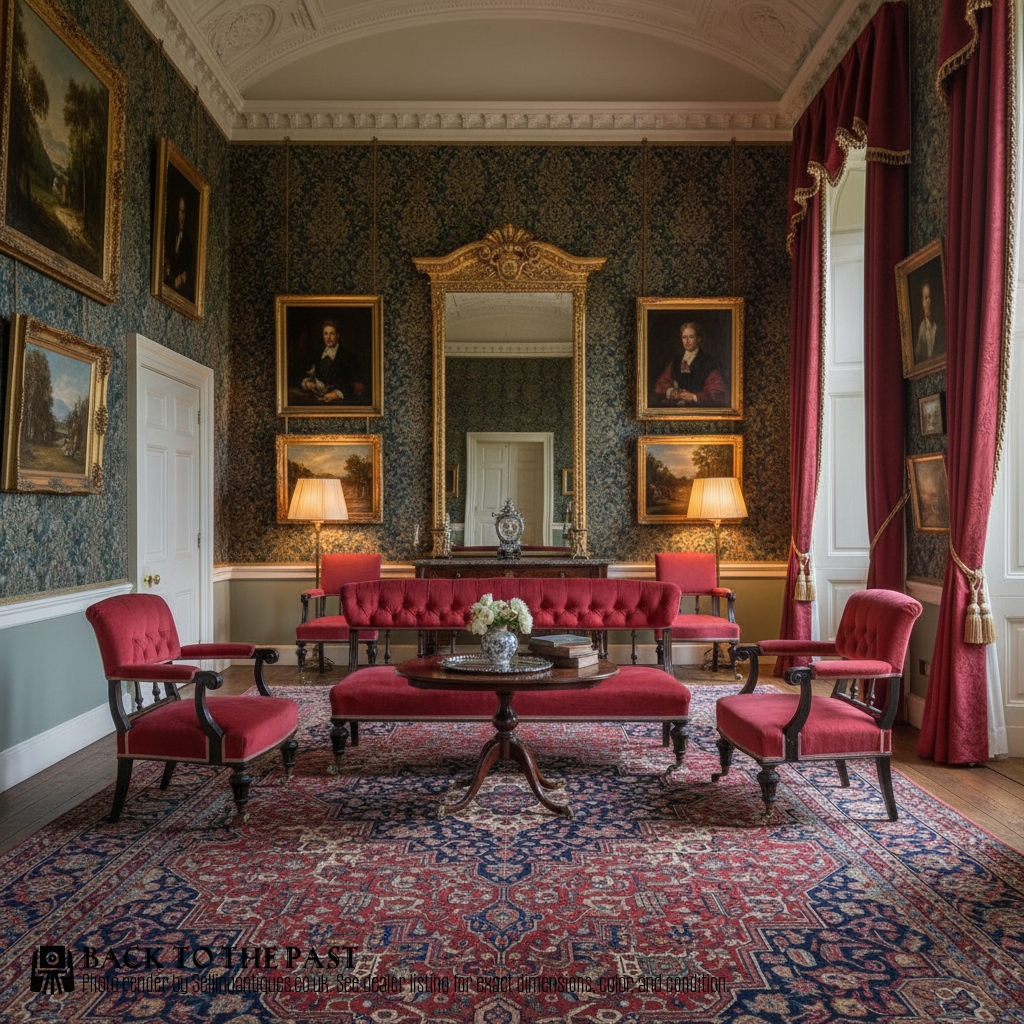
Nineteenth-century homes used these settees in formal reception rooms, drawing rooms, and occasionally window bays or hallways. Salon suites often matched the settee with complementary armchairs.
Their decorative dark frames allowed them to function both as practical seating and as visual centrepieces.