


Red Velvet Settee
A red velvet settee brings rich texture and traditional seating to a room, spanning Victorian, Edwardian, and later twentieth century forms.
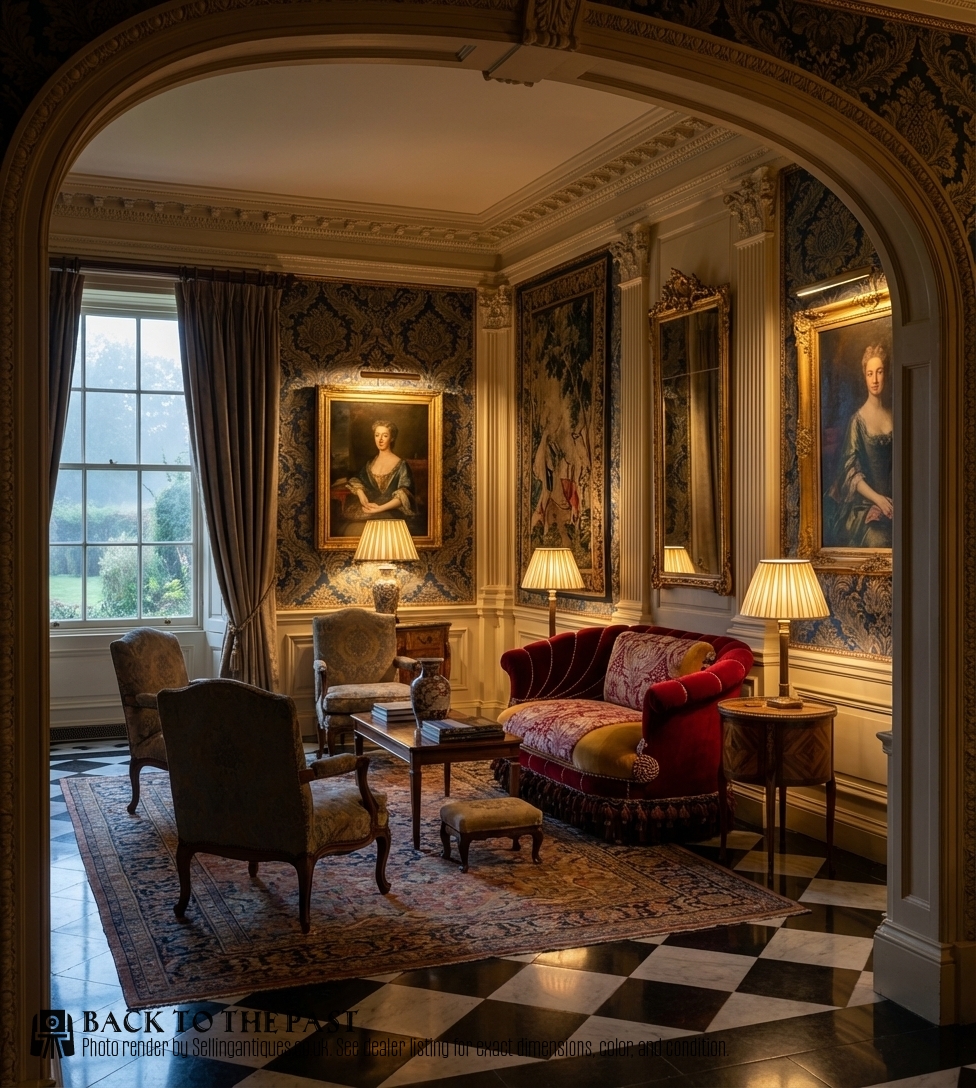
Red Velvet Settee
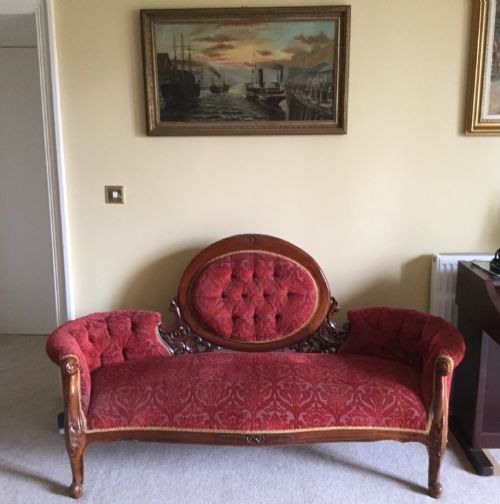
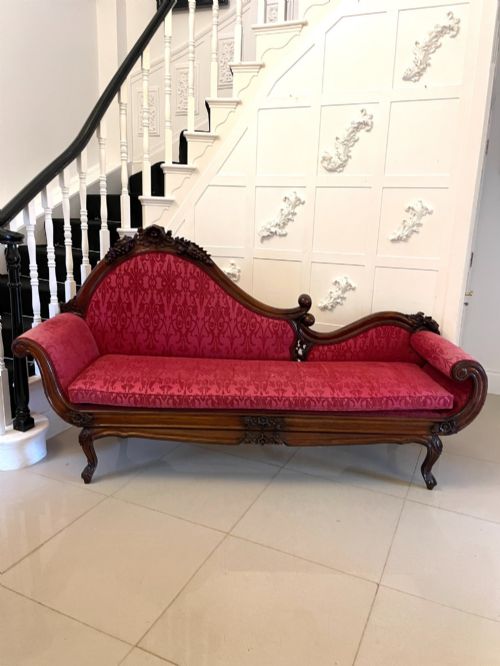
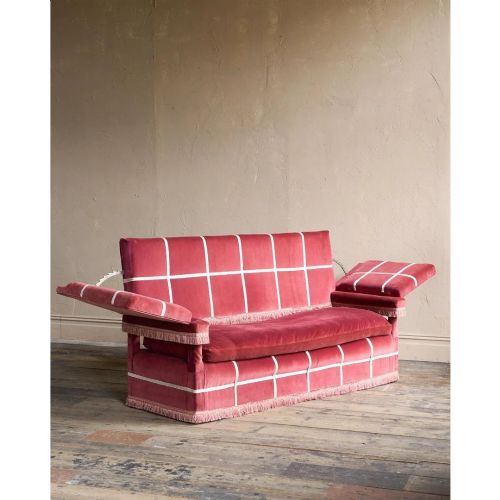
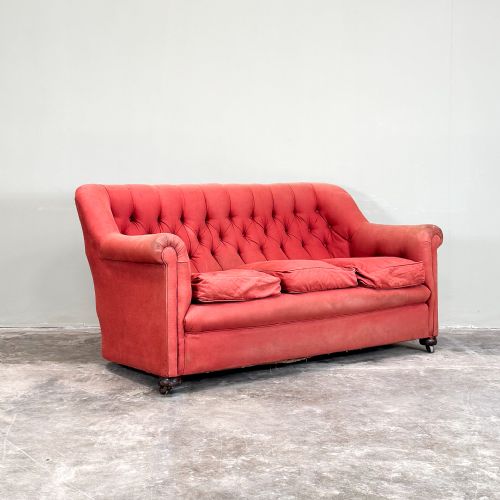
A red velvet settee is a traditional upholstered seating piece designed for multiple occupants, appearing in various historic styles and forms across our listings. When you search for a red velvet settee, you encounter diverse iterations ranging from Victorian buttoned backs and carved mahogany frames to later twentieth century deep seated designs.
The selection includes specific regional and stylistic variations such as English Country House models, Austro-Hungarian shell shaped sofas, and Aesthetic movement ebonised occasional settees. Buyers frequently find pieces paired with matching armchairs or configured as double ended sofas and window seats.
Originating across periods from the nineteenth century through the 1930s, these settees combine substantial wooden frames with plush textile coverings. Each example reflects the prevailing interior tastes of its specific decade, from Georgian proportions to early twentieth century comfort.
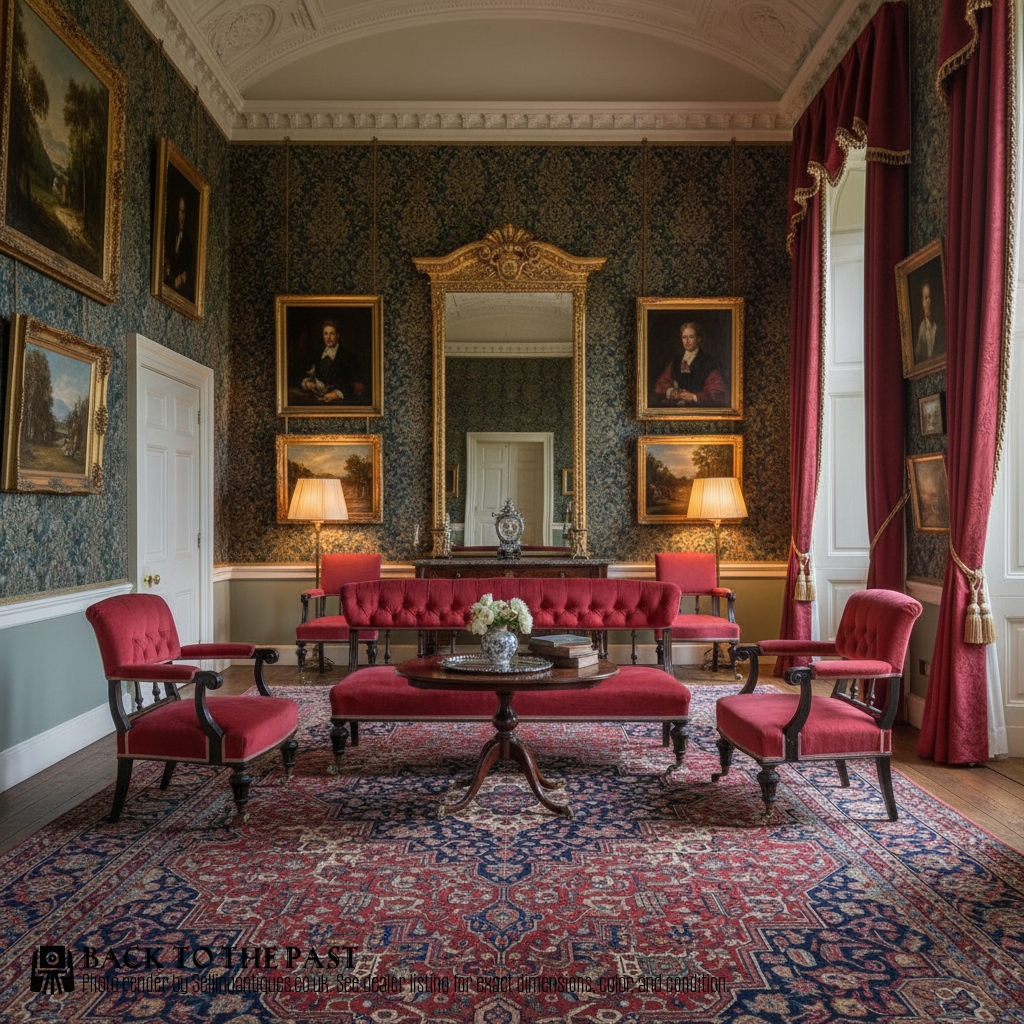
How they were made
Construction relies upon robust timber frames built from materials such as mahogany, walnut, oak, and general wood or timber. These structural skeletons provide the necessary rigidity for supporting sprung bases and heavy upholstery layers.
Surface treatments and decorative details involve carved woodwork, ebonised finishes, and exposed brass elements. Upholstery techniques utilise deep pile brocade, damask, fabric, and velvet, often finished with buttoned back detailing.
Periods represented span the 19th Century, 1860, 1880, 1900, 1910, 1920, and 1930.
What varies in quality
Quality differences emerge in the execution of the woodwork, from plain structural timber to intricately carved mahogany and walnut frames. The precision of period details, such as serpentine camel backs and shell shaped silhouettes, separates standard production from finer craftsmanship.
The standard of upholstery materials and execution dictates the finish of each piece, distinguishing simple fabric coverings from deep pile brocade, damask, and buttoned velvet work. Maker attribution, seen in workshop furniture suites, also influences the standing of individual examples.
Hampton & Sons·John Tesch
The Red Velvet Settee Glossary
- Settee
- A long upholstered seat for more than one person, often featuring a back and arms. This form serves as a primary descriptor for many traditional living room seating options.
- Velvet
- A closely woven textile with a thick, soft pile that provides a rich surface texture. It appears frequently across nineteenth and twentieth century upholstery.
- Brocade
- A rich decorative shuttle woven fabric, often featuring raised patterns. It is utilised on pieces requiring a more formal or ornate textile finish.
- Chaise Longue
- An upholstered sofa in the shape of a chair with a long seat large enough to support the legs. These pieces combine lounging comfort with formal nineteenth century framing.
- Ebonised
- Wood finished to resemble ebony through a staining or painting process. This technique defines specific Aesthetic movement frames.
Red Velvet Settee: Frequently Asked Questions
What periods do these settees cover?
The selection spans from the nineteenth century through the 1930s, encompassing Victorian, Edwardian, and later twentieth century eras.
Specific decades represented include the 1860s, 1880s, 1900, 1910, 1920, and 1930.
How were these settees originally used?
They functioned as primary seating furniture in parlours, drawing rooms, and halls across English Country Houses and continental interiors.
Certain forms like window seats and occasional settees served specialised placement needs near windows or in smaller rooms.
What wood types are found in the frames?
Frames are constructed from traditional cabinet timbers including mahogany, walnut, and oak.
Some pieces feature ebonised wood finishes or general timber and wood construction beneath the upholstery.
Are matching chairs ever included?
Yes, certain listings comprise complete furniture suites or paired settee and armchair combinations.
These suites provide a cohesive seating arrangement originating from the same period and workshop.
What textile types appear on the upholstery?
Upholstery materials include velvet, brocade, damask, and general fabric.
Many examples feature deep pile variations, buttoned back detailing, and re-upholstered surfaces.