
Victorian Chesterfield Couch
A victorian chesterfield couch offers deep buttoning and generous proportions, bringing grounded comfort and period character to any room.
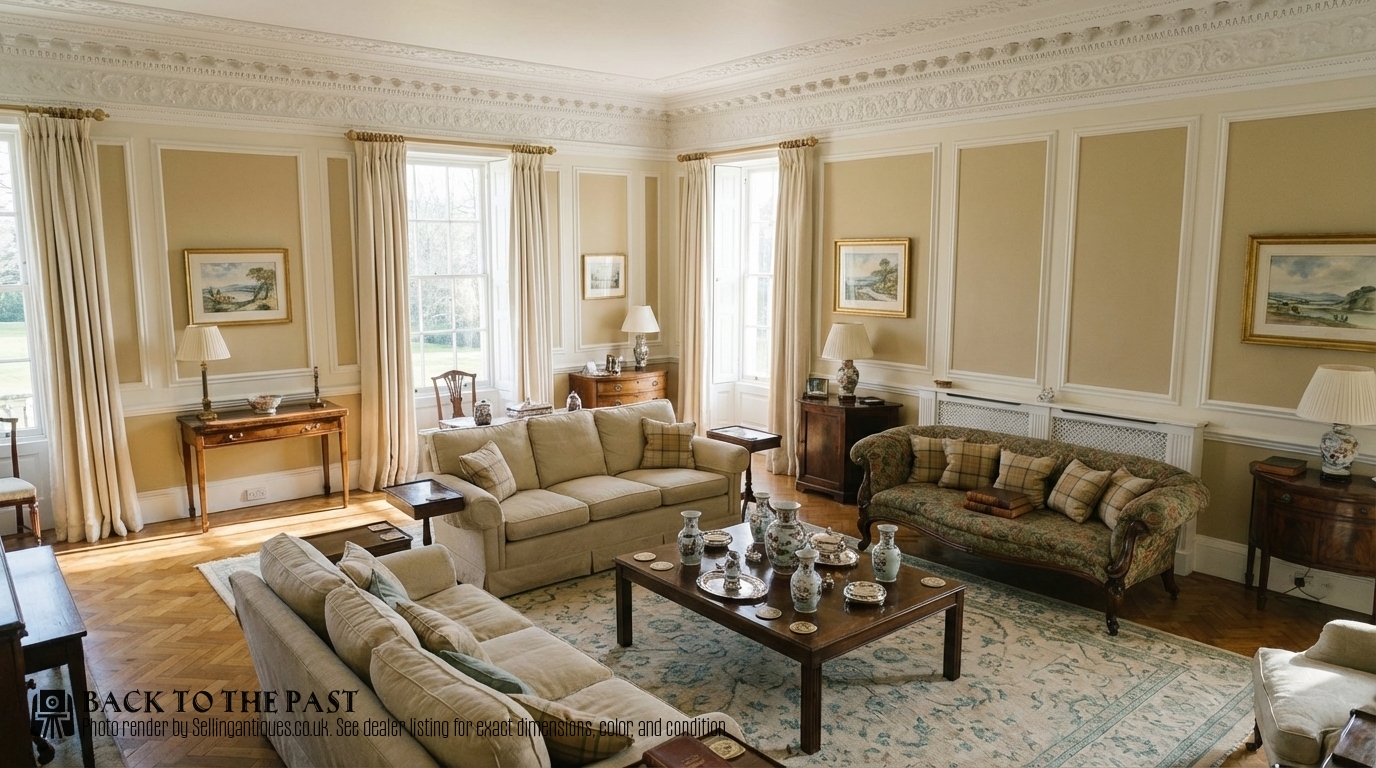
Victorian Chesterfield Couch
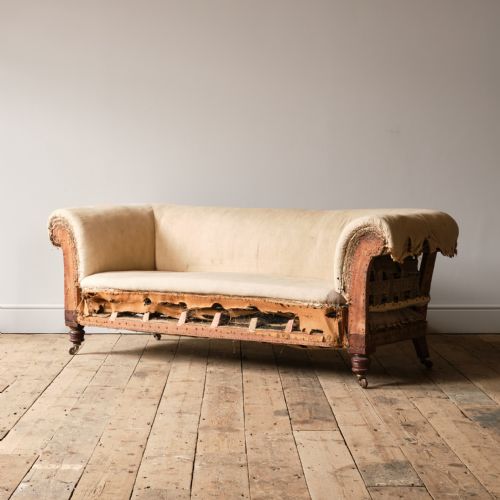
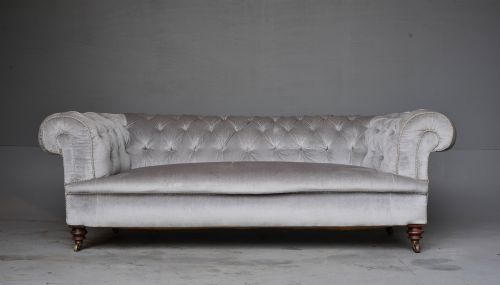
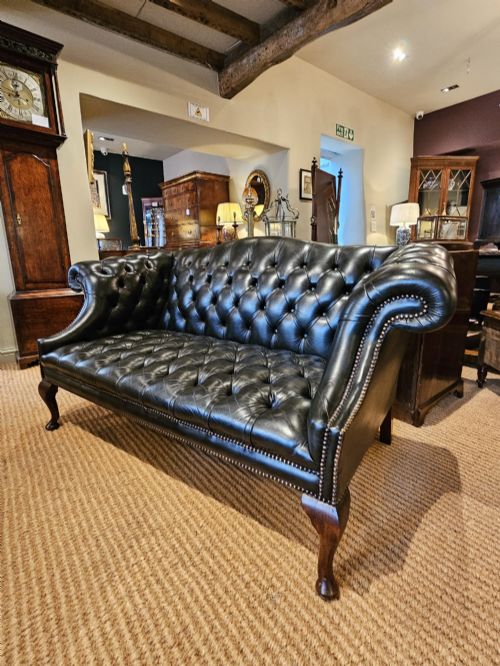
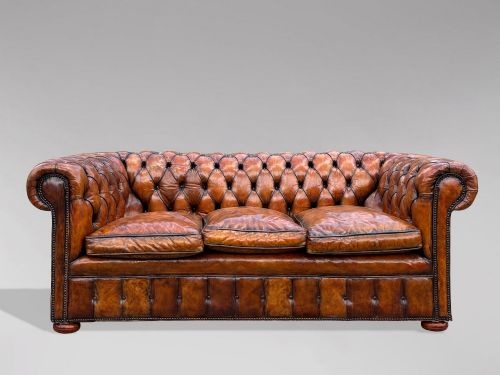
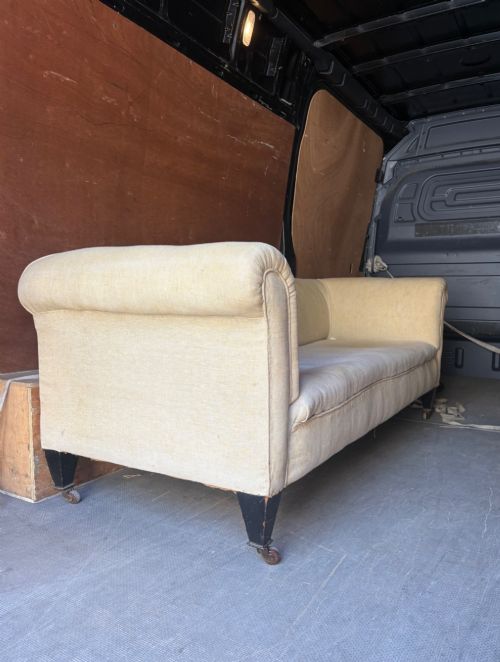
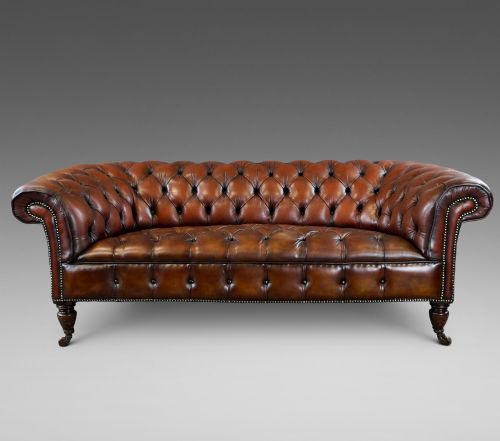
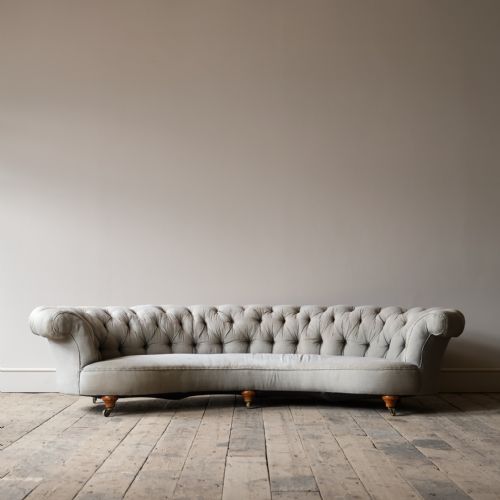
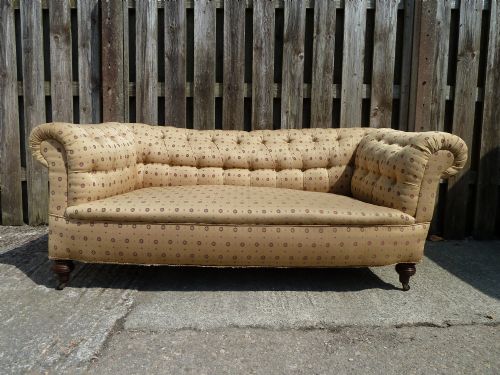
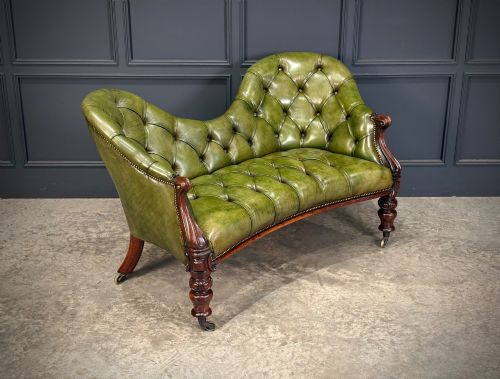
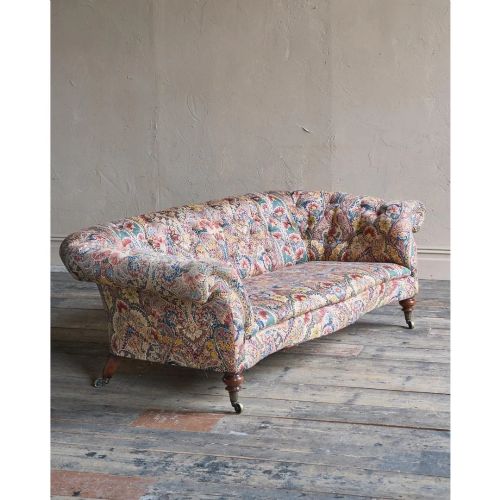
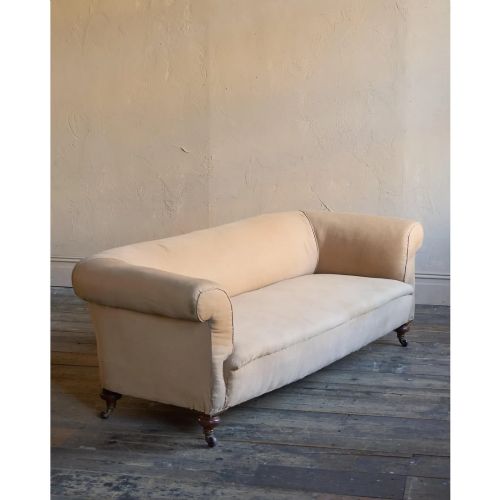
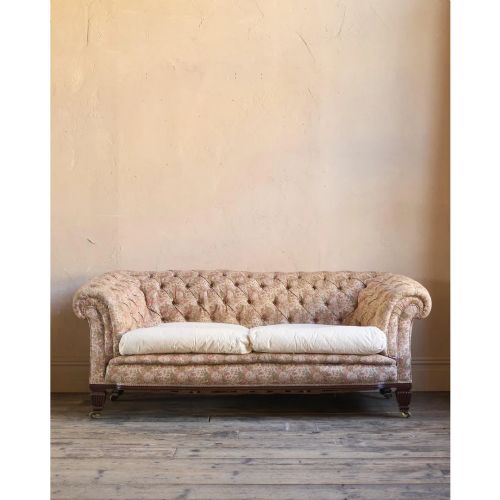
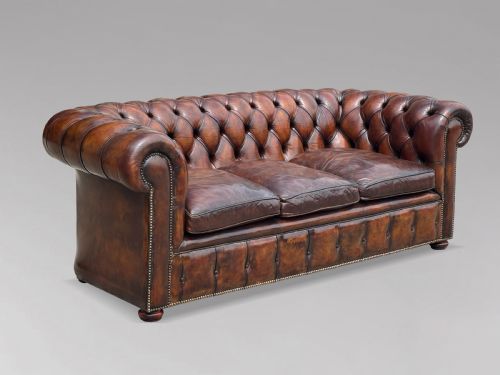
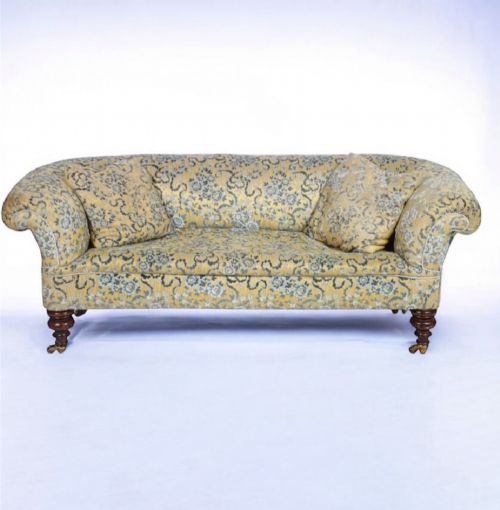
When you search for a victorian chesterfield couch, you are looking at substantial seating built during the nineteenth century, often upholstered in leather or fabric. These pieces typically feature low backs and scrolled arms designed for formal reception rooms.
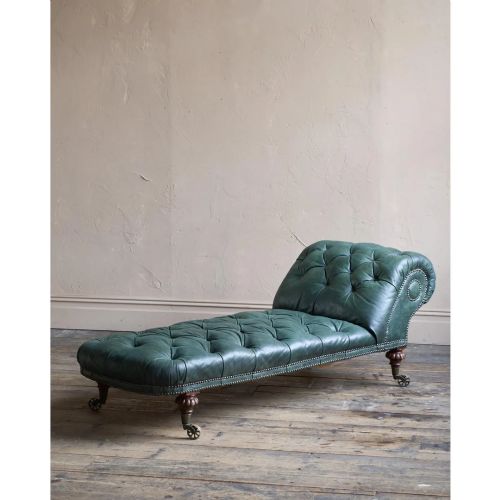
You are most likely to meet three-seater or two-seater sofas on this page, alongside occasional drop-end sofas and chaise longues. The listings span the Victorian era, the Aesthetic Movement, and Edwardian periods.
Originating as gentleman's club and country house seating, these couches combine robust timber frames with generous padding. They remain central to traditional and eclectic interiors alike.
How they were made
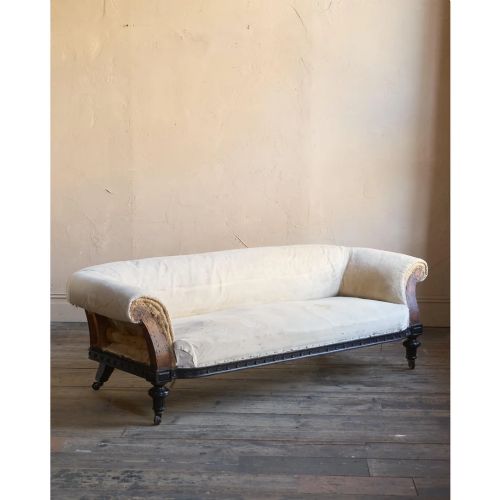
Maker workshops built these pieces using hardwood and mahogany frames, often supported by turned wood feet and brass castors. The underlying construction relied on durable timber foundations designed to bear heavy everyday use.
Upholstery techniques combined deep buttoning with hand-dyed leather, velvet, calico linen, or traditional fabric. Skilled artisans secured the springs and stuffing by hand to create resilient, supportive seating surfaces.
Victorian Chesterfield Couch Retail Price Guide 2026
Typical asking prices for victorian chesterfield couch among the pieces listed under this phrase on Sellingantiques today, from the lower quarter to the upper quarter. They describe what is for sale here now, not the wider market.
Listings feature pieces spanning the 1850s through to 1930, utilising mahogany, walnut, brass, leather, and velvet.
What varies in quality
Quality in a victorian chesterfield couch rests primarily in the integrity of the original timber frame and the depth of the hand-carved details. Examples retaining their un-restored leather patination or stamped maker marks command greater attention from collectors.
The precision of the deep buttoning and the weight of the underlying hardwood structure distinguish finer workshop output from simpler domestic seating. Original upholstery elements, where preserved, indicate the standard of craftsmanship commissioned by the original buyer.
Howard and Sons·Hampton and Sons·Jas Shoolbred·Gillows
The Victorian Chesterfield Couch Glossary
- Chesterfield
- A deep-buttoned upholstered sofa featuring arms and back of the same height. This traditional seating form has remained popular since the nineteenth century.
- Button-back
- An upholstery method where tufting buttons are pulled tight into the padding to form geometric diamond patterns. This technique creates structural firmness and a tailored appearance.
- Chaise longue
- An upholstered long chair designed for reclining, combining a sofa back with an extended seat. These pieces appeared frequently in formal Victorian drawing rooms.
- Drop-end
- A sofa design incorporating a hinged arm that can be lowered to form a daybed. This mechanism adds versatility to the seating arrangement.
- Show-frame
- A exposed wooden structural frame surrounding the upholstered sections of a couch. Walnut and mahogany were frequently utilised for these decorative borders.
Victorian Chesterfield Couch: Frequently Asked Questions
How do I identify a Victorian Chesterfield?
Look for heavy hardwood frames, traditional hand-tied coil springs, and deep buttoning executed in leather or heavy fabric. Maker stamps on the castors or timber frame often confirm the period and origin.
Proportions tend to be deeper and lower than twentieth-century reproductions, reflecting nineteenth-century standards of comfort and room design.
Were Chesterfields always upholstered in leather?
While leather remains common, nineteenth-century workshops also used velvet, calico linen, and traditional woven fabrics. Country house examples frequently utilised durable textiles alongside dyed leathers.
Fabric choice depended on whether the couch was destined for a study, a library, or a formal drawing room.
Can I use a Chesterfield in a modern home?
These couches anchor contemporary living spaces by introducing historic texture and strong architectural lines. Their generous seating depth suits modern lounging while adding distinct period character.
Pairing a nineteenth-century couch with minimal surroundings highlights the quality of the leather and the carved wood details.