
Button Backed Sofa
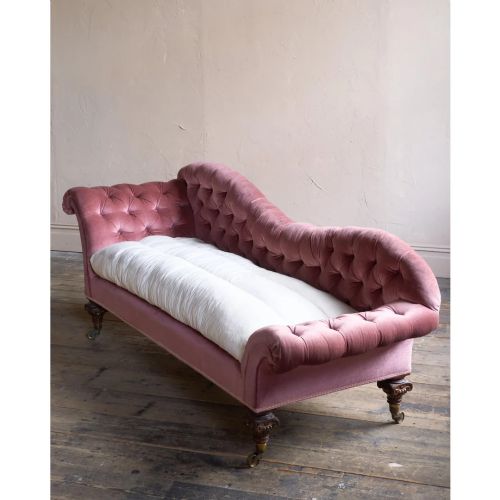
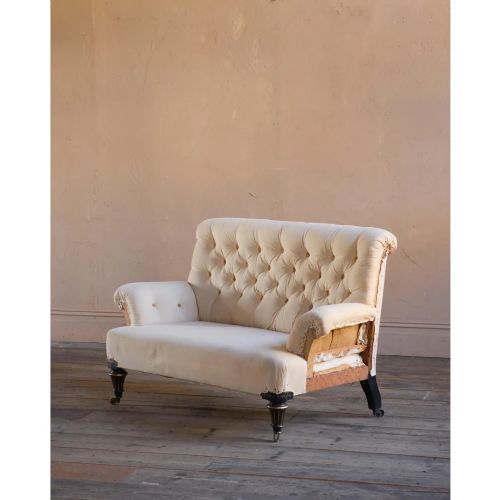
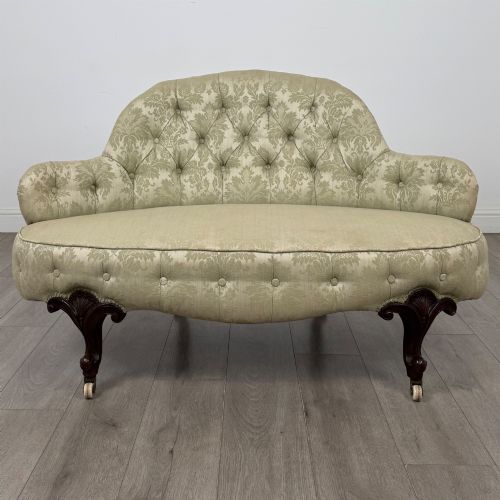
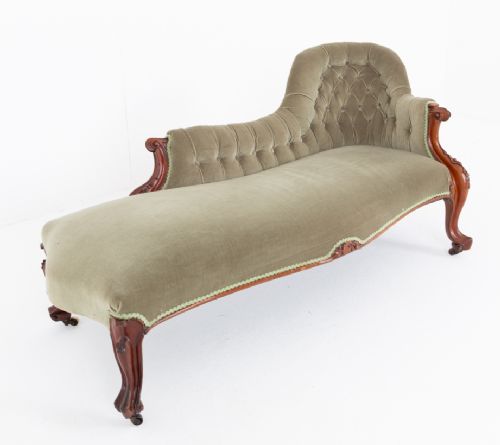
A button backed sofa offers deep, tufted comfort and traditional presence, making it a focal point in any period room.
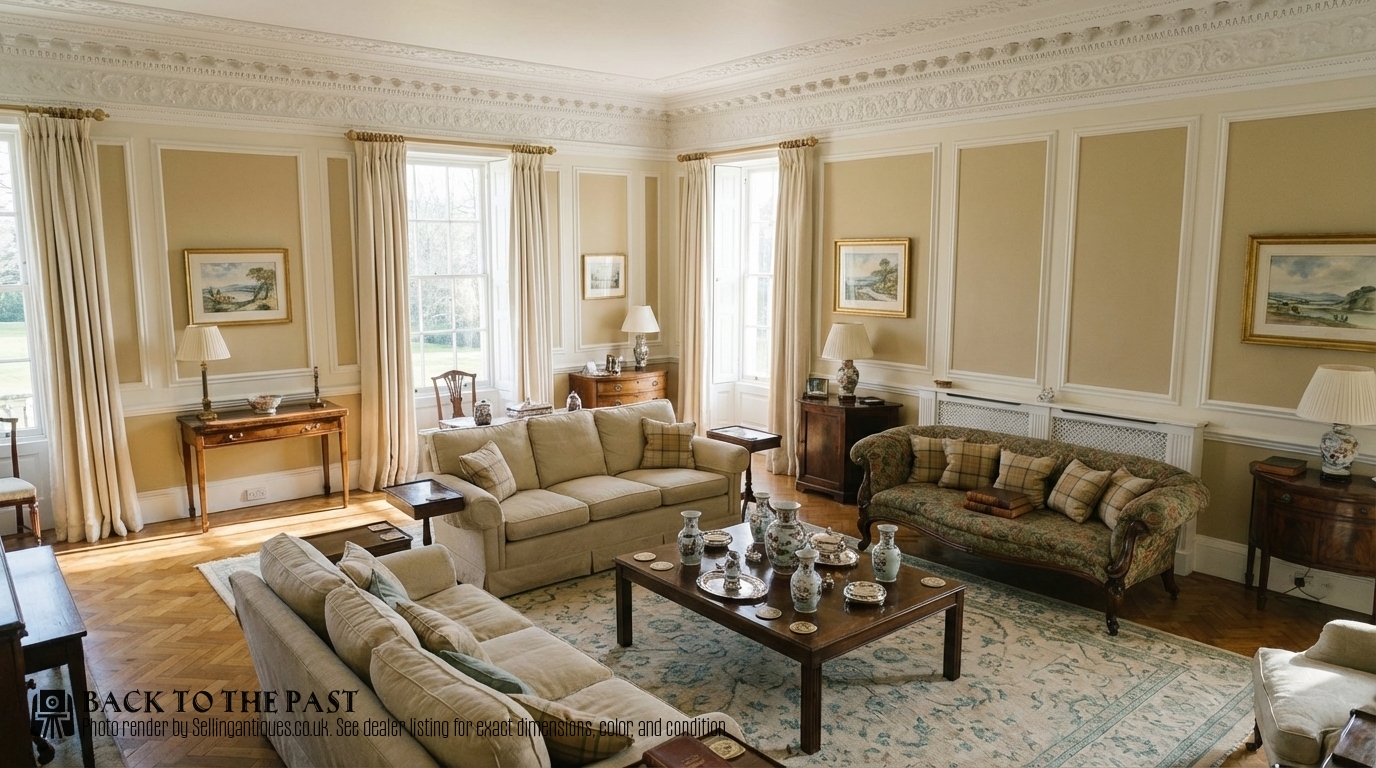
What a button backed sofa is
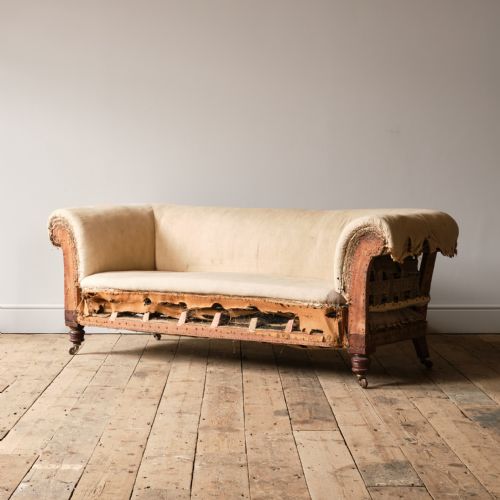
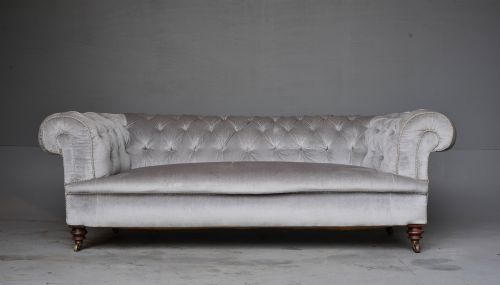
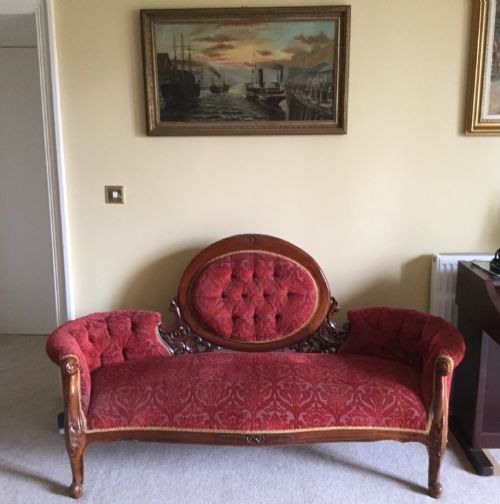
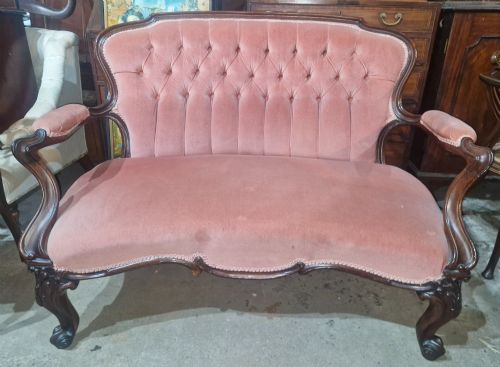
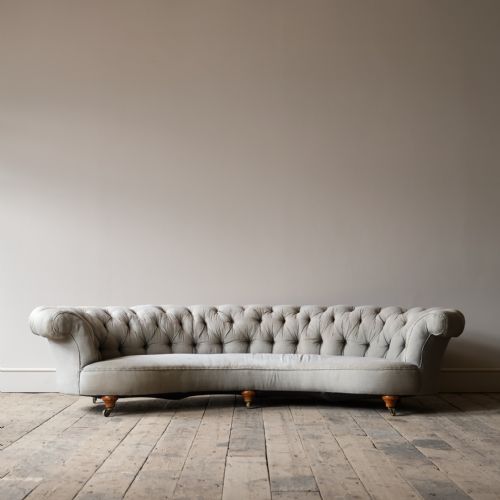
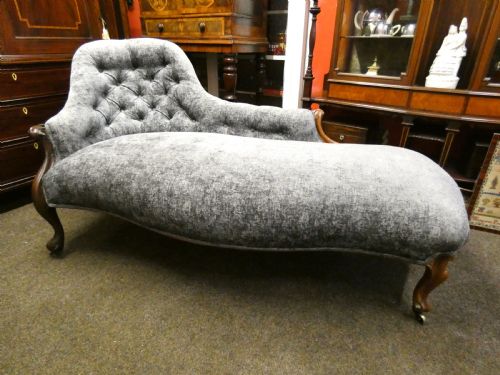
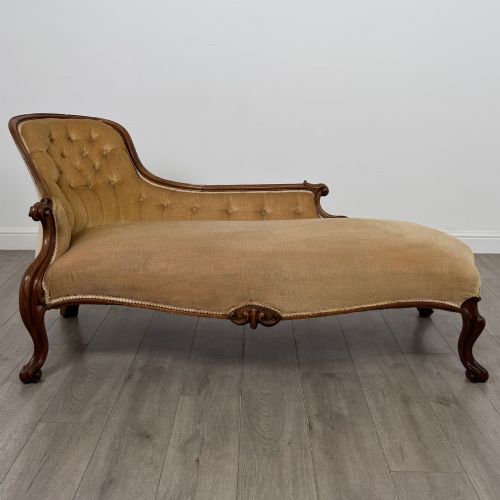
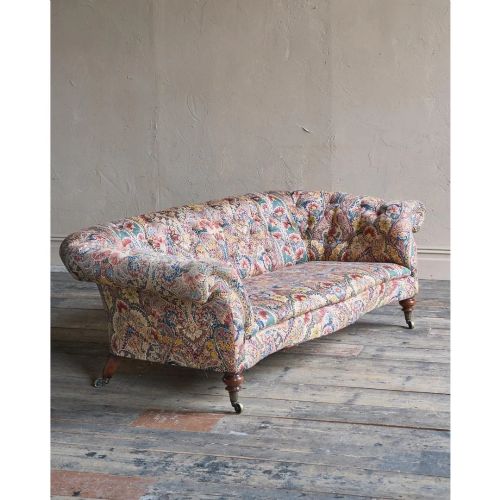
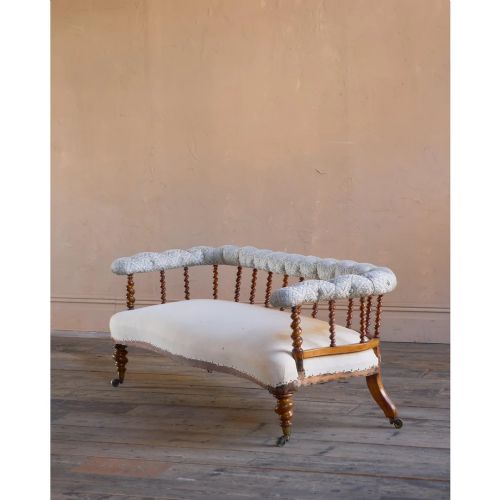
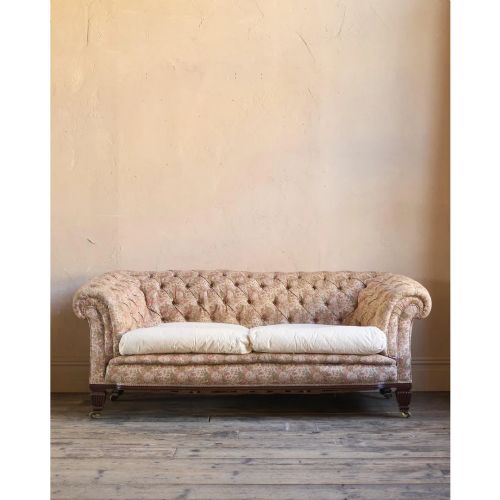
A button backed sofa provides deep comfort through generous padding and classic tufting. The selection includes Victorian and Edwardian examples alongside robust settee forms.
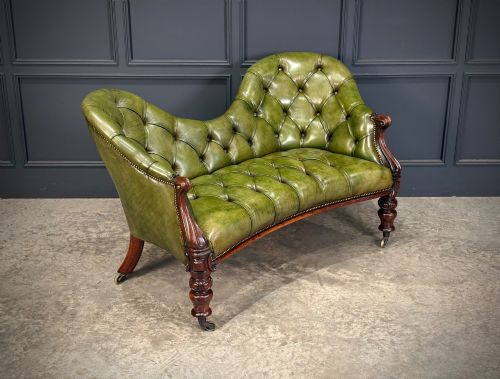
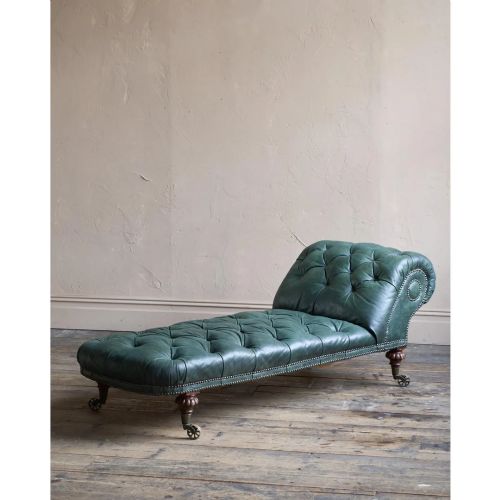
The most common form on this page is the traditional Chesterfield, upholstered in leather, velvet, or brocade. These pieces span the nineteenth century and into the early twentieth century.
Makers such as Howard and Sons and Hampton and Sons of Pall Mall appear among these nineteenth-century listings. Buyers encounter both restored antiques and pieces ready for custom hand-dying.
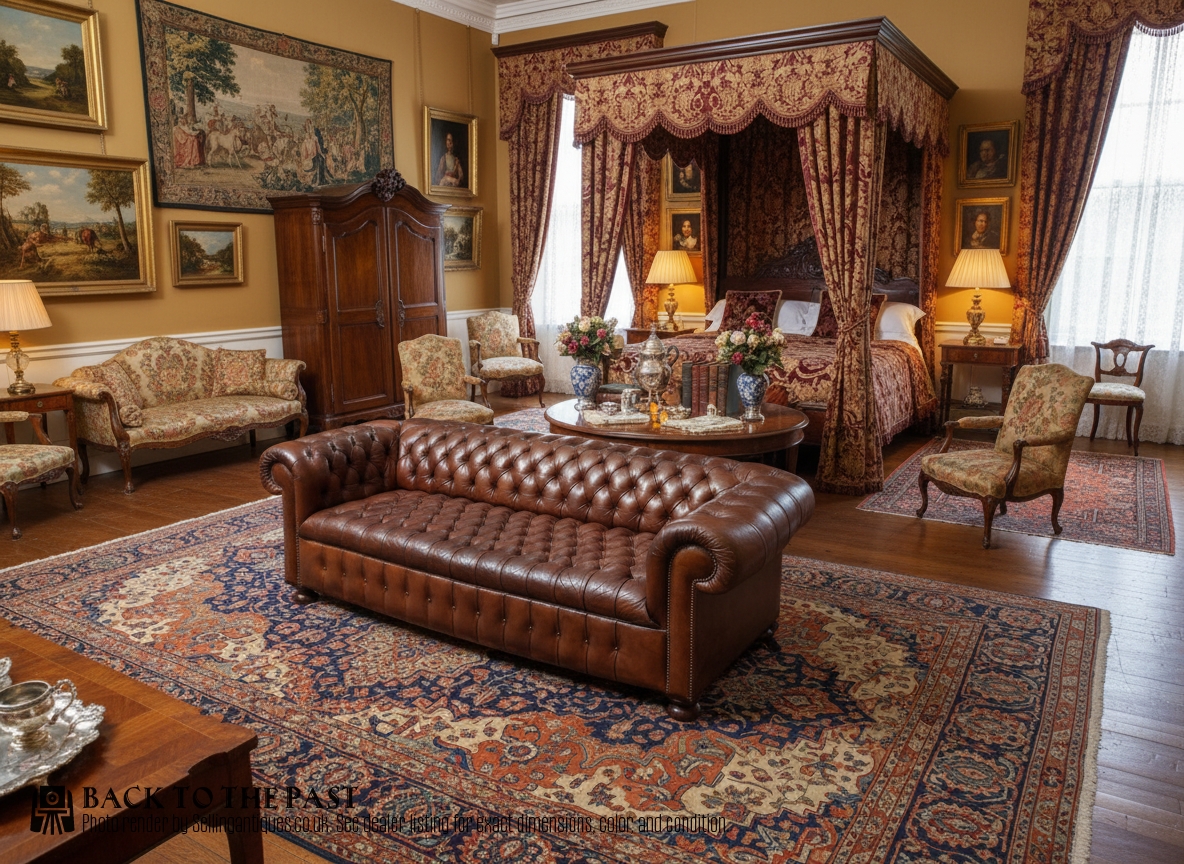
How they were made
Construction relies upon sturdy timber frames built from mahogany, rosewood, walnut, and general timber. These frames support sprung settee bases designed for durability and resilience.
Upholstery involves traditional materials including leather, velvet, and deep pile brocade, secured with brass detailing. Hand carving appears on specific frames, notably lion-carved woodwork.
Retail Price Guide 2026
Typical UK retail prices for button backed sofa, calculated from the Sellingantiques database of over a million retail prices indexed since 2003. This retail price guide relies exclusively on Sellingantiques data; no external sources or auction records are used, so the figures do not describe the wider market.
Listings span the Victorian and Edwardian eras, featuring timber frames in mahogany, rosewood, and walnut.
What varies in quality
Quality separates through the integrity of the timber frame and the precision of the upholstery work. Hand-carved details and premium leather hides distinguish superior examples from standard builds.
The depth of the buttoning and the execution of the springing determine the seating comfort and structural longevity. Original maker attribution by houses like Howard and Sons elevates the standing of a piece.
Howard and Sons·Hampton and Sons of Pall Mall
The Button Backed Sofa Glossary
- Chesterfield
- A large upholstered sofa with arms and back of the same height, traditionally featuring deep button tufting. It represents the quintessential form seen across these listings.
- Brocade
- A rich, heavy fabric with a raised pattern woven into it, often utilised for traditional upholstery. This material provides a distinct texture compared to flat woven textiles.
- Settee
- A long upholstered seat with a back and arms, functionally similar to a sofa. The term appears interchangeably with sofas in nineteenth-century contexts.
- Rosewood
- A dense, dark timber valued for its fine grain and polished finish, used in Victorian furniture framing. It offers a striking aesthetic contrast to standard mahogany.
Frequently Asked Questions
How do I date a leather Chesterfield?
Dating involves examining the timber framework, the style of the legs, and the construction of the internal springing. Nineteenth-century examples often display denser hardwoods and hand-tied springs.
Maker stamps on the castors or frame woodwork help confirm the period and origin. Stylistic markers like carved lions or double-ended forms also point to specific decades.
Are these sofas comfortable for daily use?
These sofas provide firm, supportive seating through traditional sprung bases and dense upholstery. Many historical pieces feature deep proportions designed for relaxation.
Restoration often updates internal webbing and springs while preserving the exterior leather or fabric. This ensures modern durability without altering the historical character.
How do I maintain leather upholstery?
Leather upholstery requires regular dusting and occasional conditioning to prevent the hide from drying out. Hand-dyed and raw leathers respond well to traditional balms and waxes.
Keeping the sofa away from direct sunlight and heat sources preserves the natural colour and suppleness. Gentle care maintains the patina developed over decades of use.