
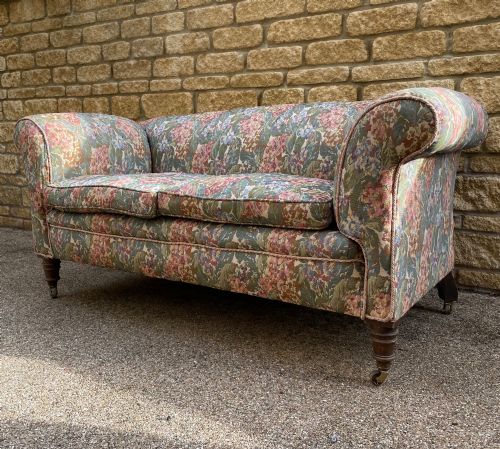
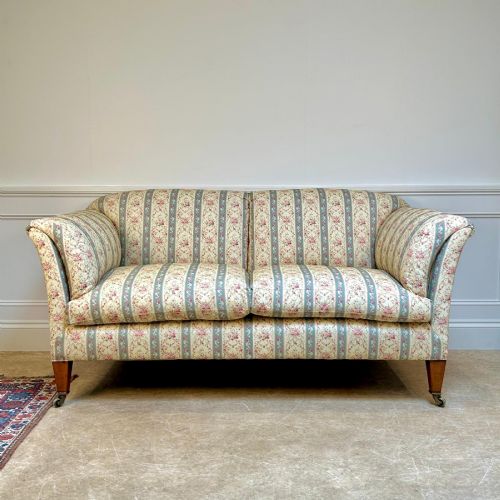
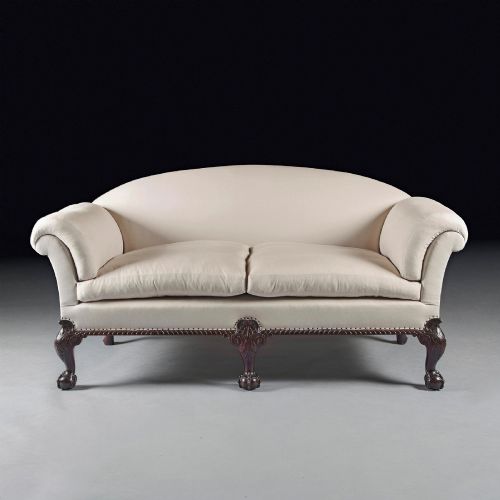
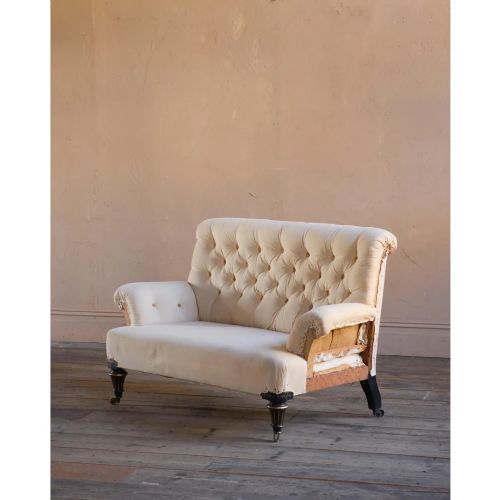
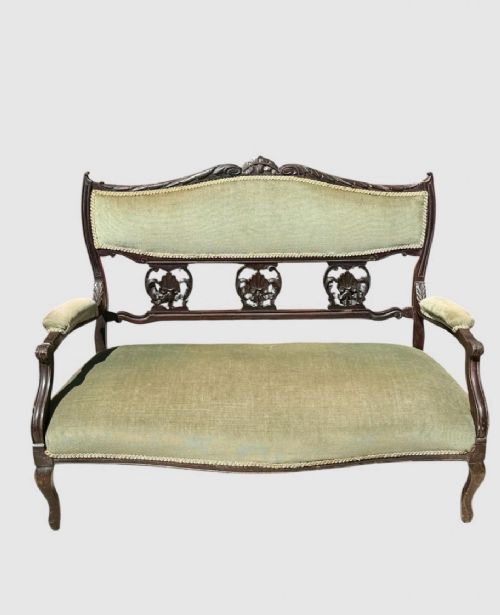
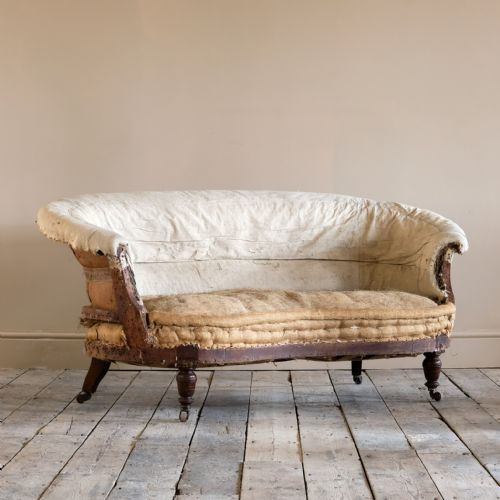


Victorian Two Seater Sofa
A victorian two seater sofa brings intimate scale and period craftsmanship into a room.
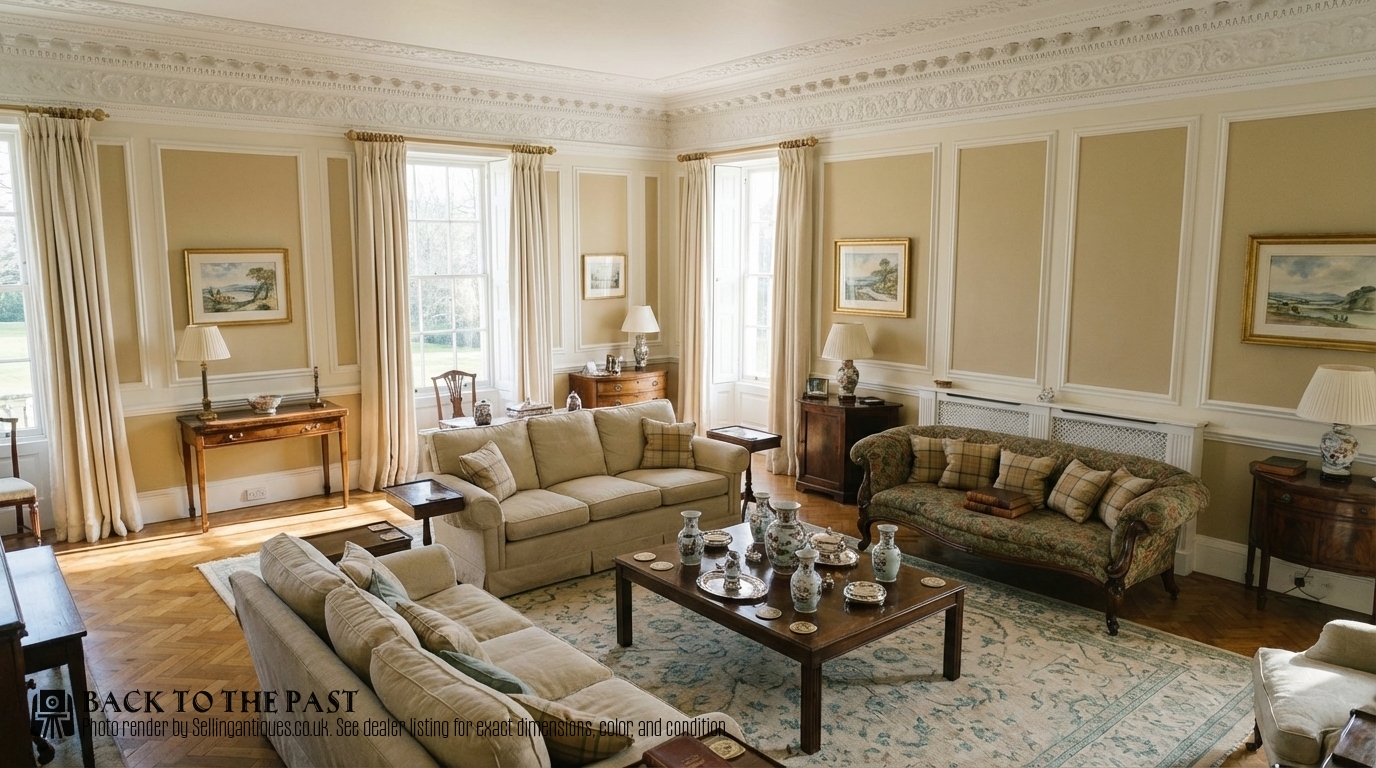
Victorian Two Seater Sofa
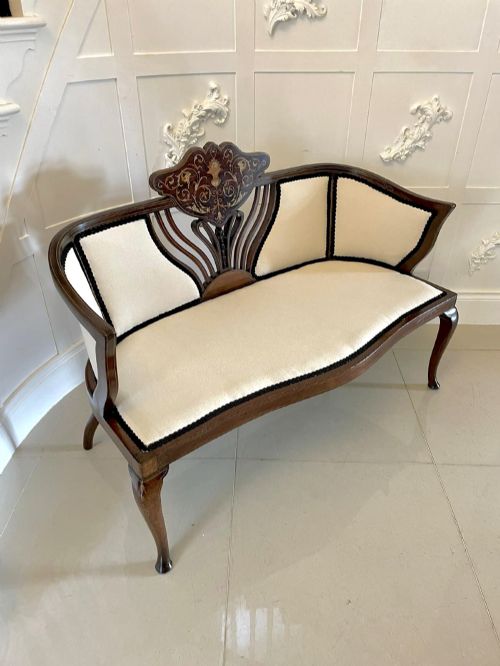
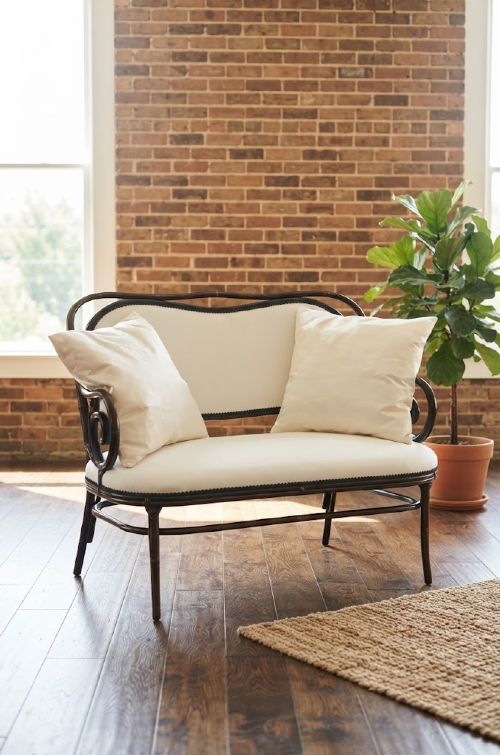
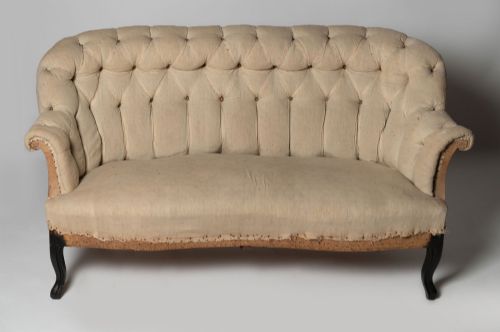
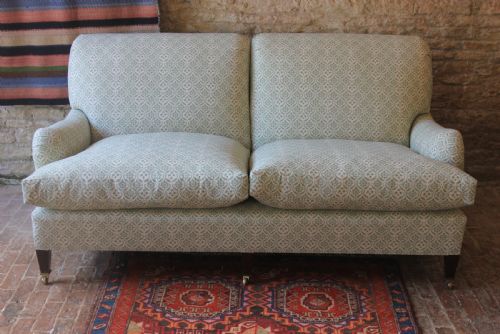
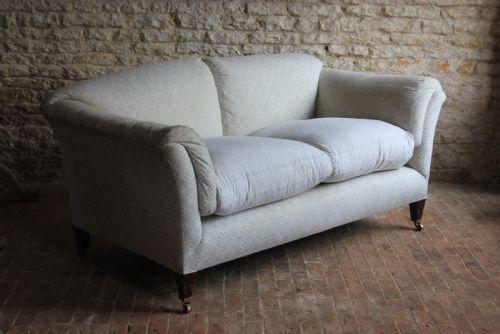
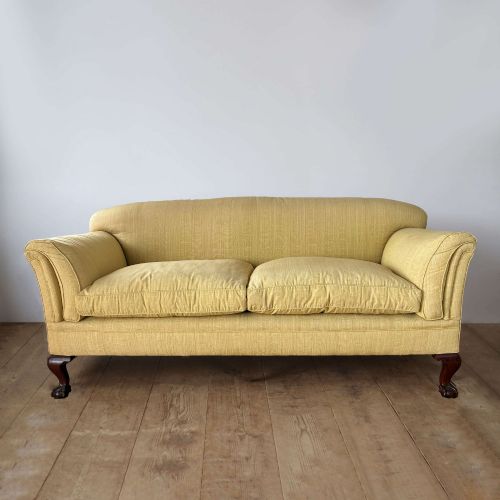
When you search for a victorian two seater sofa, you encounter compact upholstered seating designed for nineteenth-century drawing rooms and parlours. These pieces appear under various historical terms in the evidence, including settee, couch, love seat, and twin chair back sofa.
The versions most commonly met on this page span the Victorian era, late Victorian period, and surrounding decades up to nineteen-thirty. They combine timber frames with sprung upholstery, accommodating two people comfortably within a smaller footprint than a standard three-seater.
How they were made
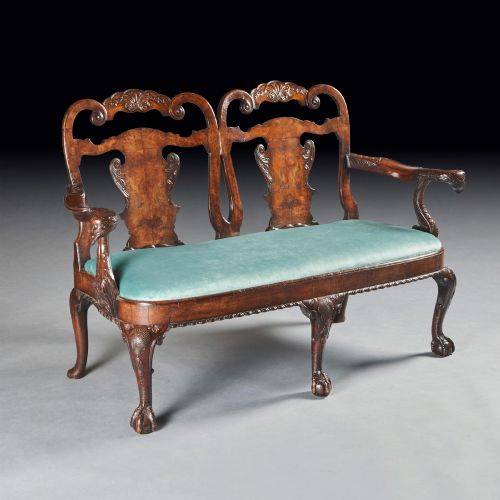
Frames rely on hardwoods such as mahogany, walnut, rosewood, and beech, chosen for structural strength and suitability for carving or inlay. Joinery techniques from the nineteenth century ensure stability across the load-bearing joints of the arms and legs.
Upholstery methods incorporate traditional stuffing materials like horsehair, secured over metal coil springs and finished with fabrics including velvet, leather, ticking, and calico. Show-wood elements receive hand-carved details, turned legs, or brass castors.
Listings feature woods like mahogany and walnut alongside leathers, velvets, and ticking fabrics.
What varies in quality
The distinction between standard production and top-tier pieces rests on the integrity of the frame construction and the refinement of the carved or inlaid details. Maker attribution significantly elevates a piece, particularly when bearing the stamp of prominent nineteenth-century workshops.
Quality also resides in the preservation of original materials, from hand-dyed leather to ebonised finishes, alongside the fidelity of revival styles executed after earlier eighteenth-century designs.
Thonet·Howard and Sons·Jackson and Graham·Hampton and Sons·Butlers of Dublin
The Victorian Two Seater Sofa Glossary
- Drop arm
- A mechanical sofa arm that can be lowered on one or both sides to create a daybed or chaise lounge. This mechanism utilises internal metal brackets.
- Button back
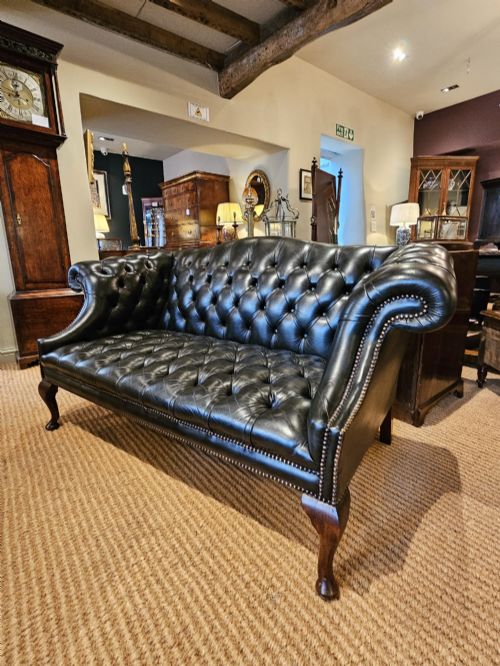
- An upholstery style where deep depressions are formed by pulling twine through the padding to secure buttons in a grid pattern. It creates distinct diamond shapes across the backrest.
- Chesterfield
- A large upholstered sofa characterised by rolled arms and backrests of the same height, traditionally finished in deep buttoning and leather. Nineteenth-century examples often feature sprung seats.
- Ebonised
- Timber treated with a chemical stain or dark finish to imitate ebony. This technique was popular during the Aesthetic Movement.
- Inlay
- The insertion of contrasting woods or other materials into recesses within the primary wood surface to form decorative motifs. Mahogany pieces frequently display delicate stringing or floral marquetry.
Victorian Two Seater Sofa: Frequently Asked Questions
How do I identify a genuine period piece?
Examine the timber species, hand-cut joinery, and traditional upholstery stuffing beneath the fabric layers. Nineteenth-century frames show appropriate tool marks and wear patterns consistent with age.
Maker stamps on wooden rails or brass castors provide definitive attribution. Comparing the overall proportions and decorative motifs to documented examples from the same decade confirms authenticity.
Were these sofas used in bedrooms?
Smaller compact settees and window seats frequently furnished Victorian bedrooms, dressing rooms, and private boudoirs. Their intimate scale made them suitable for private spaces rather than formal reception rooms.
Drop-arm variants offered versatile resting places during daytime hours. Upholstery choices for bedroom seating often matched the lighter decorative schemes of private chambers.
Can I use modern fabrics for reupholstery?
Contemporary textiles work well on nineteenth-century frames provided the weight and drape suit the scale of the piece. Selecting traditional weaves like velvet, leather, or heavy linen maintains historical sympathy.
Retaining the underlying spring and stuffing configuration preserves the correct seating height and firmness. Professional upholsterers ensure traditional techniques support modern fabric choices.
What is the difference between a settee and a sofa?
Historical terminology often used settee and sofa interchangeably, though settees traditionally featured more exposed wooden framing. Sofas tended to incorporate heavier, fully upholstered padding across the arms and back.
Both terms describe two-seater upholstered resting furniture from the Victorian period. The specific designation in listings usually reflects regional preference or the prominence of the show-wood frame.