
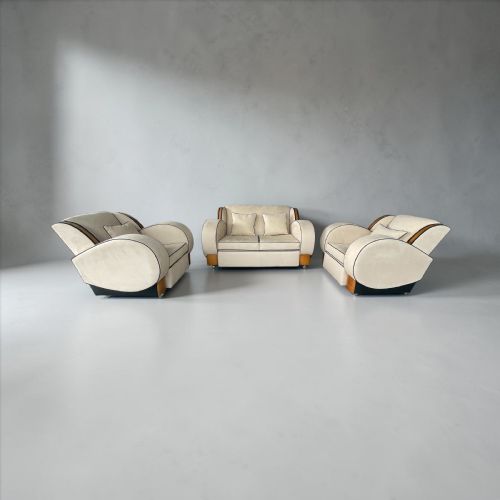
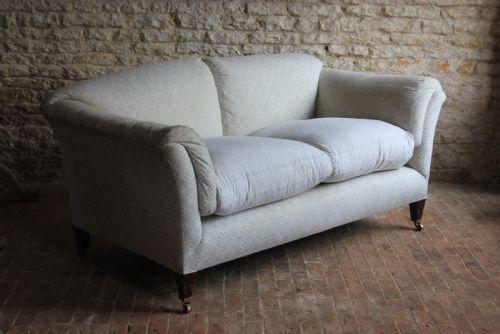


Cream Fabric Settee
A cream fabric settee brings light, neutral warmth into a room while offering deep historical character across multiple periods.
Understanding cream fabric settee
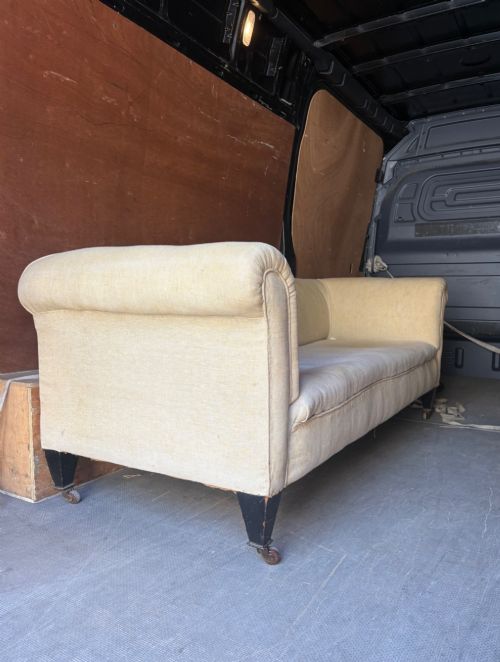
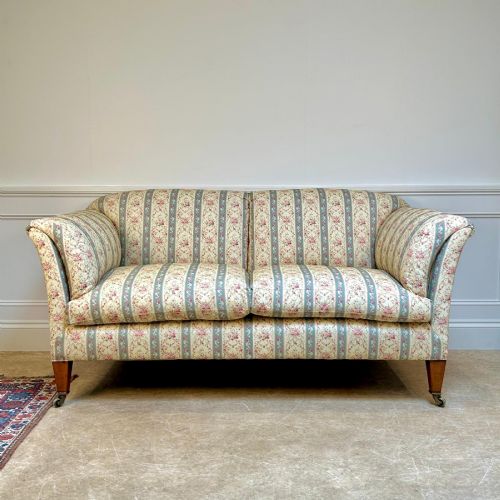
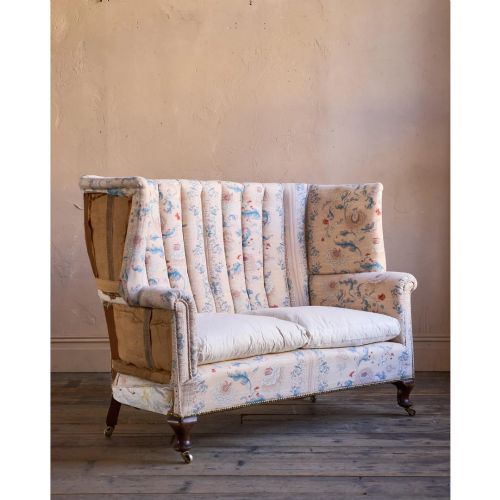
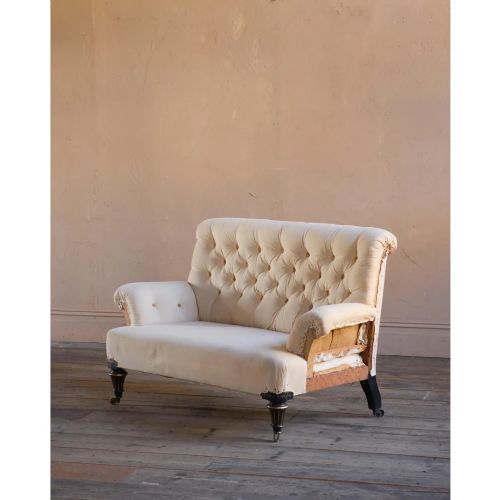
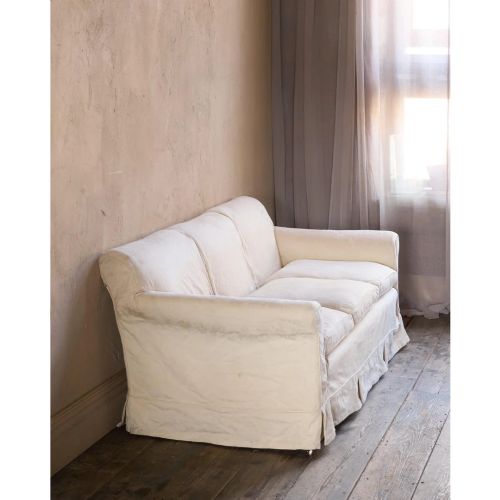
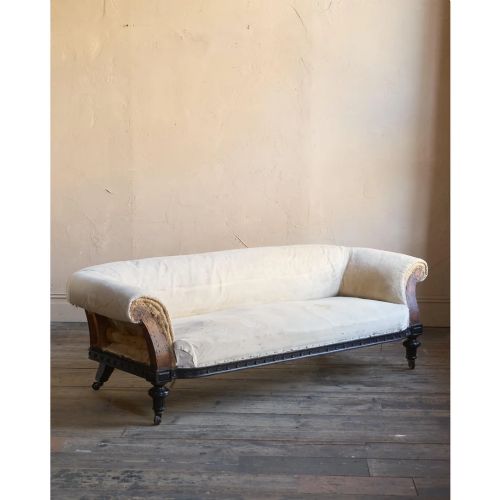
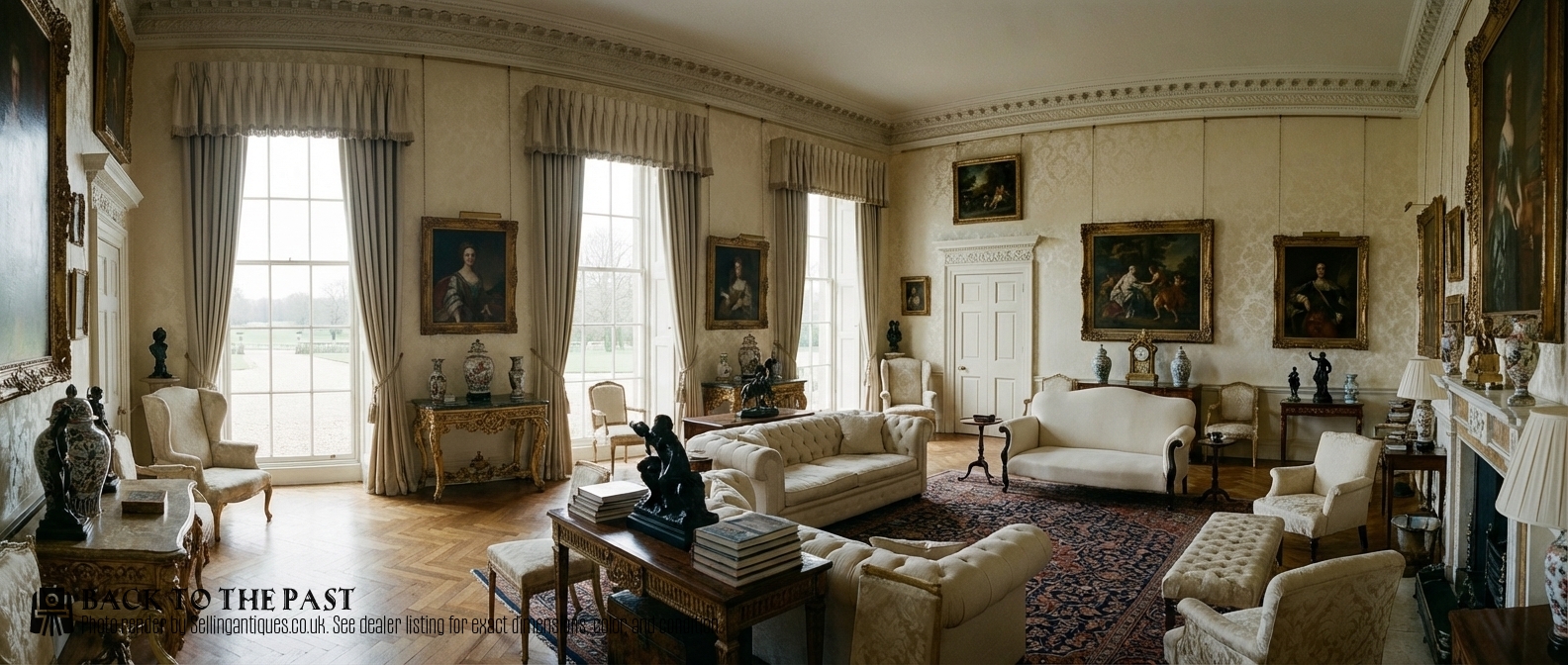
A cream fabric settee encompasses seating forms spanning from the eighteenth century to nineteen hundred, including George III, Victorian, Edwardian, and Aesthetic Movement examples. These sofas feature varied frames built from mahogany, walnut, ebonised beech wood, and brass accents.
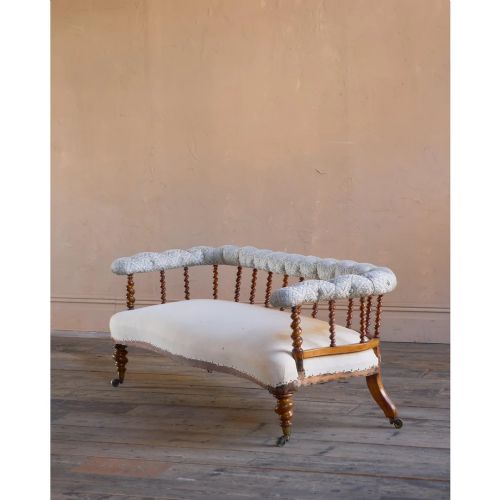
The selections available here range from spindle back salon sofas and Chesterfield sofas to carved walnut upholstered settee designs. Buyers encounter both light frame pieces and fully upholstered seating suited to period and traditional interiors.
Materials and construction
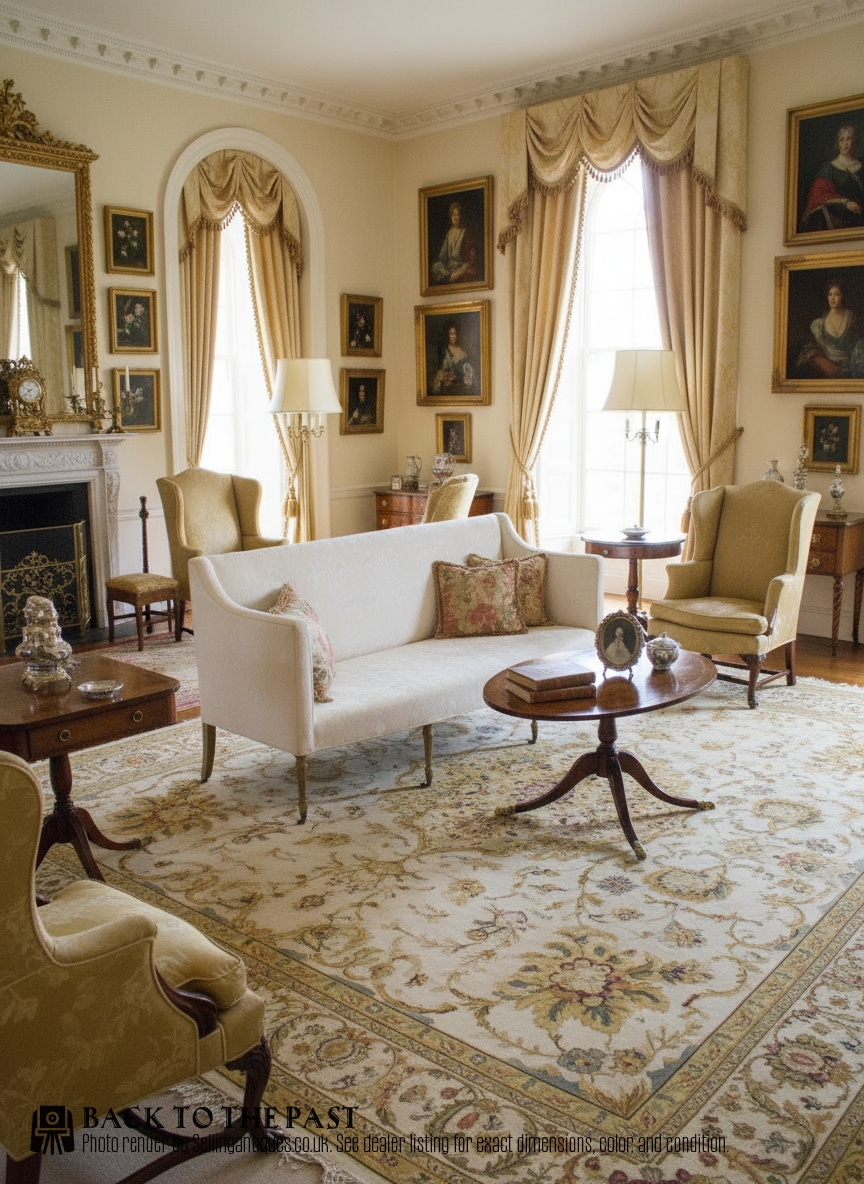
Makers utilised solid timbers including mahogany and walnut for structural stability, alongside ebonised beech wood and brass details. Frames receive detailed carving, as seen in Victorian Rococo Revival and George III pieces.
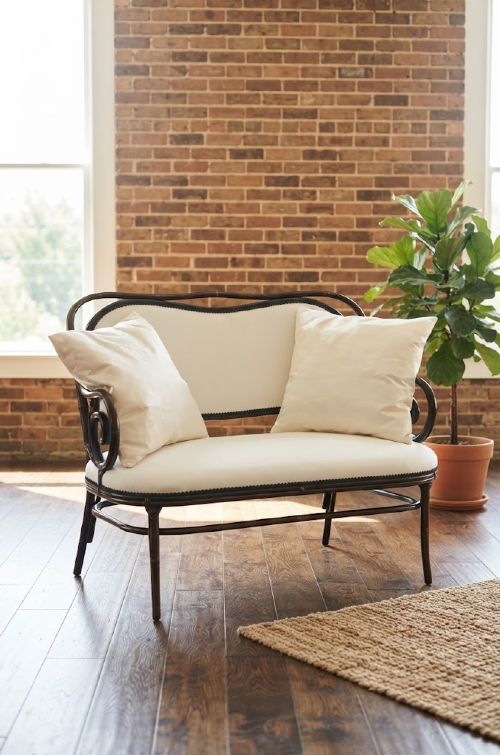
Upholstery relies on fabric and cotton materials tailored to fit the specific contours of each sofa frame. Wood framing remains exposed on styles like the Thonet bentwood settee and spindle back salon sofas.
Retail Price Guide 2026
Typical UK retail prices for cream fabric settee, calculated from the Sellingantiques database of over a million retail prices indexed since 2003. This retail price guide relies exclusively on Sellingantiques data; no external sources or auction records are used, so the figures do not describe the wider market.
Even a serious Victorian parlour benefited from a bit of curved flair courtesy of nineteenth-century steam-bent beech.
Assessing quality
Superior quality rests in the precision of timber carving and the integrity of the underlying frame structure. Pieces by documented makers command attention through refined proportions and sophisticated joinery.
The refinement of the silhouette distinguishes finer examples, whether through the restrained elegance of Hepplewhite design or the distinct lines of the Aesthetic Movement. Material selection for both the wooden frame and the fabric upholstery dictates the overall standard.
C. Hindley & Sons·Thonet
The Cream Fabric Settee Glossary
- Settee
- An upholstered seat for more than one person, sharing characteristics with a sofa. These pieces provide extended seating while maintaining decorative wood framing.
- Ebonised
- Wood finished to resemble ebony through dark staining or painting. This technique appears frequently on nineteenth-century and Aesthetic Movement frames.
- Spindle back
- A chair or sofa back constructed with vertical turned wooden rods. This construction lightens the visual weight of the seating.
- Bentwood
- Wood heated and bent into curved shapes, famously utilised by Thonet. This method creates strong, flowing structural lines without traditional heavy joinery.
Frequently Asked Questions
How do I date a cream fabric settee?
Dating relies on identifying the stylistic markers of the woodwork, such as George III carving or Edwardian proportions. Timber choices like mahogany and walnut also help place the piece within a specific century.
Examining construction techniques provides further clarity. Spindle backs, ebonised finishes, and bentwood frames point directly to particular manufacturing periods.
What is the difference between a settee and a sofa?
Historically, a settee often featured more exposed wood framing and a lighter silhouette compared to a heavily upholstered sofa. Over time, the terms became largely interchangeable in furniture descriptions.
Both forms offer multi-person seating. The distinction on these pages usually depends on the specific era and style of the piece.
Where should I place a cream fabric settee?
A neutral cream upholstery allows these settees to anchor living rooms, quiet reading spaces, or grand entrance halls. Their light tone complements both dark period furniture and modern interiors.
Consider the scale of the room and whether the carved wood frame is intended to be seen against a wall or floating in a space.
How do I care for antique upholstery?
Maintaining fabric upholstery requires gentle vacuuming with a soft brush attachment to remove dust without damaging the fibres. Professional cleaning is recommended for deeper maintenance.
Protect the surrounding wooden frame, such as walnut or mahogany, using appropriate wood care methods and keeping the piece away from direct sunlight.