

Victorian Parlour Sofa
A victorian parlour sofa offers deep buttoning and rich timber frames, bringing formal nineteenth-century reception rooms to life.
Victorian Parlour Sofa
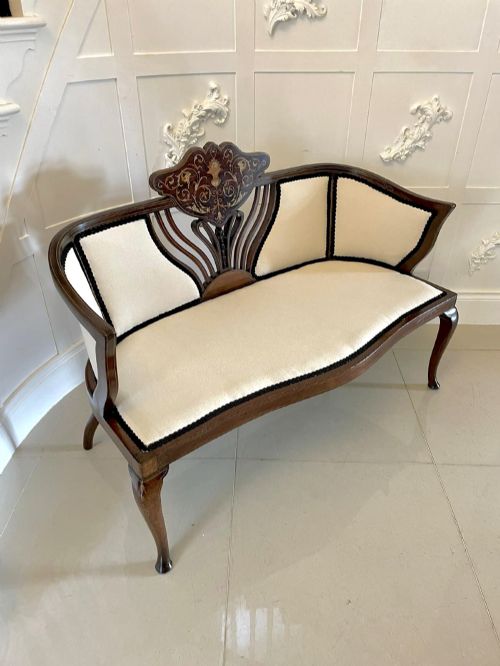
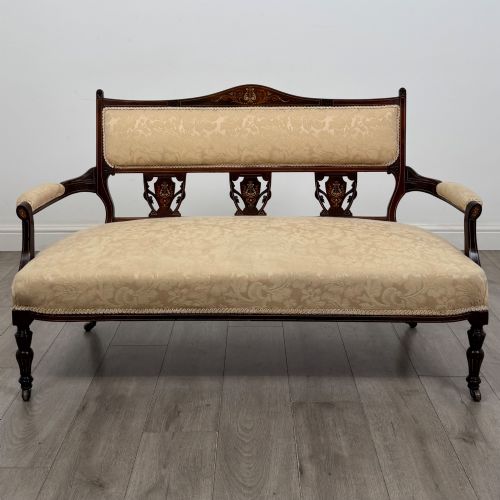
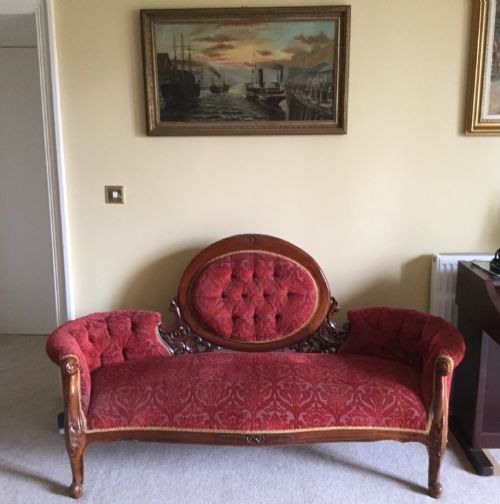
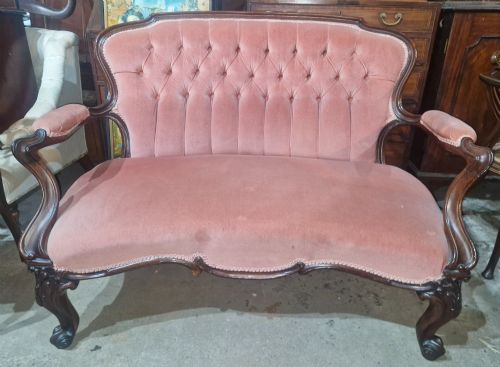
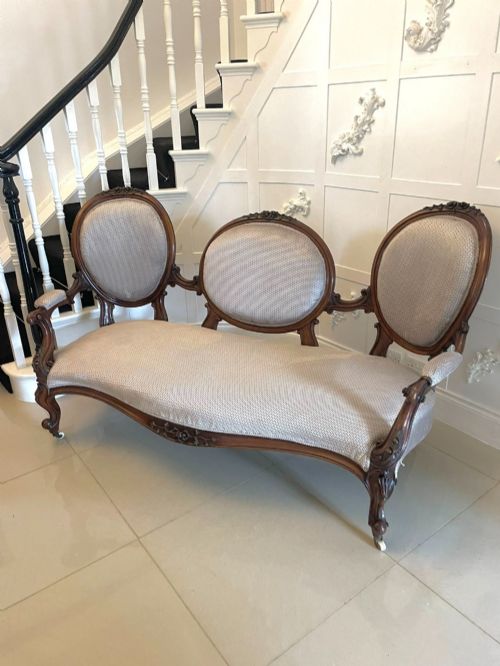
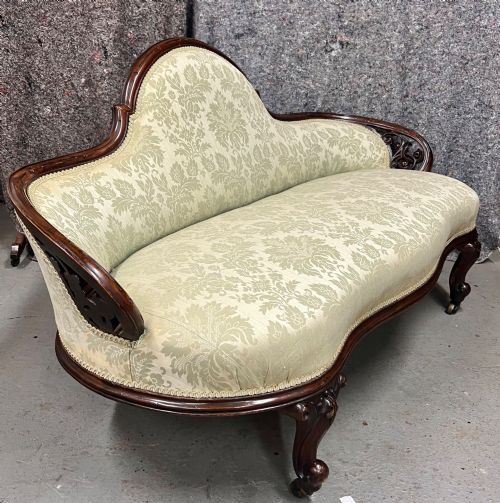
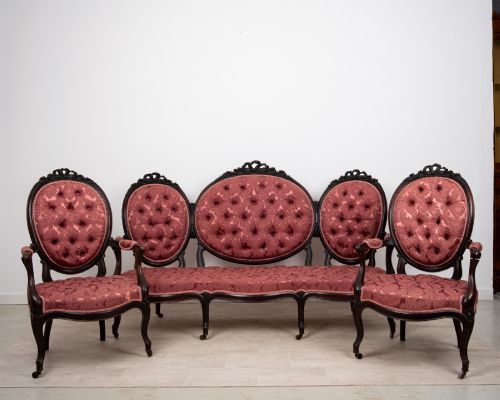
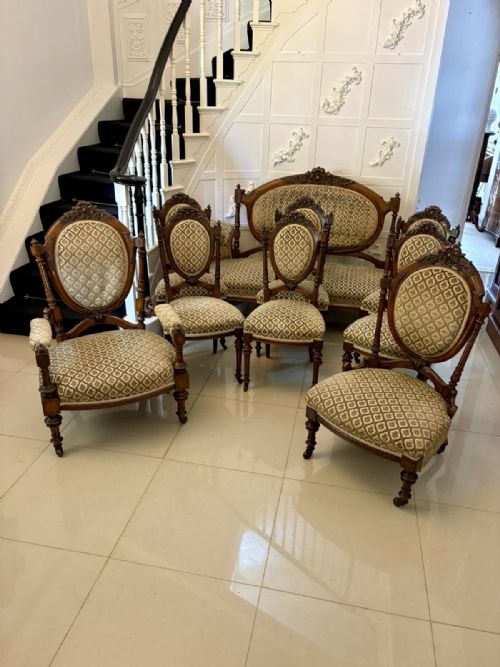
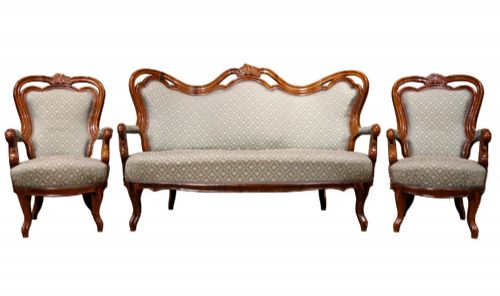
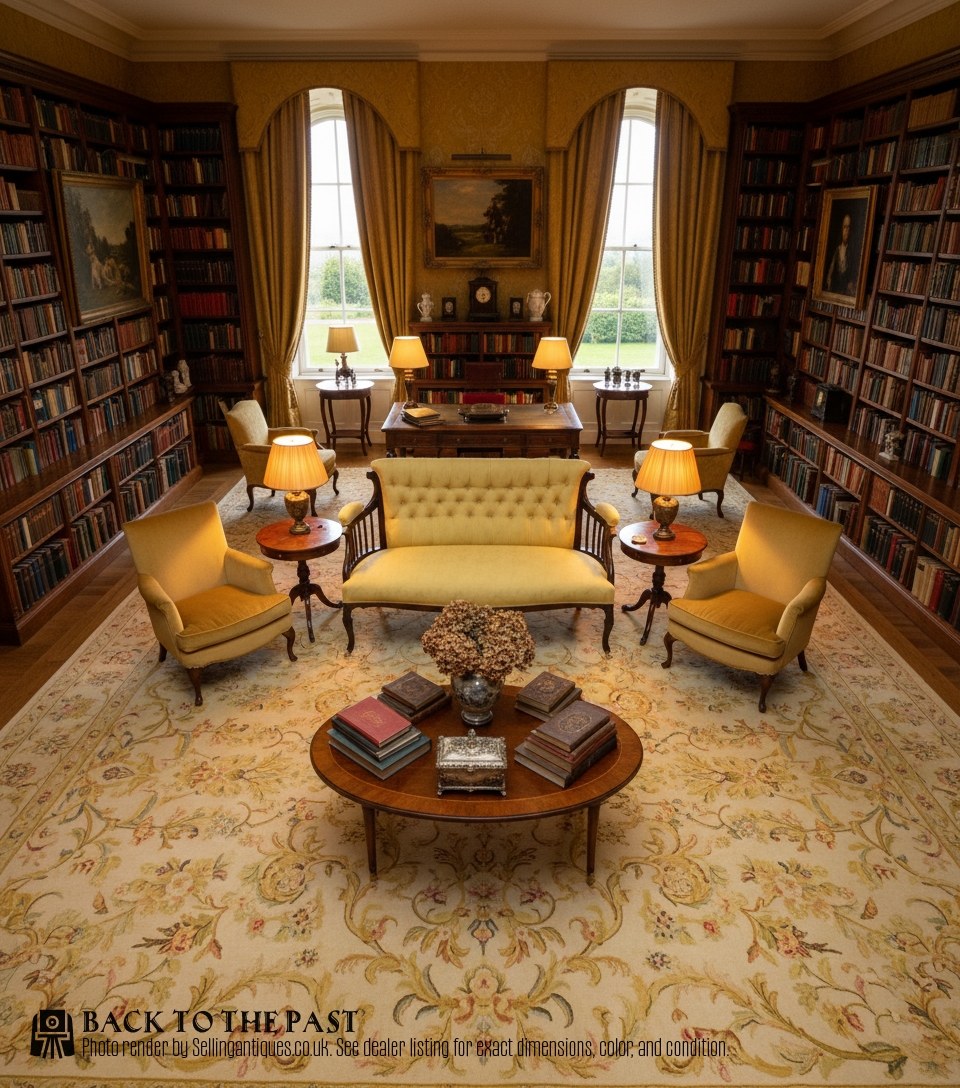
When you search for a victorian parlour sofa, you are looking at nineteenth-century seating designed for formal reception rooms, spanning single settees to large matching salon suites. These pieces appear in forms such as double-ended sofas, cameo back settees, and spoon back designs framed in rich hardwoods. You will most frequently meet walnut and mahogany models featuring carved details, alongside rosewood frames and occasional inlaid decoration.
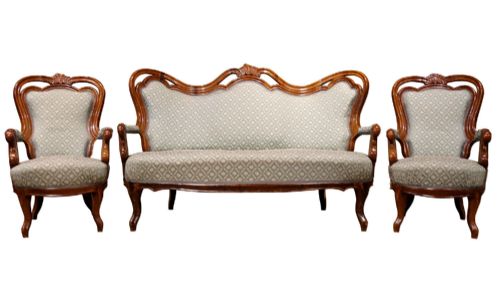
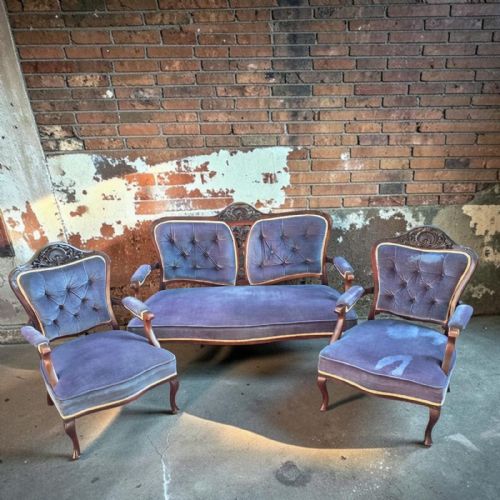
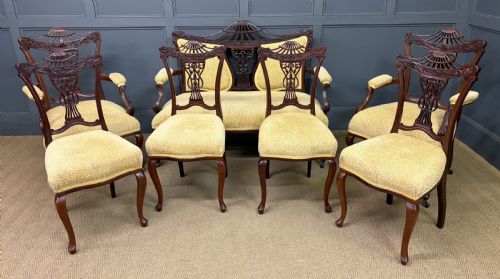
The historical spread stretches from early nineteenth-century examples through mid-Victorian revival styles up to Edwardian crossovers, with dates clustering around the middle and later decades of the 1800s. Many survive as part of larger salon suites that include matching armchairs and side chairs, reflecting the cohesive furnishing schemes of period drawing rooms. Whether built as a compact window seat or a grand three-seater, each piece demonstrates the heavy emphasis placed on comfortable domestic entertaining during the era.
Judging quality and craftsmanship
The distinction between standard domestic seating and exhibition grade examples rests in the crispness of the timber carving and the selection of figured veneers such as burr walnut. Superior pieces exhibit harmonious proportions, seamless joinery, and substantial show frames that display the natural grain of the rosewood or mahogany to full effect.
Upholstery choices also separate tiers of quality, with deep buttoning and complex brocade or velvet coverings indicating higher original commissioning costs. Complete salon suites that retain matching chairs and uniform timber patination represent the pinnacle of period manufacture.
Victorian Parlour Sofa Retail Price Guide 2026
Typical asking prices for victorian parlour sofa among the pieces listed under this phrase on Sellingantiques today, from the lower quarter to the upper quarter. They describe what is for sale here now, not the wider market.
Some double-ended sofas allowed Victorian callers to converse politely without ever making direct eye contact.
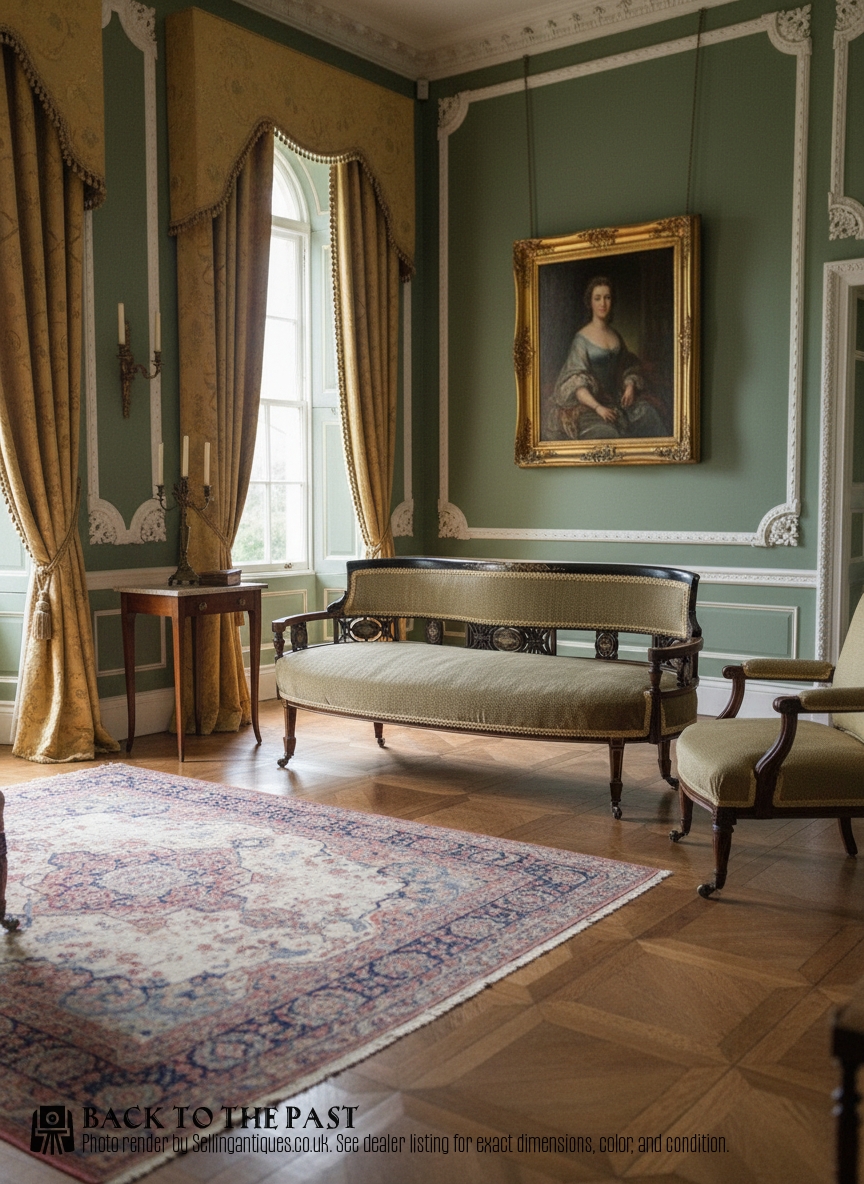
C. Hindley & Sons·Jas / James Shoolbred
The Victorian Parlour Sofa Glossary
- Spoon back
- An upholstered chair or sofa back shaped like the bowl of a spoon, curving inward to fit the human form. This design appears frequently on mid-nineteenth-century seating.
- Salon suite
- A matching set of drawing room furniture comprising a settee and several armchairs or side chairs. These suites ensured decorative harmony in formal Victorian interiors.
- Double-ended sofa
- A sofa featuring symmetrical scrolled ends of equal height, allowing a person to recline against either side. They often lack a conventional back or feature a central divider.
- Inlay
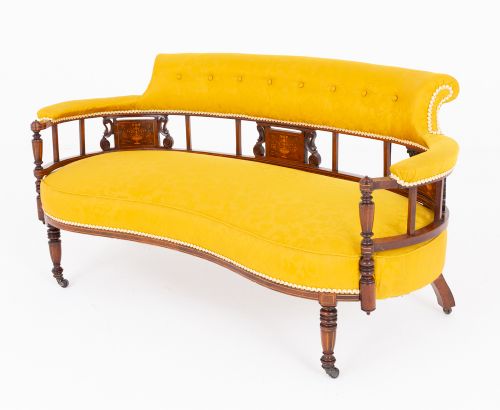
- A technique where pieces of contrasting wood, brass, or shell are inserted into recessed cavities on the timber surface. Sheraton revival and late Victorian pieces frequently utilise this decoration.
Victorian Parlour Sofa: Frequently Asked Questions
Can I use everyday cleaning products on vintage velvet?
Household detergents and water will permanently water-mark or flatten the pile of period velvet and brocade. Professional textile cleaning is necessary for deep maintenance to protect fragile nineteenth-century fibres.
For routine upkeep, use a soft clothes brush very gently in the direction of the pile to remove loose dust. Vacuum attachments should be avoided unless fitted with a specialist low-suction upholstery brush.
How do I tell mid-Victorian from late Victorian?
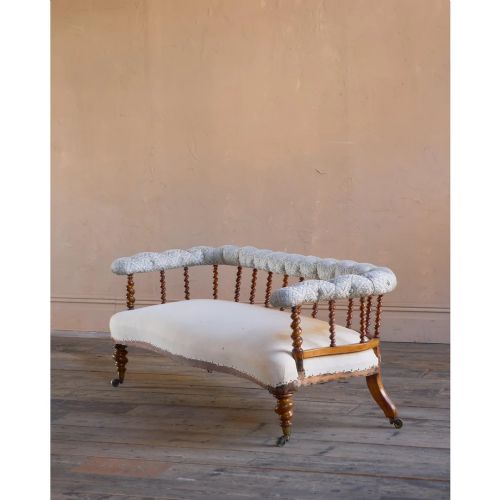
Mid-Victorian pieces often display heavy, organic carvings in rosewood or walnut, with flowing curves inspired by the Rococo revival. They tend to have voluptuous proportions and deep buttoned upholstery. Nearing the end of the century, designs shifted toward lighter mahogany frames featuring delicate boxwood stringing and Sheraton revival inlays. Spindle backs and ebonised aesthetic finishes also became prominent in the later decades.
Where should I place a parlour sofa in a modern home?
These sofas work well as focal points in living rooms or studies where their decorative timber frames can be viewed from multiple angles. Freestanding placement highlights the carved show frames and double-ended designs effectively.
Keep the piece away from direct sunlight and strong heat sources to prevent the rosewood or mahogany from fading and the underlying textiles from becoming brittle.