


Victorian Two Seater Bench
These Victorian two seater bench pieces bring intimate seating into a room, fashioned in walnut and mahogany from the middle to the end of the nineteenth century.
Victorian Two Seater Bench
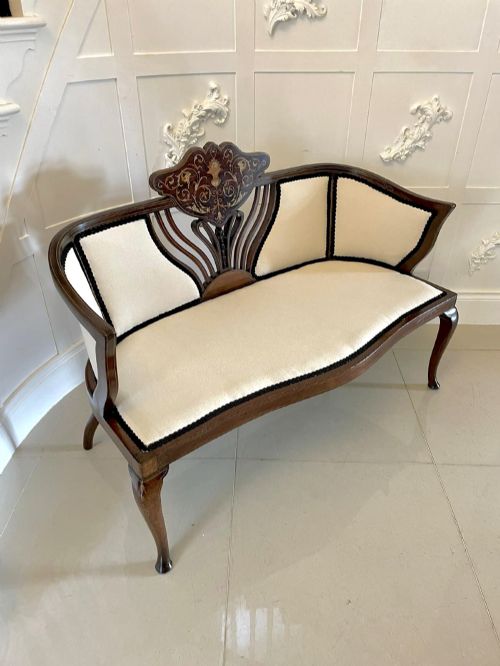
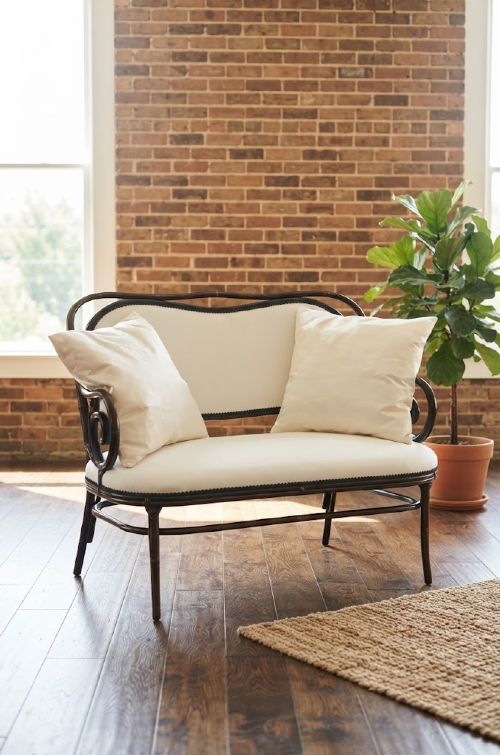
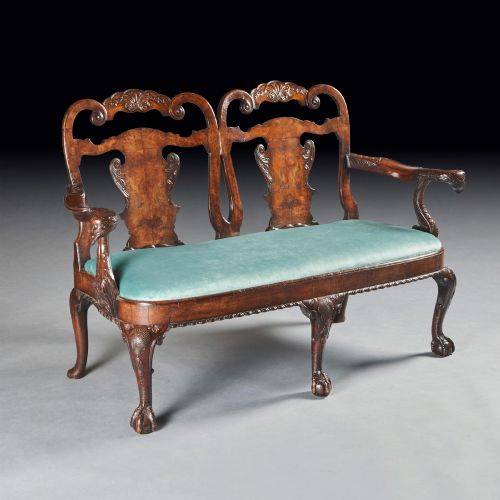
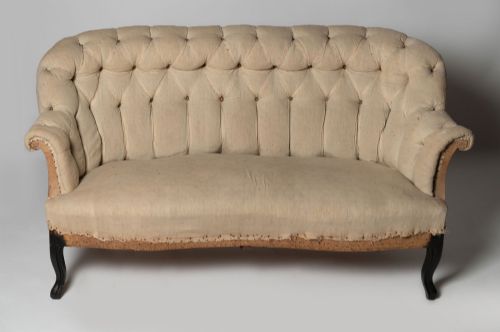
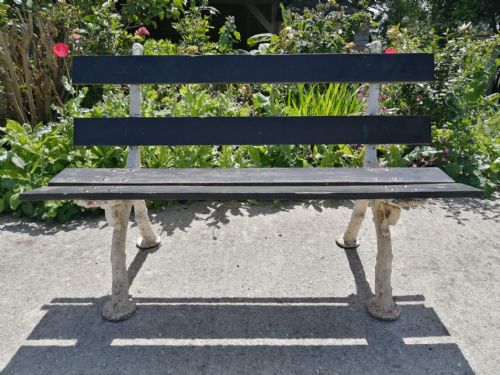
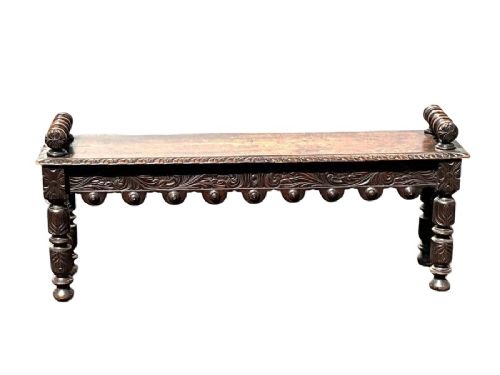
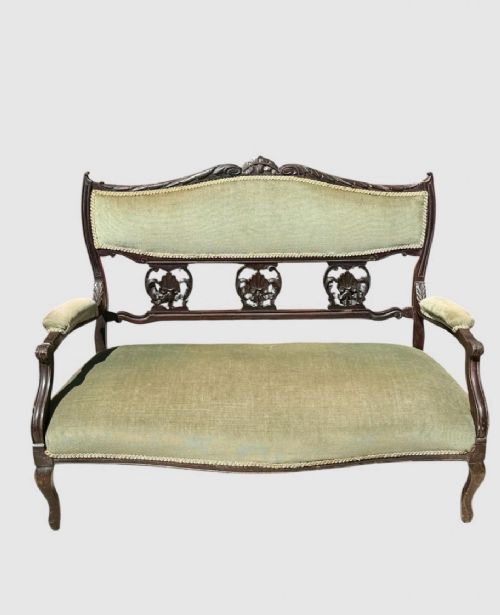
A victorian two seater bench takes many forms across this selection, appearing as carved settees, compact sofas, window seats, and occasional conversation pieces designed for two occupants. The pieces span from the mid-nineteenth century through to 1900, reflecting changing domestic fashions across the Victorian era.
Most examples you will encounter lean towards traditional timber frames, with walnut and mahogany dominating alongside occasional oak. Revival styles such as George II, Jacobean, and Irish Chippendale appear frequently alongside Aesthetic Movement pieces.
Makers utilised various upholstery textiles, from green velvet to brown leather and patterned fabric, often paired with elaborate boxwood inlay or carved wooden details. Whether configured as a twin chair back sofa or a low garden bench, each item provides compact seating suited to specific interior settings.
Quality factors in victorian seating
The refinement of the timber carving sets apart finer examples, where crisp details on walnut or mahogany show the hand of a skilled maker. Simpler turned frames represent standard production.
The choice of secondary woods, the precision of boxwood inlay, and the integrity of the original or period-appropriate upholstery contribute significantly to the overall standard of a piece.
Revival aesthetics appear frequently here, encompassing George II, Jacobean, and Irish Chippendale interpretations alongside Aesthetic Movement designs.
The Victorian Two Seater Bench Glossary
- Settee
- A long upholstered seat with a back and arms, designed for more than one person. This form serves as the primary seating type found within these listings.
- Aesthetic Movement
- A late nineteenth century design style emphasising visual beauty over narrative content. Pieces from this movement often utilise ebonised finishes and clean lines.
- Boxwood Inlay
- Small contrasting pieces of pale boxwood inserted into a darker timber surface to create decorative patterns. It frequently decorates mahogany frames.
- Bentwood
- Wood heated and bent into curved structural shapes without traditional joinery. This method allows for lighter, flowing silhouettes on specific nineteenth century forms.
Victorian Two Seater Bench: Frequently Asked Questions
Where should I place a two seater bench?
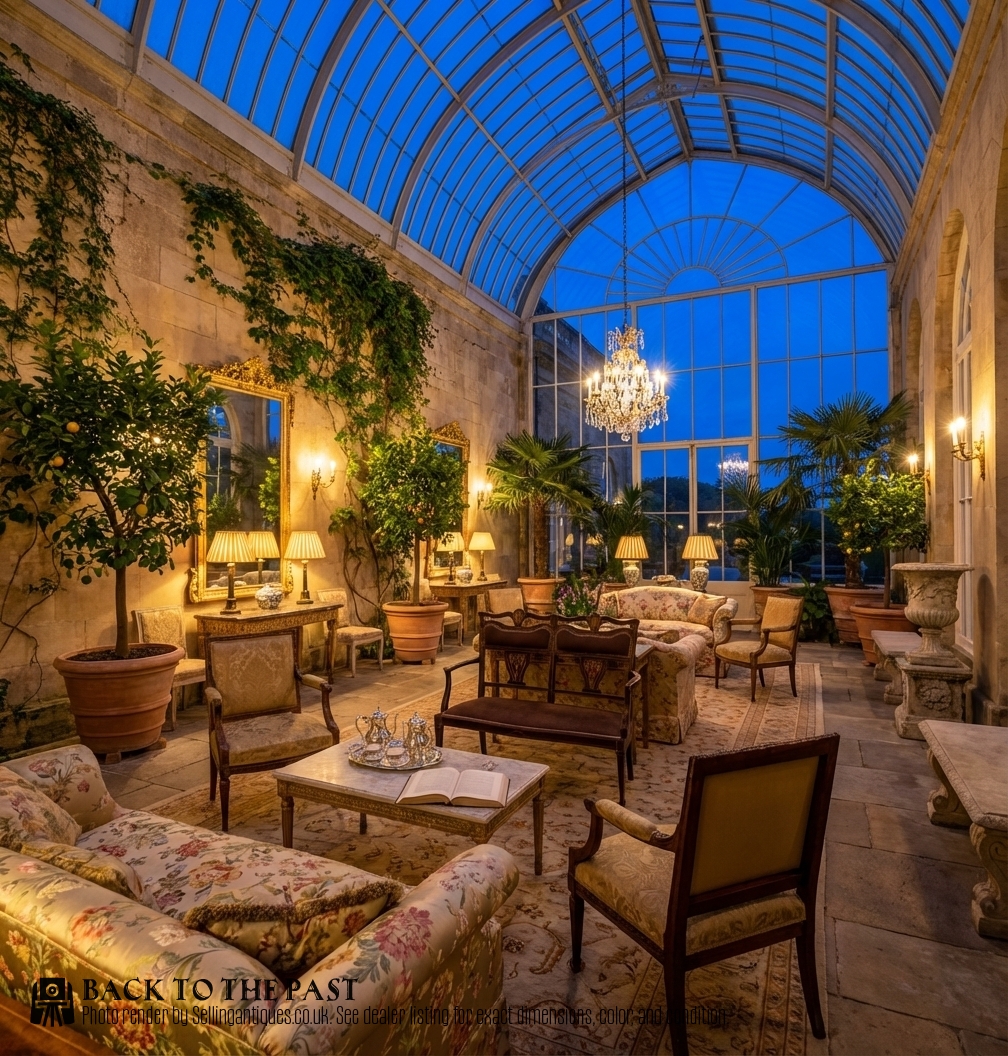
These compact seats fit well in entrance halls, at the foot of a bed, or positioned beneath a large window as a dedicated window seat.
Their restrained footprint allows them to occupy smaller reception spaces where a full-sized sofa would overwhelm the room.
How do I identify a revival style?
Revival pieces incorporate decorative motifs and structural proportions borrowed from earlier centuries, such as the heavy carving associated with George II or Jacobean designs.
Examining the timber and construction methods generally reveals the actual nineteenth century date beneath the historical styling.
What is a conversation seat?
A conversation seat is an upholstered double chair arrangement designed so two people can sit facing opposite directions while maintaining intimate dialogue.
These pieces typically feature an S-shaped or serpentine frame configuration upholstered in textile or leather.
Are these benches suitable for daily use?
Most examples function effectively for regular sitting, provided the internal webbing and upholstery remain stable and supportive.
Timbers like mahogany and walnut offer structural durability, though delicate inlay or antique textiles require careful day-to-day consideration.