




Antique Salon Couch
An antique salon couch brings formal nineteenth-century elegance and deep upholstery into a modern drawing room.
Antique Salon Couch
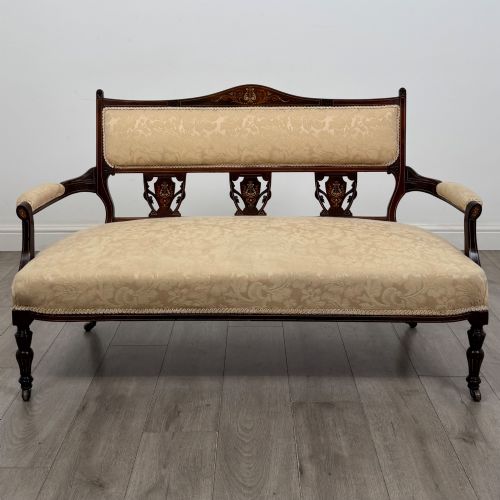
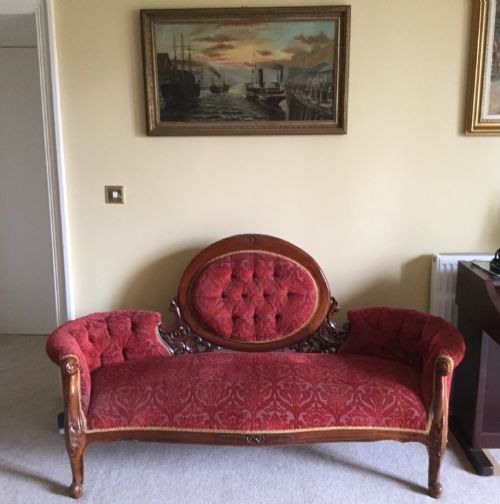
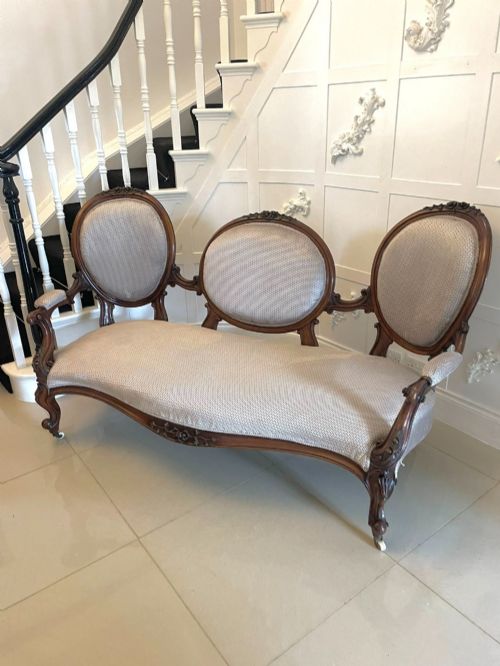
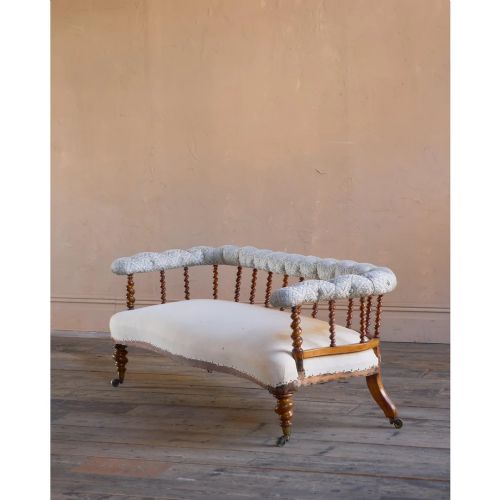
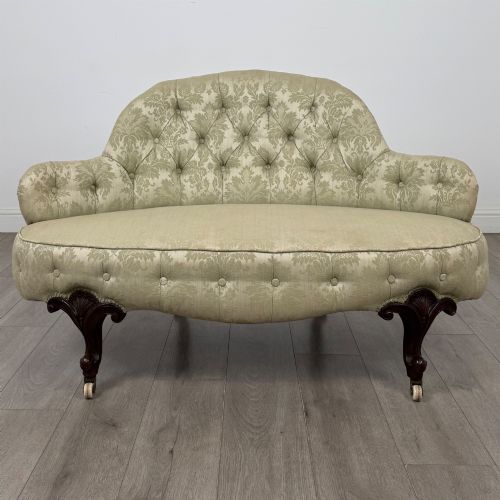
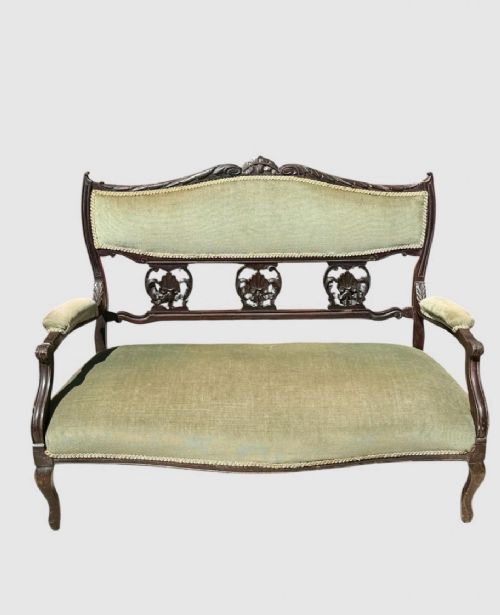
An antique salon couch encompasses a variety of formal seating options designed for reception rooms, including settees, love seats, and canapes. When searching for this phrase, buyers encounter pieces primarily originating from the Victorian and Edwardian periods, alongside continental French designs.
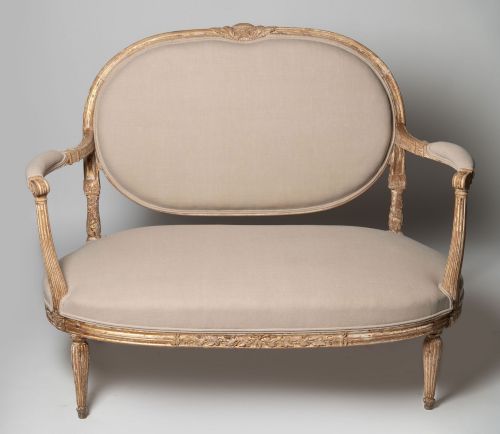
The physical forms vary significantly from double-ended settees and cameo back chairs to large giltwood reception sofas. Most examples date from the nineteenth century through to the early twentieth century, reflecting both English craftsmanship and continental revival styles.
Makers and workshops utilised specific regional aesthetics, ranging from heavy mahogany and walnut frames in Britain to lighter inlaid marquetry and gilt frames imported from France. Buyers often find pieces upholstered in deep pile brocade, silk, or velvet, though some remain ready for fresh textile selection.
Materials and construction
The structural framework relies heavily on hardwoods such as mahogany, walnut, rosewood, and beech, frequently shaped through carved and inlaid techniques. Cabinetmakers applied brass mounts, ormolu, and satinwood marquetry to enhance the visual appeal of formal reception seating.
Upholstery methods developed over the decades, employing sprung settee bases paired with deep pile textiles, velvet, brocade, and silk. Frames often featured exposed carved woodwork in walnut or giltwood, highlighting the structural joinery alongside decorative elements like spindle backs and cameo framing.
Judging quality in salon seating
Quality separates through the crispness of hand-carved woodwork on walnut or mahogany frames and the precision of satinwood inlay. Superior examples display substantial timber weight, integrated ormolu mounts, and robust structural joinery rather than superficial decoration.
The choice and execution of upholstery materials, from silk to deep pile brocade, indicate the original standing of the piece. Well-preserved framing with intact giltwood or ebonised finishes distinguishes high-tier salon seating from standard domestic production.
C. Hindley & Sons·Morison & Co
The Antique Salon Couch Glossary
- Canape
- An ornamental sofa or settee, typically featuring an exposed wooden frame and upholstered back. These pieces originated in France and form a distinct subset of formal salon seating.
- Cameo back
- A chair or sofa back carved in the shape of a medallion or cameo, popular during the Victorian era. This style highlights the curved wooden outline against the upholstered centre.
- Giltwood
- Timber coated with a thin layer of gold leaf, frequently utilised on French revival salon frames. It provides a bright, reflective surface suited to formal reception rooms.
- Marquetry
- Decorative veneer work using various woods to create intricate patterns on surfaces like mahogany or rosewood. This technique appears commonly on Edwardian and late nineteenth-century frames.
- Ormolu
- Gilded bronze mounts applied as decorative ornaments to furniture frames. They are characteristic of French Empire and neoclassical revival salon pieces.
Antique Salon Couch: Frequently Asked Questions
What is an antique salon couch?
An antique salon couch is a formal seat created for nineteenth-century reception rooms, encompassing settees, love seats, and boudoir sofas.
These pieces combine decorative wooden frames in mahogany, walnut, or giltwood with upholstered silk, velvet, or brocade surfaces.
How do I date an antique salon couch?
Dating relies on examining the prevailing styles, timber choices, and construction techniques visible in the frame and upholstery.
Victorian pieces often use heavy carved mahogany or walnut, while Edwardian examples favour lighter inlaid mahogany and marquetry.
Were these couches used for sleeping?
These pieces were designed primarily for formal seating, conversation, and display in reception rooms rather than overnight sleeping.
Double-ended settees and boudoir seats offered comfortable leaning positions for reading or entertaining guests during the day.
How do I care for antique upholstery?
Care involves gentle vacuuming with a soft brush attachment and protecting delicate textiles like silk and velvet from direct sunlight.
Exposed wooden frames require occasional dusting and maintenance suited to polished mahogany, walnut, or giltwood surfaces.