


Aesthetic Movement Sofa
An aesthetic movement sofa brings rich 19th century design and striking ebonised wood into your home.
Aesthetic Movement Sofa
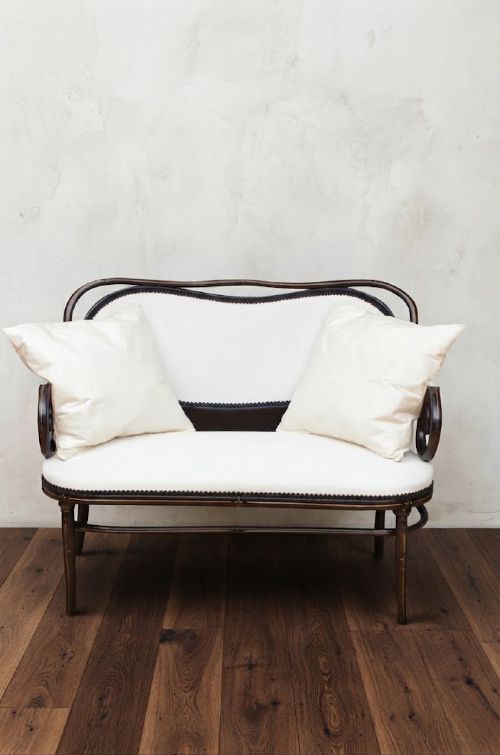
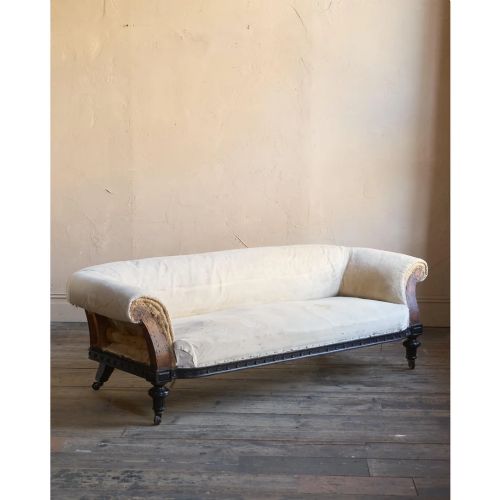
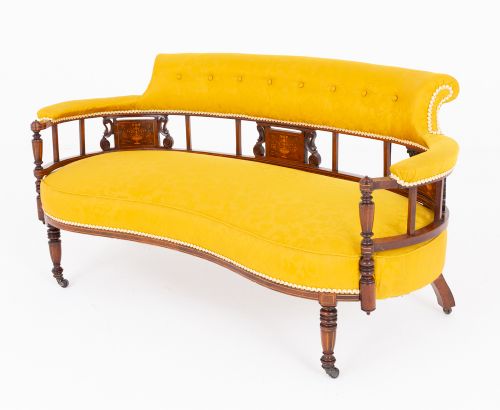
An aesthetic movement sofa represents the distinct design sensibilities of the 19th century, drawing on Victorian and Arts and Crafts traditions. When searching this phrase, you will encounter various seating forms including settees, settle sofas, and open arm sofas.
The pieces listed on this page range from compact occasional settees to larger Chesterfield sofas and salon suites. Origins span the Victorian era, specifically around 1870, 1880, 1890, and 1900, showing diverse construction dates.
How they were made
Maker workshops utilised solid hardwoods like mahogany, rosewood, beech wood, and bentwood to build robust frames. Many of these foundational structures were subsequently ebonised to achieve a sleek, dark surface appearance.
Upholstery techniques incorporated tactile fabrics such as velvet and general decorative textiles, often finished with detailed touches like gold leaf or tassels. Structural details frequently included brass fittings and carved elements like claw and ball feet.
Aesthetic Movement Sofa Retail Price Guide 2026
Typical asking prices for aesthetic movement sofa among the pieces listed under this phrase on Sellingantiques today, from the lower quarter to the upper quarter. They describe what is for sale here now, not the wider market.
Materials recorded across these listings include brass, ebonised wood, velvet, gold leaf, ceramic, mahogany, and fabric.
What varies in quality
Quality in these sofas rests upon the integrity of the ebonised wood finish and the crispness of any applied carvings or brass details. Superior examples maintain their structural joinery soundly across the frame.
The refinement of the upholstery work, from the choice of velvet to the preservation of original fabric or decorative elements, separates standard items from finer workshop productions.
Thonet·Liberty and Co·Jas James Shoolbred·Howard and Sons
The Aesthetic Movement Sofa Glossary
- Ebonised Wood
- Timber treated to resemble ebony by staining or painting the surface dark. This technique was widely utilised during the Victorian period to create stark visual contrast.
- Chesterfield Sofa
- A large, deep-buttoned upholstered seating form. The evidence shows these upholstered in velvet and fabric during the 19th century.
- Settee
- A medium-sized upholstered seat with a back and arms. These range from open arm designs to compact occasional pieces.
- Bentwood
- Wood heated and bent into curved shapes. The method allowed makers to produce fluid, organic structural lines.
Aesthetic Movement Sofa: Frequently Asked Questions
What is an aesthetic movement sofa?
An aesthetic movement sofa is a 19th-century seating piece that prioritises artistic design over rigid historic revival styles. These items often feature ebonised wood and rich upholstery.
They reflect the broader artistic shifts of the Victorian era towards craftsmanship and visual harmony.
How do I identify the period?
You can identify the period by examining the combination of materials, such as ebonised beech wood, mahogany, and specific fabric choices. Dates typically span the late 19th century, notably around 1870 to 1900.
Construction techniques and maker attribution further help anchor the piece to the Victorian or Arts and Crafts eras.
How were these sofas used originally?
These sofas served as principal seating in Victorian drawing rooms, parlours, and salons. They functioned both as comfortable places to sit and as decorative centrepieces.
Larger Chesterfield variants suited formal entertaining, while smaller settees fit into intimate reception spaces.
How do I live with one?
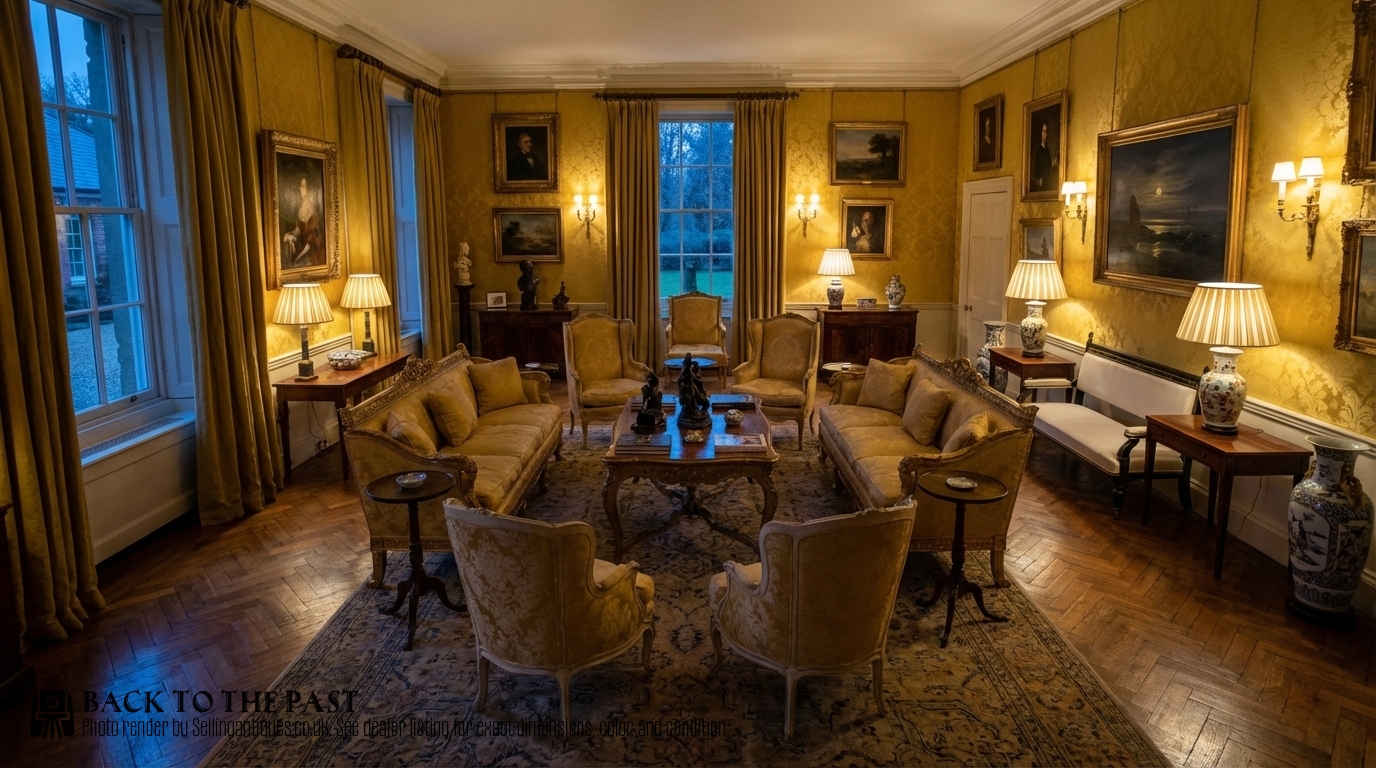
Living with an aesthetic movement sofa involves placing it in a room where its dark ebonised wood and velvet upholstery can stand out. Pair the seating with compatible period occasional tables or console tables.
Protect the historic fabric and wood surfaces from direct sunlight to preserve the materials.