








Antique Parlour Bench
An antique parlour bench provides formal seating in reception rooms, combining decorative woodwork with upholstered comfort.
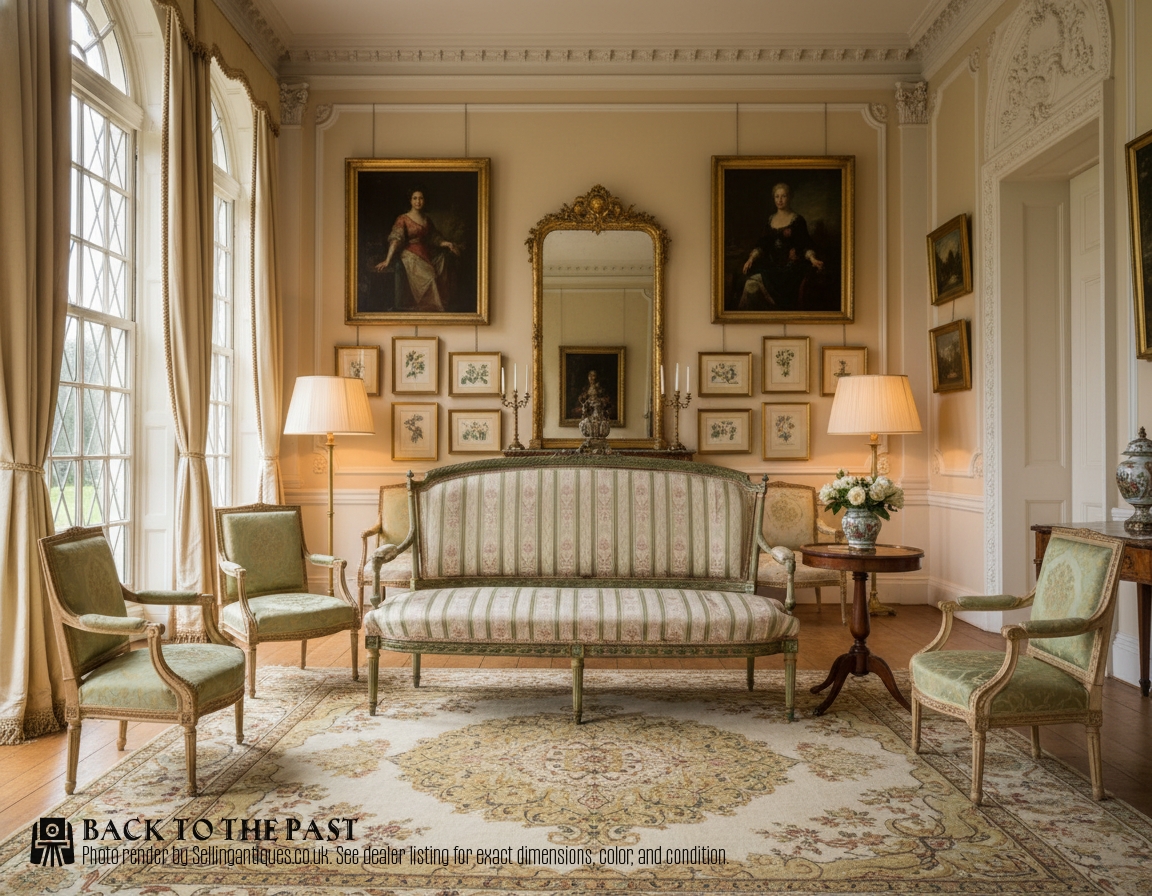
Antique Parlour Bench
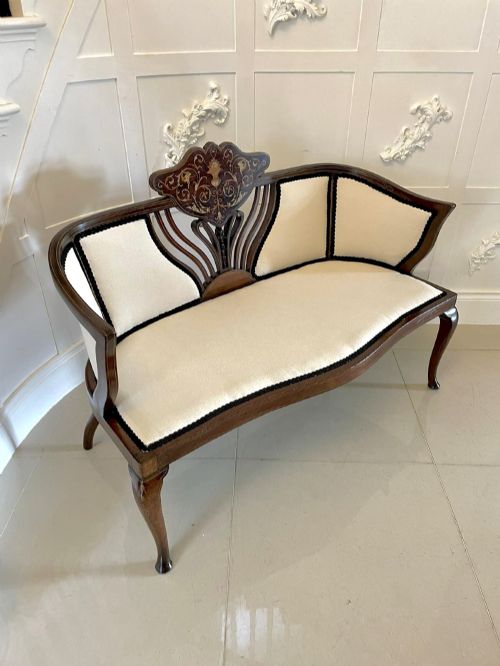
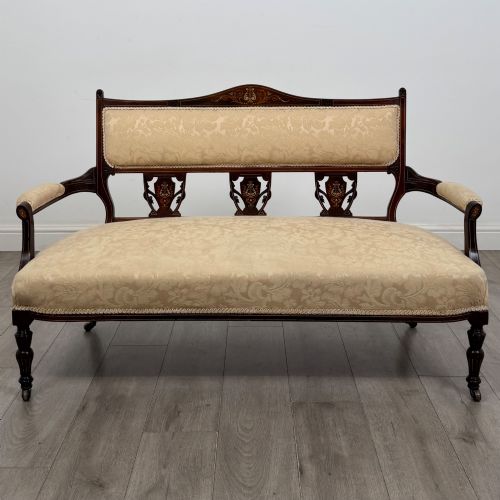
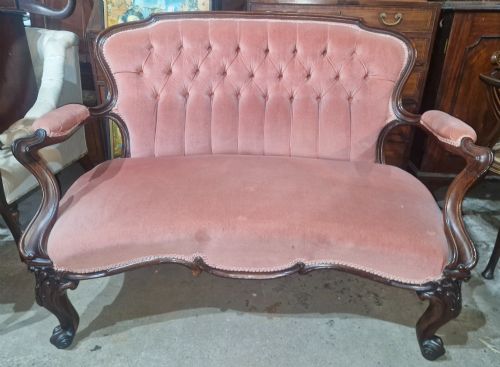
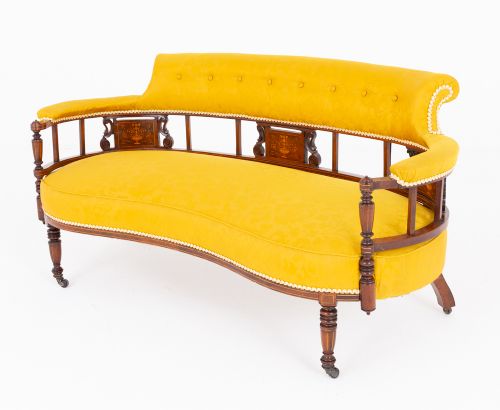
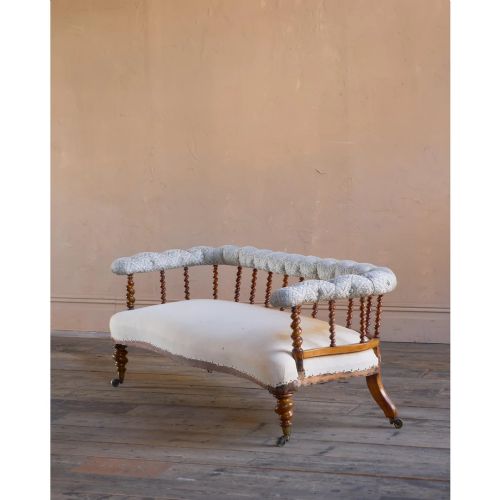
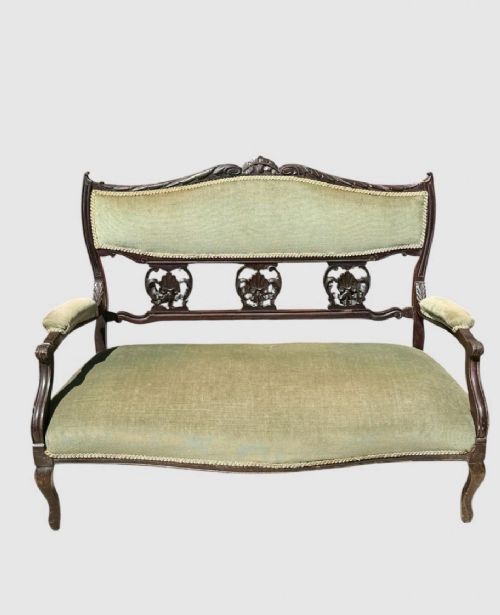
When searching for an antique parlour bench, buyers encounter formal seating options generally described as settees, sofas, or salon suites. These pieces originate from the nineteenth and early twentieth centuries, spanning periods from the Regency era through Victorian times and into the Edwardian epoch.
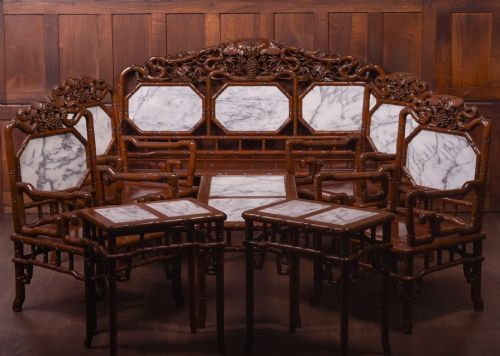
Beyond single settees, the evidence includes related salon suites and window seats that share the same refined proportions and decorative upholstery. These larger groupings reflect the formal interior layouts of period homes where seating matched the architectural style of the room.
Materials and construction
Cabinetmakers constructed these frames using dense hardwoods such as mahogany, walnut, rosewood, and oak to support elaborate carved details and slender turned legs. Inlaid decoration frequently employed lighter timbers like satinwood and contrasting materials such as bone.
Upholstery techniques varied from traditional sprung bases covered in durable fabric or textile to specialised finishes like caning. Decorative elements included giltwood finishes on French revival pieces and detailed wood carving executed by hand.
Antique Parlour Bench Retail Price Guide 2026
Typical asking prices for parlour bench among the pieces listed under this phrase on Sellingantiques today, from the lower quarter to the upper quarter. They describe what is for sale here now, not the wider market.
One exceptionally travelled suite arrives straight from the workshops of Baumann, proving that even a formal parlour bench occasionally catches the bentwood bug.
Distinctions in quality
Quality in an antique parlour bench rests upon the crispness of the timber carving and the precision of any inlaid decoration. Pieces from prominent makers or specific regional workshops demonstrate superior joinery that remains rigid through centuries of use.
The selection of primary and secondary timbers dictates the overall refinement of the piece, with figured mahogany and rosewood commanding greater visual depth. The original integrity of the frame and the retention of period surface treatments separate standard production items from finer works.
C. Hindley & Sons·Baumann
The Antique Parlour Bench Glossary
- Settee
- An upholstered seat with a back and arms, designed for two or more people. These pieces form the primary category of seating found in nineteenth-century parlours.
- Inlay
- A decorative technique where pieces of contrasting timber, such as satinwood, are inserted into recesses within the primary wood surface. This method creates geometric or floral patterns across the backrests and rails.
- Salon suite
- A matching set of seating furniture, including settees and chairs, intended for formal reception rooms. Such groupings ensure a unified decorative scheme within a single interior.
- Caning
- A woven lattice material made from rattan or similar plant stems, utilised for light and flexible backrests or seats. This technique appears frequently on French revival and Edwardian lighter frame designs.
- Spindle back
- A chair or settee back constructed with a series of slender, turned wooden rods. This design lightens the visual weight of the frame while providing sturdy structural support.
Antique Parlour Bench: Frequently Asked Questions
How were parlour benches used?
Historically, these benches served as elegant seating for guests in formal entertaining spaces. They occupied prominent positions against parlour walls rather than sitting in the centre of rooms.
Because the upholstery was often delicate, such as silk or fine textile, their use was reserved for polite conversation and social calls rather than daily family relaxation.
How do I live with one?
Living with an antique parlour bench involves placing it away from direct sunlight to protect vulnerable wood finishes and delicate upholstery fabrics. Regular dusting with a dry cloth maintains the polished surface of the timber.
Many pieces tolerate everyday domestic use provided they are treated with care, though some fragile examples featuring antique caning require a gentler placement where weight is restricted.
How do I tell periods apart?
Identifying the period relies on observing the prevailing style and timber treatment of the frame. Early nineteenth-century pieces often display Regency or French Empire influences with giltwood or heavy rosewood.
Victorian examples tend towards dark, heavily carved mahogany and walnut, whereas Edwardian pieces commonly feature lighter mahogany frames with satinwood inlay and delicate Edwardian or Art Nouveau motifs.