
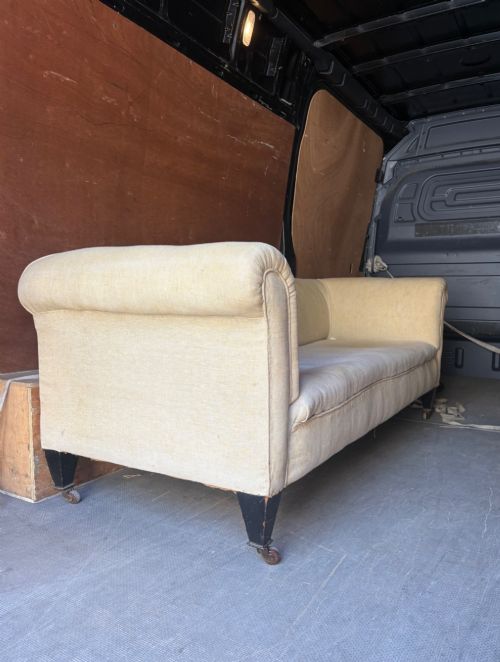
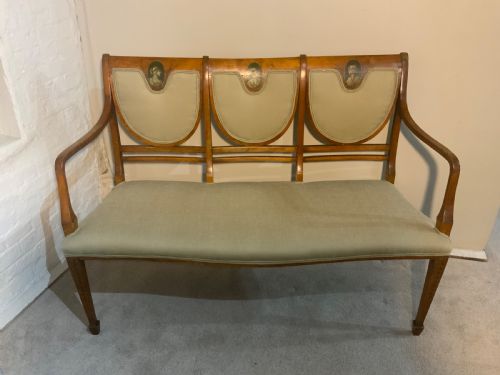
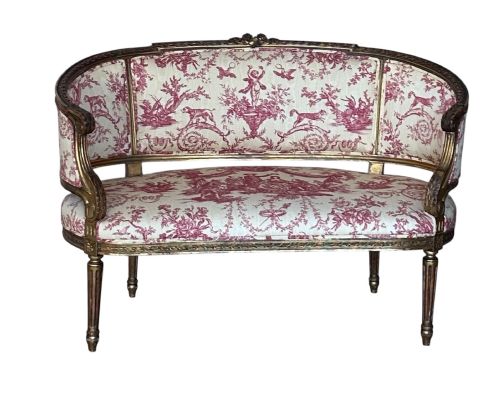
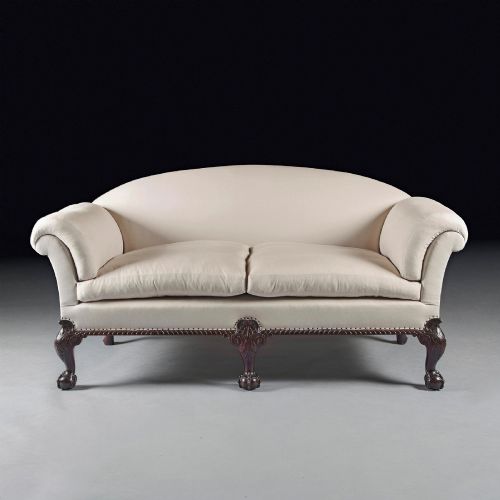
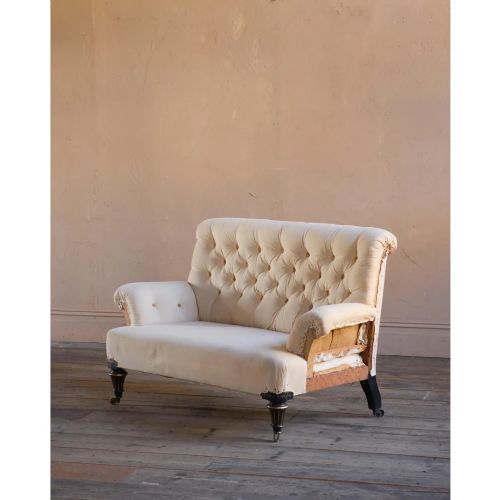
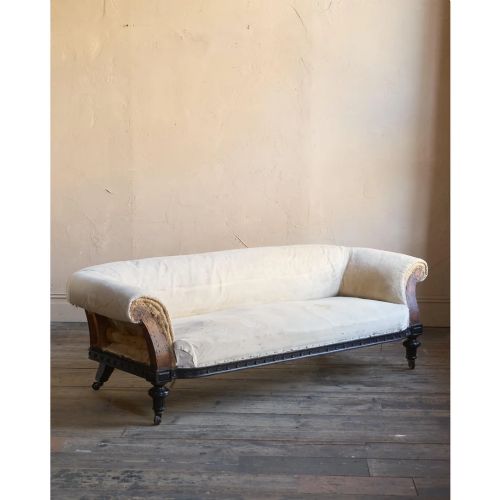
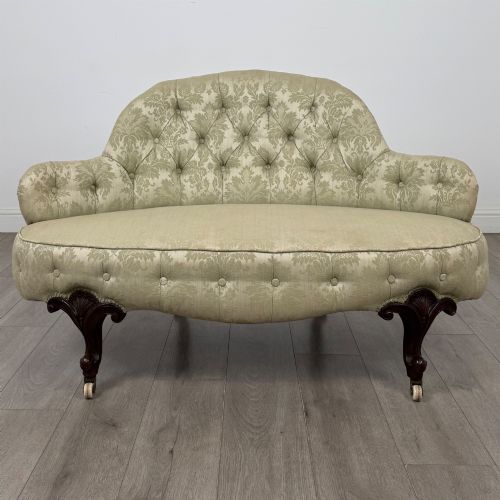
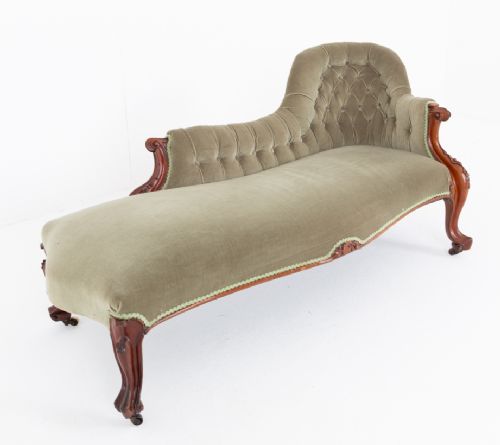
19th Century Upholstered Settee
A 19th century upholstered settee brings period seating and traditional craftsmanship into a room.
19th Century Upholstered Settee
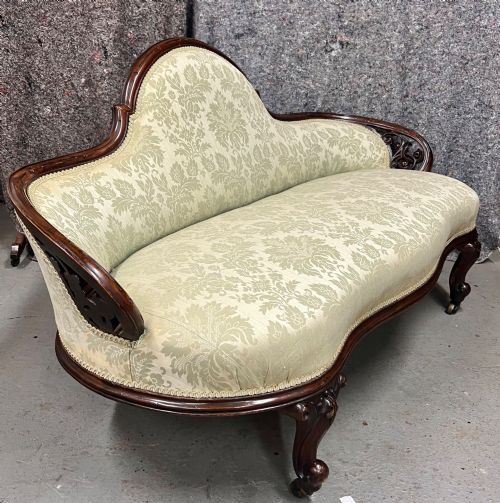
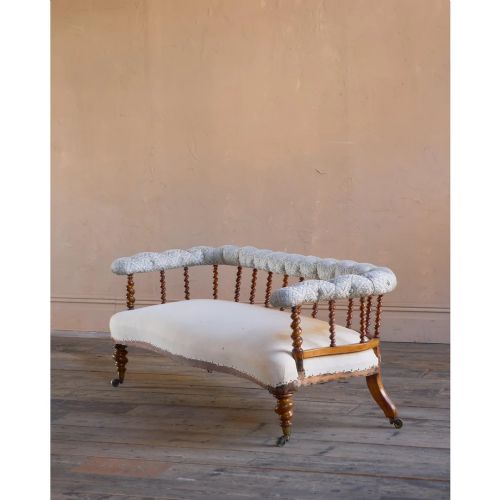
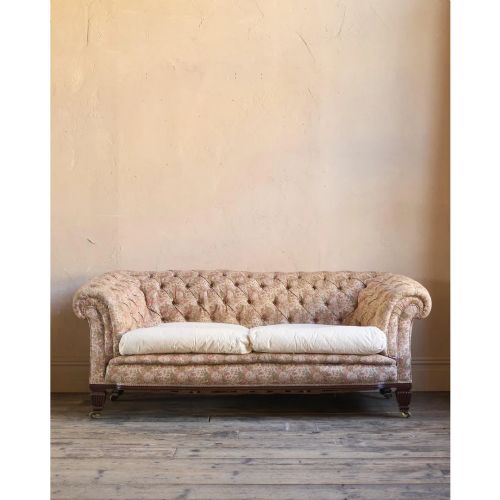
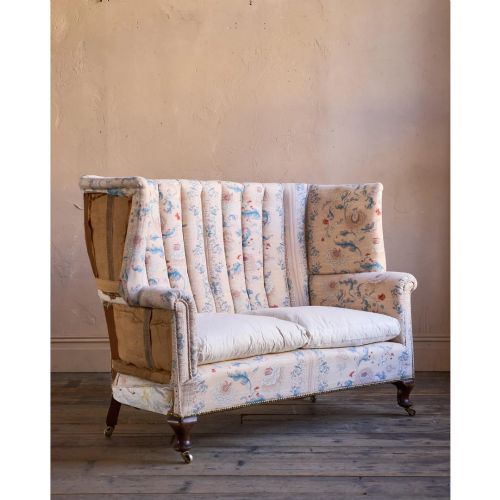
A 19th century upholstered settee appears in forms ranging from compact Victorian two-seaters and scroll-end couches to larger Chesterfield sofas and salon suites. Buyers seeking this phrase encounter pieces spanning the Regency period through the late Victorian era, alongside French and Continental designs.
The selection includes specific regional interpretations and revival styles such as Louis XV, Rococo, and Aesthetic Movement pieces. Many examples utilise traditional timber frames paired with varied upholstery fabric, velvet, or calico linen.
Makers and workshops of the period produced both intimate salon seating and substantial country house furniture. These seating options serve contemporary interiors as functional living room sofas or decorative bench seats.
Materials and Construction
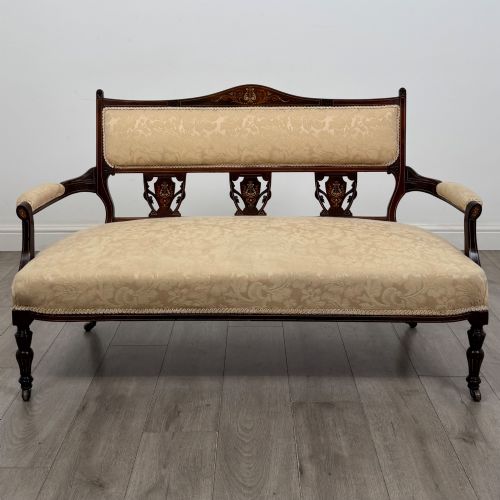
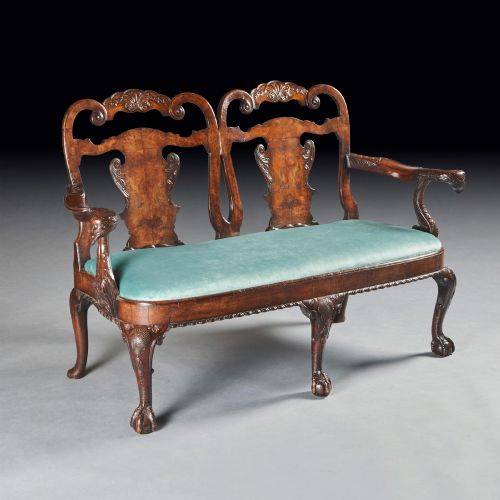
Frames rely upon dense hardwoods including mahogany, walnut, rosewood, and oak, occasionally enhanced with satinwood, gilt, or painted finishes. Skilled joinery connects structural elements, incorporating carved scroll ends, fluted details, or turned legs.
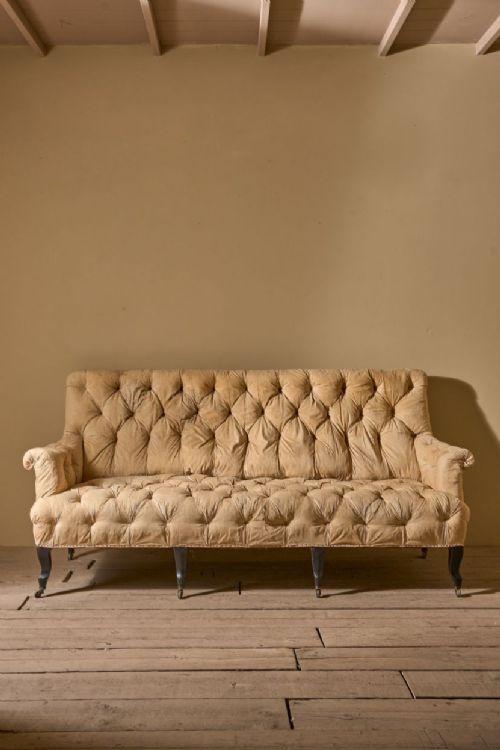
Upholstery techniques involve deep buttoning, bolster cushions, and spring interiors covered in textiles like velvet and patterned fabric. Brass castors frequently support the feet of larger couches and settees.
A few late-nineteenth-century frames hide clever drop arms designed for afternoon lounging.
Distinctions in Execution
The standard of a 19th century upholstered settee rests in the integrity of the timber frame and the refinement of the carved woodwork. Finer examples display crisp detail in scrollwork, fretwork, or show wood mouldings.
Upholstery execution and the retention of original structural components distinguish workshop output. Pieces attributed to recorded cabinet makers demonstrate superior proportion and material selection.
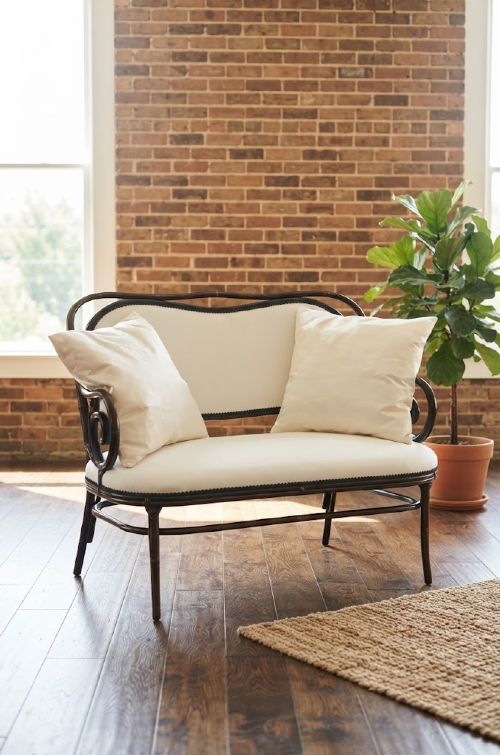
Thonet·Howard and Sons·C. Hindley and Sons·Jackson and Graham·Hampton and Sons
The 19th Century Upholstered Settee Glossary
- Chesterfield
- A large upholstered sofa traditionally characterised by deep buttoning and rolled arms of equal height to the back. This form appears frequently in Victorian seating.
- Show wood
- Exposed timber framing on an upholstered piece where the wood is visible around the back, arms, or legs. Walnut and mahogany are common show wood materials.
- Canapé
- A decorative French-style sofa featuring an exposed wooden frame and upholstered seat and back. These date across the nineteenth century in various revival styles.
- Chaise longue
- An elongated upholstered chair designed for reclining, combining elements of a sofa and a single chair. Examples in rosewood and mahogany survive from the period.
- Scroll end
- A curved wooden or upholstered arm terminal that rolls outward. This detail defines many Regency and Victorian couches.
19th Century Upholstered Settee: Frequently Asked Questions
How do I date a 19th century settee?
Dating relies upon stylistic markers, timber choices, and construction methods associated with specific decades. Regency pieces often exhibit scroll ends and rosewood, while later Victorian designs incorporate walnut or ebonised wood.
Cabinet makers' stamps or labels, where present, provide precise attribution. Comparing the frame profile to dated examples helps narrow the period of manufacture.
Were these settees used in bedrooms or living rooms?
Nineteenth-century settees served multiple domestic spaces, from formal drawing rooms and salons to intimate boudoirs. Larger Chesterfield and country house sofas occupied primary living spaces for entertaining.
Smaller salon suites and banquettes suited reception rooms and hallways. Their placement depended upon the size of the home and the specific form of the seating.
What is the difference between a settee and a sofa?
Historically, terms like settee, sofa, and couch were used interchangeably by makers and buyers during the nineteenth century. Generally, a settee implied a lighter, bench-like seat with upholstery, while a sofa denoted a heavier, fully upholstered piece.
Variations such as the chaise longue and banquette offered specific configurations for reclining or sitting. Surviving listings reflect this overlapping terminology.
How do I care for antique upholstery?
Preserving vintage and period textiles involves gentle vacuuming with a soft attachment to remove dust. Direct sunlight should be avoided to prevent fading of velvet and woven fabrics.
Wooden frames benefit from occasional dusting and appropriate wax care depending on the finish. Professional conservation ensures structural stability is maintained.