

Victorian Low Accent Chair
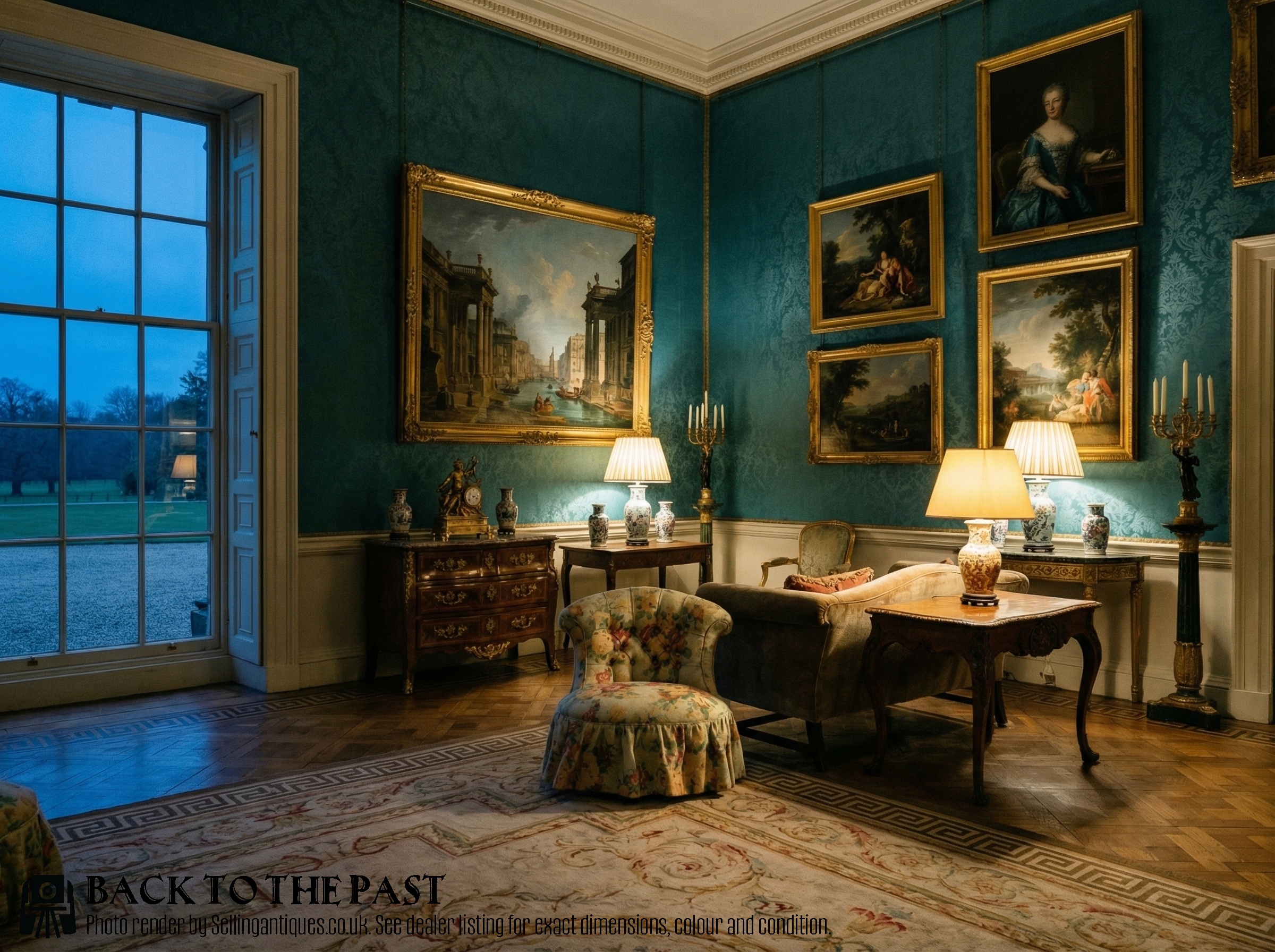
A victorian low accent chair brings compact, low-slung comfort and rich period character to a modern room.
Victorian Low Accent Chair
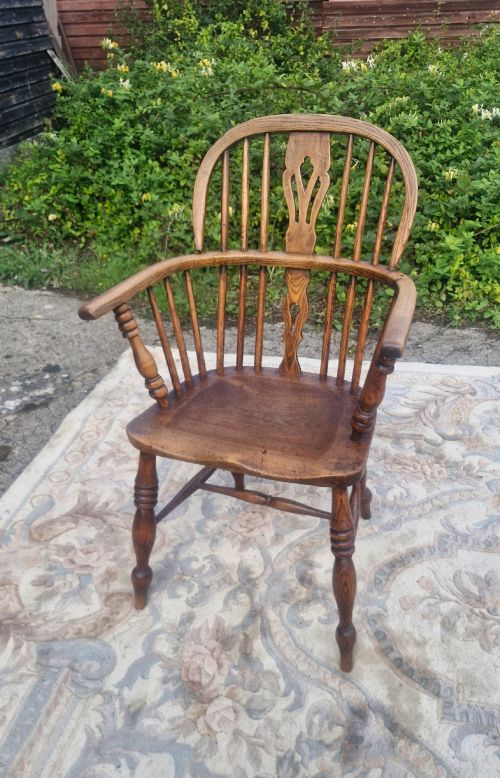
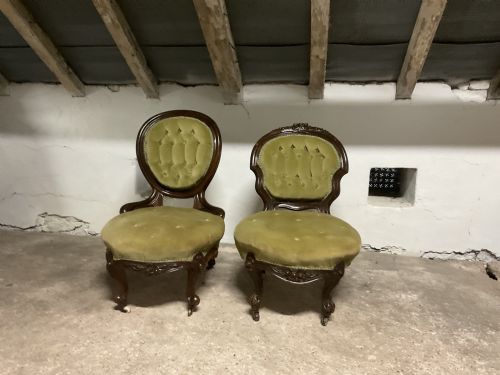
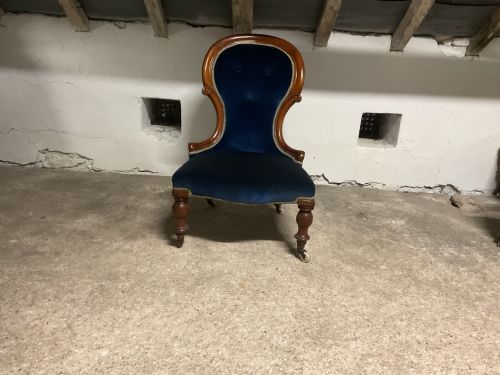
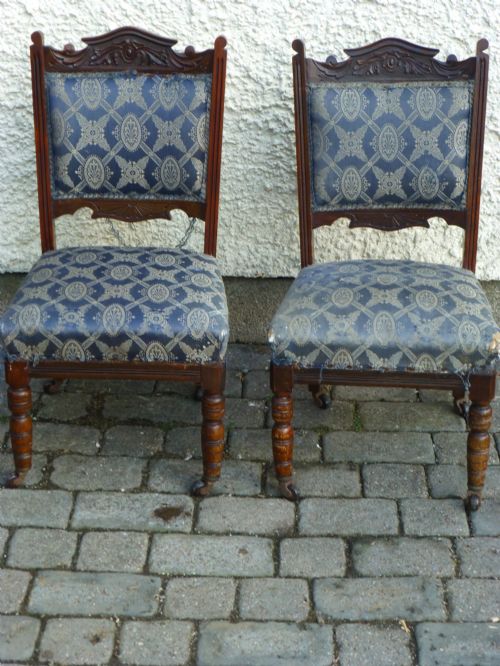
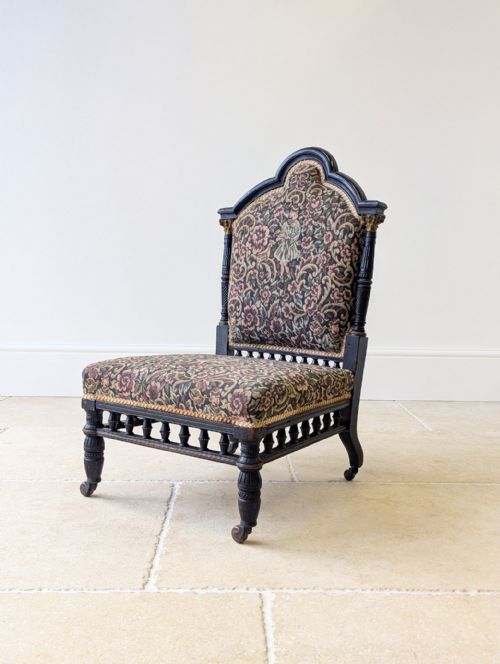
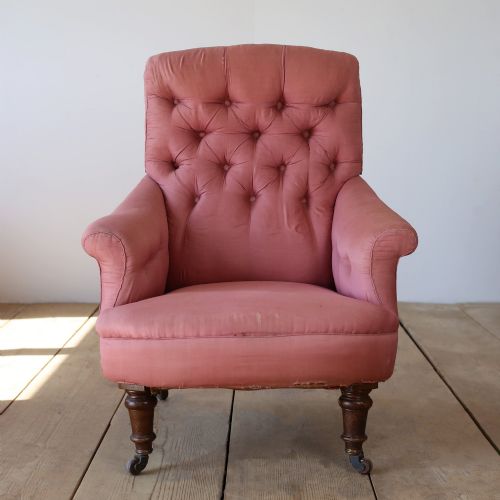
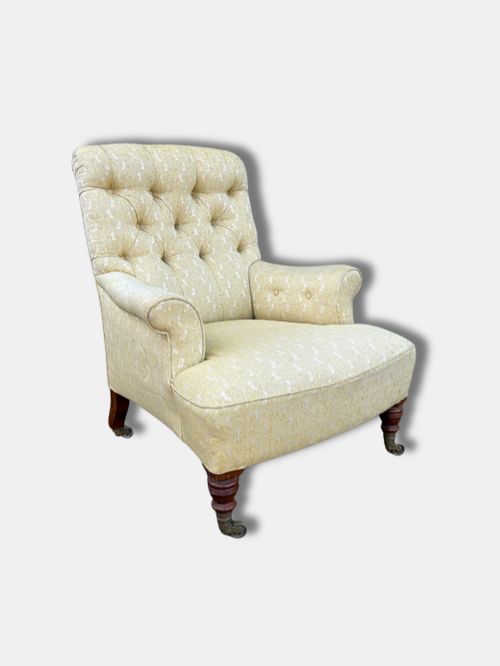
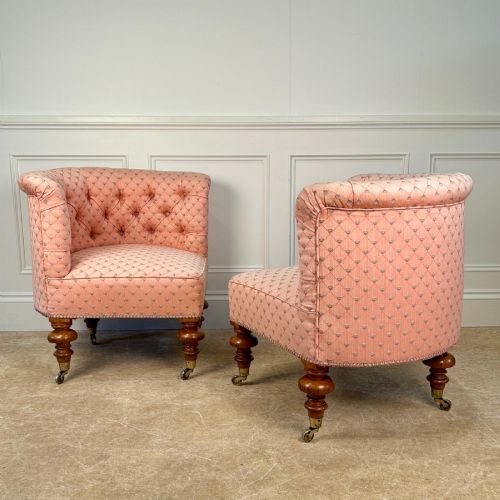
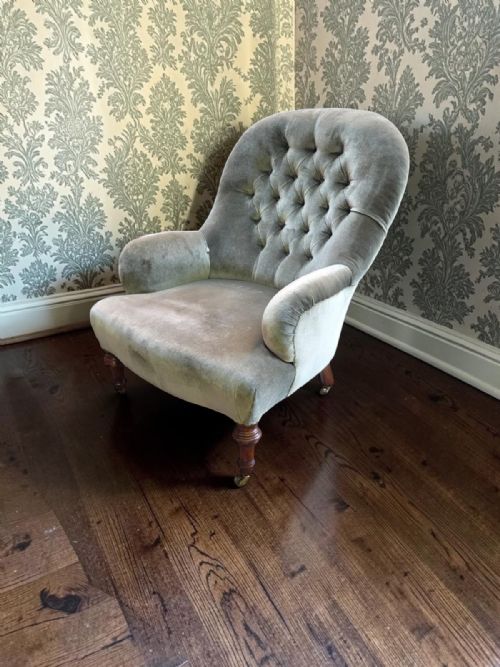
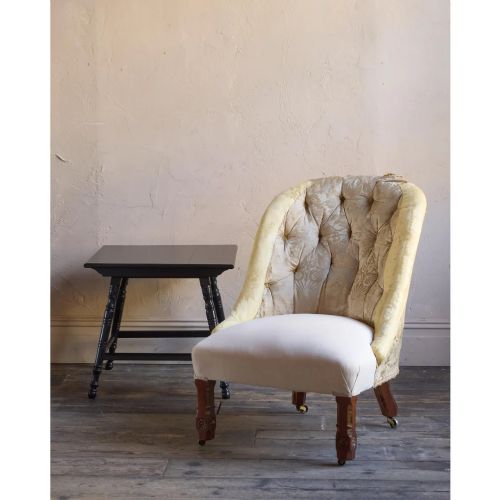
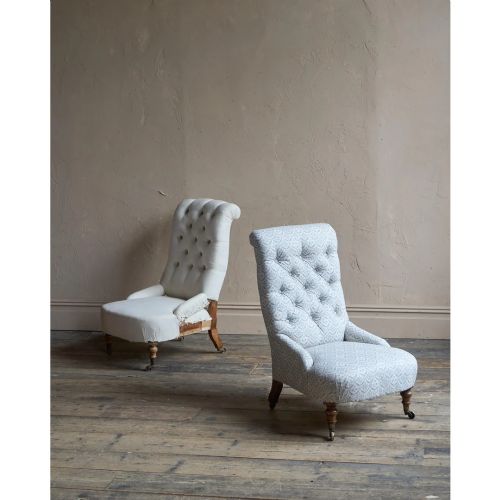
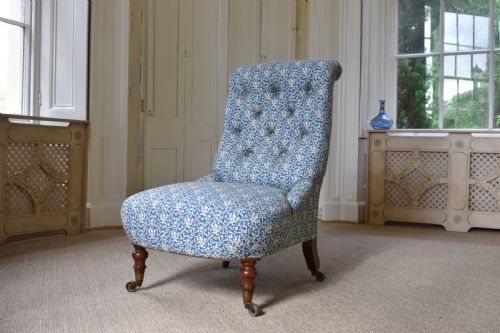
When you search for a victorian low accent chair, you encounter a variety of low-slung seating forms designed for nineteenth-century parlours, bedrooms and drawing rooms. The selection includes nursing chairs, slipper chairs, salon chairs and occasional chairs, spanning the nineteenth century alongside related Edwardian examples.
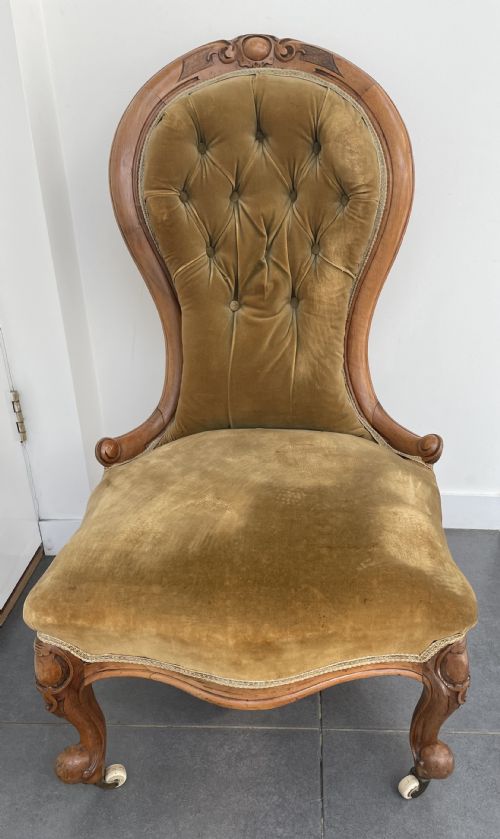
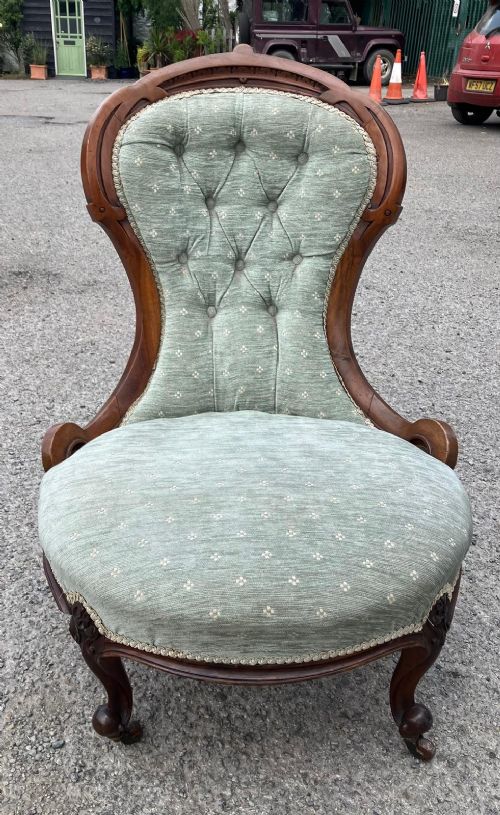
You are most likely to meet walnut and mahogany frames finished with button back upholstery, fabric or velvet, with specific variants adopting styles such as the Aesthetic Movement, Napoleon III or English Country. These pieces share a low centre of gravity, originally intended to accommodate the heavy skirts and fashions of the period without obstruction.
How they were made
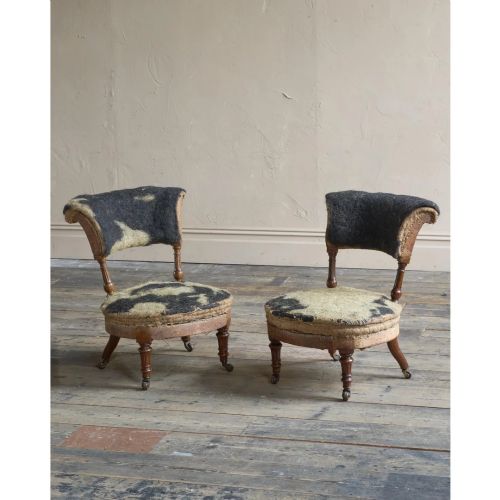
Makers constructed the supportive frames of these chairs using hardwoods like mahogany, walnut, oak and birds eye maple, occasionally incorporating brass, metal, iron or ceramic elements into the castors and structure. Carved giltwood and ebonised finishes also appear among the stylistic variations recorded in the listings.
Upholstery techniques relied on traditional stuffing and springing finished in diverse textiles, including tapestry fabric, velvet and modern designer prints such as Robert Kime fabric. Bobbin framing, button backing and fringe details demonstrate the hand-craftsmanship applied to both the exposed woodwork and the upholstered bodies.
Some chairs roll on tiny porcelain castors designed to protect thick Victorian carpets from getting squashed.
What varies in quality
The distinction between standard examples and the finest work lies in the depth and precision of the carved woodwork, particularly on walnut and mahogany frames where crisp detailing elevates the piece. Superior construction is further evident in the architectural balance of the low frame and the integrity of the underlying joinery.
Proportion and material choice also drive the hierarchy of quality, with substantial proportions, well-figured woods and distinguished maker attributions marking out the most accomplished specimens. The selection of high-grade upholstery textiles and the fidelity of period details like button backing complete the measure of a superior chair.
Howard and Sons·Hampton and Sons·Gillows
The Victorian Low Accent Chair Glossary
- Nursing chair
- A low-seated chair traditionally designed for comfort and ease of tending to infants in the nineteenth century. These pieces typically feature a low profile and an upholstered back.
- Slipper chair
- An upholstered chair with very short legs designed for bedrooms, originally intended for sitting while putting on shoes or stockings. They offer a compact footprint and generous seat depth.
- Button back
- An upholstery method where tufts are pulled tight and secured with buttons to create a diamond pattern across the backrest. This technique adds structural tension and distinct visual texture.
- Aesthetic Movement
- A late nineteenth-century design style that emphasised artistic expression, craftsmanship and often drew inspiration from Japanese art. Pieces from this movement display clean lines and ebonised finishes.
- Bobbin framing
- A type of turned woodwork shaped to resemble a string of bobbins or spools. This decorative turning style appears frequently on the legs and structural supports of nineteenth-century chairs.
Victorian Low Accent Chair: Frequently Asked Questions
What is a victorian low accent chair used for?
These low-slung seats served practical purposes in nineteenth-century bedrooms and dressing rooms, providing comfortable spots for resting or changing attire.
Today, their compact proportions make them versatile accent pieces for modern living rooms, studies and smaller corners where standard armchairs prove too bulky.
How do I identify a Victorian piece?
Identification relies on observing characteristic timbers like walnut and mahogany, alongside traditional construction methods such as hand-turned wood and detailed carved ornamentation.
Stylistic cues like button-backed upholstery, low profiles and specific design movements including the Aesthetic Period or Napoleon III help narrow down the date.
Are these chairs comfortable for daily sitting?
Their low seats and supportive upholstered backs offer a surprisingly relaxed seating experience, though they sit closer to the floor than modern armchairs.
Many surviving examples retain or have been restored with traditional springing and padding, making them well-suited for everyday use in a contemporary home.
How do nursing chairs differ from slipper chairs?
Nursing chairs were traditionally built with slightly higher backs to support a person holding a child, often featuring elaborate carved woodwork or upholstered frames.
Slipper chairs generally present an even lower profile without arms, designed specifically for ease of movement and dressing in private chambers.