

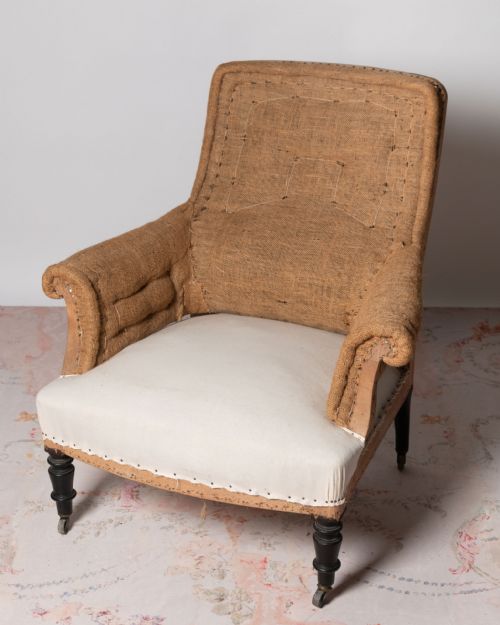


Antique Ebonised Lounge Chair
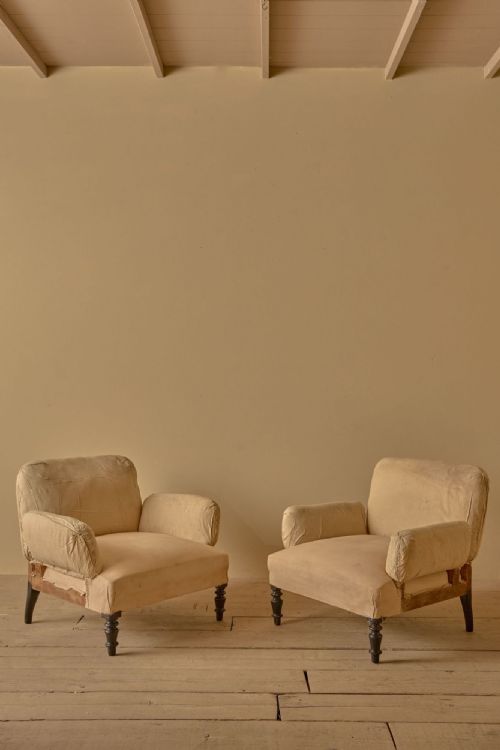
These antique ebonised lounge chair pieces bring dark, striking nineteenth-century presence to a room, offering deep comfort paired with dramatic styling.
Antique Ebonised Lounge Chair
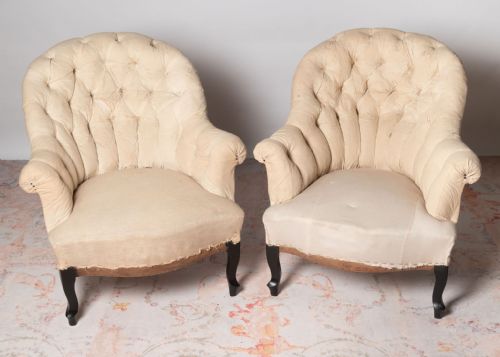
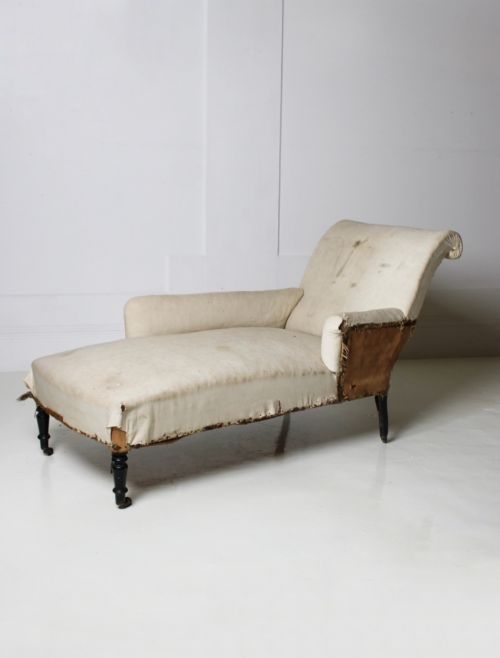
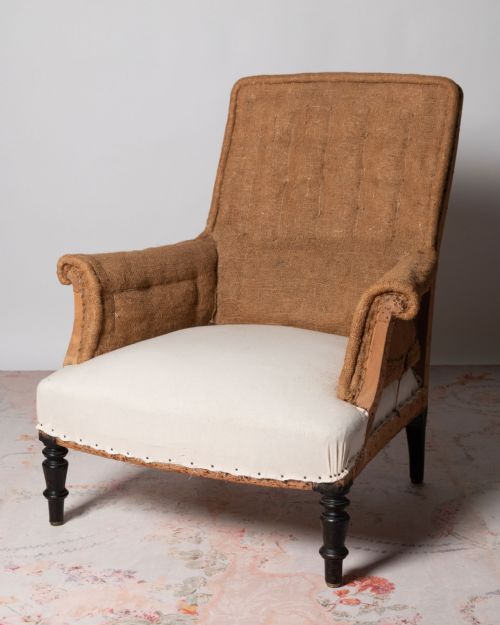
When you search for an antique ebonised lounge chair, you encounter nineteenth-century seating shaped by Victorian and French Napoleon III aesthetics. The selection spans armchairs, library chairs, nursing chairs, salon armchairs, and daybeds.
You are most likely to meet French Napoleon III examples and Victorian pieces dated to the 1870s and 1880s. These forms range from country house armchairs to ornate piecrust chaises and pairs of matching chairs.
Construction and materials
The frames utilise ebonised wood, beech, timber, and black lacquered finishes, often enhanced with brass details. Carved woodwork defines the structure of these nineteenth-century seats.
Upholstery relies on traditional textiles including calico, hessian, and velvet. These materials provide the foundation and surface finish for the armchairs and daybeds.
Assessing quality
The standard of carving and the crispness of the ebonised finish separate finer pieces from simpler ones. Rich timber frames with detailed woodwork demonstrate superior craftsmanship.
The choice of upholstery fabric, from velvet to calico underpinnings, indicates the original grade of the seating. Matching pairs and larger country house formats also command distinct attention.
The Antique Ebonised Lounge Chair Glossary
- Ebonised wood
- Timber stained or painted to imitate ebony. This dark finish gained immense popularity during the nineteenth century for formal salon and library seating.
- Napoleon III
- A nineteenth-century French design style associated with the Second Empire. It favours ornate shapes, dark frames, and luxurious upholstery.
- Nursing chair
- A low-seated armchair designed in the nineteenth century. These seats typically feature supportive backs for comfort.
- Piecrust chaise
- A daybed or lounge seat featuring a distinctive raised, shaped edge along the wooden frame. This decorative moulding characterises specific French pieces from the period.
Antique Ebonised Lounge Chair: Frequently Asked Questions
How do I identify a Victorian ebonised chair?
Victorian ebonised chairs date from the nineteenth century, specifically around the 1870s and 1880s. They feature dark lacquered or ebonised wood frames.
Look for characteristics such as carved wooden details, black lacquer, and period upholstery like velvet or hessian.
Where were Napoleon III chairs made?
Napoleon III chairs originated in France during the mid-to-late nineteenth century. They reflect the opulent tastes of the Second Empire period.
These French pieces often include pairs of armchairs and decorative daybeds finished in ebonised wood.
What materials are used in these chairs?
The primary structural material is wood, specifically beech and timber finished with an ebonised or black lacquered surface. Brass details frequently accent the frames.
Upholstery materials include traditional coverings such as velvet, calico, and hessian beneath the surface.