



Black Wooden Accent Chair
A black wooden accent chair brings dark timber and striking silhouette to a room, ranging from Regency ebonised designs to Victorian nursing seats.
Black Wooden Accent Chair
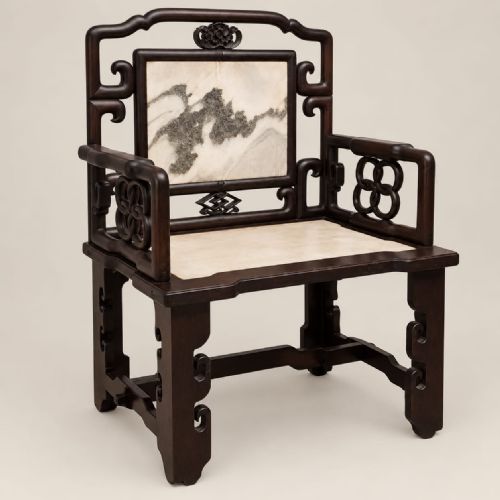
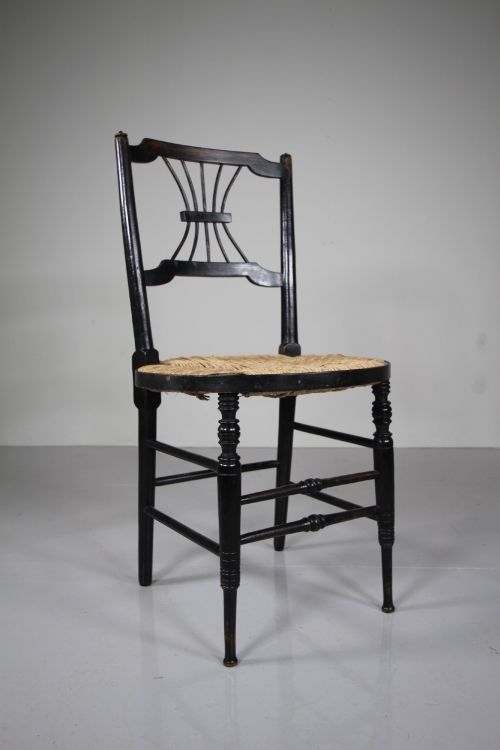
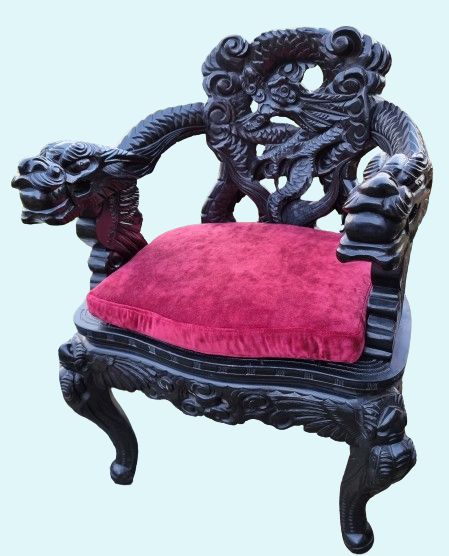
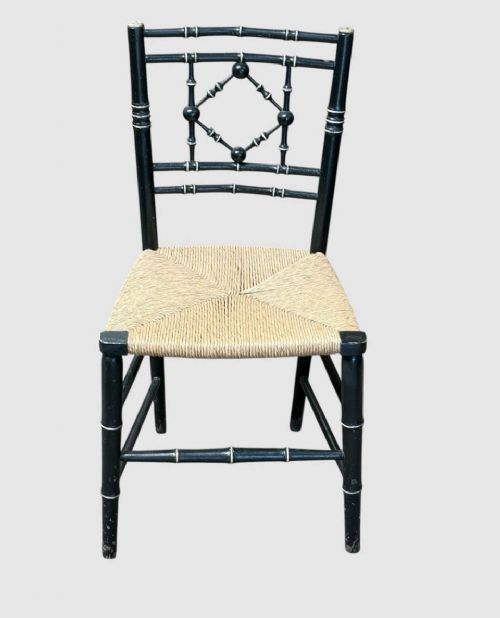
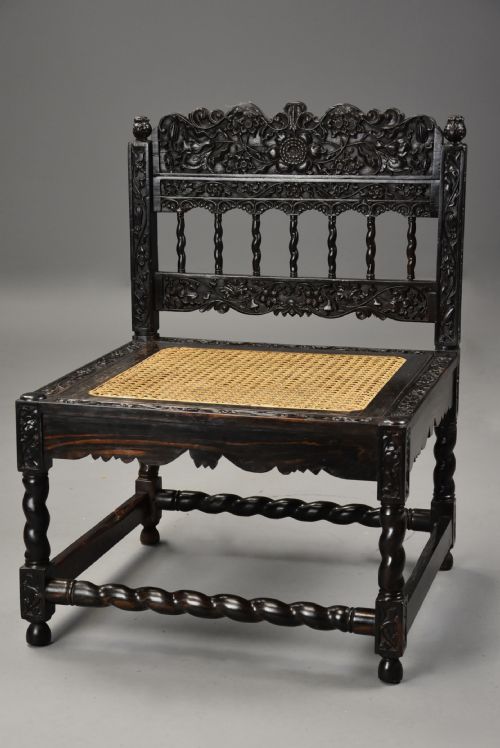
A black wooden accent chair takes many forms across the centuries, appearing as side chairs, armchairs, rocking chairs, and salon chairs. You will frequently meet Victorian ebonised examples alongside Regency, Aesthetic Movement, and Chinese Export pieces.
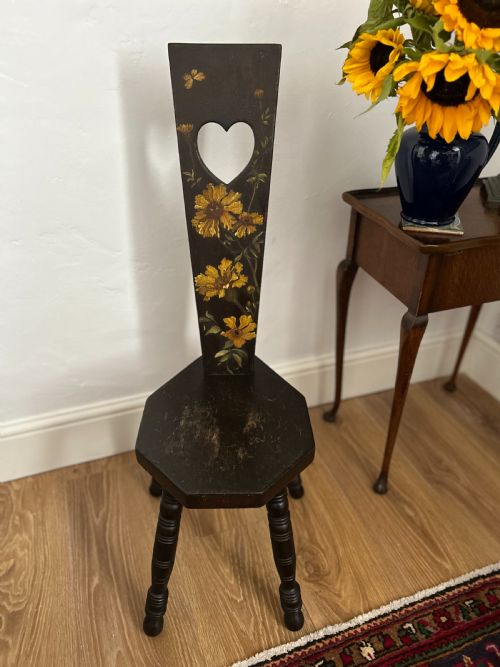
The selection ranges from low lounge seats and nursing chairs to upright hall chairs and Windsor chairs. These timber seats serve to anchor a corner or draw the eye with dark finishes and carved detail.
Origins stretch from British workshops to Swedish, Swiss, Indian, and Chinese makers. This variety places dark wood and ebonised surfaces into diverse regional traditions of seating.
Materials and Making
Makers utilised solid ebony, ash, elm, oak, walnut, birch, and exotic hardwoods, often applying an ebonised finish to create deep black surfaces. Timber choice dictated whether a frame relied on turned spindles, heavy carving, or steam-bent components.
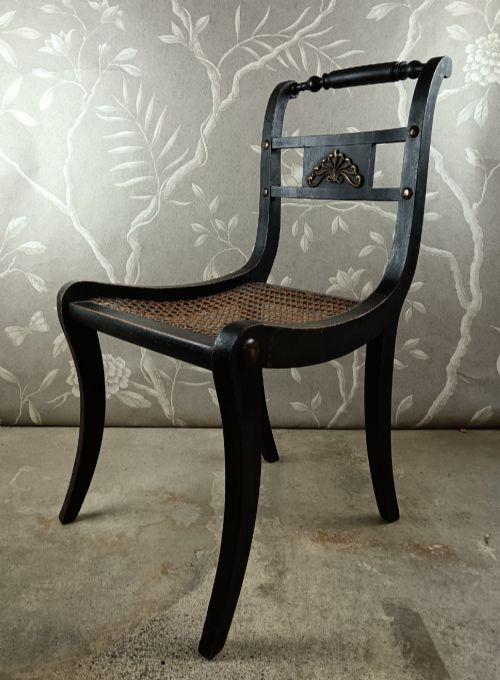
Seating areas frequently employed woven cane, leather, velvet, or hand-painted wooden panels. Brass mounts and gilding sometimes highlighted the dark structures of Regency and Aesthetic Movement models.
Assessing Quality
Quality rests upon the crispness of the hand-carved detail and the integrity of the underlying timber framework. Superior pieces display thoughtful proportion and balanced joinery rather than mere surface decoration.
The handling of the black finish or the selection of solid ebony versus painted hardwood defines the tier of the piece. Original cane seats and undisturbed period upholstery also elevate an item.
William Morris·Bruce J. Talbert·Collier and Plucknett
The Black Wooden Accent Chair Glossary
- Ebonised
- Timber treated with stain, dye, or paint to imitate costly ebony wood. This finish gained popularity during the Regency and Victorian periods.
- Cane
- Woven rattan material used for chair seats and backs. It provides flexibility and a light texture against dark wooden frames.
- Aesthetic Movement
- A late 19th-century design style emphasising visual beauty over narrative content. Chairs from this movement often feature ebonised surfaces and incised decoration.
- Sabre Leg
- A curved, outwardly tapering chair leg resembling a cavalry sabre. This form appears frequently on Regency side and hall chairs.
- Cockpen Chair
- An armchair with an open lattice grid back inspired by Chinese design. These pieces surfaced in British interiors during various revival periods.
Black Wooden Accent Chair: Frequently Asked Questions
What is an ebonised chair?
An ebonised chair is made from timber treated to achieve a deep black appearance, mimicking solid ebony.
This technique was widely used in Regency and Victorian furniture to create a formal aesthetic.
How do I style a black accent chair?
A black wooden chair works well in neutral spaces to create a strong visual contrast.
Position it in a hallway, bedroom corner, or alongside lighter upholstery to highlight its silhouette.
Are these chairs comfortable for daily use?
Comfort varies significantly depending on whether the seat is solid wood, cane, or upholstered.
Nursing chairs and armchairs offer softer support, while hall chairs and side chairs are built for upright posture.
How can I tell a Regency chair from a Victorian one?
Regency chairs typically feature classical lines like sabre legs and restrained gilding.
Victorian pieces often incorporate heavier carvings, ebonised turnings, and stylistic influences from the Aesthetic Movement.