


Antique Miniature Chair
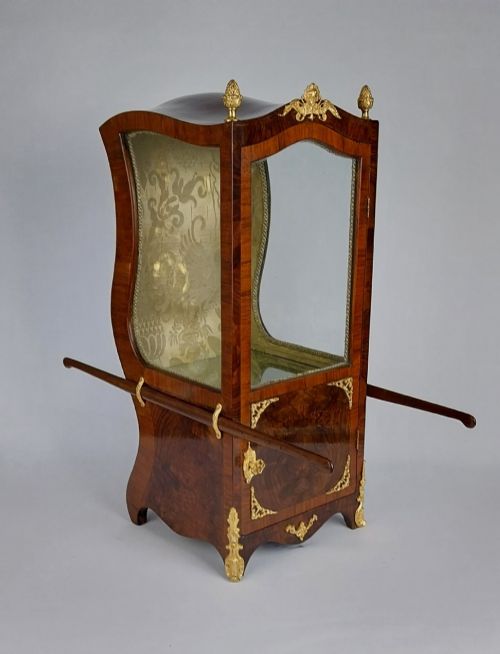
An antique miniature chair brings the craftsmanship of full-sized seating into small scale, whether you seek a child's chair or a silver novelty.
Antique Miniature Chair
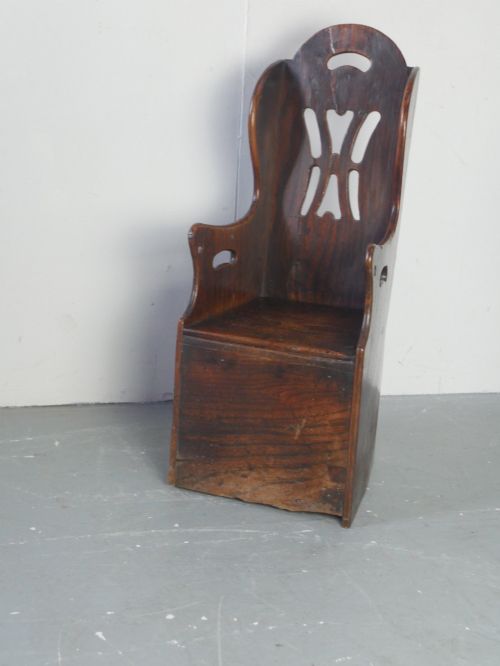
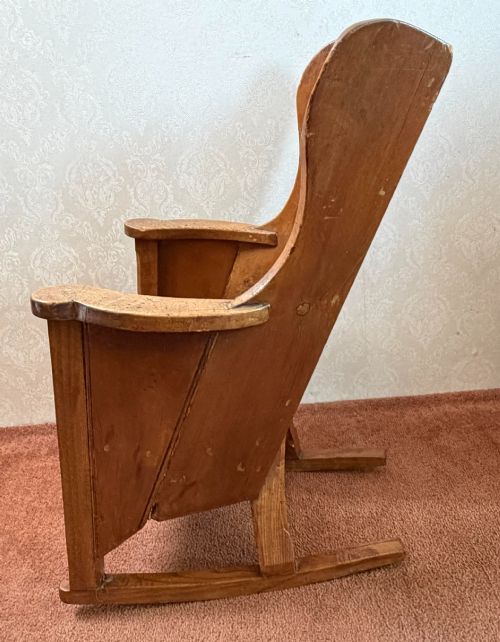
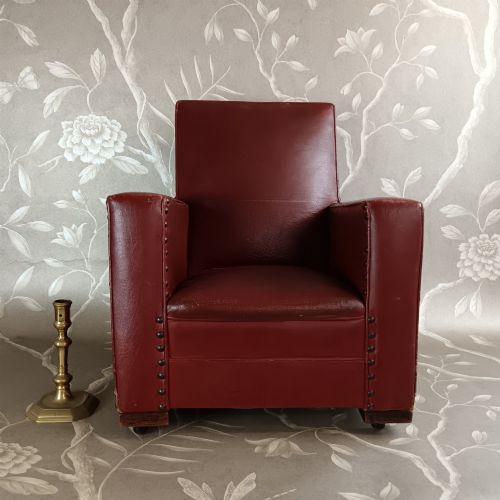
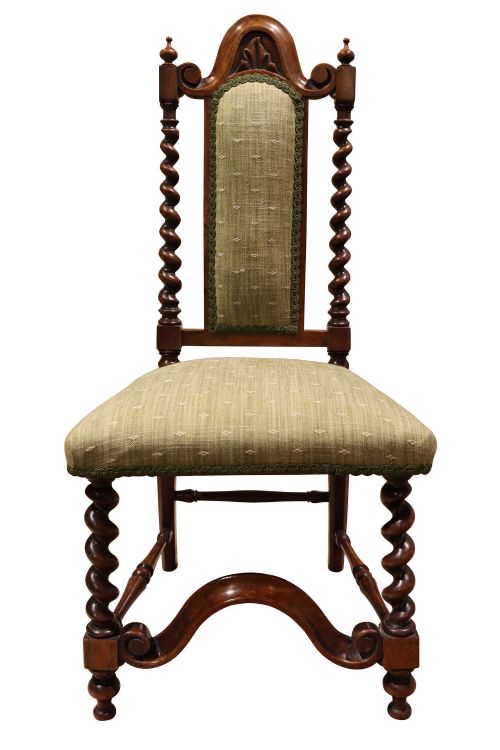
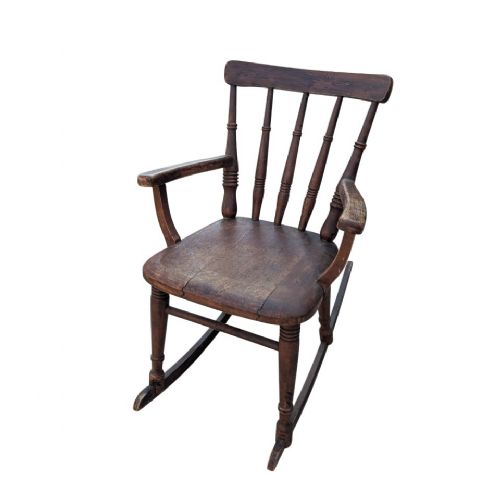
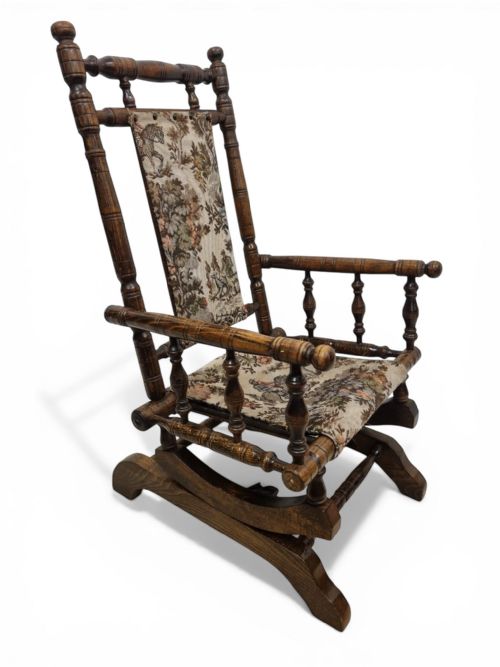
When you search for an antique miniature chair, you encounter a diverse group of objects spanning 18th-century vernacular seating, children's furniture, and doll's house pieces. The most common versions on this page are child's chairs and rocking chairs originating from the Georgian and Victorian periods, alongside small silver and porcelain novelties.
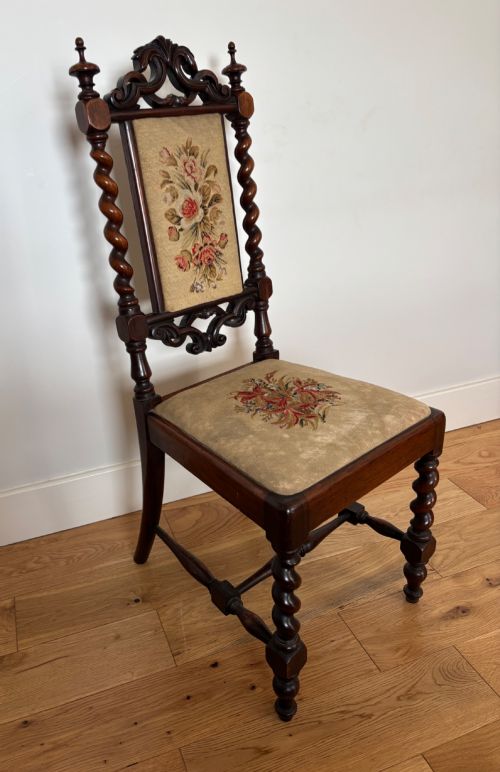
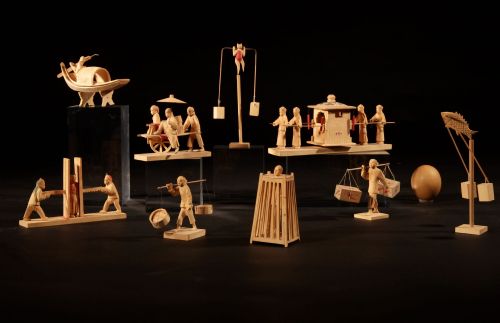
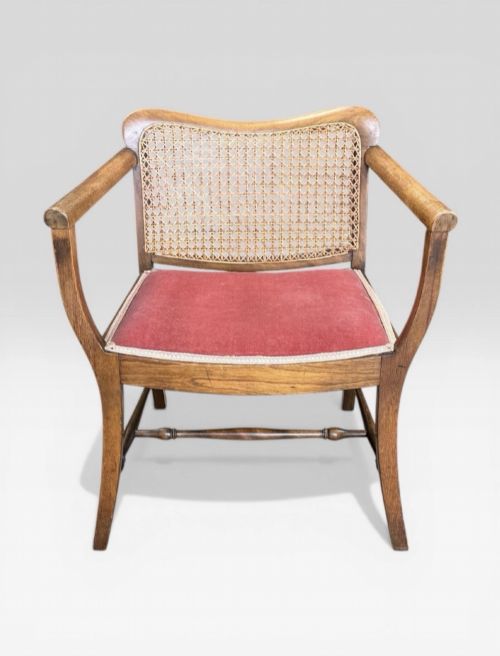
Makers produced these pieces in forms such as Windsor armchairs, rocking chairs, bergere chairs with cane seats, and salon chairs. Materials range from traditional timbers like oak, elm, mahogany, ash, and walnut to silver, porcelain, and bone.
How they were made
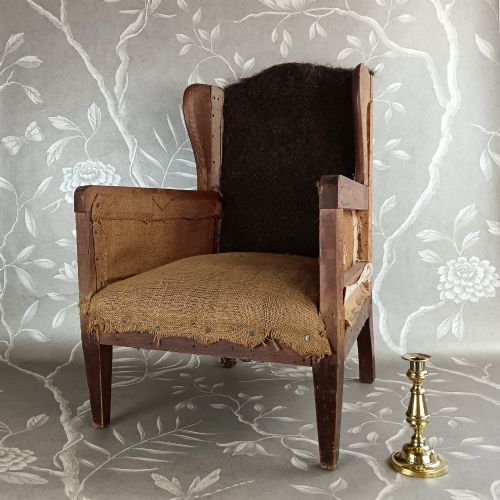
Woodworking techniques dominate the physical evidence, utilising solid timbers such as elm, ash, and mahogany shaped into stick-back Windsor designs, carved frames, and turned legs. Joinery methods mirror full-sized furniture production of the period, including cane work and upholstery.
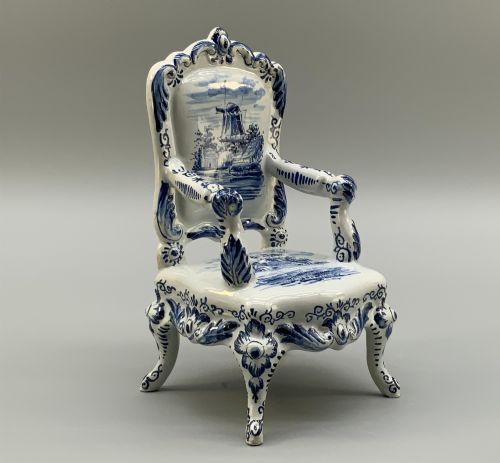
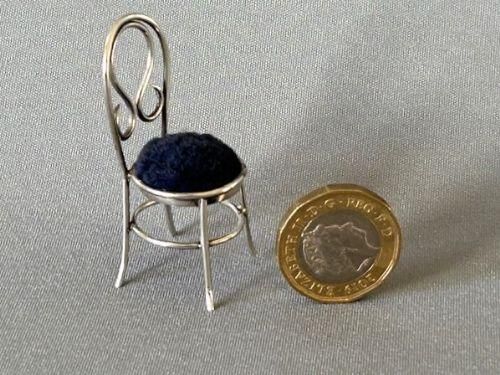
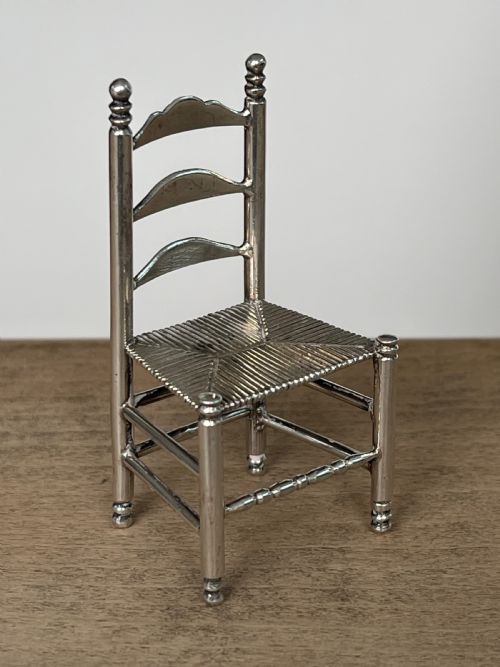
Precious metals and ceramics appear in smaller novelties, with silversmiths casting and working sterling silver into doll's house furniture and coronation chairs. Potters shaped blue and white porcelain and Delftware into miniature armchairs.
Antique Miniature Chair Retail Price Guide 2026
Typical asking prices for miniature chair among the pieces listed under this phrase on Sellingantiques today, from the lower quarter to the upper quarter. They describe what is for sale here now, not the wider market.
Silversmiths even commemorated royal coronations by casting miniature folding chairs in solid silver.
What varies in quality
Quality rests in the fidelity of proportion and the crispness of the carving or silverwork. A piece made as an apprentice piece or a detailed child's Windsor chair displays the exact structural joinery of its full-sized counterpart.
Materials and surface preservation dictate distinction across the range, separating utilitarian country pieces from finely carved rosewood, inlaid mahogany, or fully hallmarked silver novelties.
James Shoolbred
The Antique Miniature Chair Glossary
- Bergere
- A closed-arm chair with cane work panels in the back and sides. This style appears frequently in child-sized seating.
- Windsor
- A chair built with a solid wooden seat into which the legs and stick back are dowelled directly. These often feature elm and ash construction.
- Apprentice piece
- A small item made by a craftsman to demonstrate skill for trade guild admission. These showcase high standards of traditional carving.
- Delftware
- Tin-glazed earthenware originating from the Netherlands. It appears here in blue and white miniature furniture pieces.
Antique Miniature Chair: Frequently Asked Questions
How do I date an antique miniature chair?
Dating relies on identifying the timber species, construction methods, and stylistic markers specific to periods like the Georgian or Victorian eras. Turned legs, stick-back Windsor construction, and upholstery styles provide clear chronological clues.
Silver pieces frequently carry hallmarks and date letters that pinpoint the exact year of manufacture.
Are silver miniature chairs usable furniture?
Silver examples function entirely as decorative display items or doll's house pieces rather than seating. They were manufactured as novelty items, souvenirs, or coronation commemoratives.
Their value lies in the silversmithing technique and precious metal content.
How do I clean wooden miniature chairs?
Wooden surfaces benefit from gentle dusting with a dry, soft cloth to protect the antique finish and exposed grain of timbers like mahogany, elm, and walnut.
Avoid liquid cleaners and moisture, which can damage historic cane seats, tapestries, and aged wood joints.