

Victorian Low Seated Chair
A victorian low seated chair brings nineteenth-century comfort and low-slung proportions to a room, offering an inviting seat designed for firesides, bedrooms, and drawing rooms.
Victorian Low Seated Chair
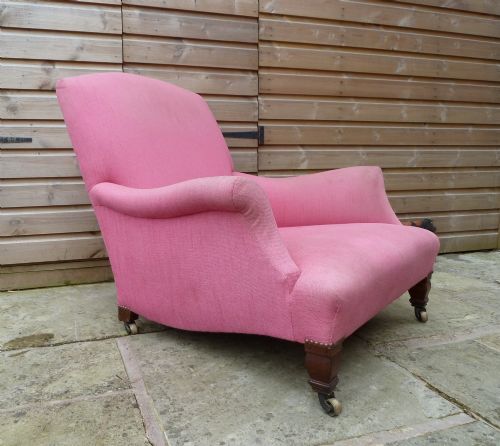
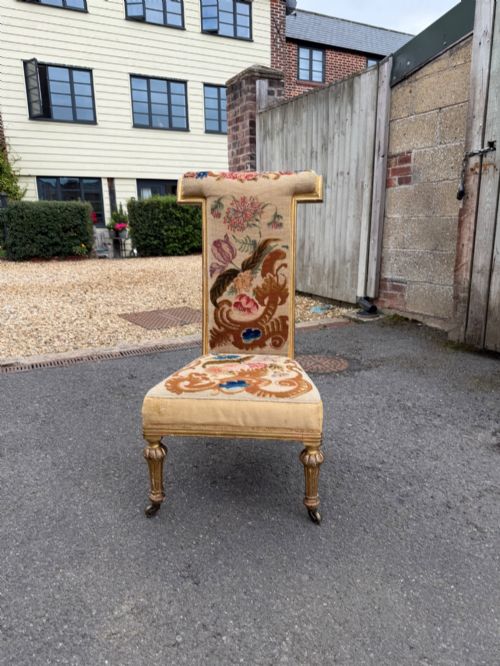
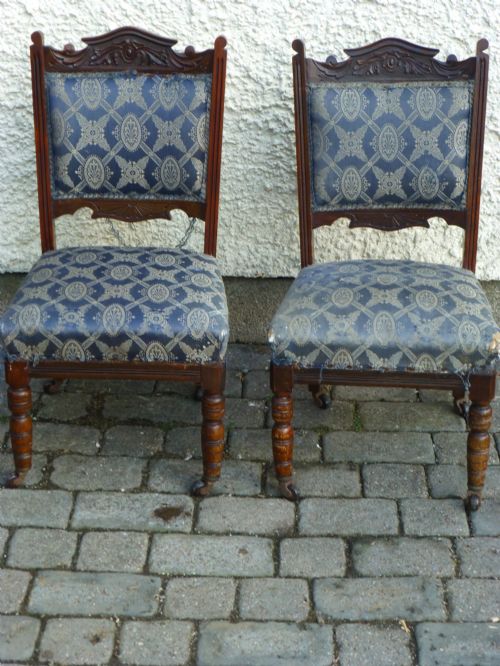
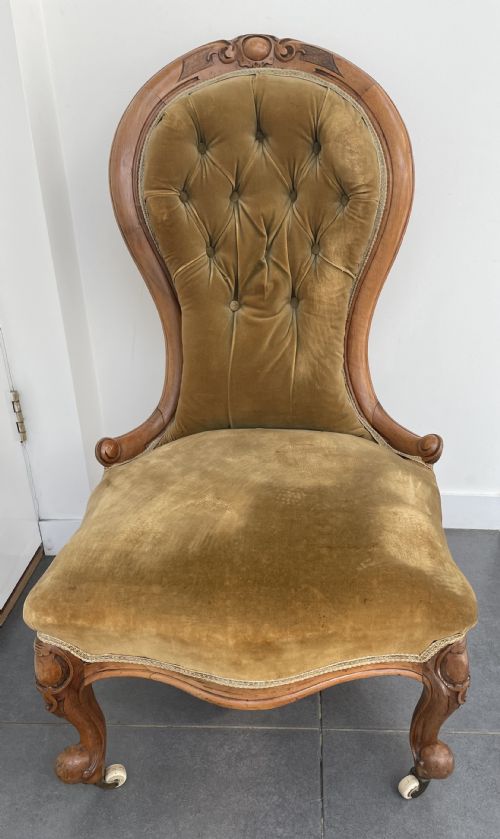
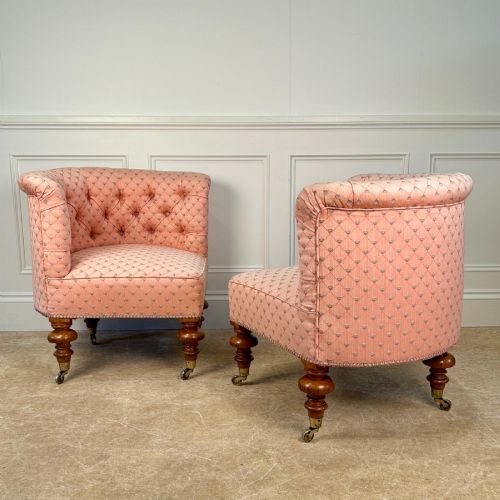
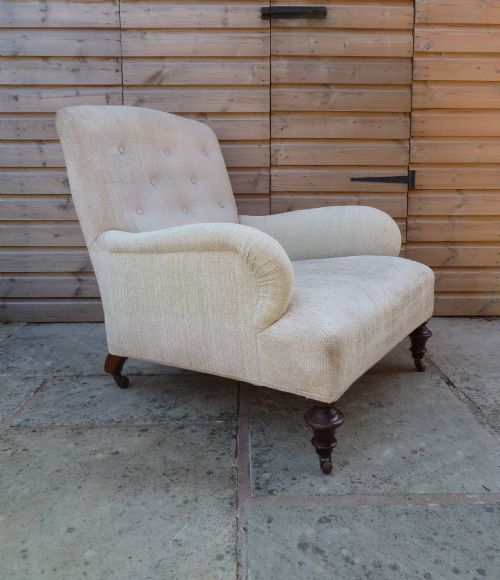
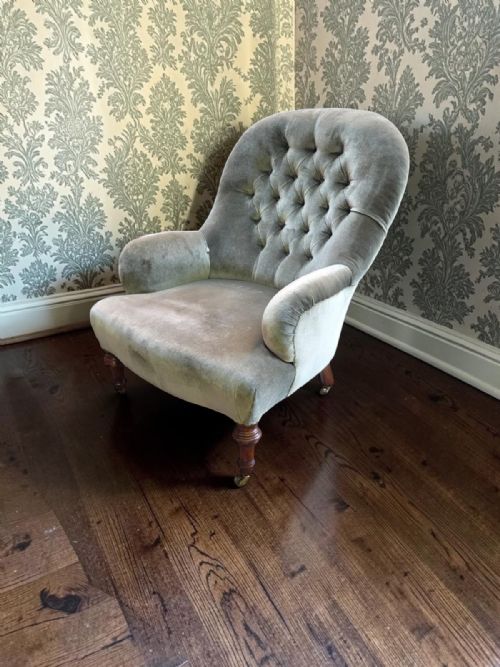
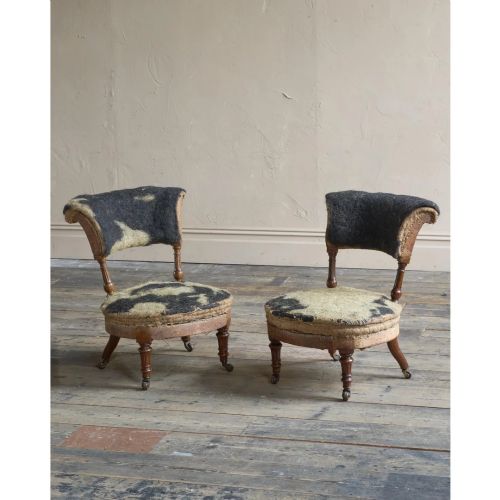
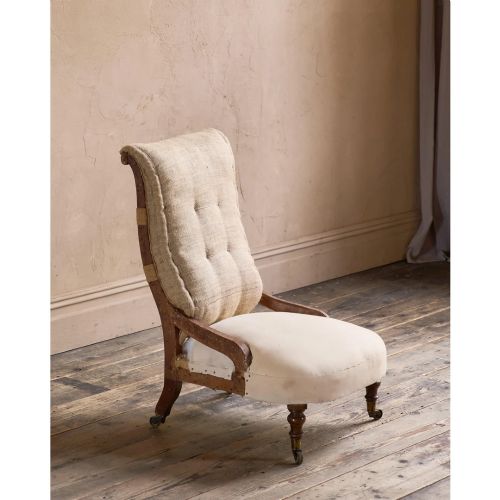
When you search for a victorian low seated chair, you are looking at nineteenth-century seating built with shortened legs for fireside relaxation and intimate conversation. The forms span nursing chairs, slipper chairs, and low salon chairs originating across the Victorian, Edwardian, and nineteenth-century periods.
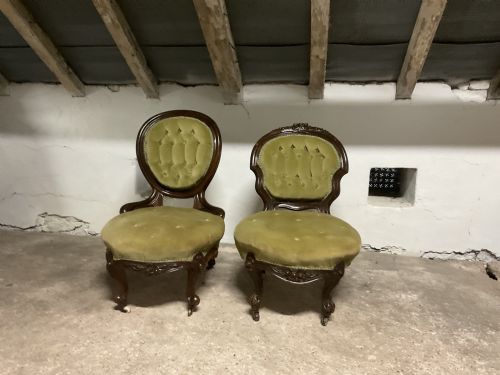
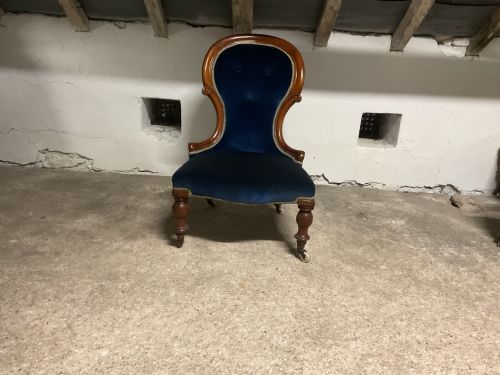
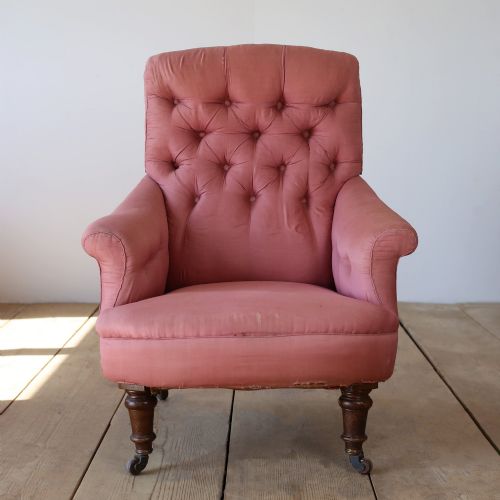
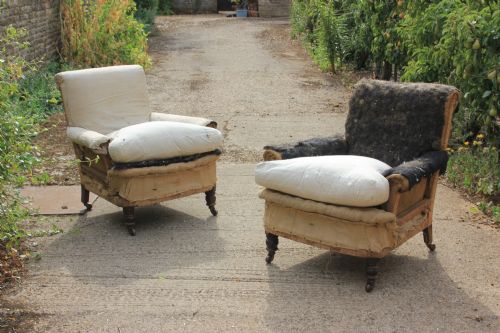
The version you are most likely to meet on this page is a walnut or mahogany nursing chair featuring a button-backed, upholstered frame. These pieces often arrive covered in calico, velvet, or hessian, ready for final fabric choice.
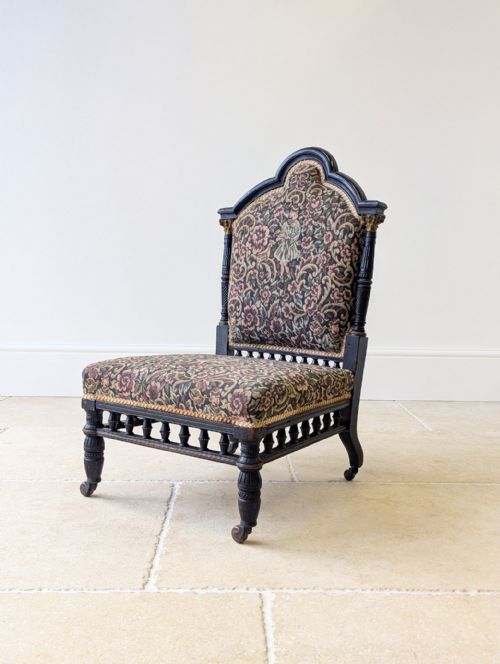
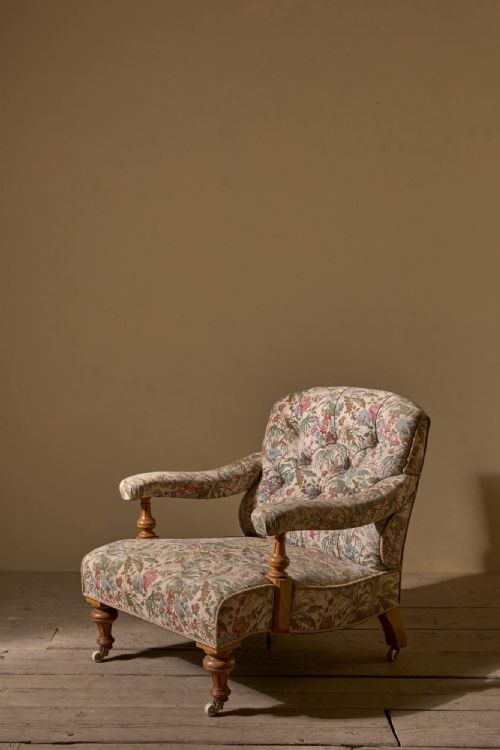
Beyond standard nursing seats, the selection includes aesthetic movement armchairs, bobbin-framed bedroom chairs, and occasional chairs linked to English country houses. Makers such as Gillows, Hampton and Sons, and Howard and Sons appear in the listings alongside regional vernacular designs.
How they were made
Makers constructed the frames using native and imported woods including walnut, mahogany, oak, rosewood, and ebonised timber. These structural skeletons were then tightly packed and upholstered over webbing using traditional stuffing materials.
Exposed wooden elements display carved details, turned bobbin turnings, or brass castors fitted to the feet. Upholstery methods involve button backs, fringe trimmings, and heavy coverings of calico, velvet, or hessian.
Victorian Low Seated Chair Retail Price Guide 2026
Typical asking prices for victorian low seated chair among the pieces listed under this phrase on Sellingantiques today, from the lower quarter to the upper quarter. They describe what is for sale here now, not the wider market.
Many a Victorian lady kept her ankles safely out of the draft by sitting entirely inside her own upholstery.
What varies in quality
The distinction between ordinary and exceptional pieces lies in the integrity of the timber frame and the sophistication of the carving. Superior chairs exhibit crisp, hand-carved walnut or rosewood detailing rather than plain, unadorned structural joints.
Provenance and maker attribution elevate certain chairs significantly, particularly those bearing stamps or design signatures from firms like Gillows or Howard and Sons. The balance of the low proportions and the elegance of the leg turning also separate standard vernacular seating from high-style Victorian salon pieces.
Howard and Sons·Gillows·Hampton and Sons
The Victorian Low Seated Chair Glossary
- Nursing chair
- A low-seated nineteenth-century chair originally designed to allow women to nurse infants comfortably. These pieces typically feature a low profile and a padded back.
- Slipper chair
- An upholstered chair standing very low to the floor, traditionally used in bedrooms for changing shoes. They often omit arms to accommodate voluminous nineteenth-century skirts.
- Button back
- An upholstery technique where deep buttons are pulled through the padding to create a geometric pattern of tufts. This method secures the internal stuffing while providing firm back support.
- Ebonised
- Wood treated with a chemical stain or finish to imitate expensive ebony. This dark, polished surface was particularly popular during the Aesthetic Movement.
- Bobbin framing
- Turned woodwork featuring a series of spherical or spool-shaped swellings along the length of the leg or stretcher. This decorative turning style appears frequently on nineteenth-century country and bedroom chairs.
Victorian Low Seated Chair: Frequently Asked Questions
What is a nursing chair?
A nursing chair is a low-seated nineteenth-century armchair designed without high arms to accommodate the voluminous dresses of the period. They were commonly placed in bedrooms and nurseries for feeding children.
These chairs sit closer to the ground than standard dining or salon seating, placing the sitter in a relaxed posture ideal for firesides or dressing rooms.
How do I choose a slipper chair?
Slipper chairs are characterised by their very low seats and armless frames, making them compact options for smaller spaces like bedrooms and dressing rooms. Consider whether you prefer a buttoned back or a plain upholstered finish.
Many of these chairs are offered in calico or hessian, allowing you to apply your own choice of fabric to match your interior colour scheme.
Are these chairs comfortable for daily use?
Most nineteenth-century low seating offers deep padding and supportive sprung or stuffed backs. However, older upholstery may require professional renewal to achieve modern levels of daily comfort.
Chairs attributed to makers like Howard and Sons are particularly noted for their deep, sprung seating designed for prolonged lounging.
How do I distinguish Victorian from Edwardian chairs?
Victorian chairs dating from the mid to late nineteenth century often feature heavier walnut or mahogany frames, elaborate carving, and deep button upholstery. Aesthetic movement examples may incorporate ebonised wood and simpler, linear forms.
Edwardian pieces tend toward lighter woods, slender turned legs, and occasionally more restrained upholstery styles reflecting the turn of the twentieth century.