


Carved Walnut Accent Chair
A carved walnut accent chair brings warmth and historic craftsmanship to a room.
Carved Walnut Accent Chair
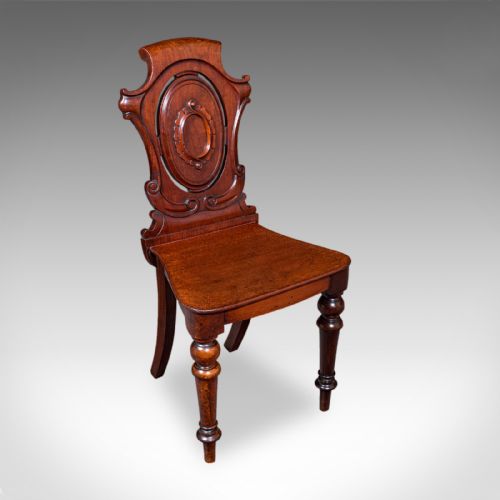
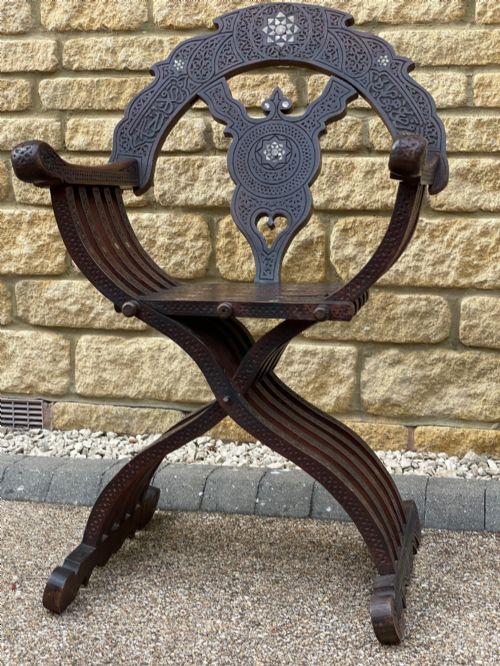
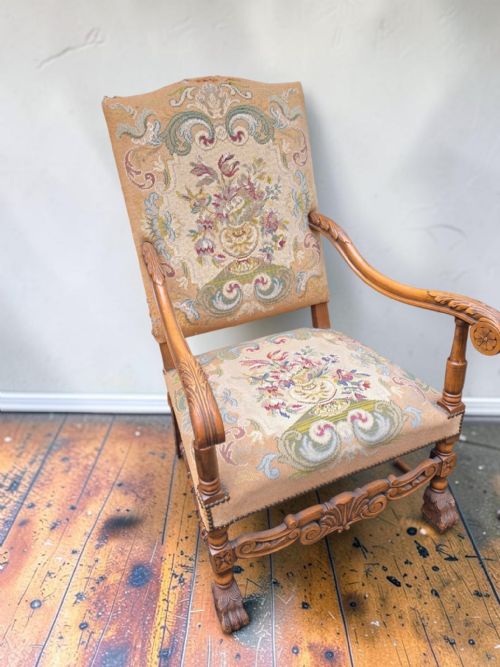
When you search for a carved walnut accent chair, you examine seating designed to stand out in a room through rich timber and ornate detail. These pieces function as occasional chairs, nursing chairs, side chairs, and armchairs across historical periods.
The most common examples on this page date from the Victorian era and the nineteenth century, though earlier pieces from the seventeenth and eighteenth centuries appear alongside later twentieth-century interpretations. They combine functional seating with decorative presence.
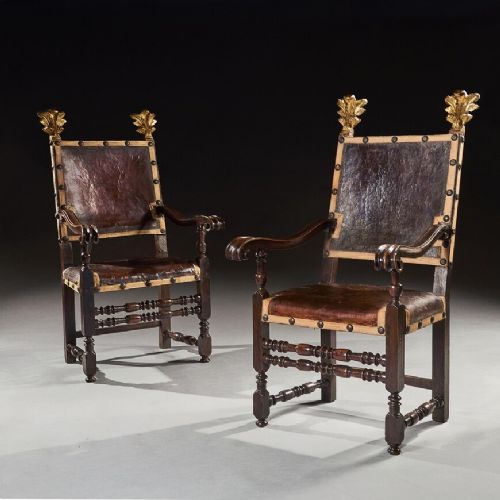
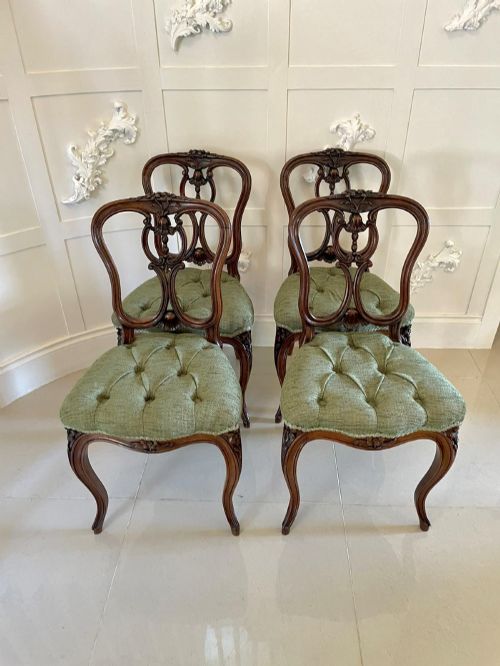
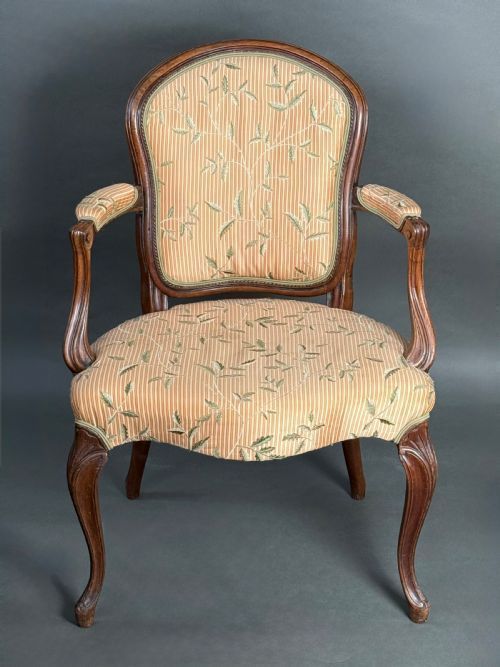
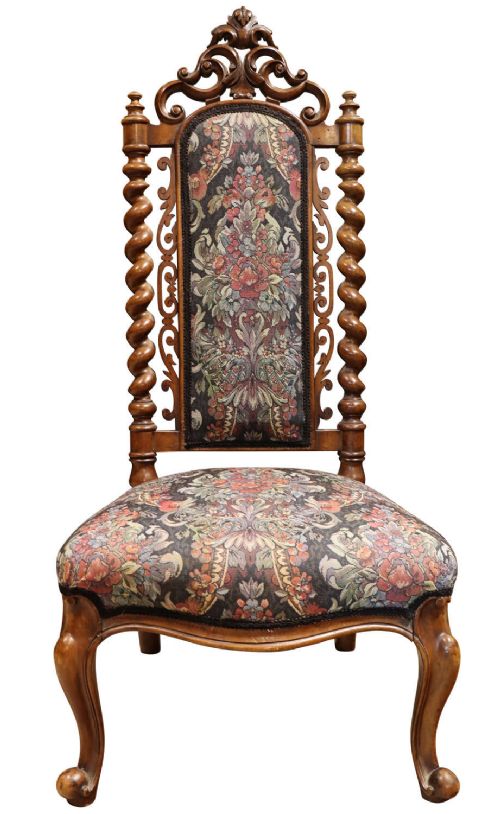
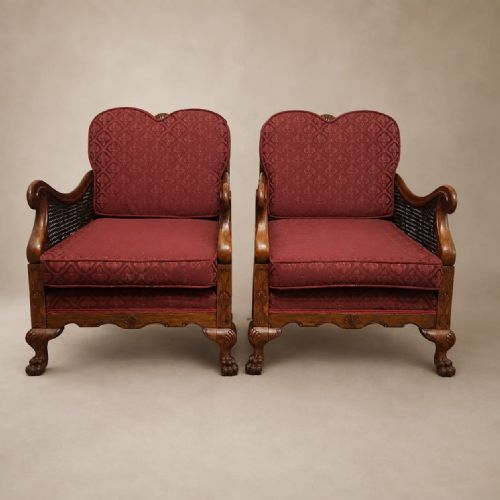
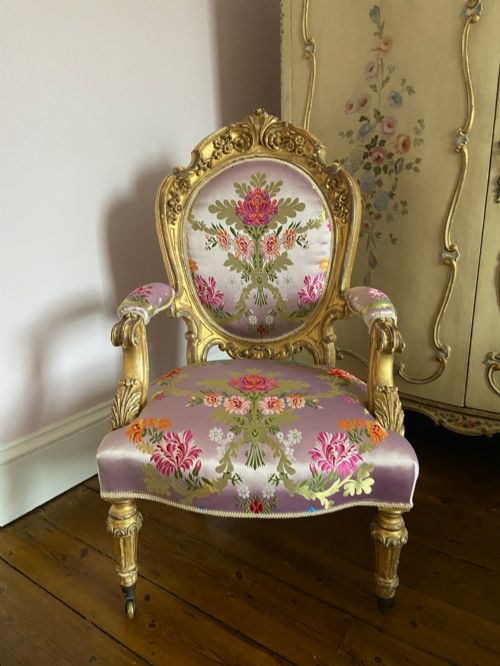
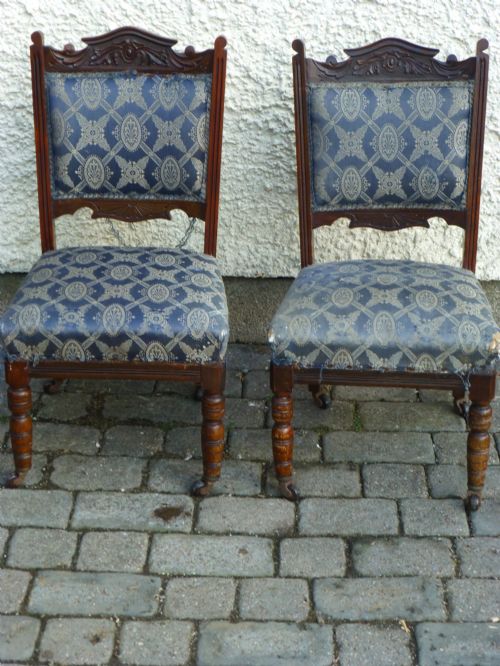
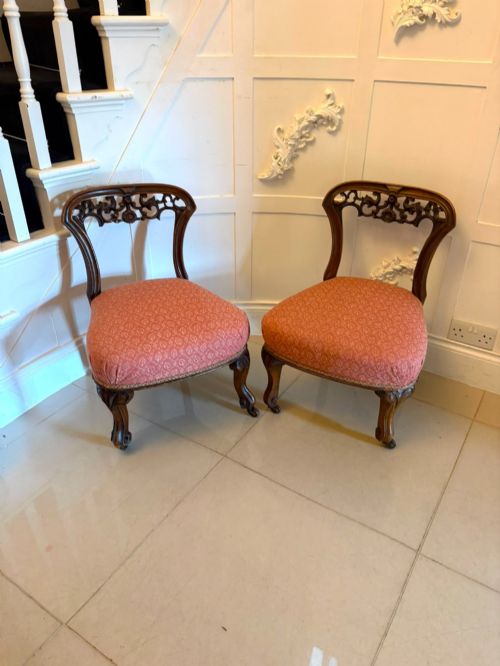
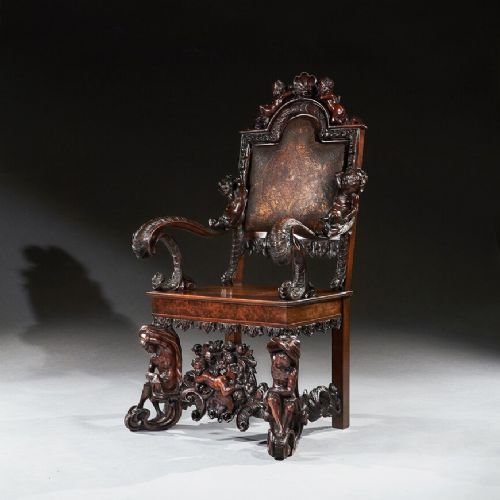
Makers shaped these chairs into diverse forms, from high-back parlour chairs and spoonback armchairs to salon pairs and hall seats. Each variation reflects the prevailing style of its origin, including Queen Anne, Georgian, Italian Baroque, and Rococo Revival.
How they were made
Craftsmen built these frames using solid walnut, prized for its grain and ability to hold deep, crisp carving. Workshops often augmented the timber structure with parcel-gilt wood, brass accents, or mother-of-pearl inlay depending on the period and regional style.
Upholstery formed an integral part of construction, utilising traditional materials such as fabric, velvet, leather, tapestry, and silk. Caning also appears on specific frames, providing a lighter texture to complement the dense walnut structure.
Carved Walnut Accent Chair Retail Price Guide 2026
Typical asking prices for carved walnut accent chair among the pieces listed under this phrase on Sellingantiques today, from the lower quarter to the upper quarter. They describe what is for sale here now, not the wider market.
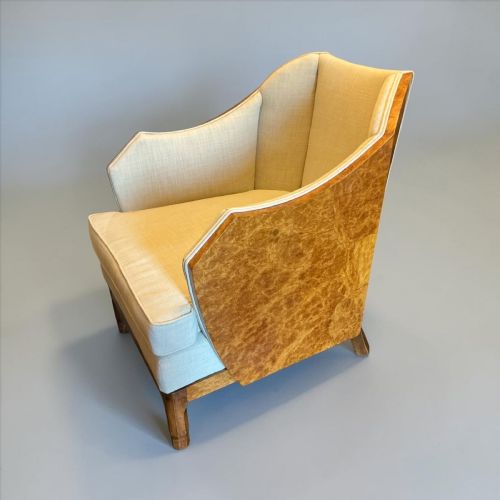
The listings span from the seventeenth century through the Victorian era to the Art Deco period, demonstrating centuries of walnut furniture design.
What varies in quality
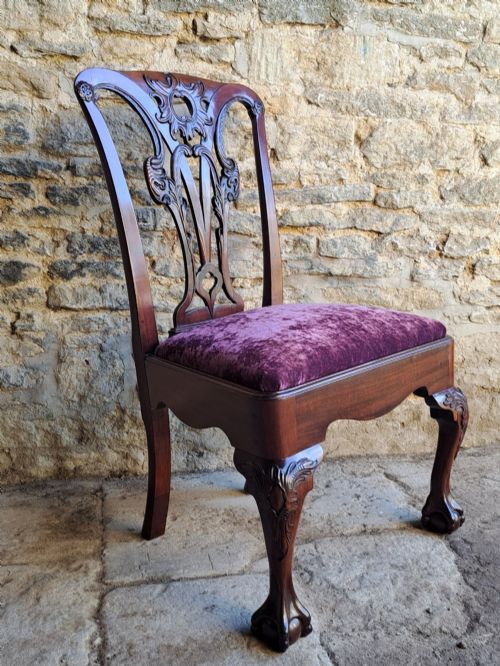
The standard of carving distinguishes standard production from exceptional work, as seen in pieces inspired by makers like Andrea Brustolon or created for exhibition. Crisp relief work and balanced proportions indicate superior workshop execution.
The integrity of the walnut frame and the authenticity of the upholstery materials determine the long-term character of the piece. Original textiles or historically sympathetic re-upholstery maintain the visual harmony intended by the maker.
Charles Tozer·Andrea Brustolon·Colefax and Fowler
The Carved Walnut Accent Chair Glossary
- Cabriole leg
- A furniture leg that curves out and then tapers inward, mimicking an animal's limb. This form appears frequently on eighteenth-century and revival seating.
- Bergere
- An enclosed upholstered armchair with a wooden frame and cane sides or back. These provide a lighter silhouette while retaining a substantial timber presence.
- Spoonback
- A padded chair back shaped like the bowl of a spoon to fit the human spine. This ergonomic design gained popularity during the Victorian period.
- Parcel-gilt
- Partially gilded with gold leaf or powder over portions of the carved wood. This technique highlights specific decorative motifs against the dark walnut ground.
- Shield back
- A chair back shaped like a heraldic shield, commonly found in eighteenth-century designs. It offers a refined silhouette for reception and hall seating.
Carved Walnut Accent Chair: Frequently Asked Questions
How do I identify a Victorian walnut chair?
Victorian pieces often feature darker walnut tones with deep carving, spoonback designs, or button-tufted upholstery. These chairs typically date between the mid and late nineteenth century.
They reflect revival styles such as Rococo or Louis XIV, combining heavy ornamental frames with comfortable sprung seats for parlour and salon use.
Where should I place an accent chair?
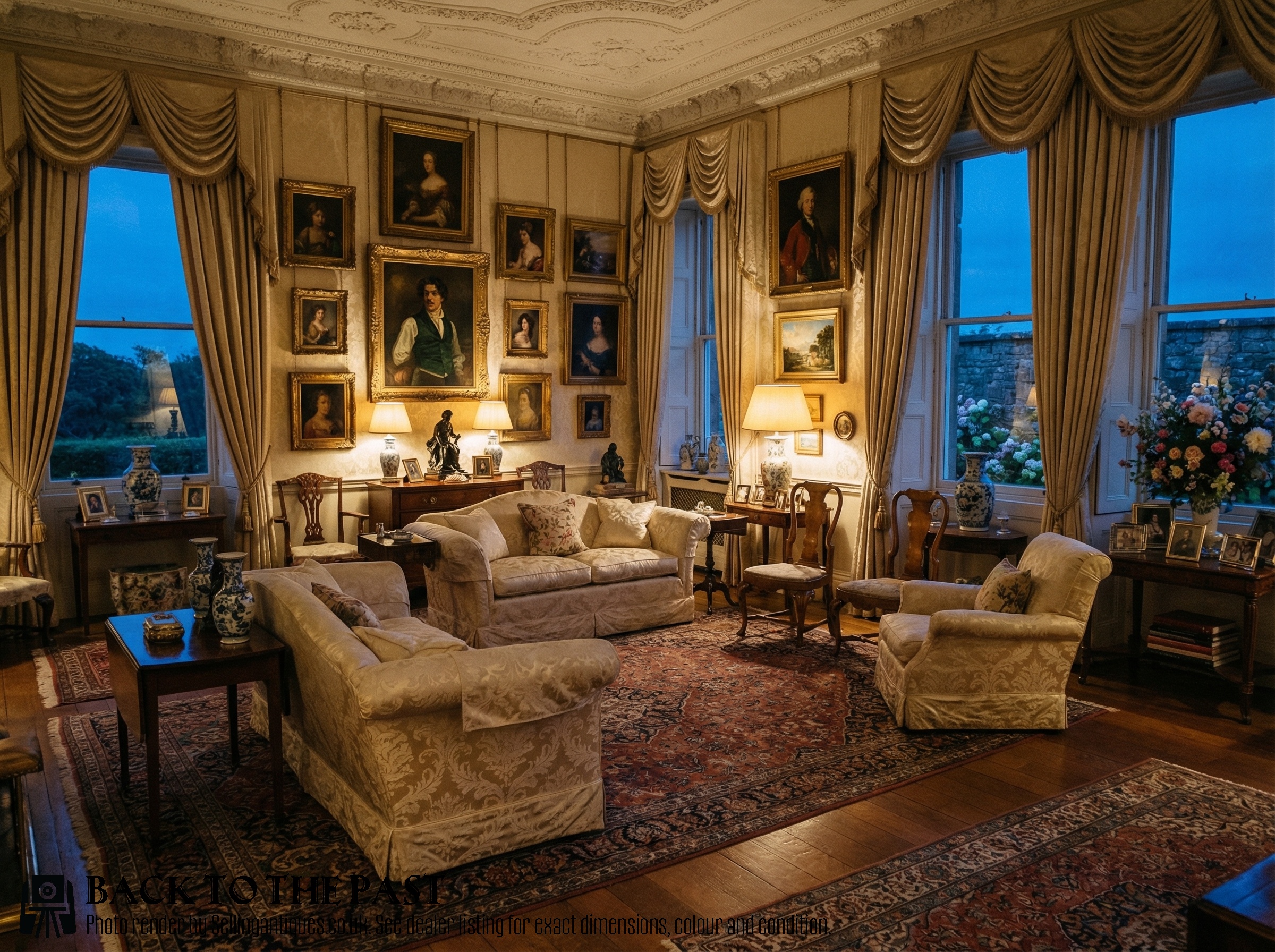
An accent chair fits well in corners, reception halls, or bedrooms where a single decorative seat is required. They provide a focal point without cluttering the floor plan.
Pair them with complementary tables or use them to introduce texture and historic form into a modern interior scheme.
What is the difference between an armchair and a side chair?
Armchairs include structural arm supports designed for relaxed seating, while side chairs lack arms and feature narrower frames intended for dining or occasional use.
Both variants utilise carved walnut and upholstery, but armchairs generally offer a more commanding visual presence in a room.
How do I care for antique walnut wood?
Maintain walnut furniture by keeping it away from direct sunlight and rapid temperature fluctuations that can dry out the timber. Dust regularly with a soft, dry cloth.
Avoid modern silicone polishes, using traditional beeswax periodically to nourish the grain and preserve the finish of the carved surfaces.