


Mid 18th Century Chair
A mid 18th century chair brings the carved weight and architectural timber of the Georgian age straight to your room.
Defining the mid 18th century chair
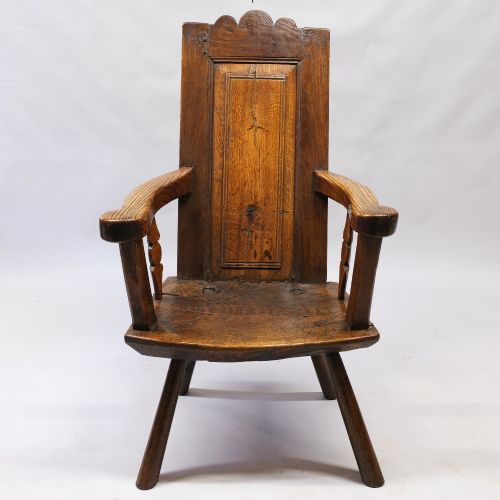
A mid 18th century chair encompasses robust seating forms shaped during the Georgian era, spanning armchairs, side chairs, hall chairs, and corner designs. You will frequently encounter walnut and mahogany examples alongside vernacular pieces in oak, elm, ash, and fruitwood.
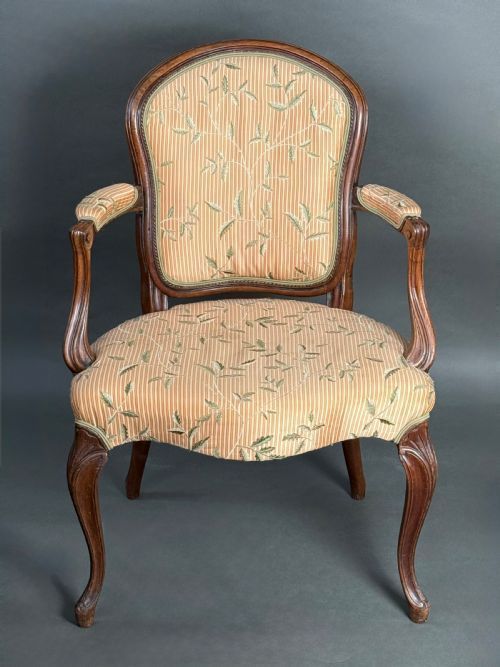
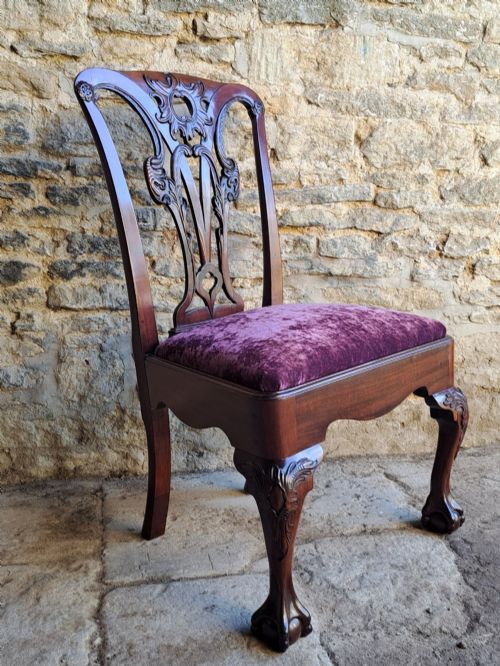
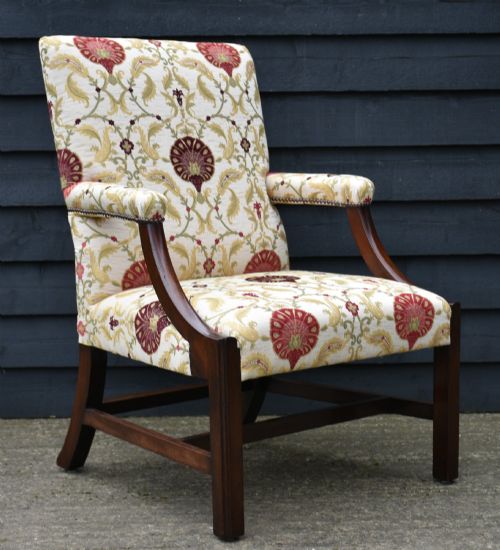
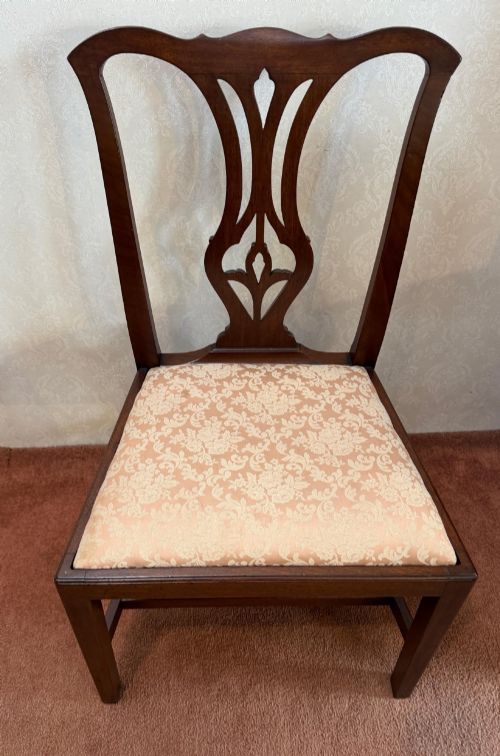
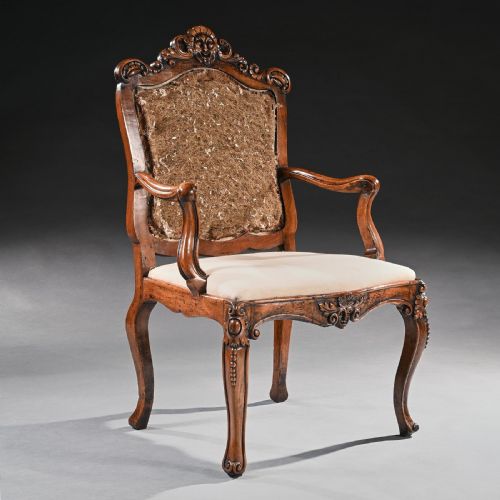
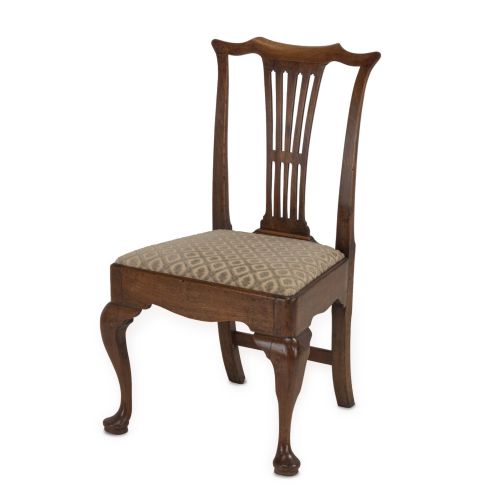
The selection ranges from Italian Rococo armchairs with carved head rails to George II library open armchairs of grand scale, plus dining chairs and side chairs with pierced splat backs. These pieces reflect the shift from heavy walnut to rich mahogany and regional timbers during the middle decades of the seventeen hundreds.
Materials and construction methods
Cabinetmakers built these chairs using dense native and imported timbers, primarily mahogany and walnut, supplemented by regional fruitwood, oak, elm, and ash. Joints were pegged or dowelled, and frames accommodated drop-in seats or upholstery covered in fabric, textile, or tapestry.
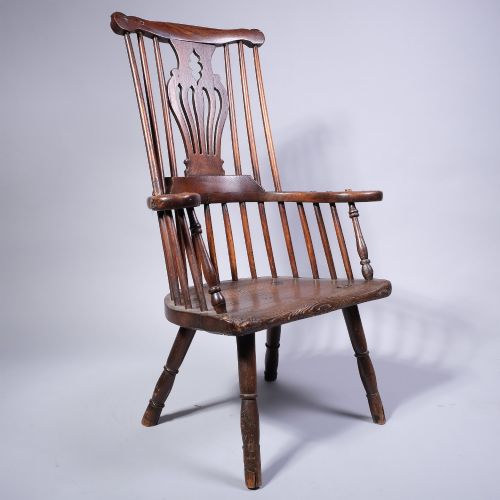
Carving defined the ornament, seen in pierced splats, carved head rails, and Dutch marquetry inlay. Provincial makers utilised simpler turned spindles and comb backs for Windsor and Windsor-adjacent seating.
Retail Price Guide 2026
Typical UK retail prices for mid 18th century chair, calculated from the Sellingantiques database of over a million retail prices indexed since 2003. This retail price guide relies exclusively on Sellingantiques data; no external sources or auction records are used, so the figures do not describe the wider market.
Form variations include side chairs, armchairs, hall chairs, desk chairs, and corner chairs.
Distinctions in construction and finish
Quality rests in the crispness of the timber carving and the architectural proportion of the frame. Heavy, well-figured mahogany and richly patinated walnut separate ambitious metropolitan seating from simpler provincial output.
The sophistication of the joinery, from pierced splat backs to robust open arms, dictates the standing of the piece. Original surface patination and untouched structural timber elevate examples far above altered or heavily restored equivalents.
The Mid 18th Century Chair Glossary
- Pierced splat
- The central vertical wooden strip within a chair back, cut through with open geometric or interlaced designs. It lightens the visual load while providing robust back support.
- Corner chair
- A square-form seating piece designed to fit into room angles, featuring a diagonal seat plan and a curved back rail supported by turned posts.
- Comb back
- A Windsor chair variation where the vertical spindles of the back extend upward into a horizontal crest rail resembling a hair comb.
- Marquetry
- The art of applying decorative veneer pieces in wood to form intricate pictorial or geometric patterns on the chair surface.
Frequently Asked Questions
How do I identify a Georgian chair?
Look for the transition from heavy walnut frames of the early seventeen hundreds to the rich mahogany and carved splats that define the middle of the century. Proportions tend to be muscular yet balanced, utilising cabriole legs or straight square supports.
Check beneath the seat and around the joints for hand-cut pegging and timber shrinkage that confirm period manufacture rather than later reproduction.
Where should I place an antique armchair?
These seating pieces suit studies, libraries, or living spaces where their timber tones and carved details can be appreciated without heavy daily wear. Pair a walnut or mahogany open armchair with side chairs to anchor a room.
Ensure the chair rests away from direct heat sources and strong sunlight to protect the aged timber, joinery, and any original textile or upholstery fabric.
What is a corner chair used for?
Corner chairs were originally designed for writing desks or tight spaces, allowing a sitter to wedge comfortably into a room angle. Their diagonal seat orientation provided stability and a compact footprint.
Today they serve effectively as occasional seating in hallways or reading corners, offering a distinct alternative to standard side chairs.
How do I care for antique upholstery?
Protect antique fabric, textile, and tapestry coverings by vacuuming gently with a low-suction attachment through a mesh screen. Avoid harsh chemical cleaners and keep upholstered pieces clear of damp environments.
If the internal stuffing shifts or structural textiles weaken, consult a specialist conservator who understands period stuffing methods and horsehair or wool fills.