
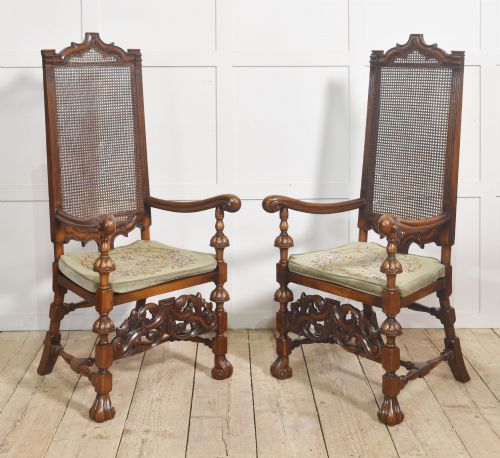


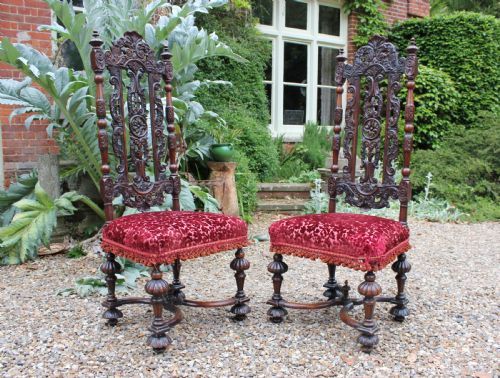


William and Mary Chair
A william and mary chair brings sturdy seventeenth-century walnut and oak proportion into a room, offering tall backs and turned legs that collectors prize.
William and Mary Chair
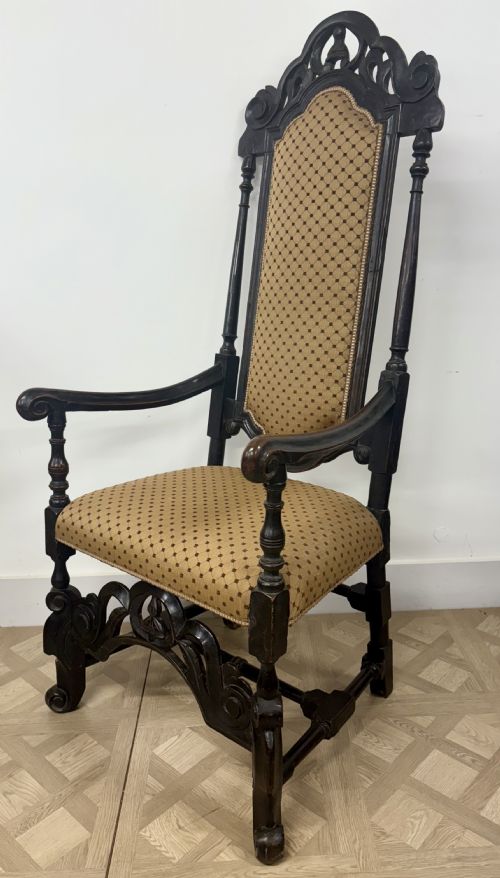
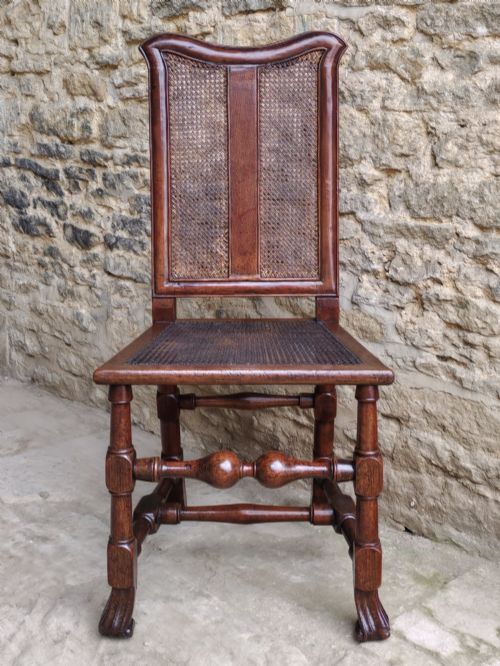
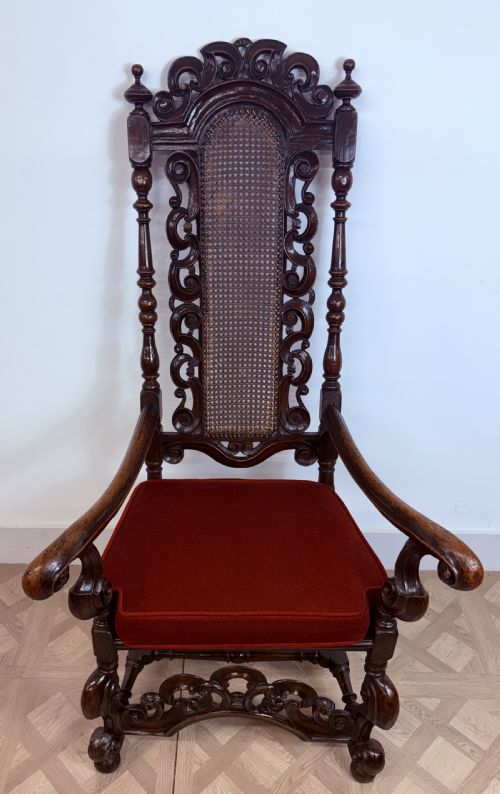
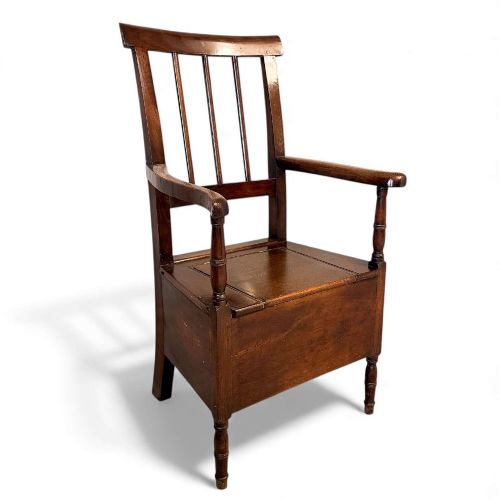
When searching for a william and mary chair, buyers encounter seating designed primarily during the late seventeenth century and its later nineteenth and twentieth-century revivals. The form typically appears as an armchair, side chair, or high-backed dining chair, alongside occasional wingbacks and commode chairs.
The pieces on this page span from original seventeenth-century examples down to revival pieces made around nineteen hundred, capturing both authentic early craftsmanship and later historicist interpretations in the baroque taste.
How they were made
Cabinetmakers constructed these chairs predominantly using timber such as walnut and oak, often enriching the frames with intricate turning, carving, and japanned finishes. Caning frequently formed the seats and tall backs of early variants, while later revival pieces integrated velvet, leather, and assorted textile fabrics.
Brass studs and decorative upholstery secured these fabrics to the wooden frames, whilst gilding and silvering occasionally coated the walnut structures to heighten the baroque aesthetic.
William and Mary Chair Retail Price Guide 2026
Typical asking prices for william and mary chair among the pieces listed under this phrase on Sellingantiques today, from the lower quarter to the upper quarter. They describe what is for sale here now, not the wider market.
Listings feature walnut and oak as the primary woods, accompanied by cane, velvet, and brass.
What varies in quality
The distinction between ordinary and superior pieces rests upon the crispness of the wood carving, the integrity of the original timber, and the harmony of the proportions. High-end examples display deeply sculpted crest rails and robustly turned stretchers rather than flat or mechanically duplicated ornamentation.
Revival items produced by notable firms command attention through superior joinery and faithful adherence to historical walnut graining, separating them from lesser mass-produced workshop copies.
Waring and Gillow·Lenygon and Co
The William and Mary Chair Glossary
- Caning
- Woven rattan material used to form light, flexible panels for seat backs and bases. This technique gained immense popularity in late seventeenth-century seating.
- Japanned
- A European imitation of East Asian lacquerwork applied to wooden furniture surfaces. Artisans built up layers of varnish to achieve a glossy decorative finish.
- Baroque
- An ornate artistic style prevalent in Europe during the seventeenth and early eighteenth centuries. It emphasises dramatic carving, grand scale, and rich surface decoration.
- Fauteuil
- An open-armed upholstered armchair originating in France. The term occasionally describes later revival seating sharing similar open arm construction.
- Commode chair
- An enclosed chair designed to house a chamber pot beneath the seat. These pieces often disguise their utilitarian function behind standard domestic seating forms.
William and Mary Chair: Frequently Asked Questions
How do I spot a revival chair?
Revival pieces, often dating from the late nineteenth or early twentieth century, typically display machine-turned elements and standardised joinery methods that differ from seventeenth-century hand tools.
Examining the underside of the timber and the wear patterns on the walnut or oak helps distinguish these later interpretations from the original period pieces.
Were these chairs used at dining tables?
Dining chairs during the seventeenth century were generally side chairs used around large refectory tables, whilst heavier armchairs sat near walls or desks.
Sets of high-backed chairs frequently served formal dining spaces in prosperous households.
How should I care for caned seats?
Caned panels require moderate humidity to prevent the natural rattan fibres from becoming brittle and snapping under pressure.
Applying a damp sponge occasionally helps keep the material pliable without soaking the surrounding wooden frame.