


Queen Anne Side Chair
A queen anne side chair brings architectural line and figured timber to a room, moving gracefully from eighteenth-century halls to later revival interiors.
Queen Anne Side Chair
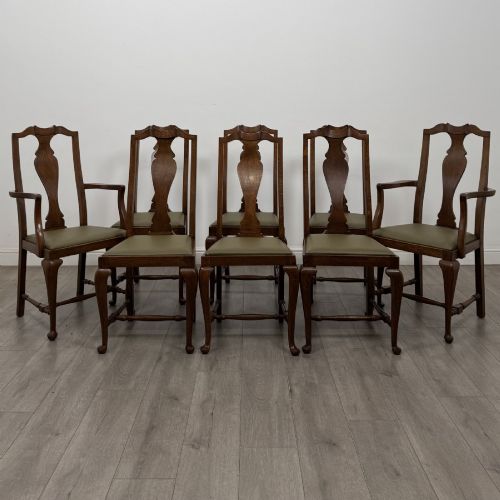
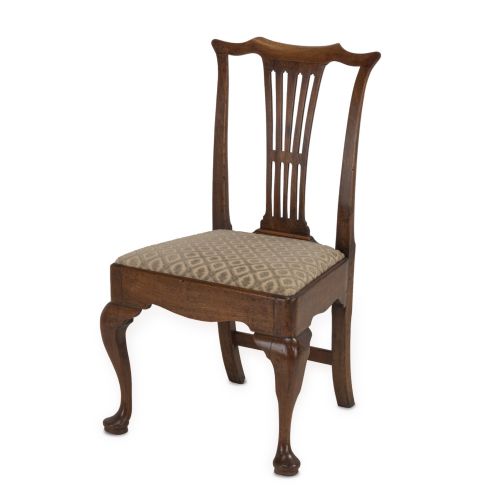
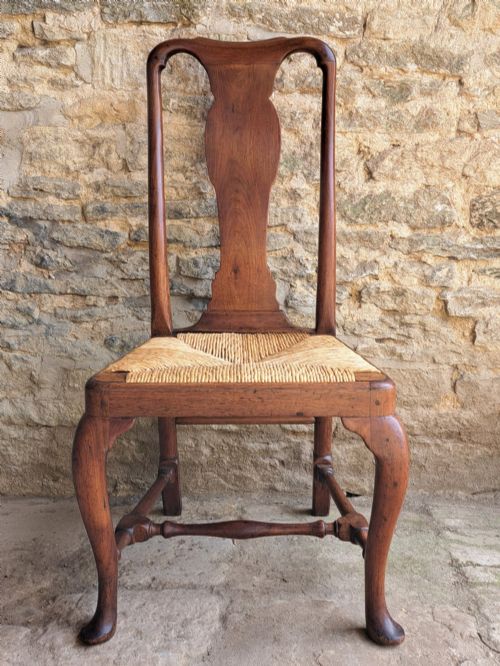
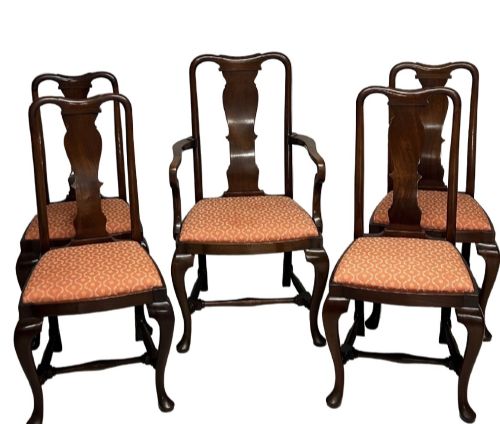
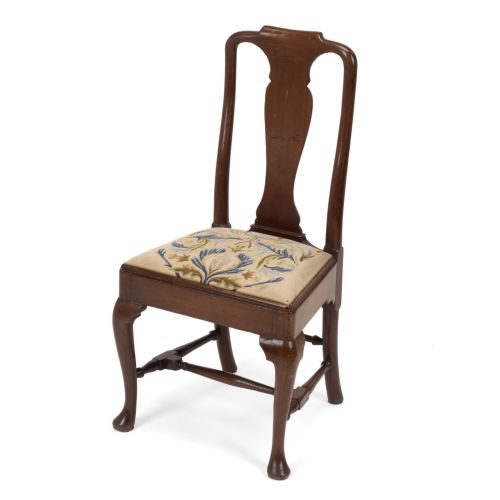
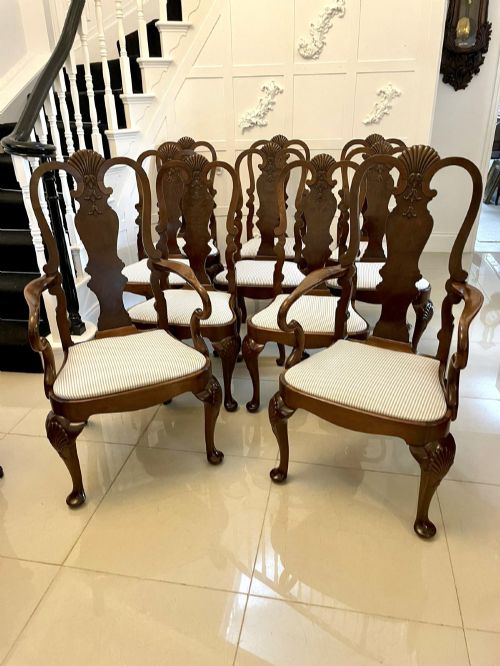
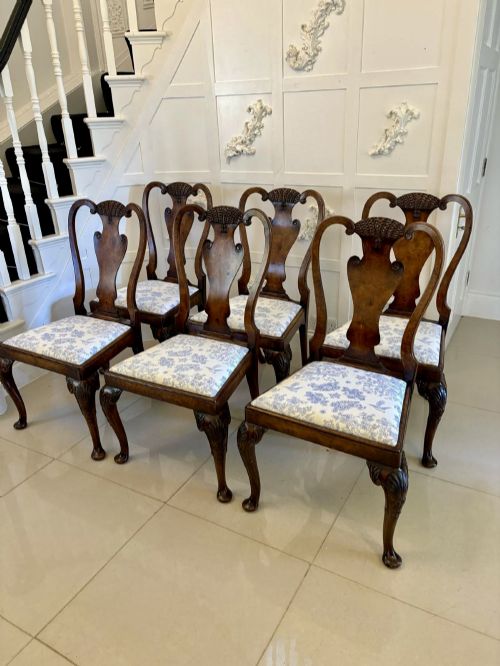
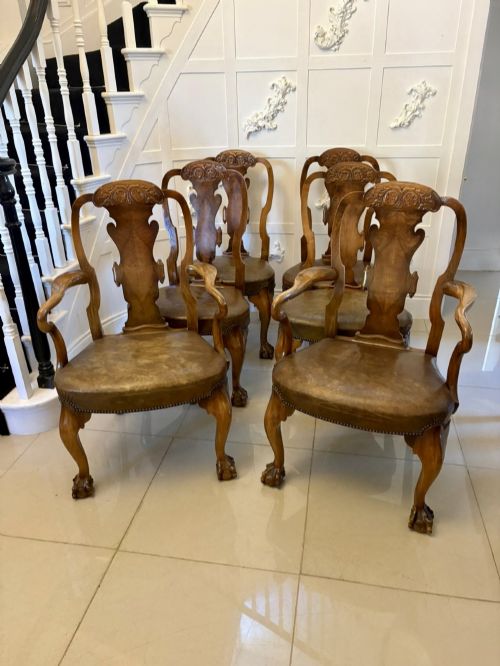
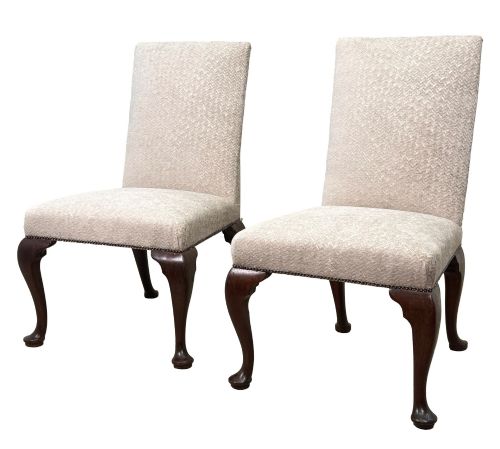
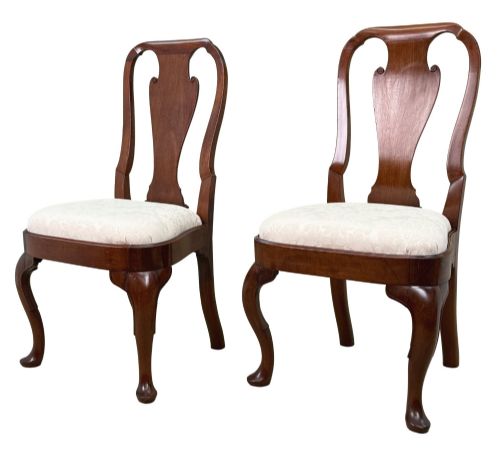
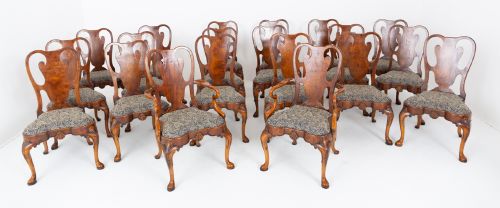
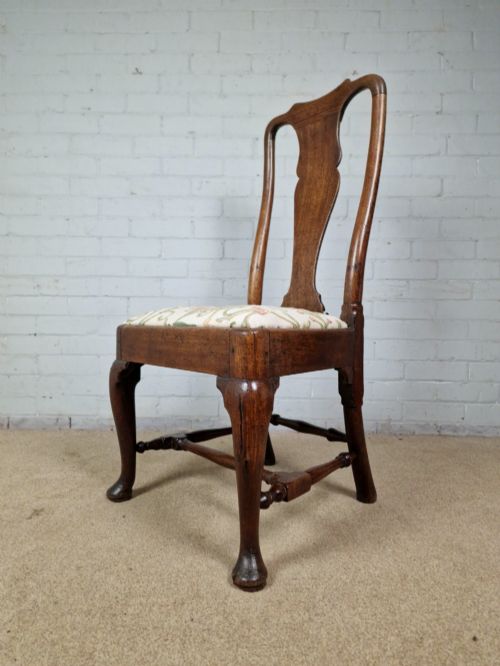
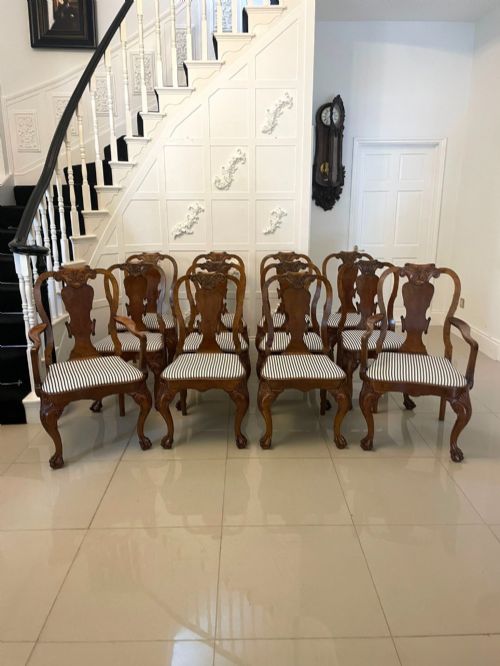
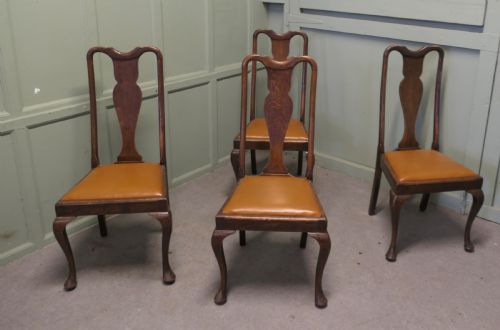
A queen anne side chair is defined by its characteristic fluid silhouette, featuring a spooned back and cabriole legs that transition seamlessly from the frame. You will frequently encounter walnut examples from the early eighteenth century alongside later revival pieces produced across the nineteenth and twentieth centuries.
The form developed from earlier high-backed seating into a lower, more domestically scaled chair intended for dining or occasional use. Surviving pieces range from plain oak country hall chairs to highly sophisticated walnut models with pierced splats and upholstered drop-in seats.
Materials and Technique
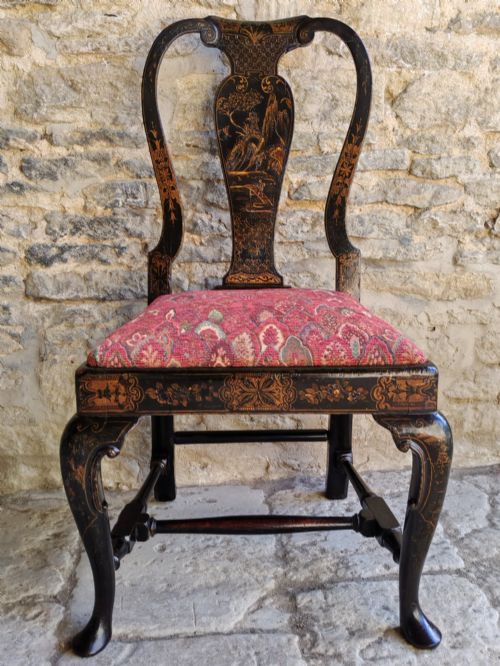
Cabinetmakers utilised dense native timbers, predominantly walnut and oak, often selecting figured veneers to face the backsplats and seat rails. Japanned finishes and gilt decoration appear on select fashionable examples, employing layered varnishes and raised motifs.
Construction relies on mortise and tenon joinery, with cabriole front legs typically carved directly from the rail or joined with robust corner blocks. Seats were engineered as drop-in frames or webbed bases upholstered in wool tapestry, silk, or needlework.
Queen Anne Side Chair Retail Price Guide 2026
Typical asking prices for queen anne side chair among the pieces listed under this phrase on Sellingantiques today, from the lower quarter to the upper quarter. They describe what is for sale here now, not the wider market.
Some early high back stools were designed so grandly that users had to sit forward to accommodate voluminous contemporary headwear.
Distinctions in Execution
The distinction between standard production and top-tier work rests on the handling of the timber and the crispness of the carving on the knees and feet. Finer examples display continuous grain across prominent structural members and subtle shaping within the vase-shaped splat.
Proportion and stance dictate visual success, with superior pieces maintaining an elegant rake to the back and balanced curves in the legs. Later revival versions vary considerably, with better iterations respecting eighteenth-century structural rhythms while lesser ones appear heavy or rigid.
The Queen Anne Side Chair Glossary
- Cabriole leg
- A furniture leg that curves outward at the knee and tapers inward toward the ankle, ending in a pad or foot. This form derives from animal limbs and defines the silhouette of the period.
- Splats
- The central vertical strip of wood in the back of a chair. It is typically shaped in a vase or fiddle contour.
- Drop-in seat
- A removable wooden frame upholstered separately and dropped into a recess in the chair rail. This innovation simplified reupholstery.
- Japanned wood
- European wood finished with oriental-style varnishes and raised metallic decoration. It mimics Asian lacquerware popular during the period.
- Back stool
- An early term for a chair without arms, essentially a stool fitted with a back. Many seventeenth and early eighteenth-century listings use this designation.
Queen Anne Side Chair: Frequently Asked Questions
How do I spot a reproduction?
Examine the timber surfaces for tool marks, seasoning cracks, and wear patterns consistent with age rather than artificial distress. Construction joints using modern adhesives or machine-cut screws point clearly to later manufacture.
Compare the proportion of the splat and the curve of the leg against documented period examples. Revival pieces often miss the subtle grace and ergonomic rake found in genuine early eighteenth-century work.
Can I use these for daily dining?
Many solid oak and walnut examples remain structurally robust enough for regular use around a dining table. Checking the stability of the seat frame and leg joints ensures safe daily deployment.
Upholstered drop-in seats allow for straightforward reinforcement of the webbing if necessary. Care should be taken with delicate japanned or heavily veneered surfaces during frequent seating.
What is red walnut?
Red walnut refers to timber stocks displaying a distinct reddish hue within the grain pattern. Cabinetmakers utilised this variation alongside standard figured walnut during the early eighteenth century.
Over time, exposure to light and oxidation deepens these tonal variations across the chair frame. The presence of red walnut helps contextualise regional timber choices in period seating.
How do I clean japanned surfaces?
Dust the lacquered frame gently with a soft, dry cloth to prevent abrasion to the delicate varnished layers. Avoid modern chemical polishes or water, which can soften the historic japanned finish.
Professional conservation wax may be applied sparingly if the surface appears dry. Keeping the chair away from direct sunlight and severe humidity fluctuations preserves the fragile decoration.