
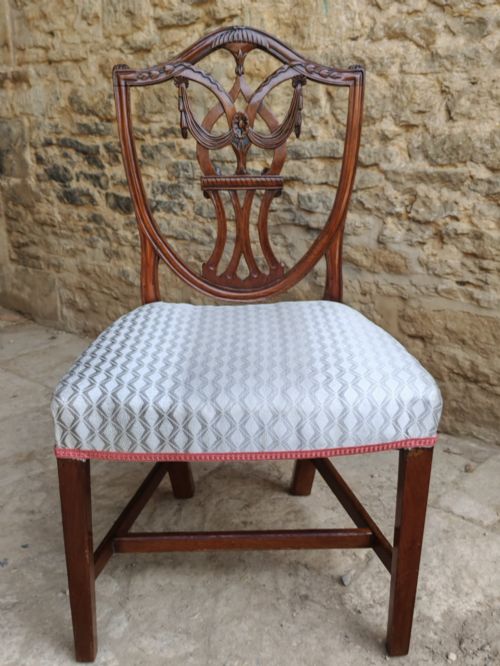
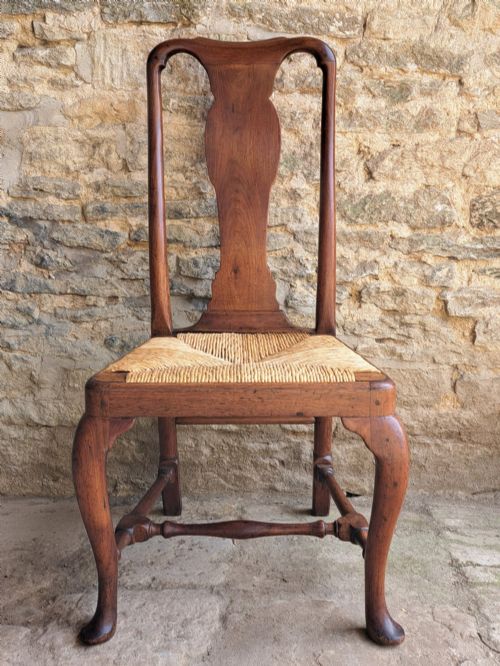
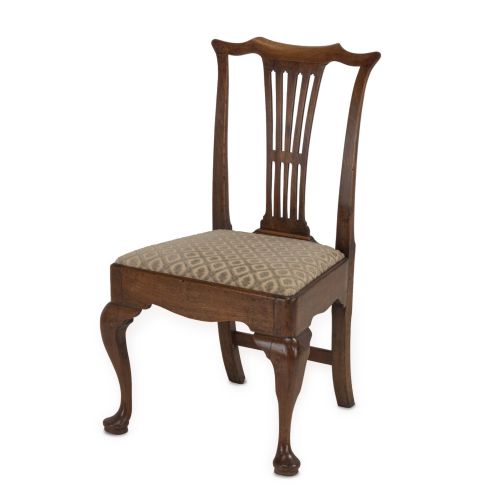

Georgian Walnut Dining Chair
A georgian walnut dining chair brings rich timber and refined proportion to a room, offering sturdy seating with an aged surface.
Georgian Walnut Dining Chair
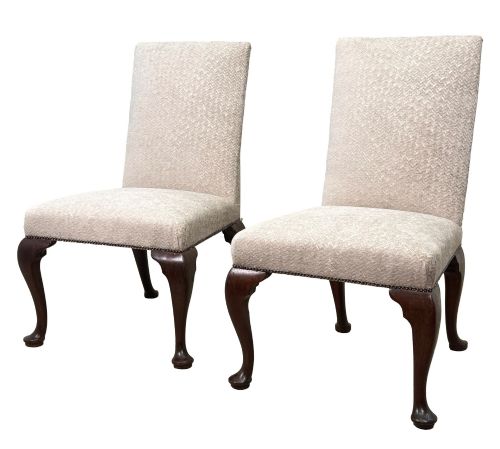
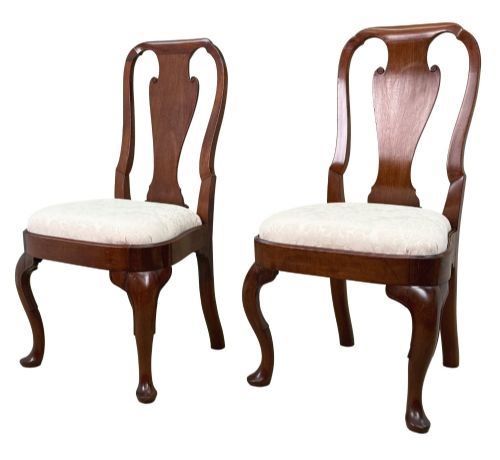
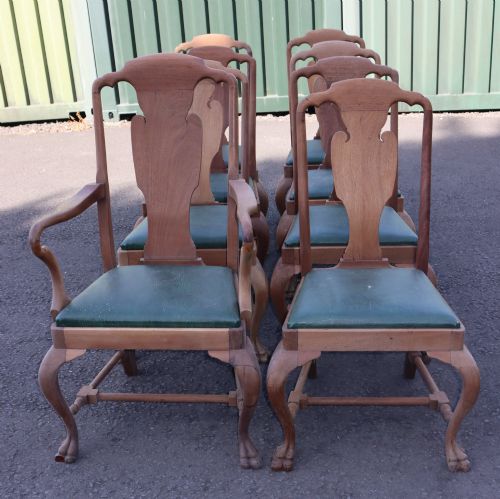
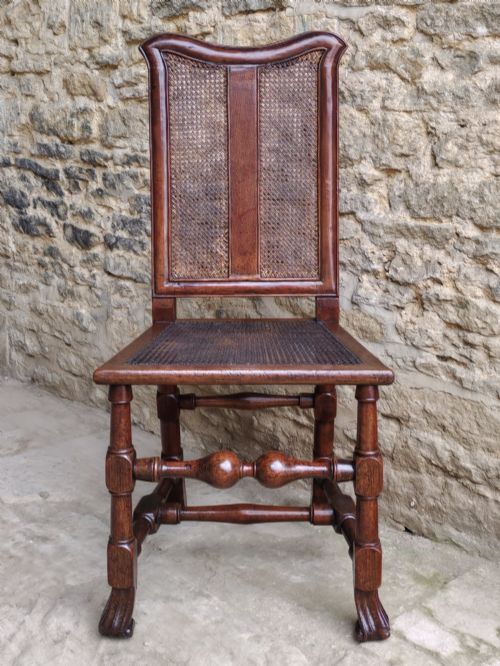
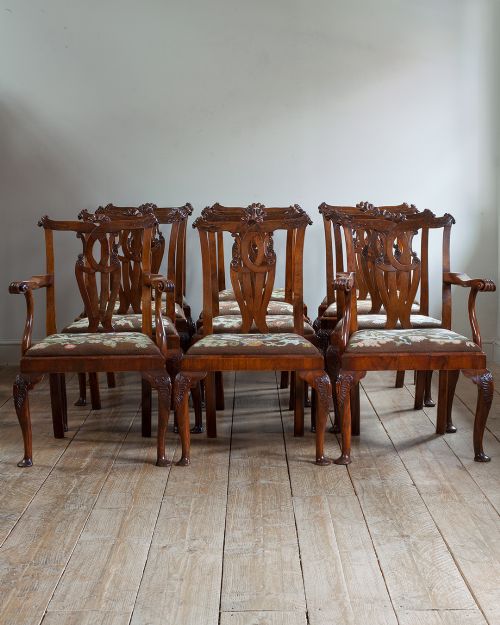
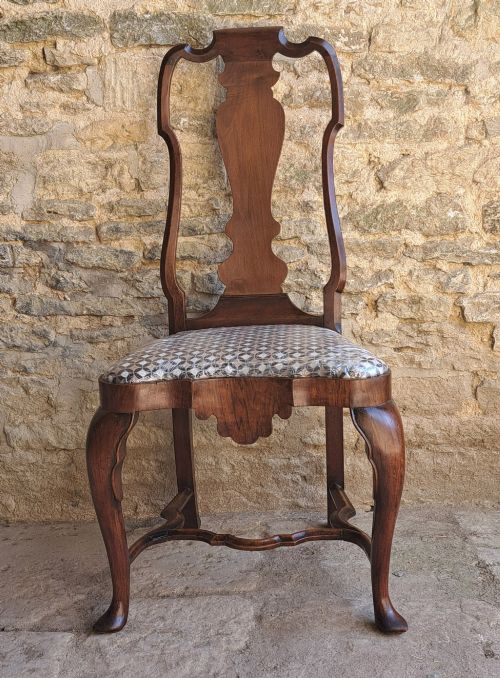
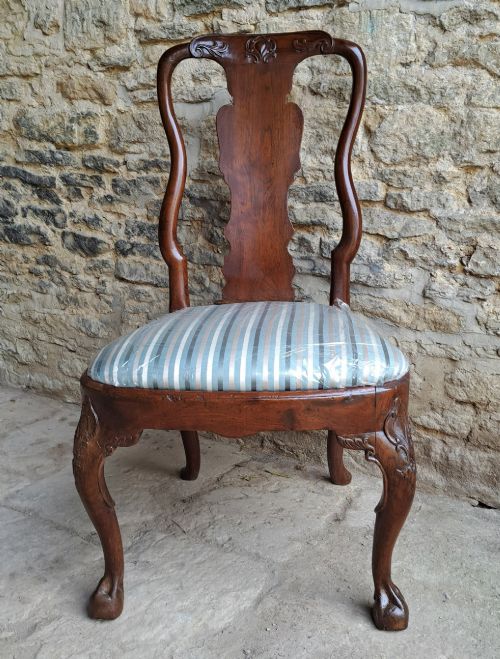
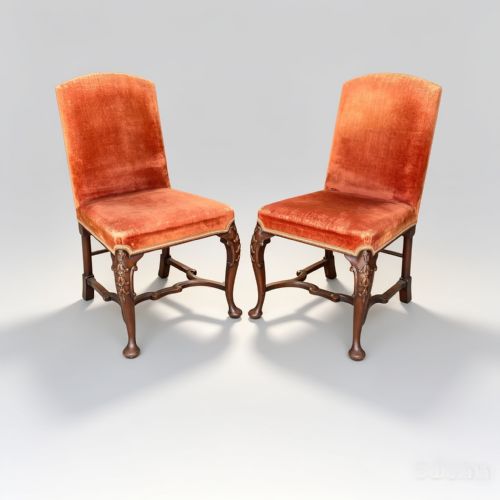
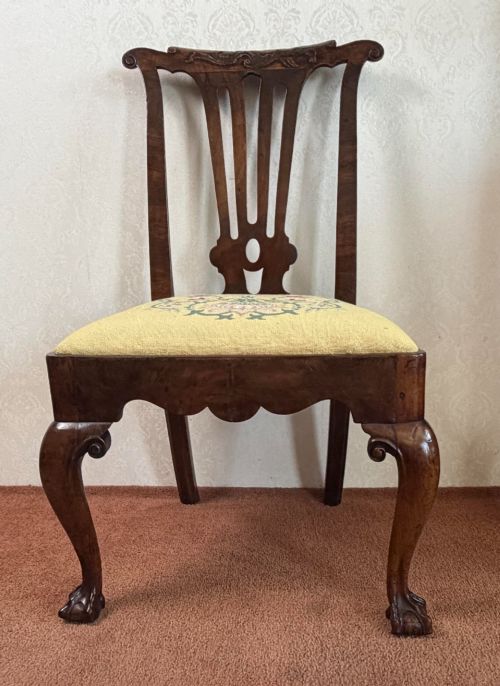
A georgian walnut dining chair is a seat constructed primarily from walnut timber, dating across the 18th century or appearing in later revival periods. Buyers encounter single pieces, pairs, and large sets intended for formal dining rooms.
The form encompasses side chairs, armchairs, and occasional high back designs. Most examples originate from English, Irish, or Scottish workshops.
While many date directly to the reigns of George I, George II, and George III, others emerge from later nineteenth and twentieth-century revival movements.
Materials and construction
Makers utilised solid walnut and figured veneers such as burr walnut, often supported by secondary timbers like elm. Seat frames commonly received drop in pads upholstered in textile, fabric, leather, velvet, or tapestry.
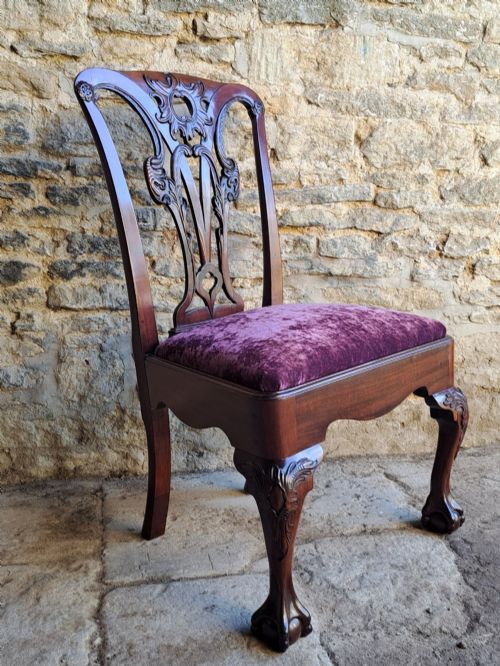
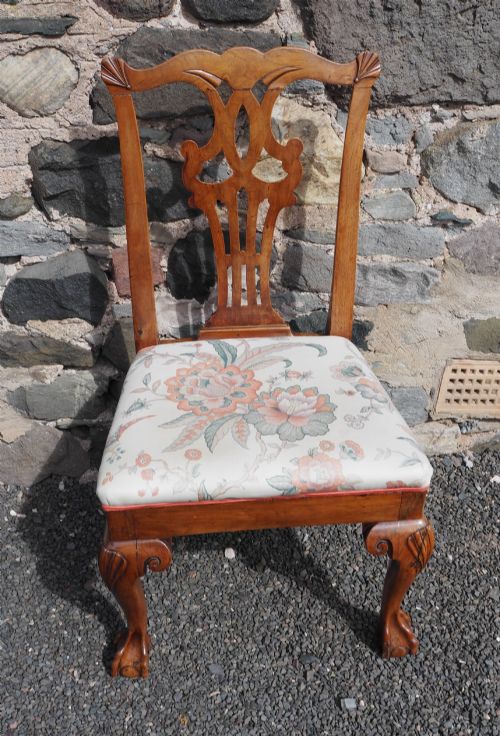
Joinery techniques included mortise and tenon frames, while decorative elements featured carved details, pierced splat backs, and brass accents.
Georgian Walnut Dining Chair Retail Price Guide 2026
Typical asking prices for georgian walnut dining chair among the pieces listed under this phrase on Sellingantiques today, from the lower quarter to the upper quarter. They describe what is for sale here now, not the wider market.
Listings feature walnut, textile, leather, and brass, spanning periods from William & Mary through to 1930s revival sets.
Assessing quality and craftsmanship
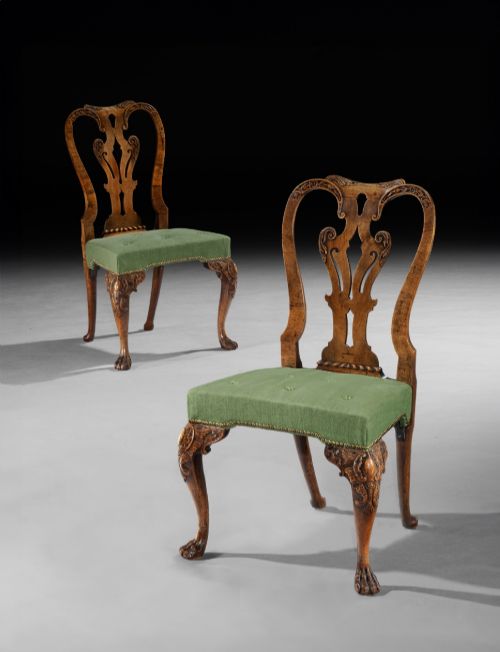
Quality rests in the crispness of carved details on cabriole legs and splats, alongside the preservation of original timber surfaces. Matched sets command higher regard than assembled groups sharing similar styles.
The selection of figured walnut veneer and the structural integrity of the frame distinguish superior pieces from standard provincial versions.
Whytock & Reid of Edinburgh·Spillman & Co
The Georgian Walnut Dining Chair Glossary
- Cabriole leg
- A furniture leg that bends outward in a convex curve and tapers inward in a concave curve, ending in a pad or foot. This design is common on pieces from the Queen Anne and George II periods.
- Drop in seat
- A removable wooden frame upholstered separately and dropped into a ledge in the chair rail. It allows easy reupholstery without dismantling the main structure.
- Pierced splat
- The central vertical slat of a chair back cut through with openwork designs. It lightened the visual weight of the timber.
- Red walnut
- A specific tone or variety of walnut timber prized in Irish and English furniture. It often shows a warm, reddish hue under clear finishes.
- Ribbon back
- A chair back carved to imitate intertwined ribbons and bows. This style appears on mid-eighteenth-century seating.
Georgian Walnut Dining Chair: Frequently Asked Questions
How do I spot a true 18th-century chair?
Examine the timber construction, joinery methods, and wear patterns beneath the seat frame. Eighteenth-century pieces display hand-cut joinery and signs of age consistent with centuries of use.
Compare the carving style and proportions against documented examples from the reigns of George I and George II.
Can I use these chairs for daily dining?
Many buyers incorporate antique seating into modern dining setups with careful handling. Ensure the joints remain stable and the upholstery provides adequate support before regular use.
Positioning chairs away from direct heat sources helps protect fragile walnut timbers from drying out.
What is the difference between side chairs and armchairs?
Side chairs lack arms and were designed to fit neatly along dining tables or against room walls. Armchairs, sometimes called elbow chairs, feature supportive arms and typically sat at the head of a table.
Sets often combined a majority of side chairs with a matching pair of armchairs.
Are revival chairs valuable?
Nineteenth and twentieth-century revival pieces reflect the enduring popularity of earlier cabinetmaking styles. While they do not command the same historical standing as original 18th-century examples, fine revival sets demonstrate high craftsmanship.
Makers working in later periods often reproduced specific George II or Queen Anne forms with great skill.