


Antique Walnut Side Chair
An antique walnut side chair brings rich timber tones and compact seating to a hallway, bedroom, or dining table.
Identifying the Antique Walnut Side Chair
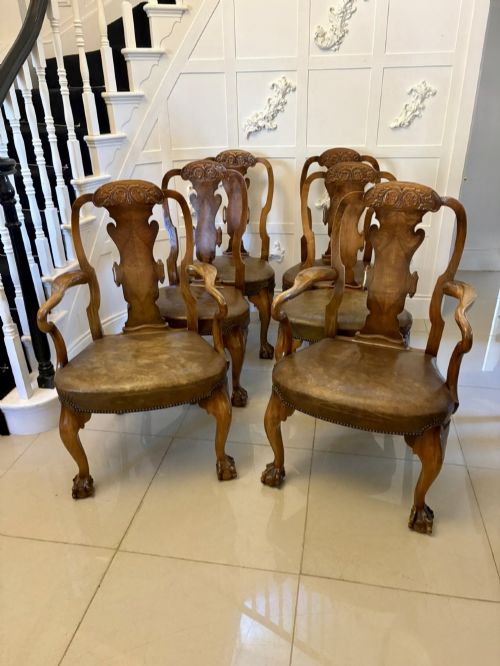
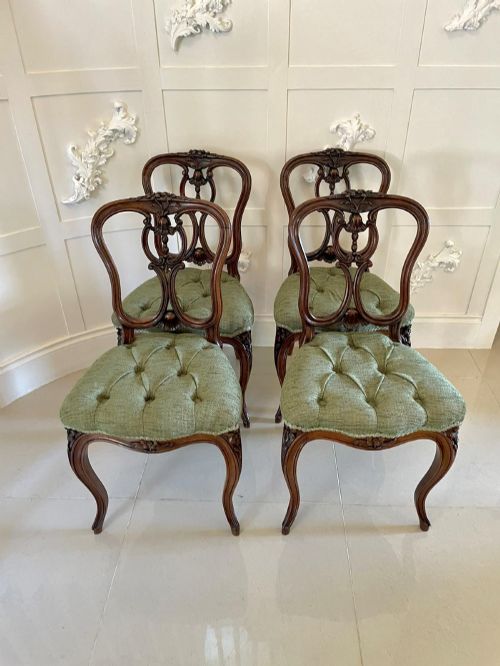
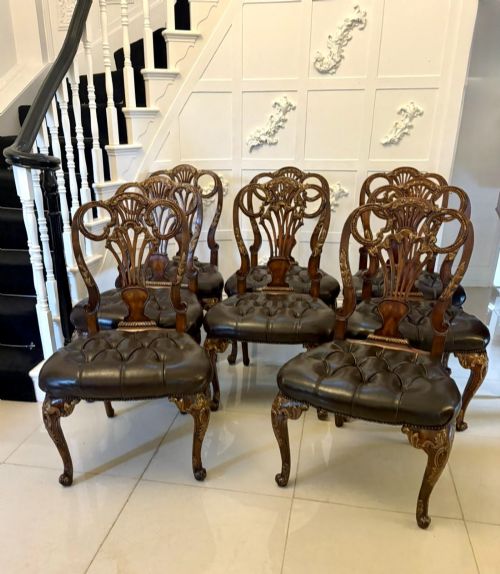
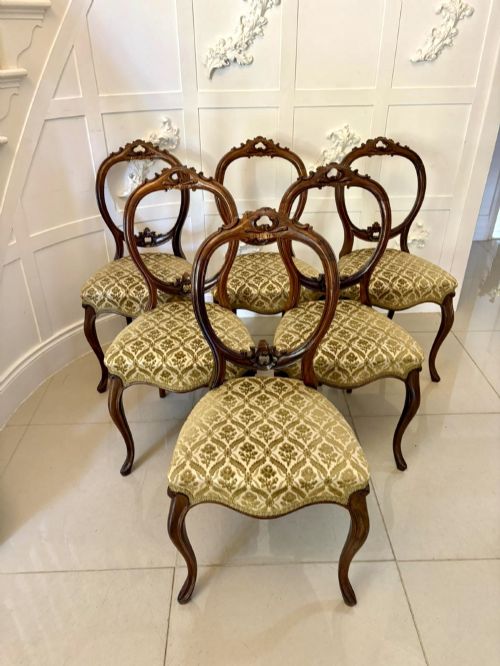
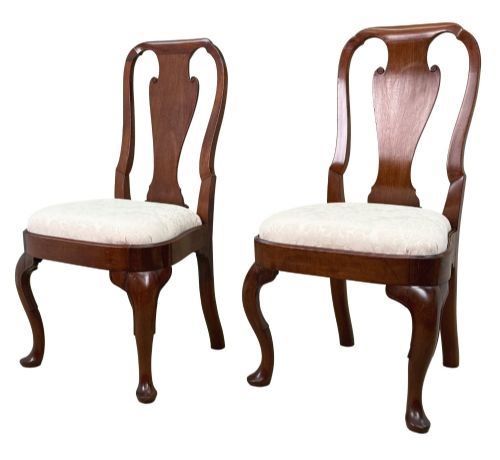
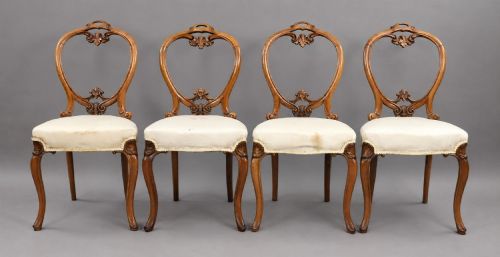
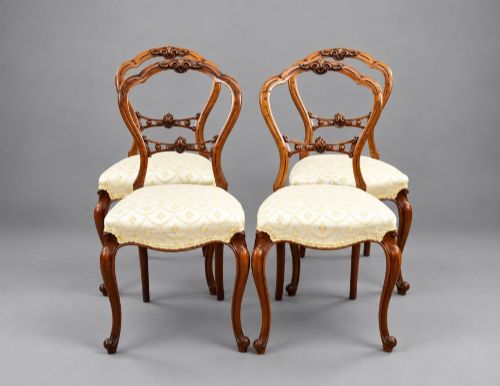
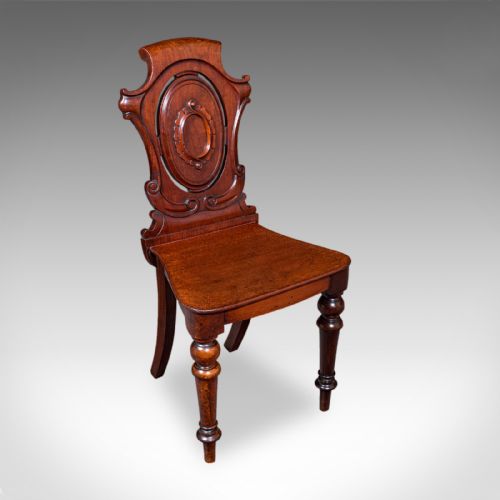
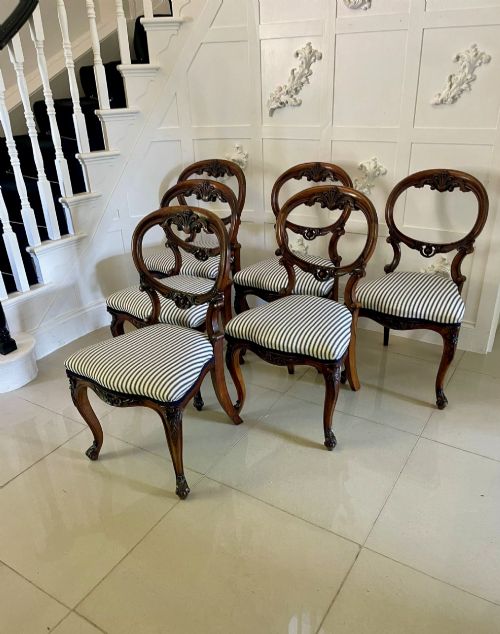
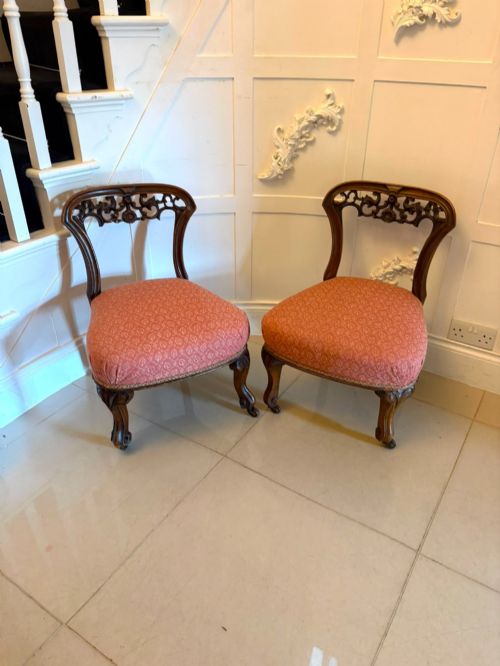
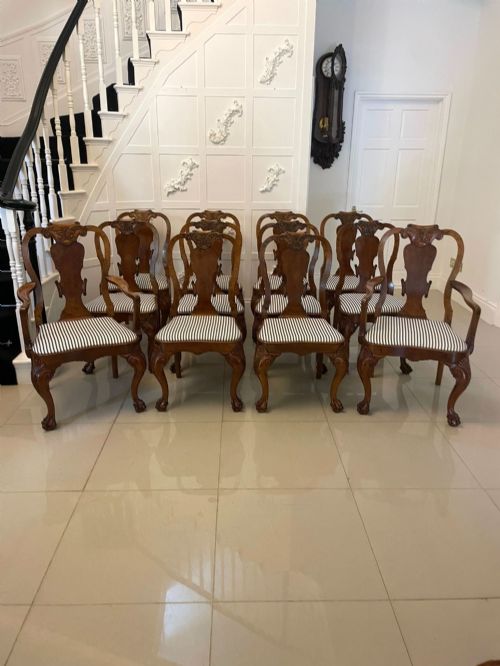
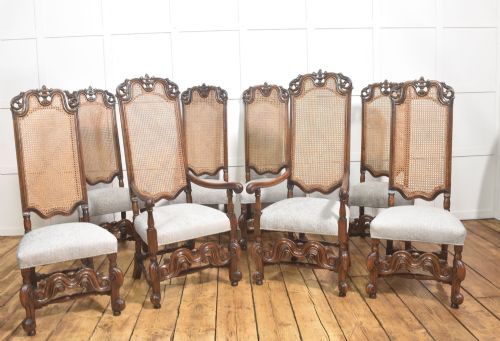
An antique walnut side chair is a light, movable seat designed primarily for dining rooms, bedrooms, and reception halls without the bulk of armrests. When people search for an antique walnut side chair, they encounter forms spanning the Georgian and Victorian eras, alongside Regency and Edwardian examples. The selection ranges from restrained George II ribbon backs and Chinese Chippendale styles to ornate Victorian balloon back, spoon back, and carved bedroom chairs.
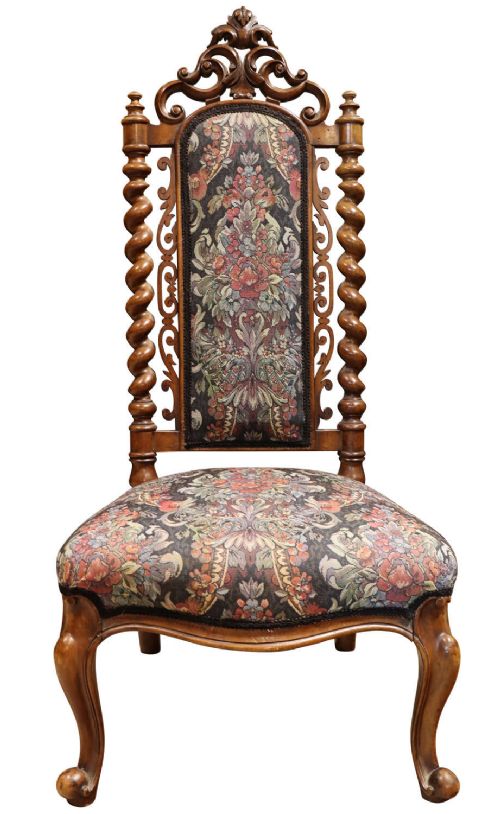
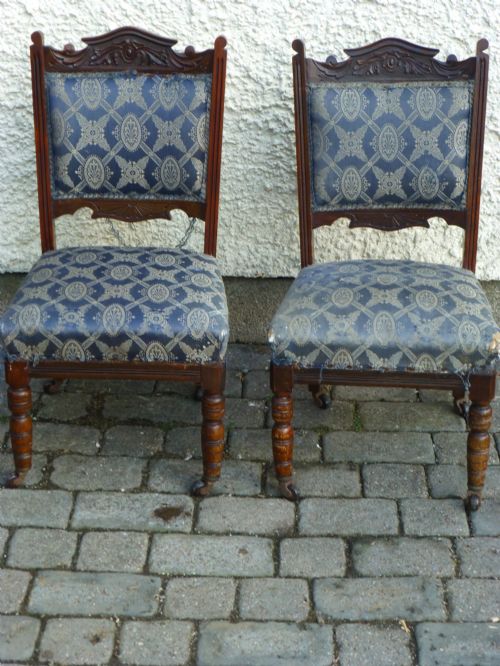
The materials recorded in these pieces rely heavily on walnut timber, paired with various textiles for seat pads and back panels. Fabric, textile, needlepoint, and tapestry upholstery appear frequently on both open frames and button-back designs. Brass elements and bobbin legs also surface among the mid-nineteenth-century items.
Most examples found in daily trade lean heavily toward Victorian production, often appearing as pairs or sets of four alongside single Georgian seating pieces. Buyers also meet occasional French-carved models, Dutch marquetry high backs, and Biedermeier burr walnut variants. The primary function remains a versatile, decorative seat that pulls easily up to a desk or dressing table.
Distinctions in Quality
The standard of carving sets the lower pieces apart from the finest examples in any given period. Crisp, deep relief work on a ribbon back or balloon back frame indicates a skilled hand, whereas soft or shallow moulding suggests mass production.
The integrity of the timber and the depth of the walnut grain dictate visual presence. Matched pairs and complete sets demonstrate greater consistency in timber selection and joinery than assembled groups.
Retail Price Guide 2026
Typical UK retail prices for walnut side chair, calculated from the Sellingantiques database of over a million retail prices indexed since 2003. This retail price guide relies exclusively on Sellingantiques data; no external sources or auction records are used, so the figures do not describe the wider market.
Several Victorian examples doubled as dressing table companions for brushing long hair.
The Antique Walnut Side Chair Glossary
- Balloon Back
- A rounded, oval-shaped backrest popular on Victorian chairs. This curved profile mimics the silhouette of a hot air balloon.
- Ribbon Back
- A chair back design featuring carved wood interwoven to resemble flowing ribbons. This style appears frequently in mid-Georgian seating.
- Cabriole Leg
- A furniture leg that curves outward at the knee and tapers inward at the ankle. It often terminates in a pad or claw foot.
- Needlepoint
- A type of canvas work embroidery used for upholstery. It provides a durable and decorative surface for seat covers.
- Marquetry
- The art of applying pieces of veneer to a structure to form decorative patterns. Dutch examples often display floral motifs in this technique.
Frequently Asked Questions
Where should I place an antique walnut side chair?
These compact seats fit easily beside a dressing table, inside a hallway, or as an extra seat in a bedroom.
They also serve well around a smaller dining table where armless chairs save valuable space.
How do I distinguish a Georgian chair from a Victorian one?
Georgian examples often display cleaner structural lines, subtle carved details, and straight or cabriole legs dating from the eighteenth century.
Victorian models tend to feature heavier carving, balloon or spoon backs, and richer upholstery treatments from the nineteenth century.
Are these chairs suitable for daily seating?
Most antique side chairs function well for occasional sitting at a desk or dressing table.
Heavier Victorian frames offer sturdy support, though vintage upholstery may benefit from professional reinforcement depending on usage.
Why is walnut preferred over other woods?
Walnut offers a rich, warm dark tone and a fine grain that takes intricate carving exceptionally well.
Cabinet makers valued its strength, which allowed them to fashion slender legs and delicate back splats without losing structural integrity.