

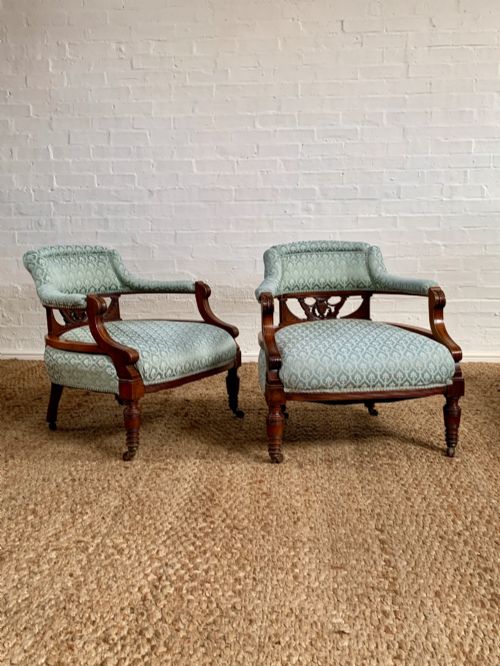
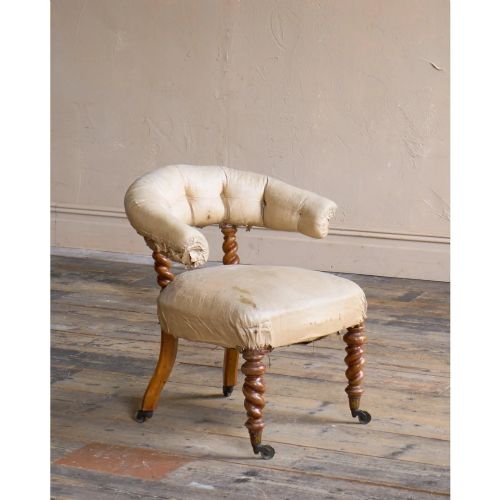
Antique Walnut Desk Chair
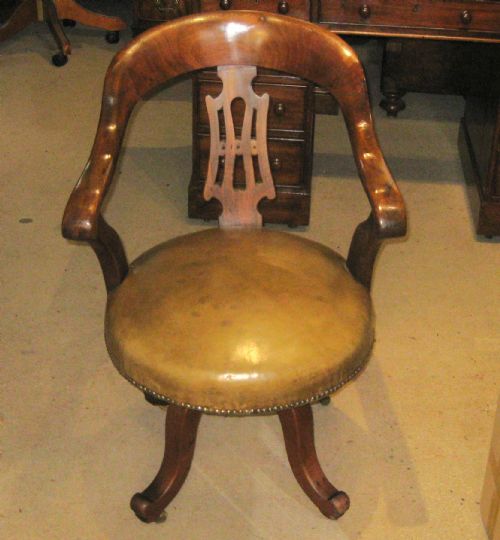
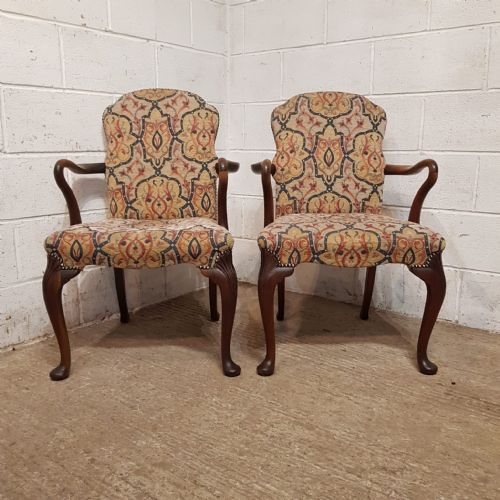
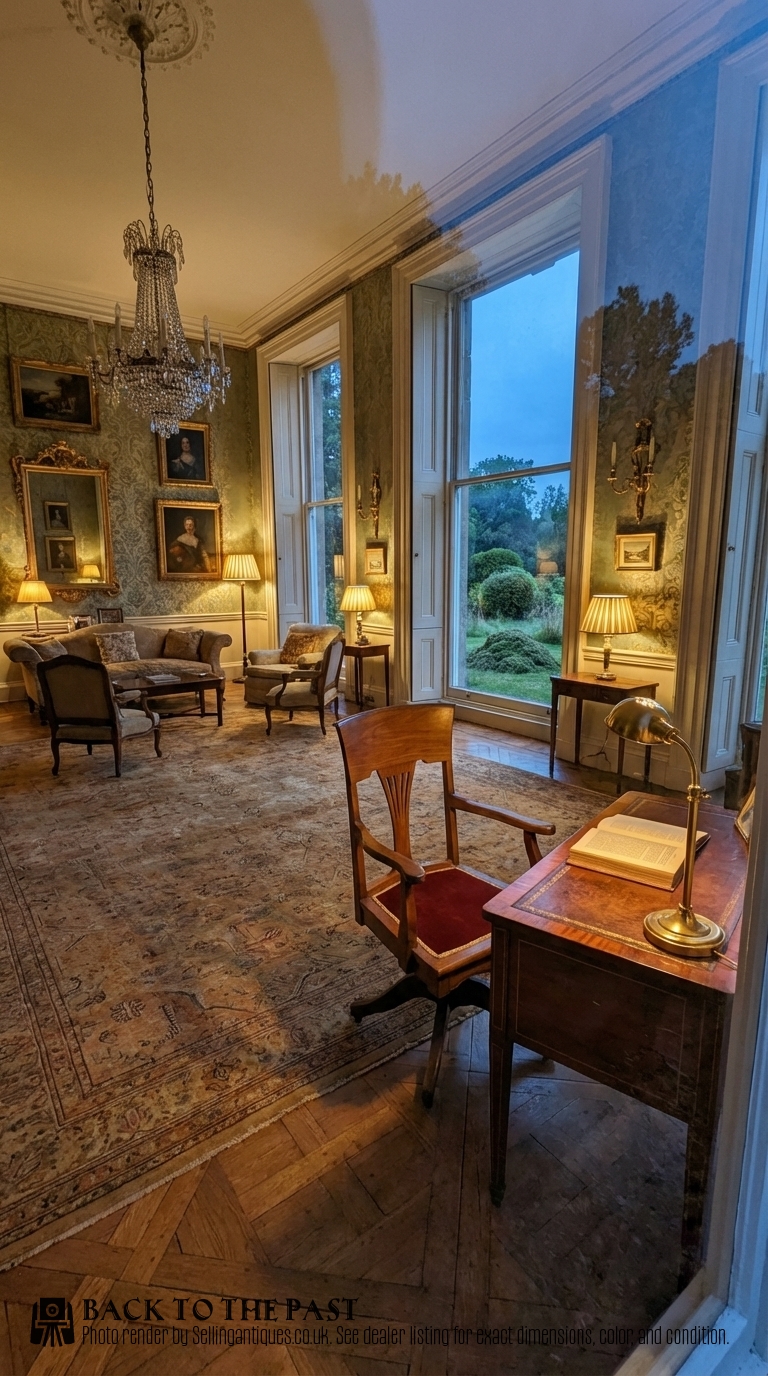
An antique walnut desk chair brings deep timber warmth and sturdy construction to a study.
Materials and Techniques
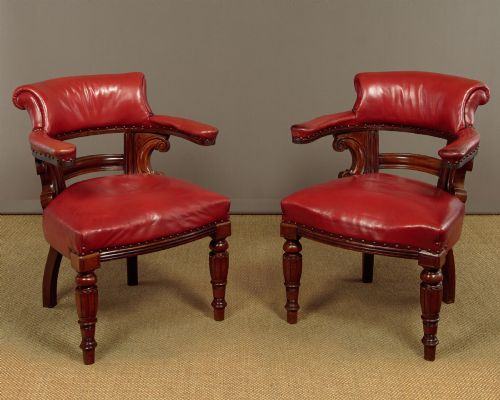
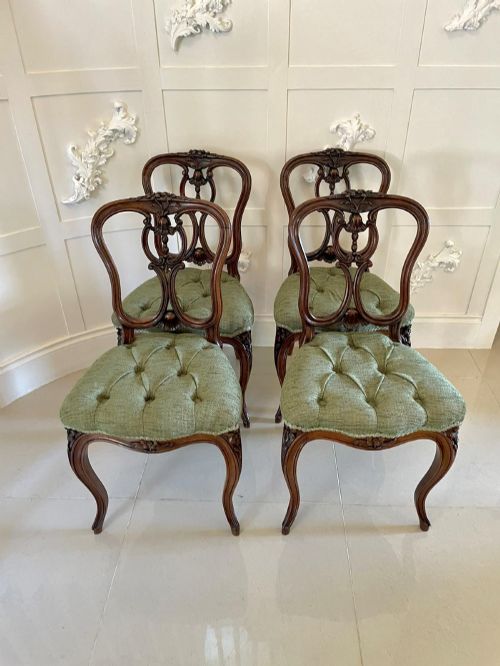
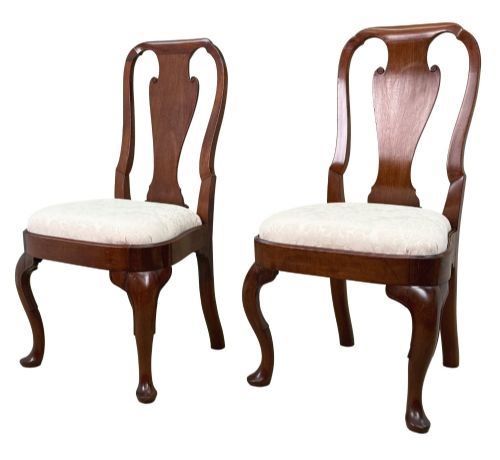
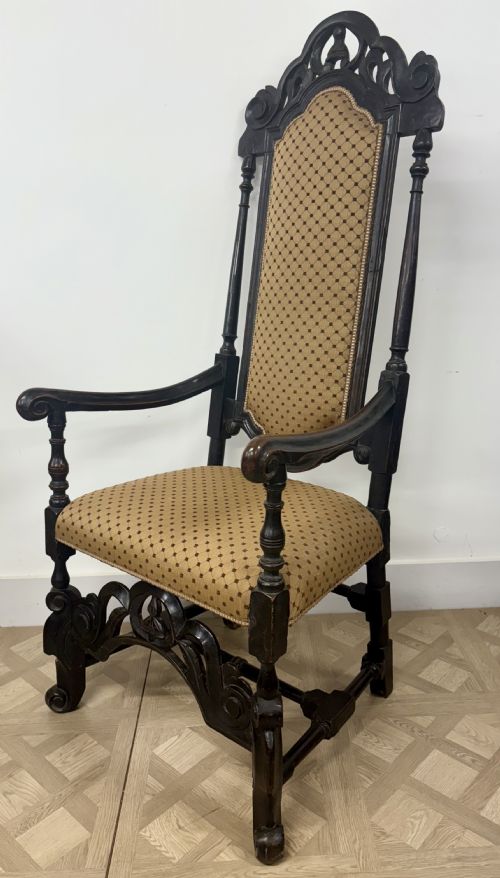
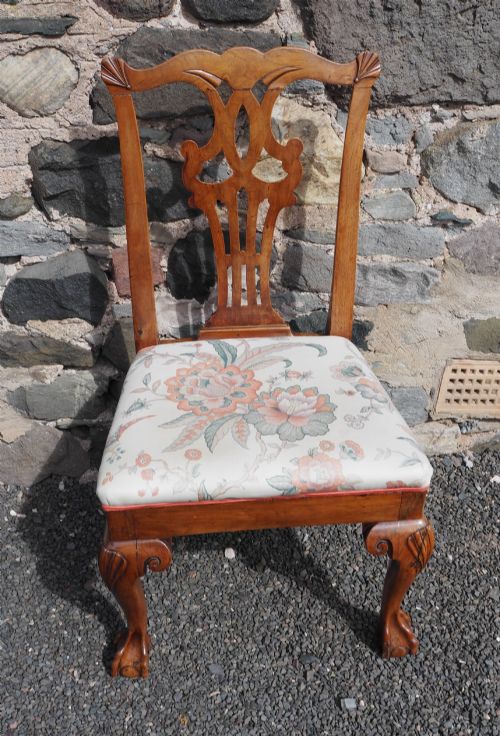
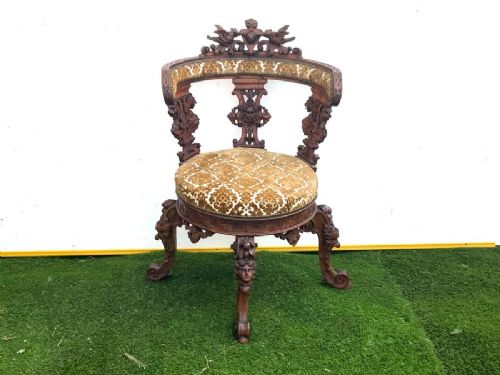
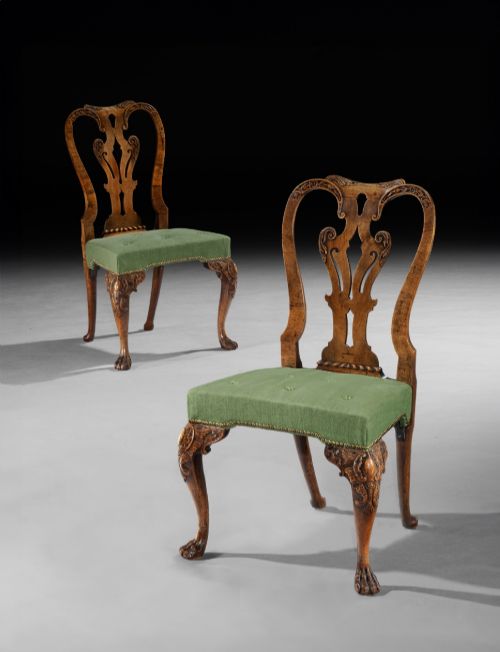
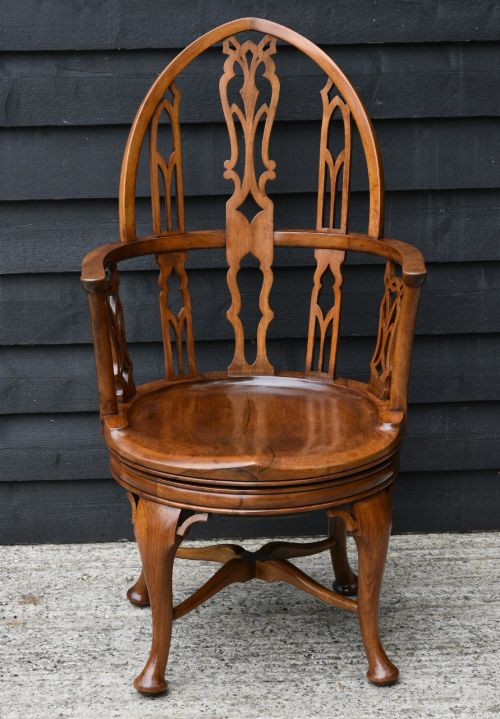
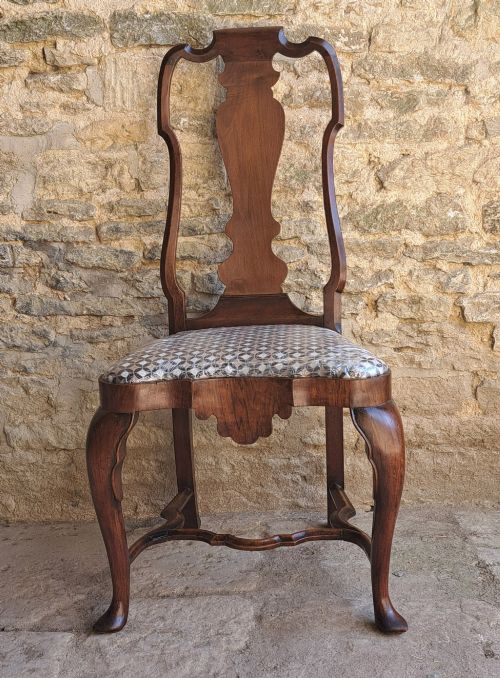
Cabinet makers utilised solid walnut and burr walnut veneers over secondary woods, shaping frames with carved details, cabriole legs, and pierced splat backs. Joinery relied on traditional methods like mortise and tenon to ensure rigid stability for seating.
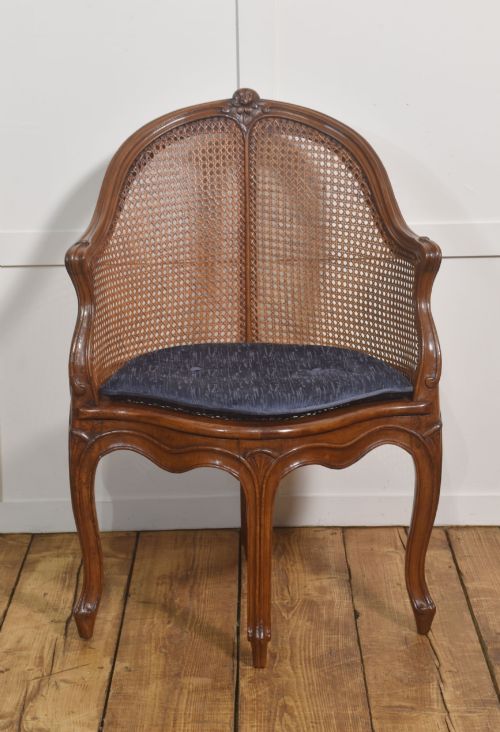
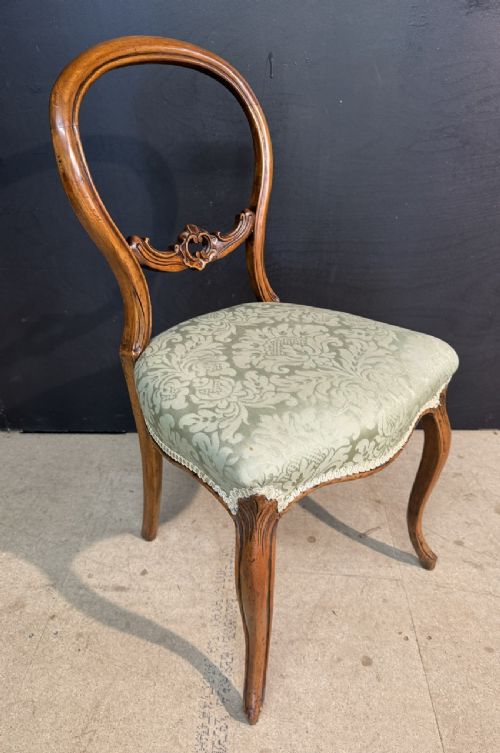
Upholstery forms an integral part of construction, with craftsmen applying leather, damask, velvet, textile, and split cane panels. Leather upholstery often incorporates blind tooling and brass tacks, while swivel mechanisms on later models utilise iron and wood hardware.
Distinctions in Quality
The degree of carving sophistication and timber selection dictates the standing of an antique walnut desk chair, with burr walnut and detailed gilt accents marking higher status pieces. Crispness in carved splats, arms, and cabriole legs reveals the skill of the original hand.
Originality of surface finish and the integrity of internal swivel mechanisms or upholstery frames separate ordinary examples from superior ones. Pieces retaining their early leather surfaces, patinated wood, and unbroken structural joints command greater regard.
Retail Price Guide 2026
Typical UK retail prices for walnut desk chair, calculated from the Sellingantiques database of over a million retail prices indexed since 2003. This retail price guide relies exclusively on Sellingantiques data; no external sources or auction records are used, so the figures do not describe the wider market.
Certain Victorian captains desired so much spin that makers added heavy iron screws underneath.
Shoolbred·Charles Tozer·J.S. Ford, Johnson and Company
The Antique Walnut Desk Chair Glossary
- Walnut
- A dense, hard timber prized for rich dark brown tones and varied grain patterns. It superseded oak in fashionable furniture during the late seventeenth century.
- Cabriole Leg
- A furniture leg that curves out and then tapers in, mimicking animal limbs. This form appears frequently on Georgian walnut seating.
- Splati
- A vertical wooden strip down the centre of a chair back. Pierced splats provide ornamental openwork design in mid-eighteenth-century chairs.
- Bergere
- An enclosed armchair with sides upholstered in cane or wicker. Edwardian and Arts and Crafts examples often utilise this technique.
- Swivel
- A rotating mechanism allowing the seat to turn independently of the base. Victorian and Edwardian desk chairs commonly incorporate this feature.
Frequently Asked Questions
What periods do these chairs cover?
The available pieces and archival records span from the late seventeenth century through the Georgian and Victorian eras into the Edwardian period and nineteen-twenty.
Craftsmanship and styles evolved across these centuries, moving from rigid carved armchairs to revolving office seats.
How do I identify a swivel desk chair?
Victorian and Edwardian models often feature a central iron or wooden spindle mechanism beneath the seat. This allows the user to rotate and sometimes adjust height while working.
Early examples maintain fixed wooden frames, whereas later nineteenth-century versions embrace mechanical movement.
What upholstery materials appear on these chairs?
Original and replacement coverings include leather, velvet, damask, textile, and split cane. Leather remains common on office and library models.
Textiles range from plain woven fabrics to rich patterned velvets used on Victorian tub and desk chairs.
Are these chairs suitable for daily use?
Sturdy construction in solid walnut allows many antique chairs to function well at modern desks. Proper structural integrity ensures they withstand regular sitting.
Buyers should check that swivel mechanisms and joints remain stable for everyday office tasks.