

Carved Back Desk Chair
A carved back desk chair brings substance to a study, offering the solidity of mahogany or walnut combined with supportive seating.
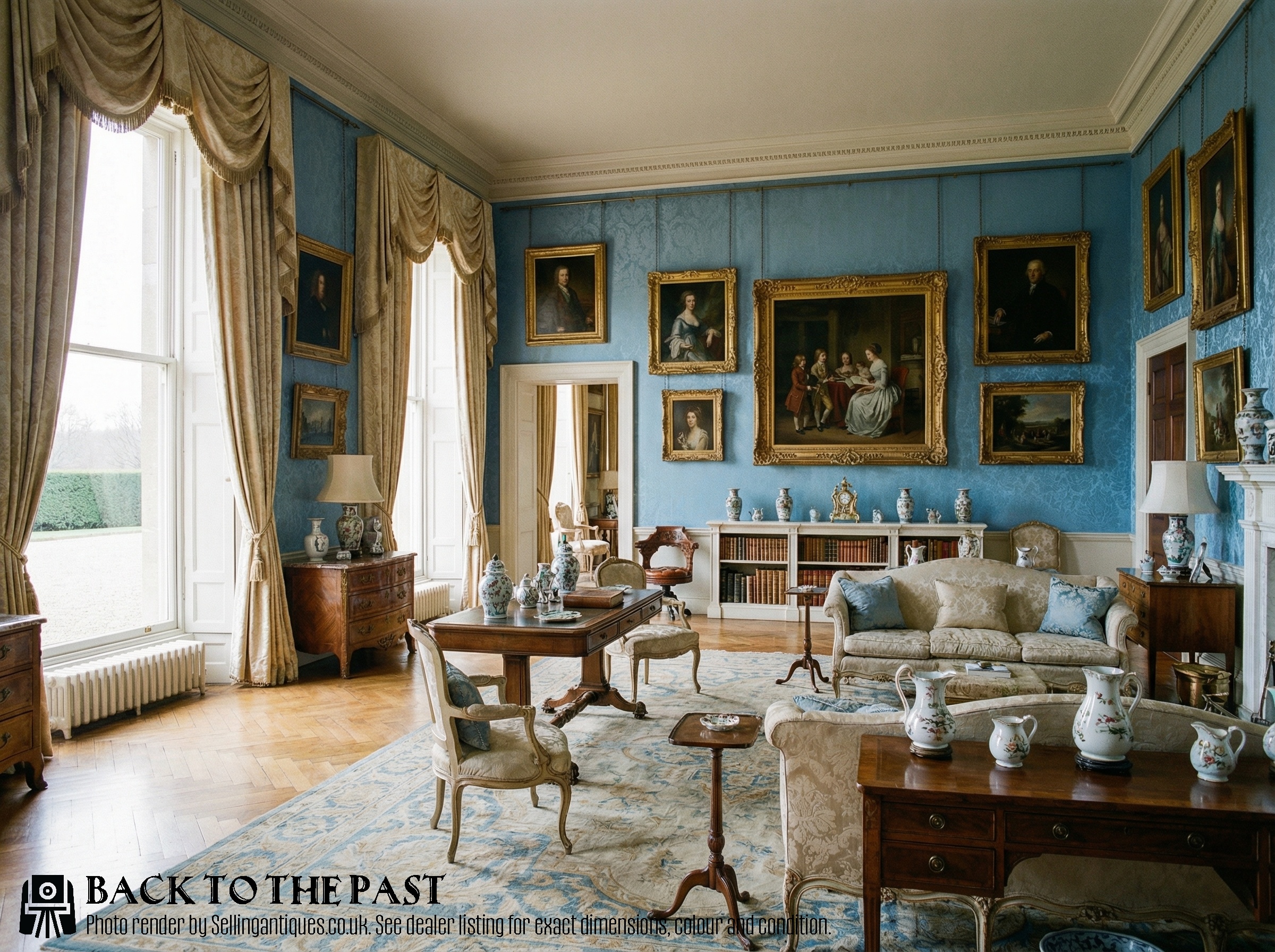
Carved Back Desk Chair
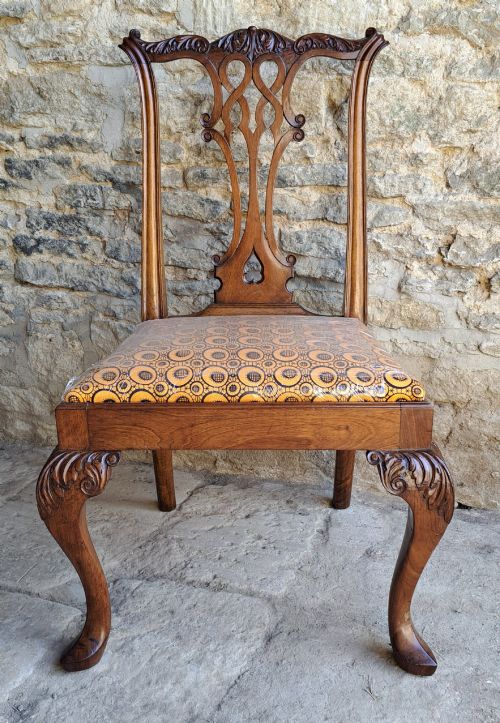
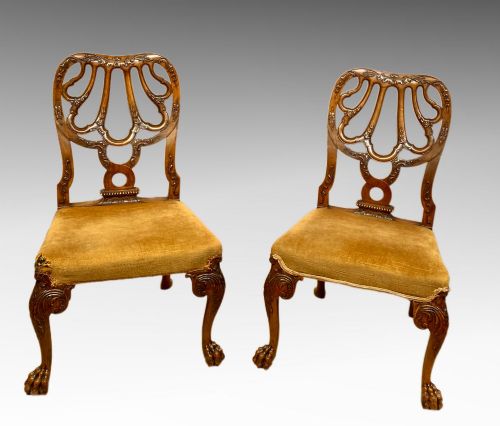
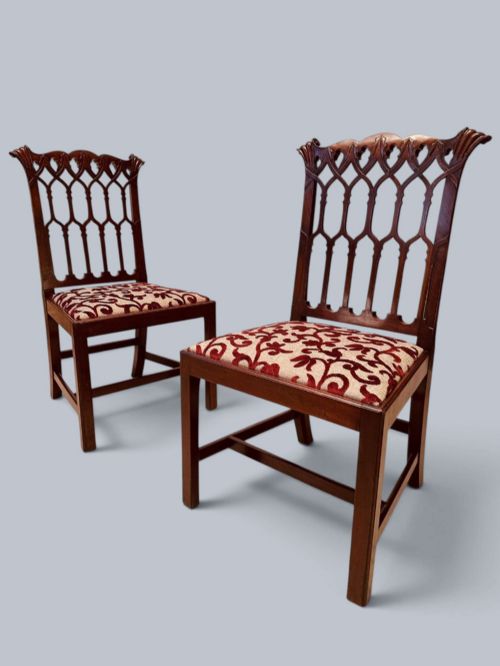
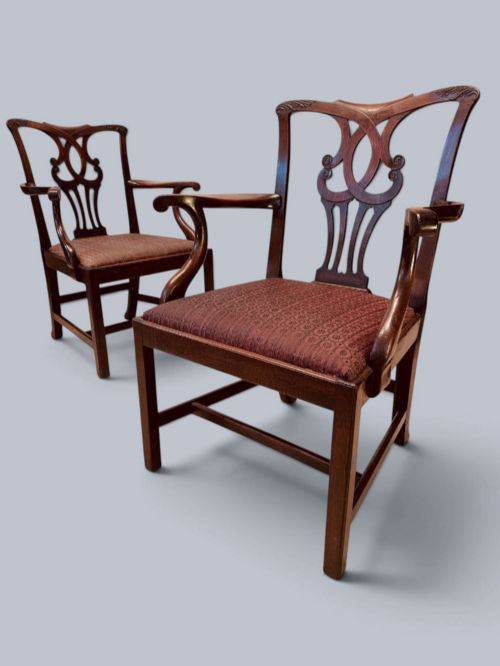
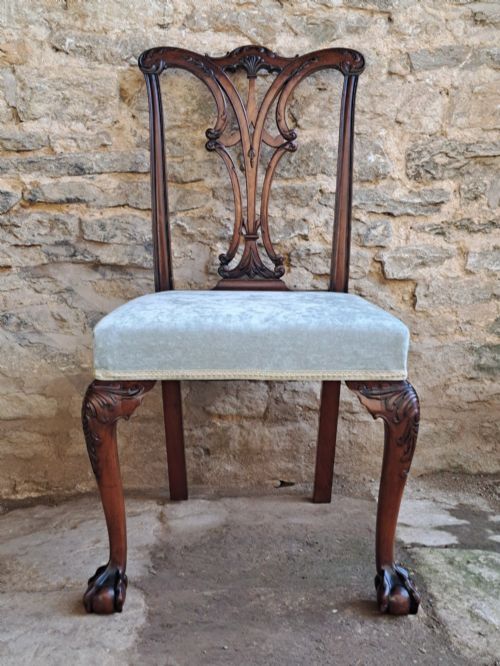
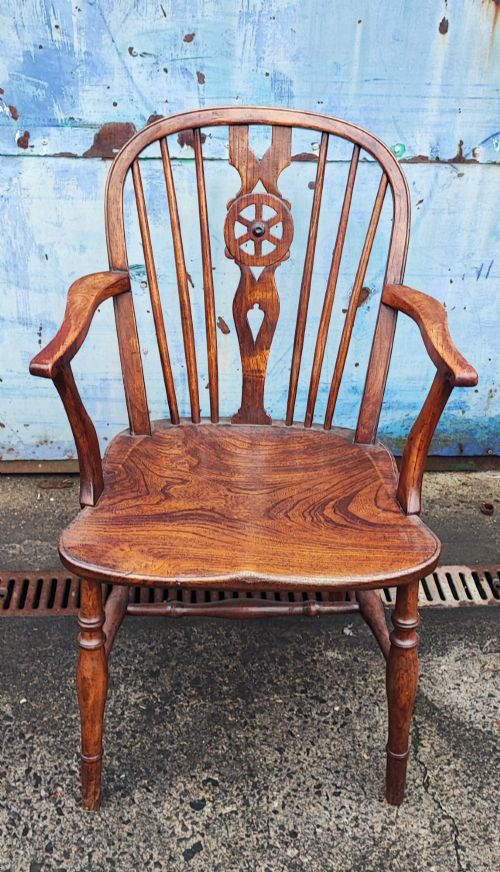
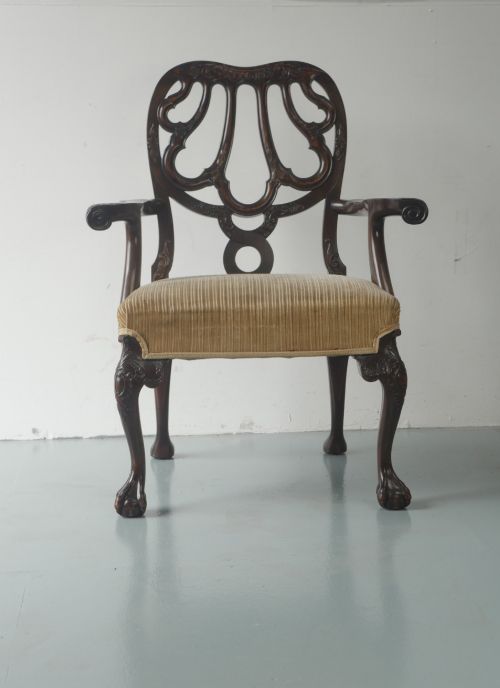
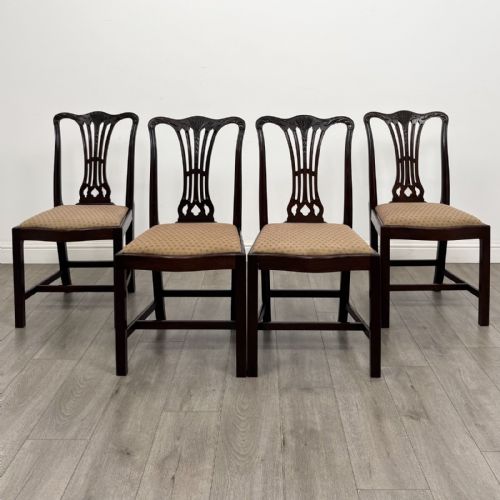
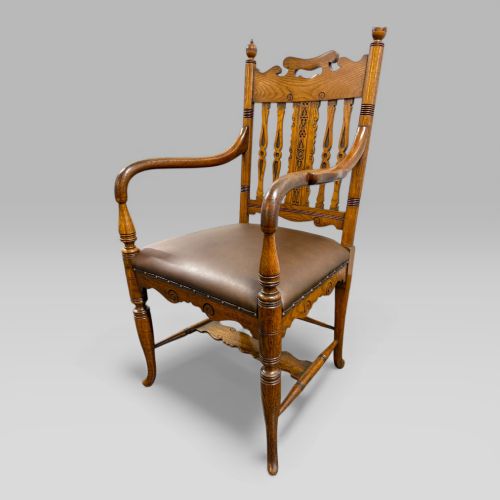
A carved back desk chair is a seating form designed for writing tables and libraries, combining robust frames with decorative woodwork along the splat or crest rail. Buyers searching for a carved back desk chair frequently encounter nineteenth-century Victorian and Edwardian interpretations alongside earlier Georgian and Regency examples.
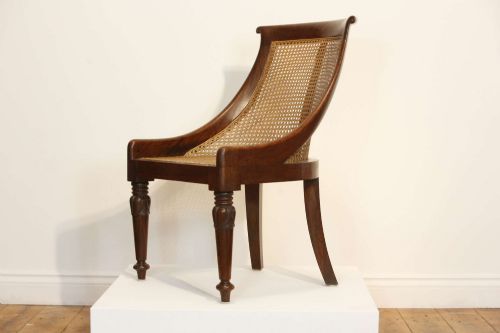
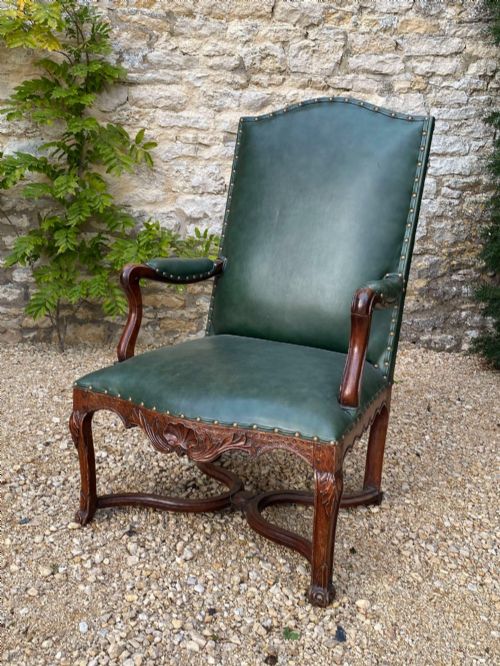
The selection ranges from open armchairs and revolving variants to Gainsborough styles and library chairs. Mahogany and oak dominate the offerings, often fitted with leather or cane seats suited to daily use at a desk.
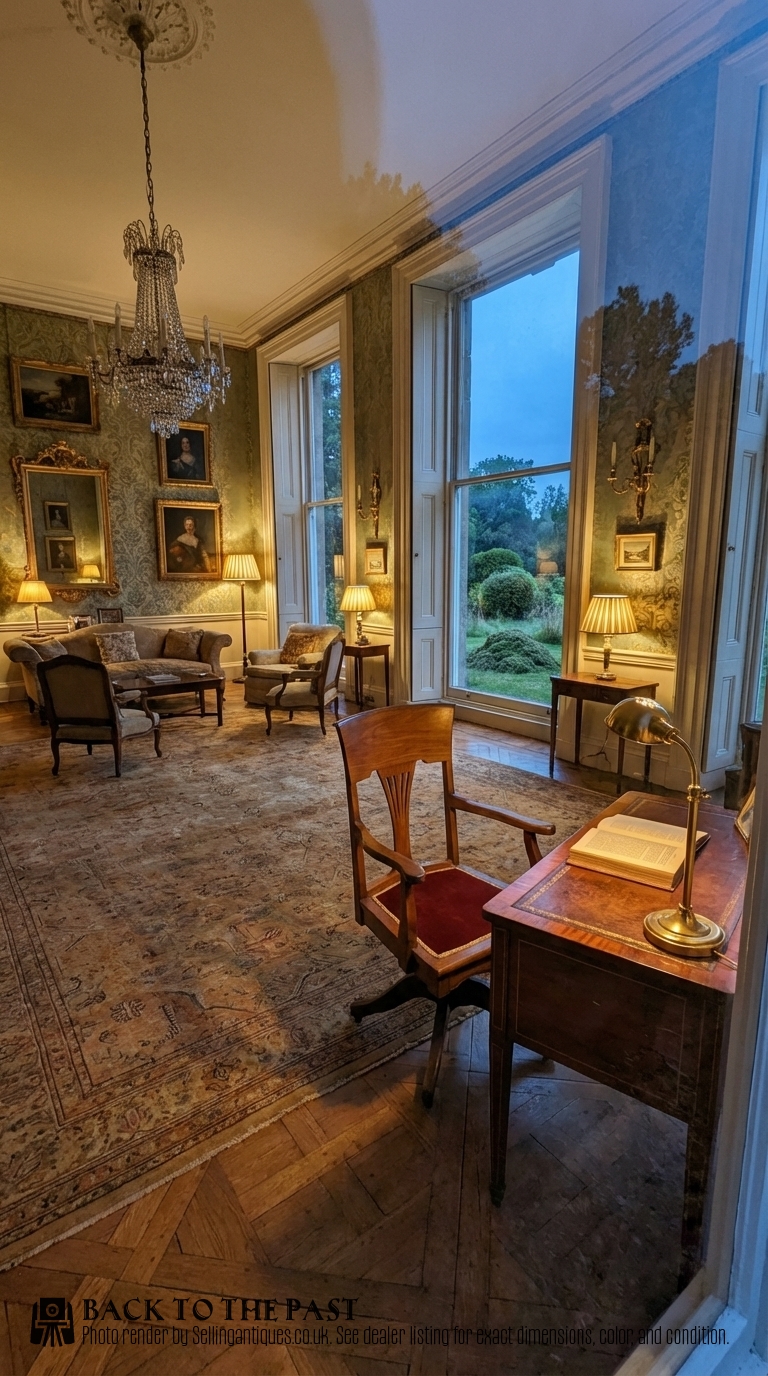
Materials and construction methods
Cabinetmakers relied heavily on dense hardwoods such as mahogany and walnut, which held crisp carved details without splitting under structural stress. Joinery relied on traditional mortise and tenon joints to ensure stability in seating intended for regular movement.
Secondary materials like brass hardware, supple leather upholstery, and woven cane provided tactile contrast and comfort. Frames were shaped by hand using saws, chisels, and planes to achieve smooth cabriole legs, curved arm supports, and pierced backsplats.
Carved Back Desk Chair Retail Price Guide 2026
Typical asking prices for carved back desk chair among the pieces listed under this phrase on Sellingantiques today, from the lower quarter to the upper quarter. They describe what is for sale here now, not the wider market.
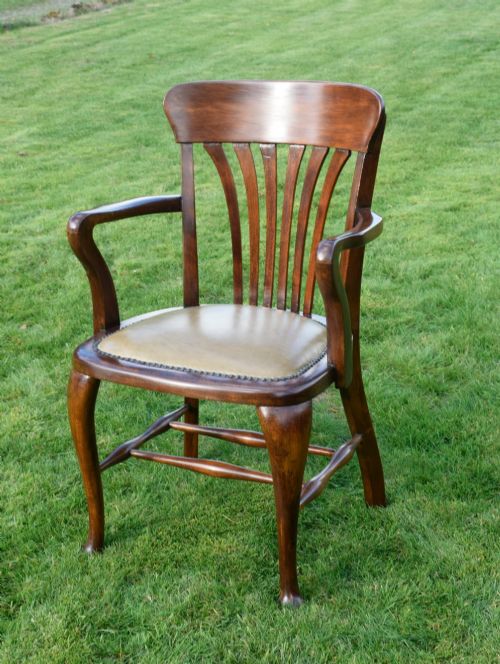
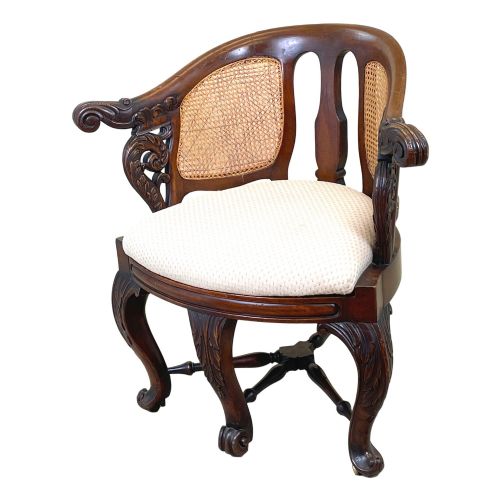
A revolving walnut desk chair from the Victorian era brings unexpected swivel motion to nineteenth-century study furniture.
Judging quality in seating
Superior examples display deep, three-dimensional carving executed with precision rather than shallow, mechanical stamping. The grain of the mahogany or walnut runs continuously through structural stress points, maintaining strength without relying on excessive glue or metal reinforcement.
Proportion and stance dictate the visual success of the piece, with well-balanced legs and supportive backrests that reflect the aesthetic ambitions of their period. Original surfaces, whether polished timber or patinated leather, retain their character through gentle ageing rather than heavy modern restoration.
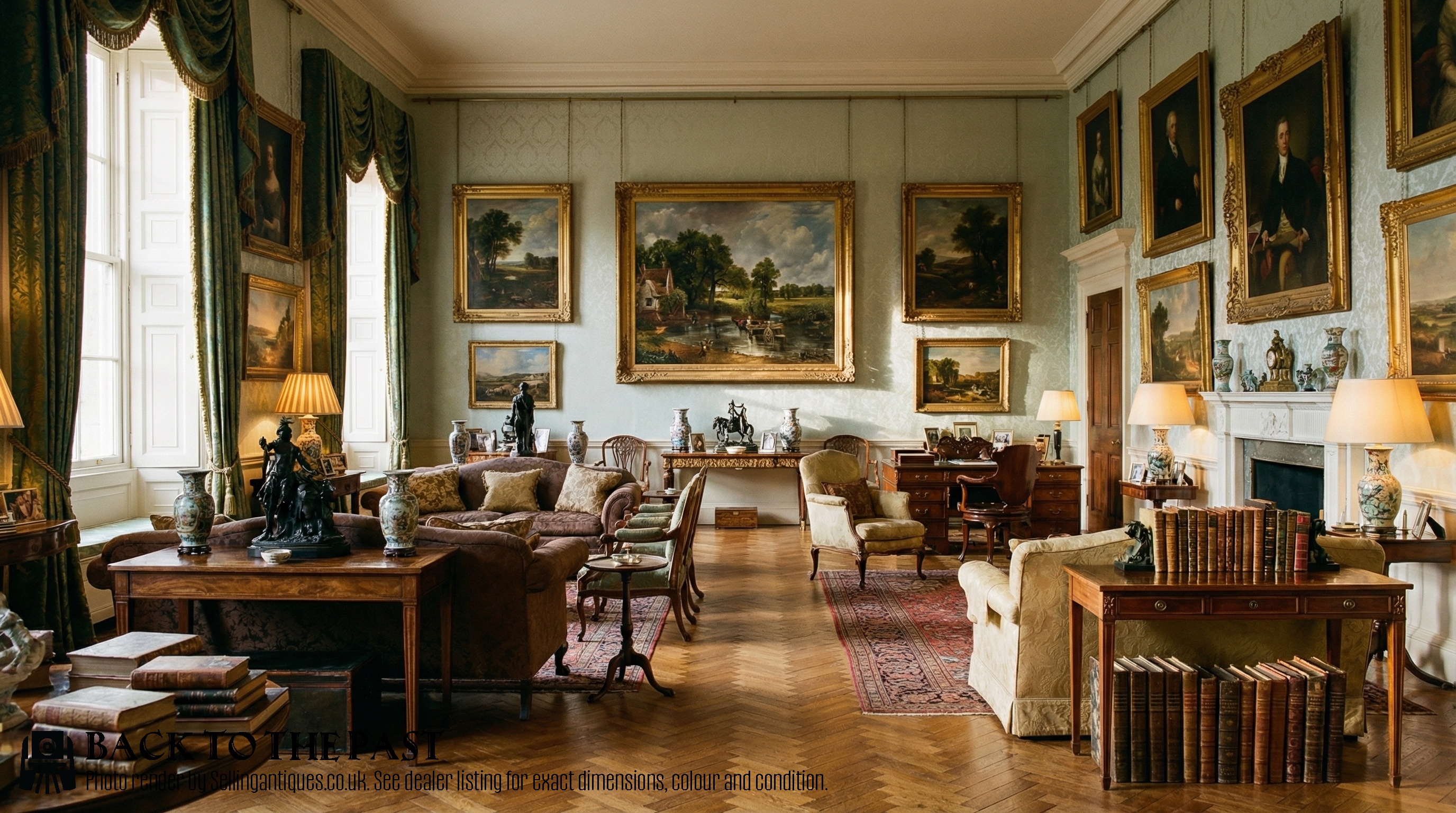
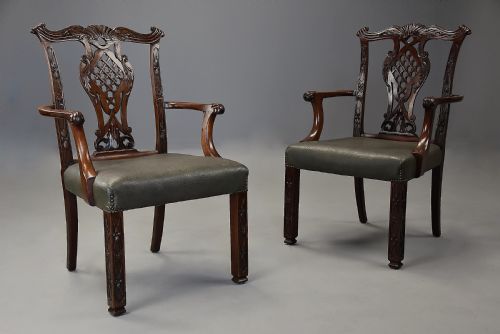
Charles Tozer·Alfred Allen of Birmingham
The Carved Back Desk Chair Glossary
- Backsplat
- The central vertical slat connecting the seat to the top rail of a chair back. Carved versions often define the stylistic period of the seating.
- Carver
- An armchair, typically designed to match a set of smaller side chairs intended for dining or library use. These provide arm supports for the primary sitter.
- Cabriole leg
- A furniture leg that curves outward at the knee and tapers inward toward the foot, often ending in a pad or claw. This form became popular during the Queen Anne and Georgian periods.
- Gainsborough chair
- A wide, upholstered armchair with open padded arms and short legs, designed for writing tables or drawing rooms. They date back to the mid-eighteenth century.
Carved Back Desk Chair: Frequently Asked Questions
How do I identify a genuine desk chair?
Authentic period examples often feature proportions suited to writing tables, sometimes including lower seats or revolving mechanisms designed for office use. Look for period-appropriate timber shrinkage and hand-cut joinery beneath the seat.
Check whether the carved back shows crisp hand-tooling rather than uniform machine moulding. The integration of the arms and the wear patterns on the wood also indicate age and original function.
Are these chairs comfortable for daily work?
Many nineteenth-century and Edwardian models provide sturdy support, particularly those fitted with upholstered leather pads or wide wooden armrests. Their upright postures encourage productive seating habits.
Cane seats offer slight give, while solid timber or leather seats require careful matching to your desk height. Adding a subtle loose cushion can improve long-term comfort without altering the antique frame.
What is the difference between an armchair and a carver?
A carver traditionally refers to an armchair that matches a set of smaller dining or library side chairs, allowing the head of the table a grander seat. General armchairs may exist as standalone pieces or pairs without a larger matching set.
Both forms share sturdy arm supports and carved backrests suitable for desk use. The distinction lies primarily in whether the chair was originally manufactured to accompany a larger suite of dining seating.
How should I care for antique mahogany and walnut?
Protect timber surfaces by keeping them away from direct heat sources and strong sunlight, which can dry out the wood and fade the polish. Apply a quality beeswax periodically to nourish the grain and maintain a soft sheen.
Avoid commercial silicone sprays that trap moisture beneath the surface. Gentle dusting with a soft, dry cloth preserves the historic patina built up over generations of use.