

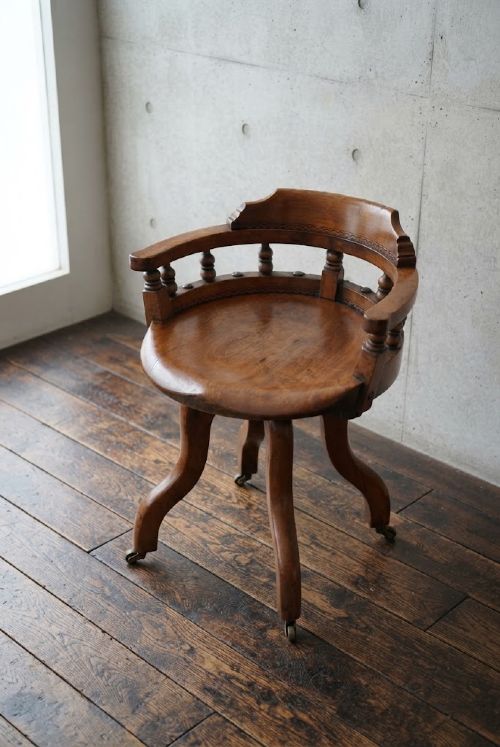
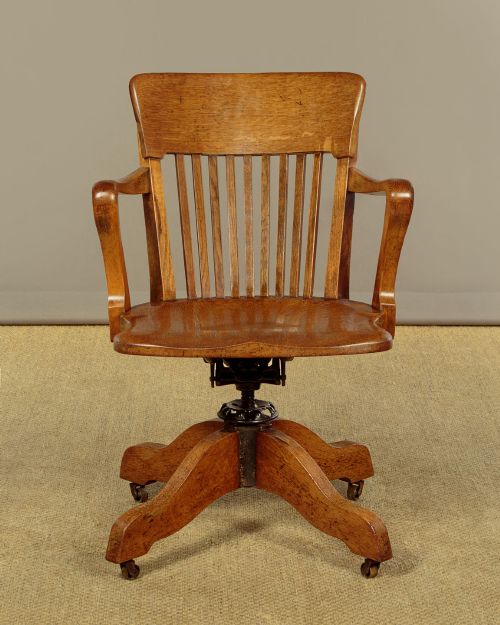
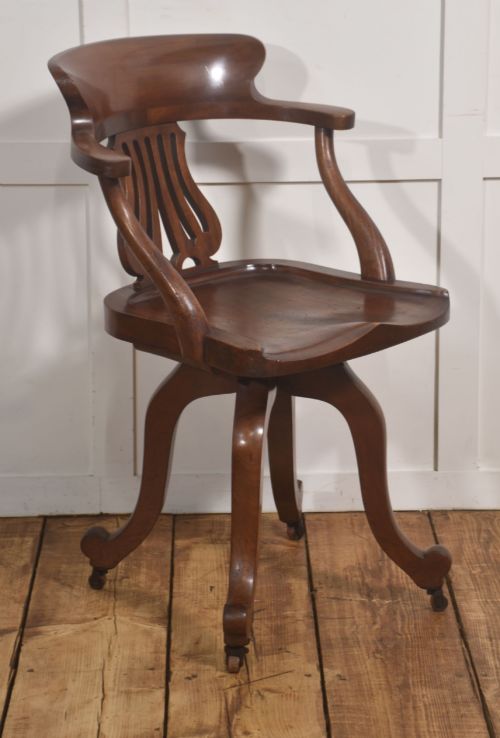
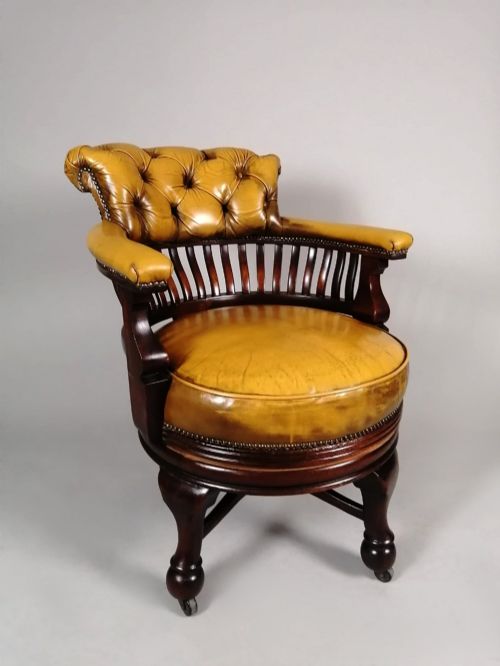

Antique Swivel Office Chair
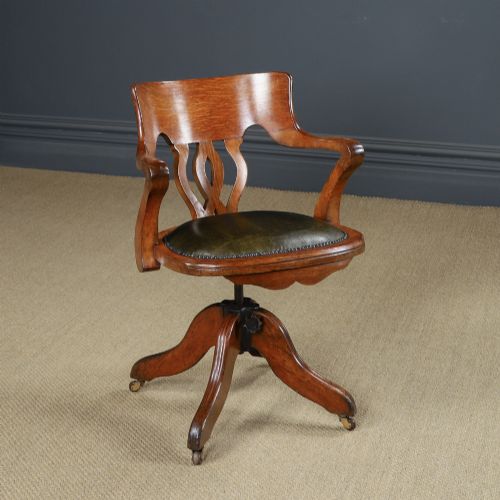
An antique swivel office chair brings working posture from the Victorian and Edwardian eras directly into a modern study with solid timber and leather.
Antique Swivel Office Chair
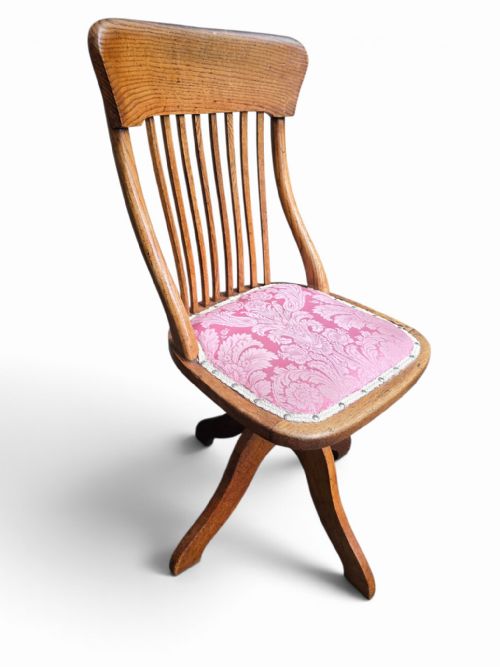
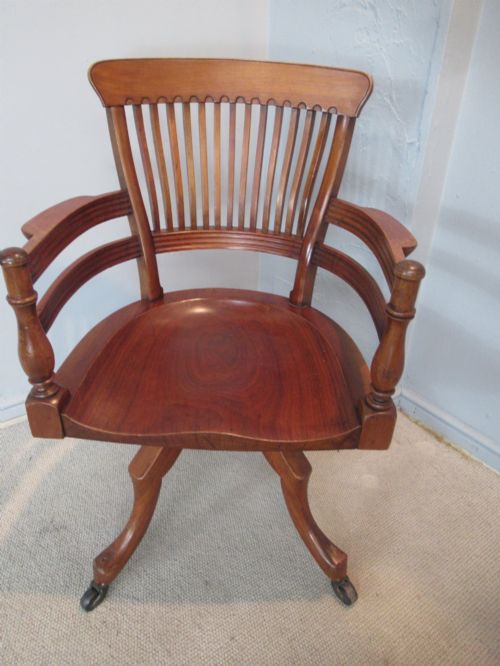
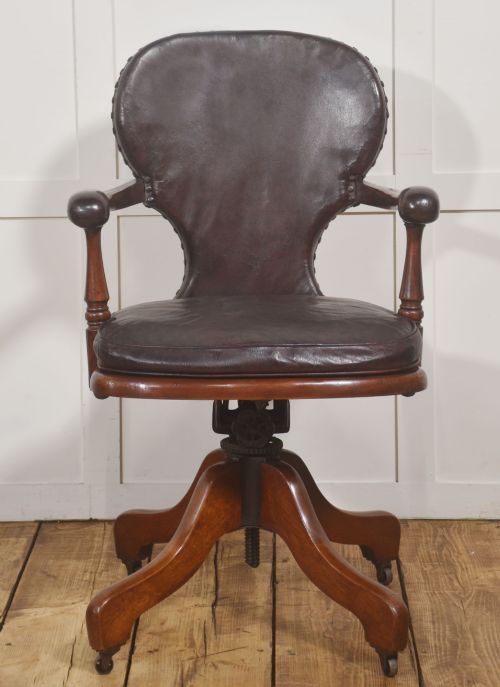
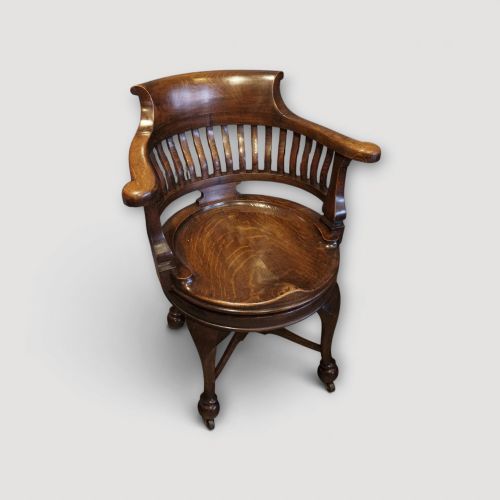
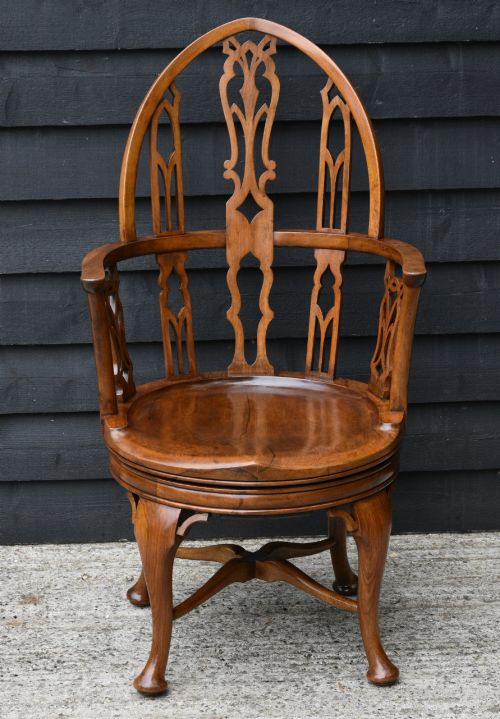
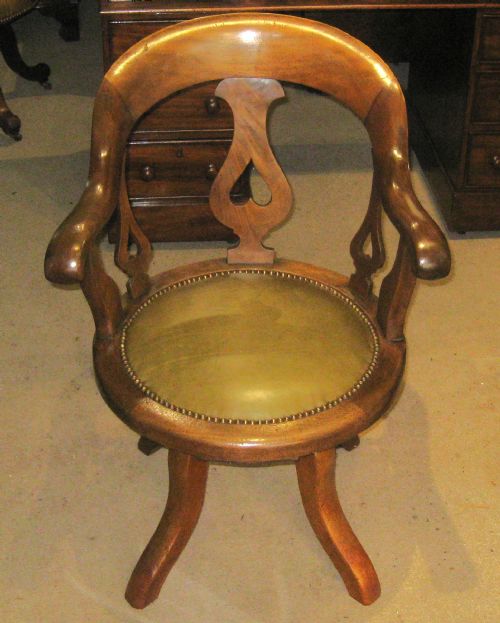
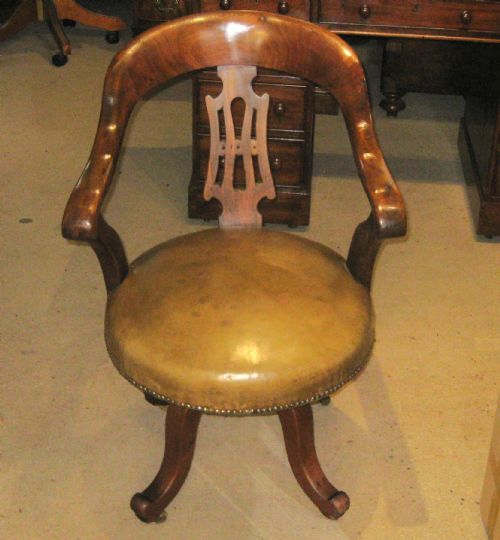
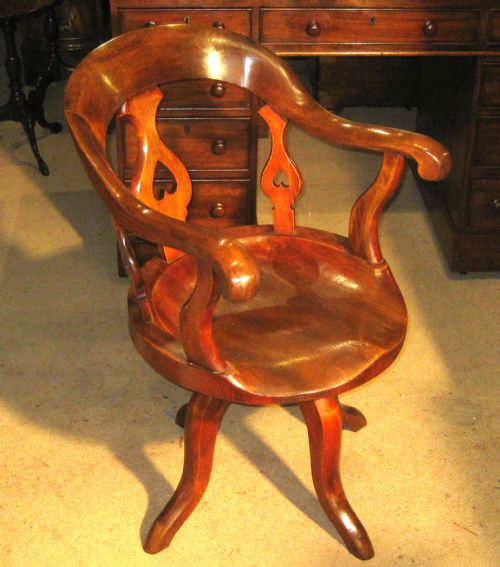
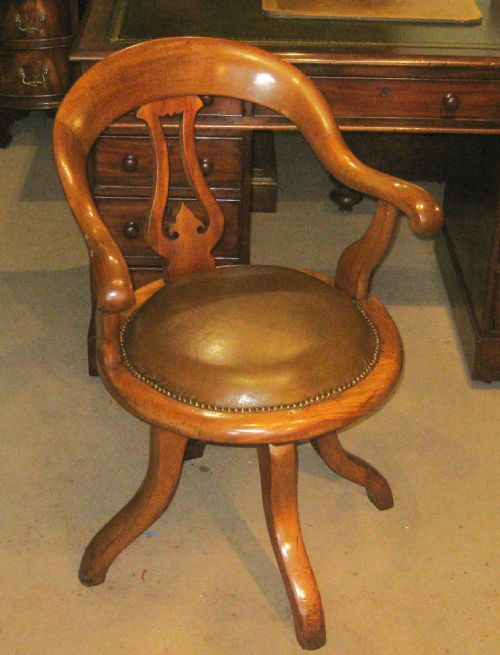
When you search for an antique swivel office chair, you encounter sturdy desk chairs and revolving armchairs dating from the late nineteenth century through to the 1920s. These pieces include Victorian solid mahogany and walnut iterations alongside Edwardian oak designs.
The versions you are most likely to meet on this page span the 1870s to the 1920s, often combining revolving mechanisms with fixed timber frames. They appear in styles ranging from Gothic Revival and Aesthetic Movement to Arts and Crafts and maritime variants.
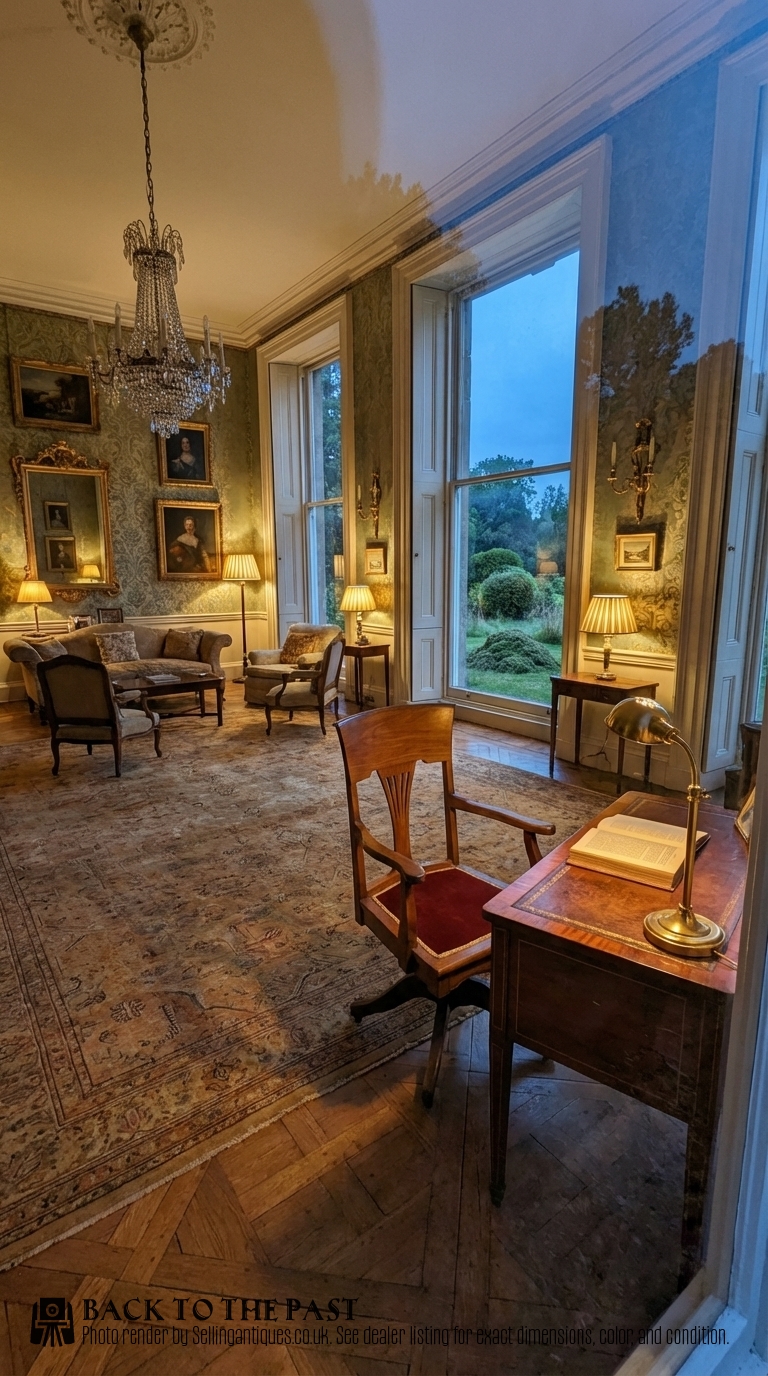
Materials and construction
Frames rely heavily on hardwoods like mahogany, oak, walnut and beech, shaped through turning, bending or carving. Metal components such as cast iron and brass underpin the swivel and tilting mechanisms that permit movement.
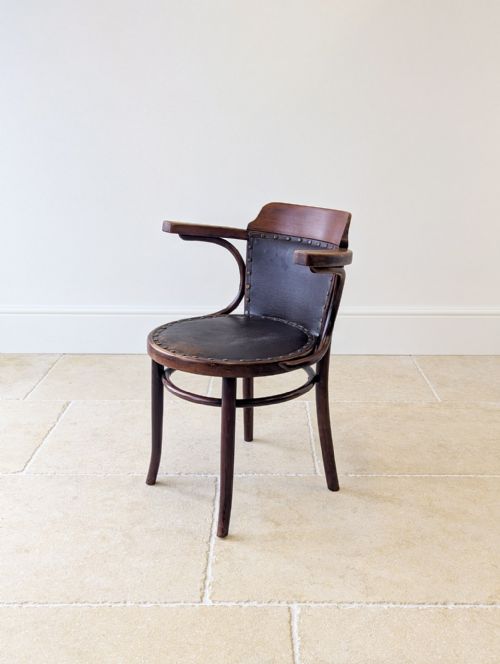
Seats and backrests are frequently upholstered in leather or fitted with cane and bentwood. These elements combine to support daily use while maintaining the structural integrity expected of period office furniture.
Antique Swivel Office Chair Retail Price Guide 2026
Typical asking prices for swivel office chair among the pieces listed under this phrase on Sellingantiques today, from the lower quarter to the upper quarter. They describe what is for sale here now, not the wider market.
Listings feature timbers including oak, mahogany, walnut, beech, and metal elements of cast iron and brass across Victorian and Edwardian periods.
Gradations of quality
The standard of an antique swivel office chair depends on the choice of timber and the complexity of the joinery. Solid mahogany or quarter-sawn oak frames with sophisticated turning and robust revolving actions stand apart from simpler utility pieces.
Subtlety of proportion and the retention of original leather or upholstery contribute to a higher grade. Pieces that integrate tilt mechanisms smoothly and maintain stable column bases reflect superior period manufacturing.
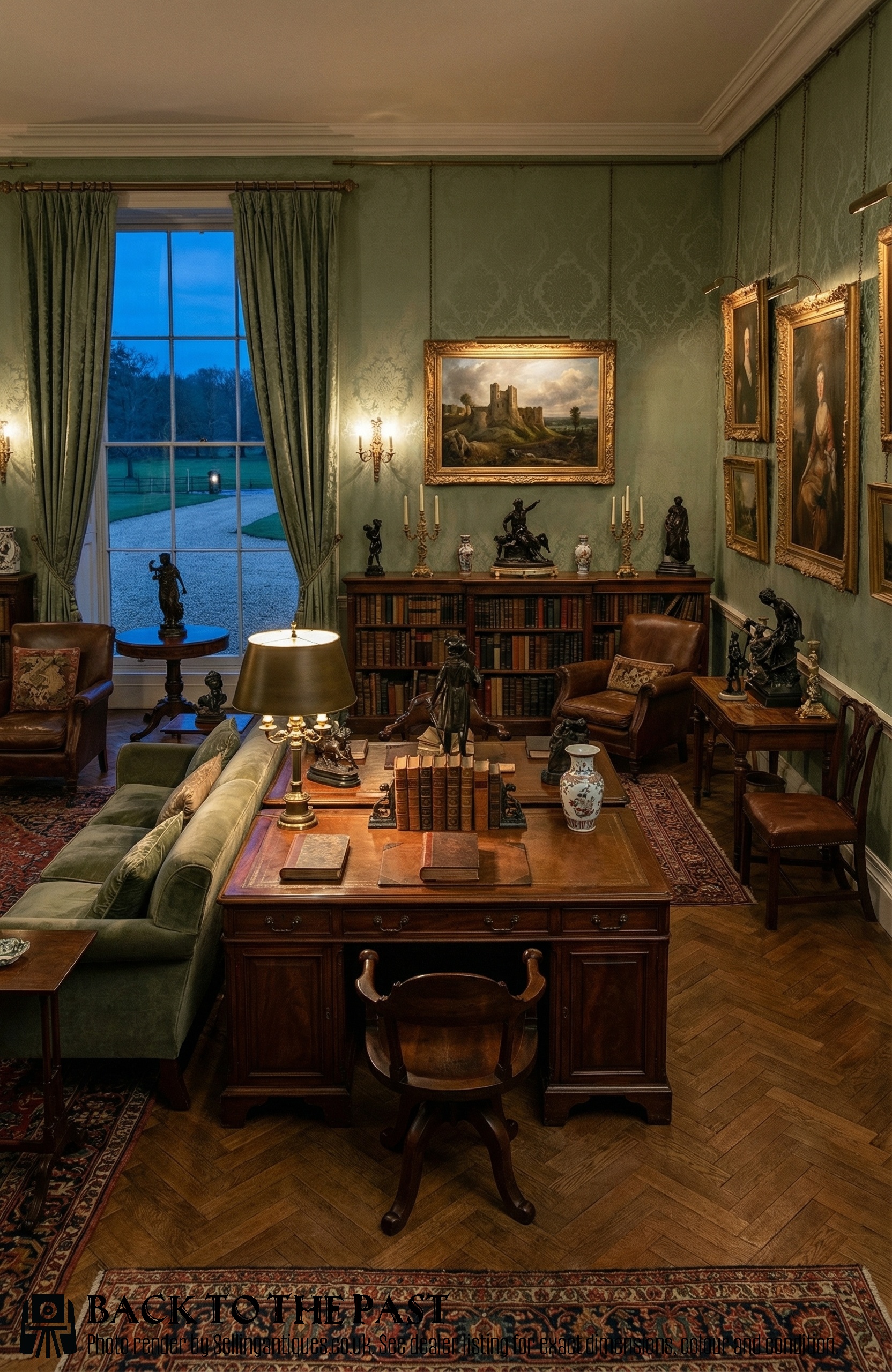
P and O
The Antique Swivel Office Chair Glossary
- Swivel
- A mechanism allowing the upper portion of the chair to rotate fully on a fixed base. This innovation transformed office work in the late nineteenth century.
- Revolving
- An alternative descriptor for a chair that turns around a central vertical axis. It appears frequently in nineteenth-century desk chair descriptions.
- Bentwood
- Wood heated and shaped into curved structural components. This technique produced resilient frames particularly associated with late Victorian and Edwardian seating.
- Rise and fall
- An adjustable height mechanism operated by a threaded spindle or screw beneath the seat. It allowed clerks and professionals to customise their seating level.
- Aesthetic Movement
- A late Victorian design style prioritising visual beauty over narrative function. Chairs from this movement often display refined walnut framing and subtle ornamentation.
Antique Swivel Office Chair: Frequently Asked Questions
How do I adjust the height on these chairs?
Many period swivel chairs use a threaded iron spindle beneath the seat that raises or lowers the chair when rotated by hand.
Other Edwardian examples incorporate rise and fall mechanisms designed to alter the seating position relative to a desk.
Are these chairs suitable for daily computer work?
These pieces function well at modern desks provided the seat height aligns comfortably with your workspace.
Their sturdy timber frames and leather upholstery offer durable support for routine tasks.
What is a ships chair?
A ships chair is a heavy revolving or fixed seating design engineered for maritime use during the Victorian era.
They often combine cast iron and oak to withstand movement at sea.
How do I distinguish Victorian from Edwardian office chairs?
Victorian office chairs typically feature rich mahogany or walnut timbers alongside deeper carved details or Gothic Revival styling.
Edwardian counterparts commonly utilise oak or beech with lighter proportions and simpler geometric forms.