

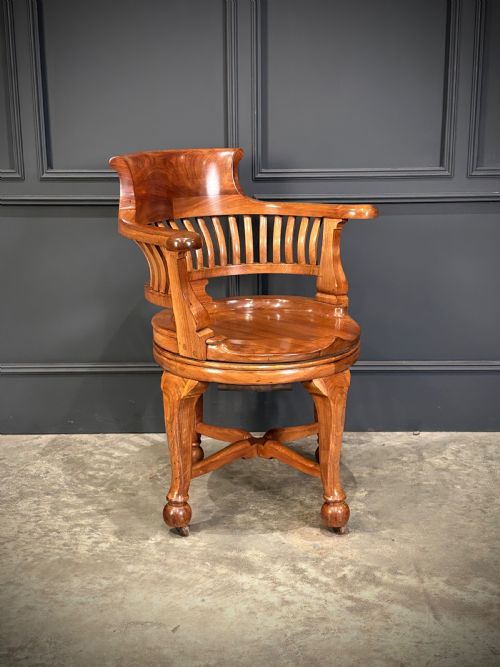
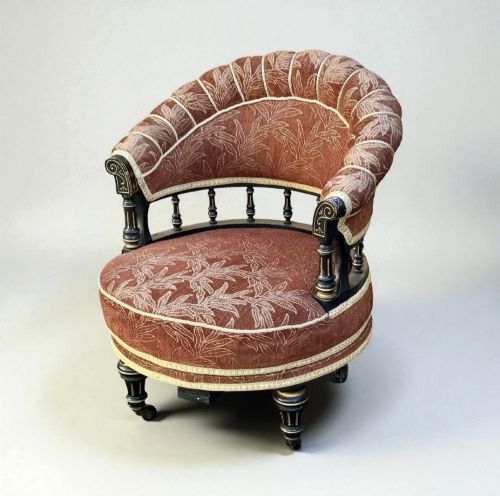
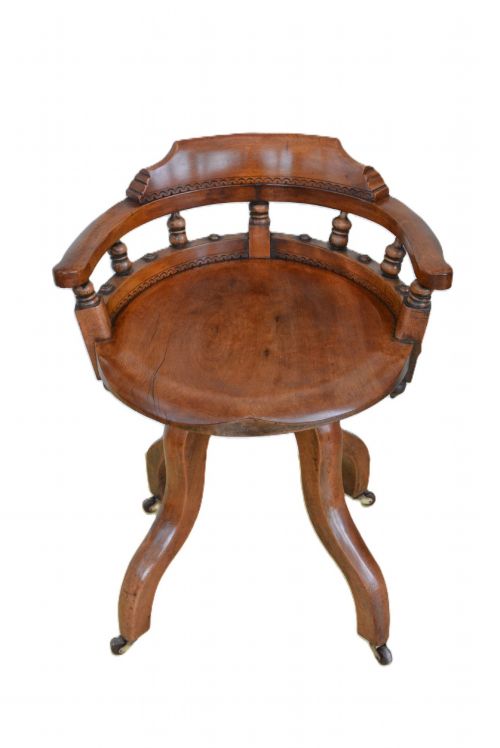
Victorian Swivel Desk Chair
A victorian swivel desk chair brings mechanical ingenuity and solid timber to the workspace, offering a practical seating solution built to last generations.
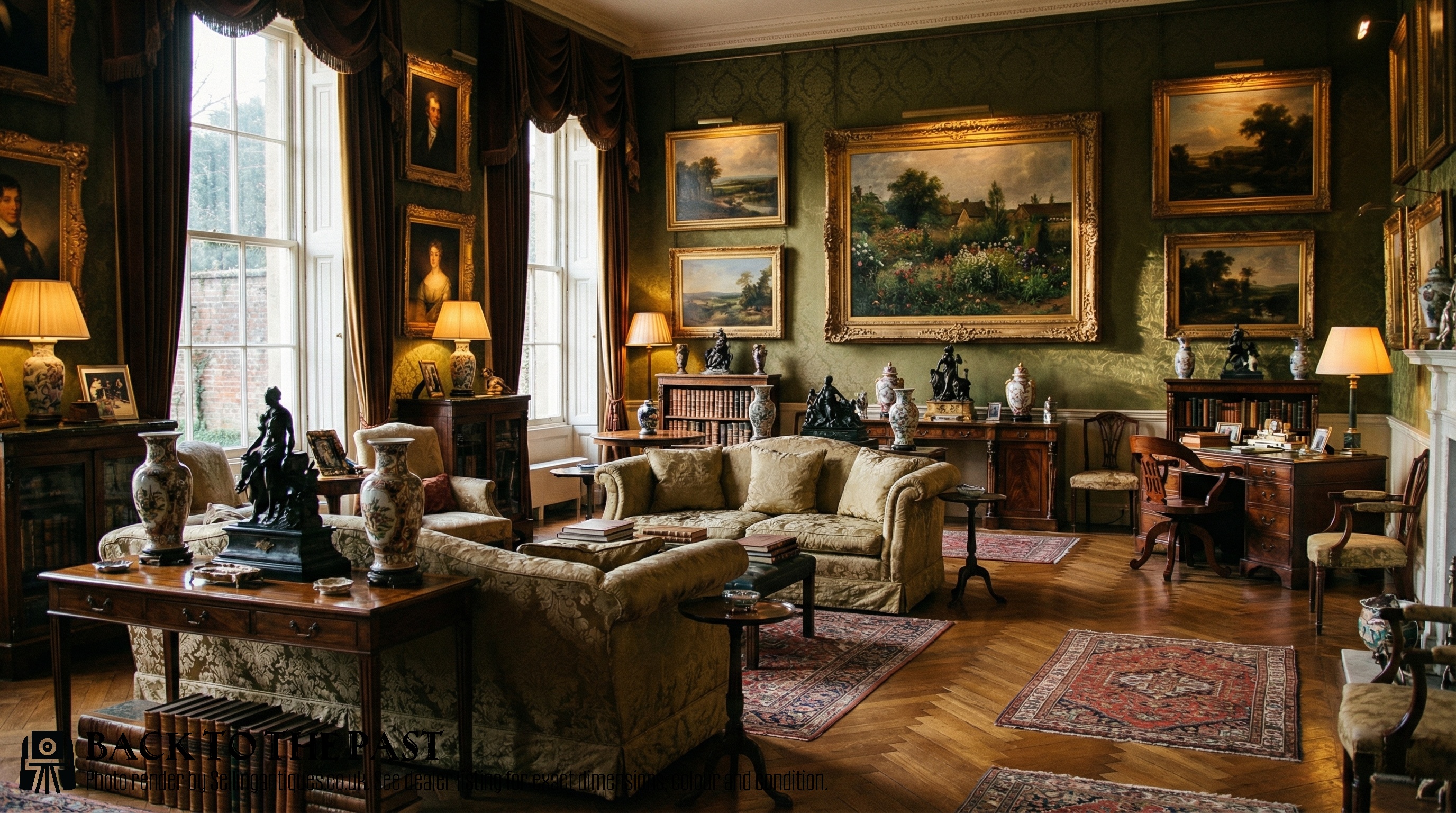
Victorian Swivel Desk Chair
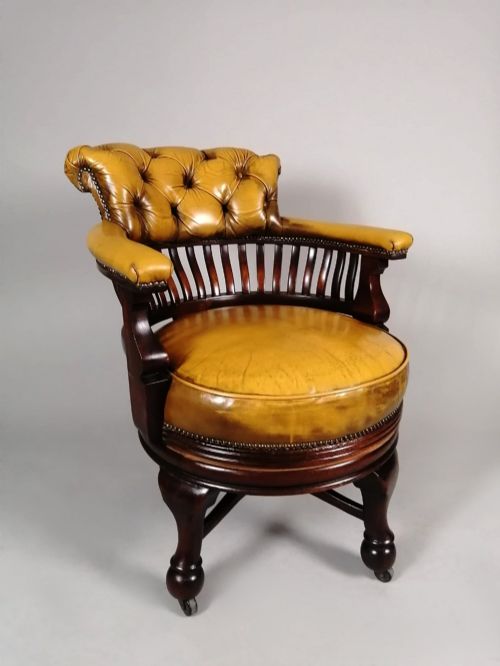
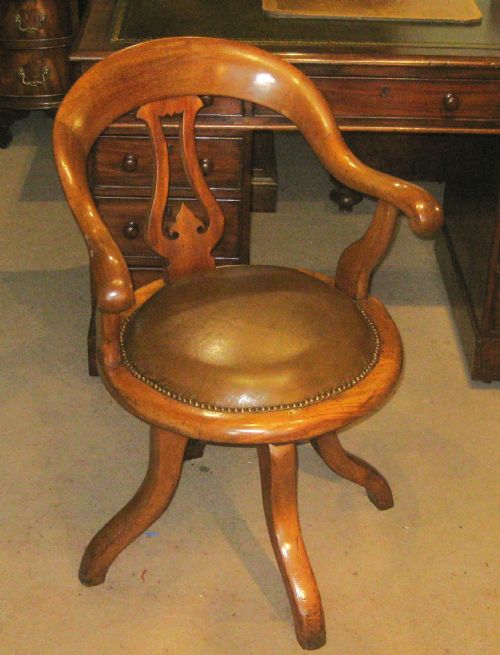
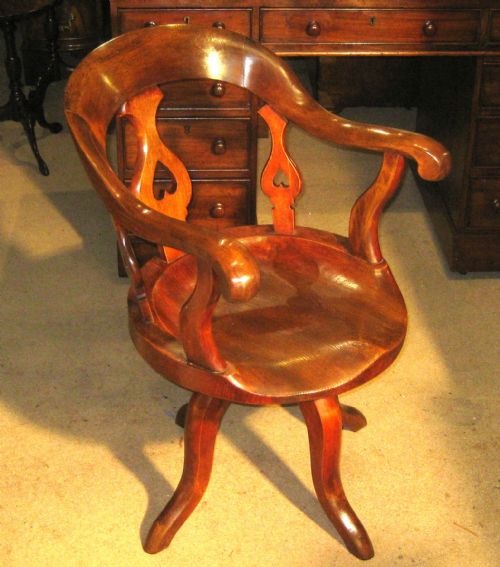
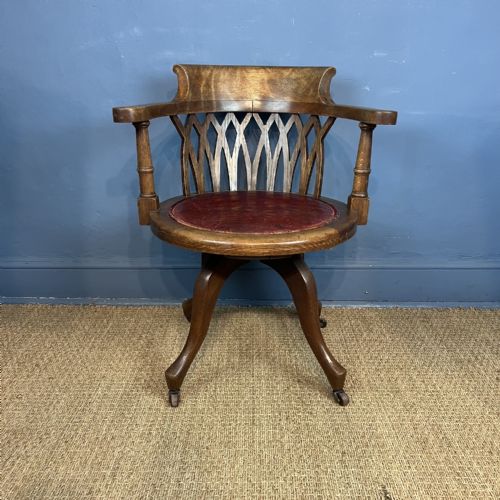
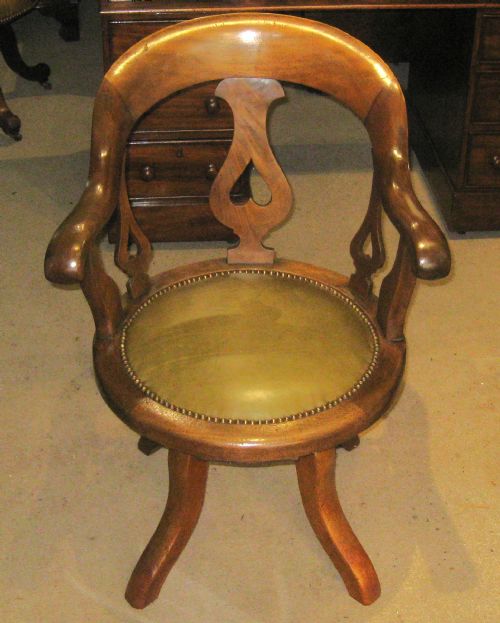
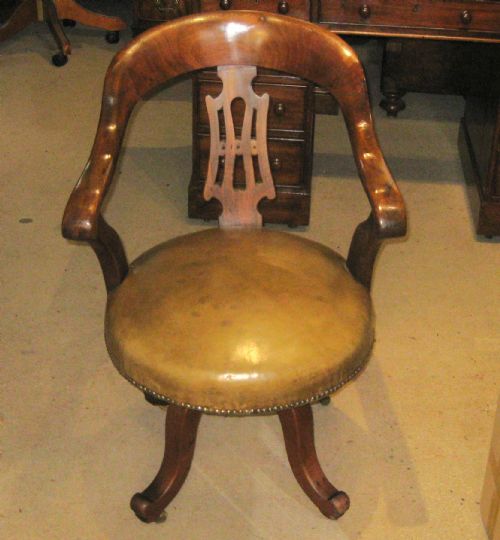
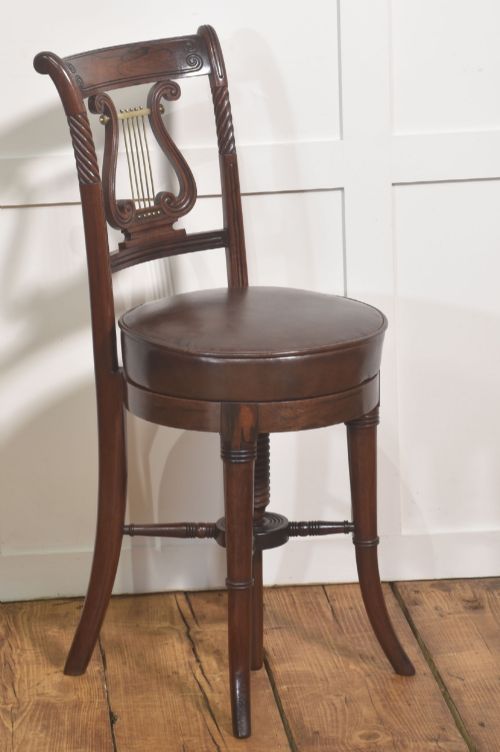
A victorian swivel desk chair is a rotating office or library seat designed for working at a desk, typically featuring a revolving mechanism mounted on a central wooden or iron base.
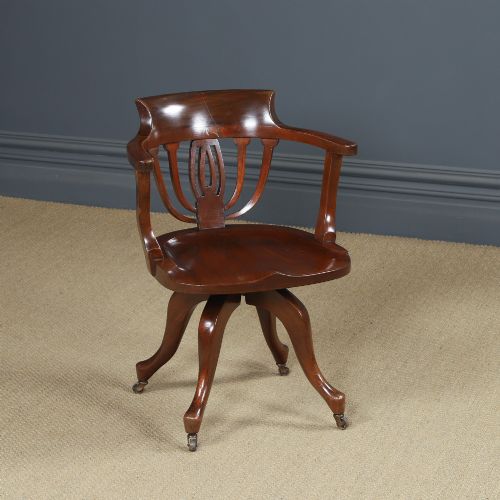
The most common examples encountered on this page are constructed from rich timbers like mahogany and oak, often paired with upholstered leather seats for daily use.
These pieces bridge the gap between domestic comfort and nineteenth-century office utility, reflecting the changing nature of administrative work during the period.
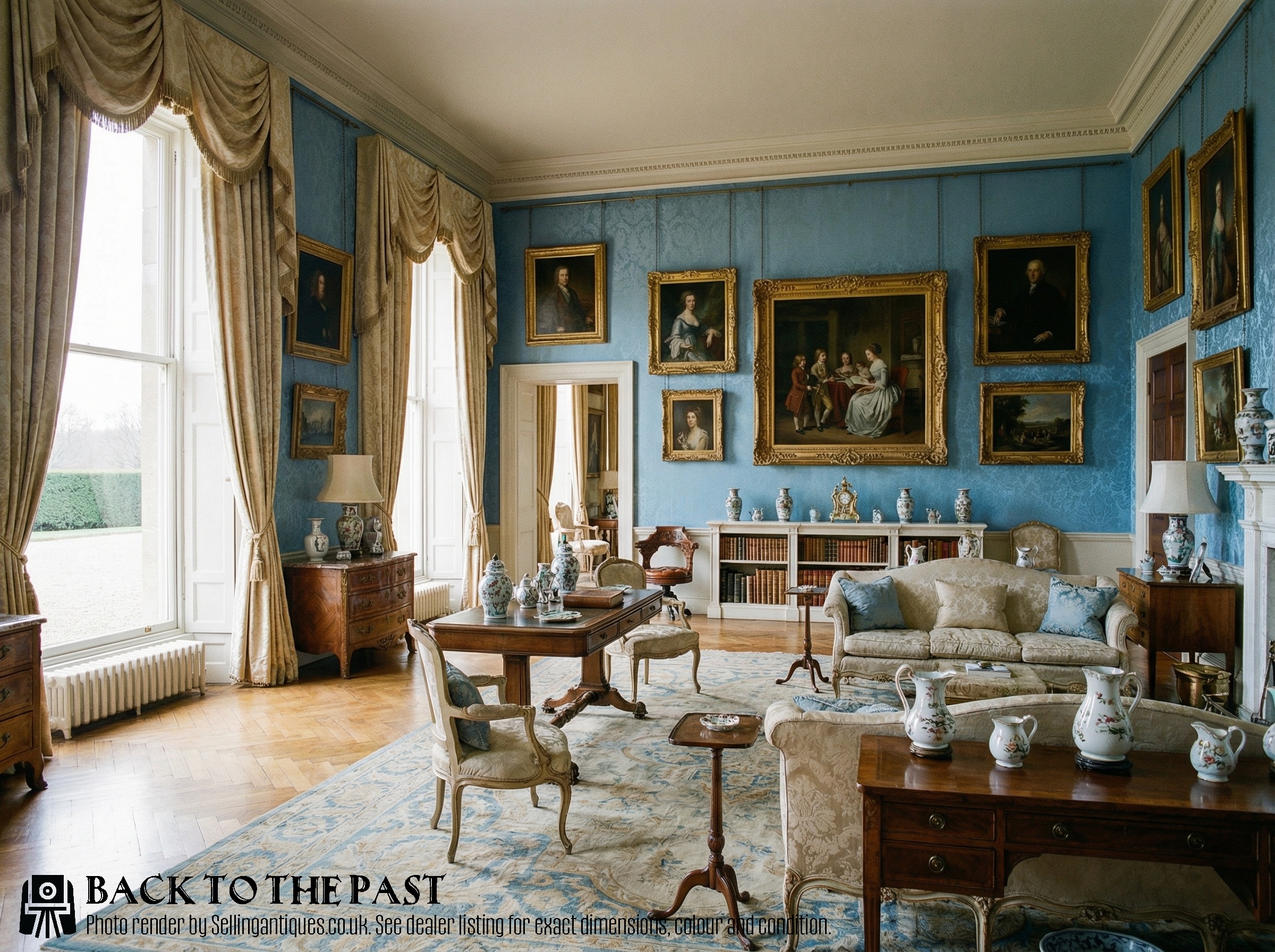
How they were made
Cabinet makers utilised dense hardwoods such as mahogany, oak, and walnut to build sturdy frames capable of withstanding constant rotation and pressure.
Metal components, including iron screws, cast iron pedestals, and brass fittings, provided the necessary mechanical strength for the swivelling and height-adjustment mechanisms.
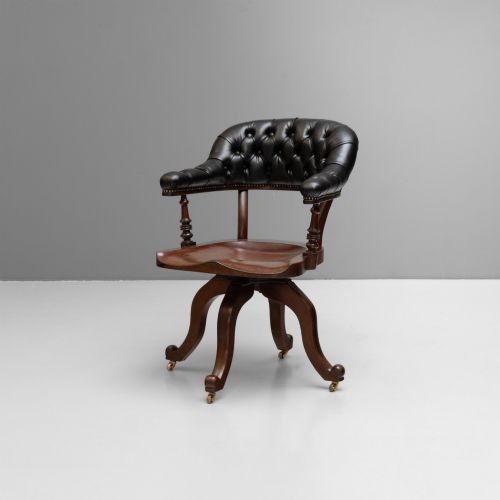
Upholstery involved vegetable-tanned leather fastened with brass tacks over stuffed padding, creating a durable surface suited to long hours at the bureau.
Victorian Swivel Desk Chair Retail Price Guide 2026
Typical asking prices for victorian swivel desk chair among the pieces listed under this phrase on Sellingantiques today, from the lower quarter to the upper quarter. They describe what is for sale here now, not the wider market.
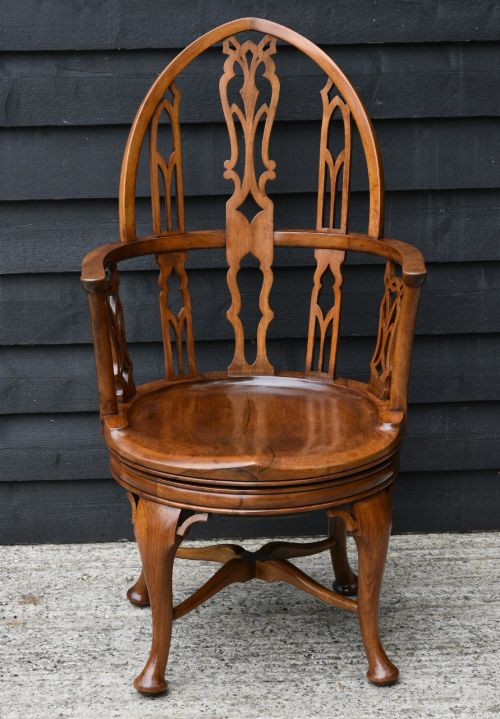
Listings feature woods like mahogany, oak, and walnut alongside iron mechanisms from the Victorian, Edwardian, and Gothic Revival periods.
What varies in quality
The sophistication of the revolving mechanism dictates much of the value, with complex rise-and-fall screw actions and robust cast iron spiders sitting above simpler wooden pivots.
Timber selection and the depth of carving separate standard utility models from bespoke pieces commissioned by offices or large maritime vessels.
The survival of original leather upholstery and the tightness of the frame joints also mark out examples that have retained their structural integrity over time.

S&H Jewell·Shoolbred·Edward William Godwin
The Victorian Swivel Desk Chair Glossary
- Revolving mechanism
- The internal pivot or screw assembly that allows the upper seat portion to turn independently of the base. This engineering developed significantly through the nineteenth century to improve stability.
- Captains chair
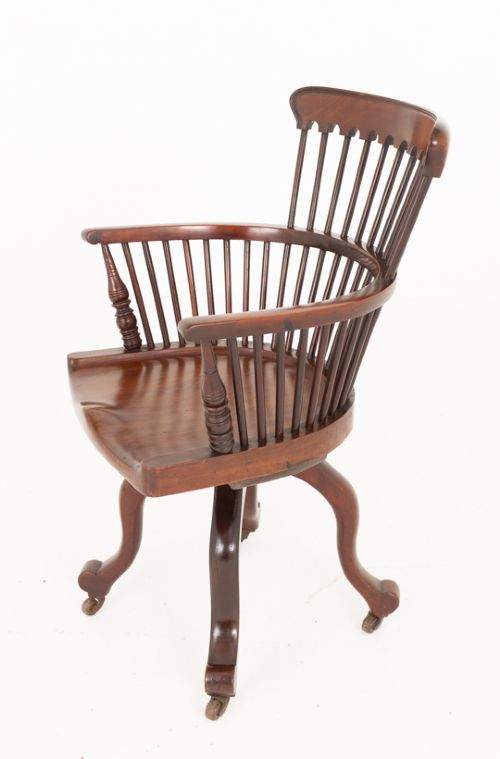
- A robust armchair with a rounded wooden back rail supported by spindles above the seat. These forms were frequently adapted with swivel bases for office and maritime use.
- Spider
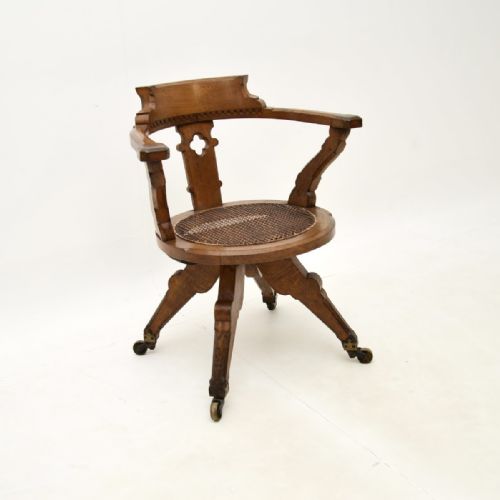
- The metal under-framing beneath the seat that connects the wooden body to the central iron spindle and legs. A four or five-legged spider provides the balance needed for safe rotation.
- Aesthetic movement
- A late nineteenth-century design style focusing on artistic merit rather than narrative illustration. Pieces from this movement often display simpler lines and Japanese-inspired detailing.
- Gothic revival
- An architectural and decorative style drawing inspiration from medieval forms. In seating, this manifests as pointed arches, heavy tracery, and carved quatrefoils.
Victorian Swivel Desk Chair: Frequently Asked Questions
How do I adjust the height on these chairs?
Many nineteenth-century examples utilise a central wooden or iron threaded screw beneath the seat. Turning the entire chair body clockwise or anticlockwise raises or lowers the seating platform.
Other models feature a mechanical rise-and-fall lever system operated by an iron collar. Ensure the thread is well lubricated before attempting any adjustment to prevent binding.
Were these chairs used only in offices?
While frequently found in legal chambers, banks, and libraries, similar swivelling forms were built for ships and domestic dressing rooms. Maritime variants often featured weighted bases to cope with rough seas.
Domestic models prioritized decorative appeal, incorporating walnut frames or Aesthetic movement carvings suited to a private study.
How should I care for the leather seat?
Original leather benefits from gentle cleaning with a damp cloth followed by a neutral wax or leather dressing. Avoid modern chemical solvents that can strip the nineteenth-century finish.
Keeping the chair away from direct sunlight and strong heat sources will prevent the hide from drying and cracking over time.