

Neoclassical Dining Chairs
Neoclassical dining chairs bring symmetry and refined classical detail to a room, offering structured seating shaped by eighteenth and nineteenth century design.
Neoclassical Dining Chairs
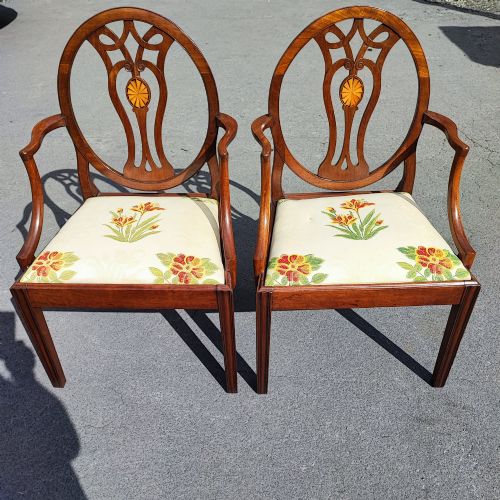
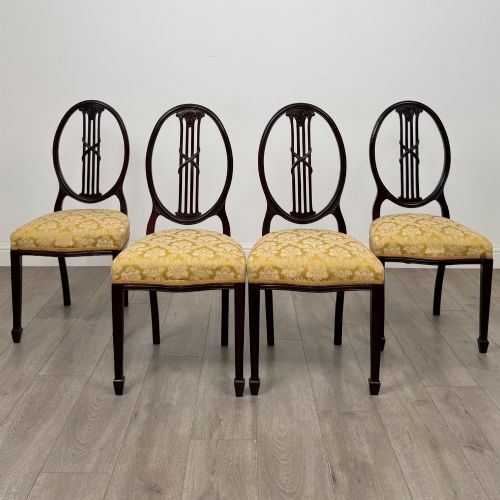
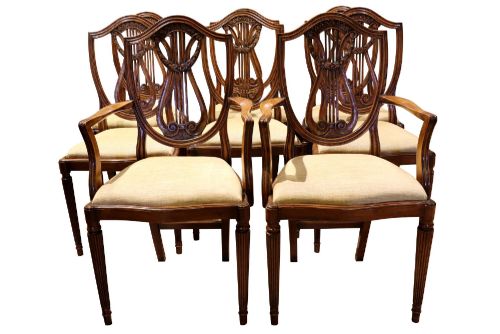
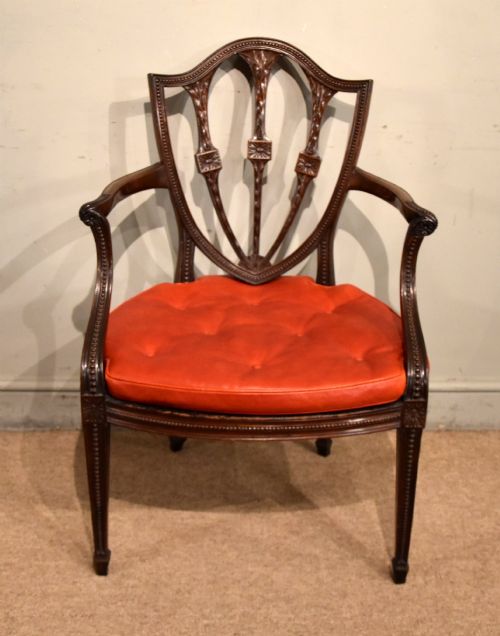
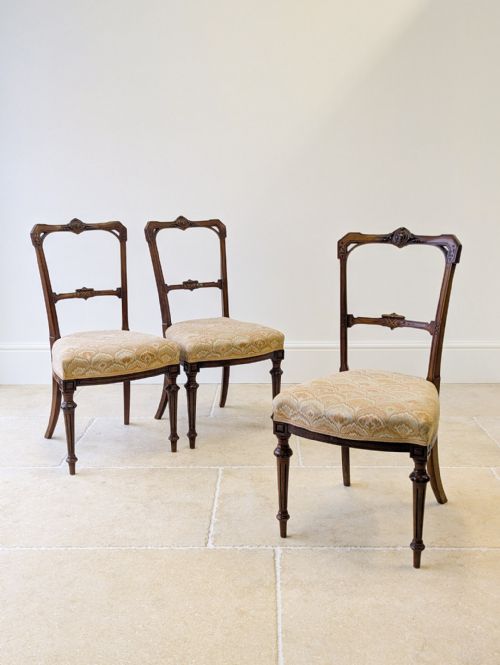
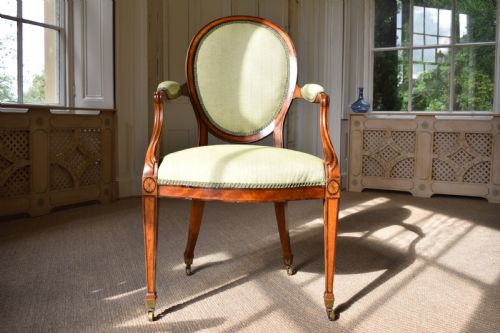
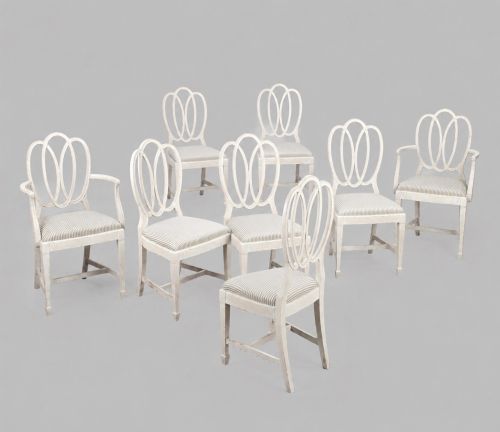
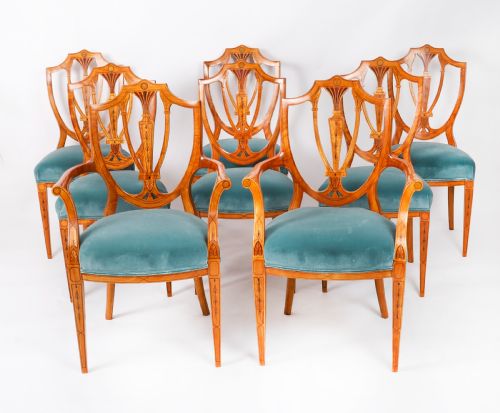
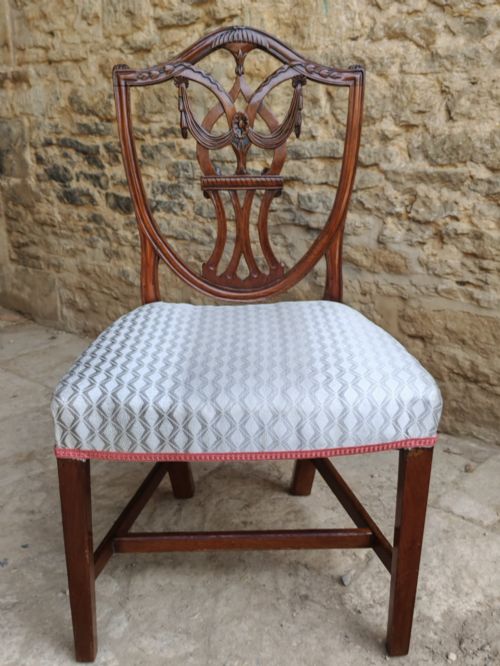
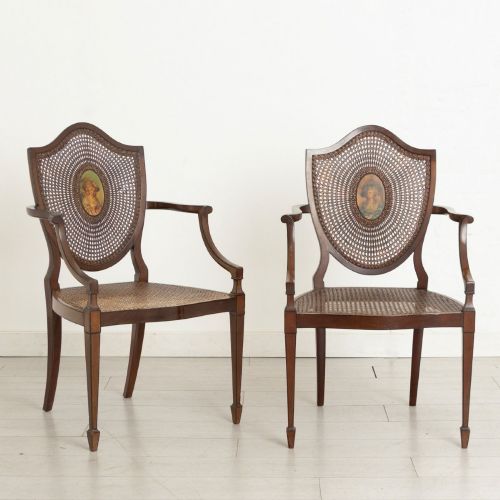
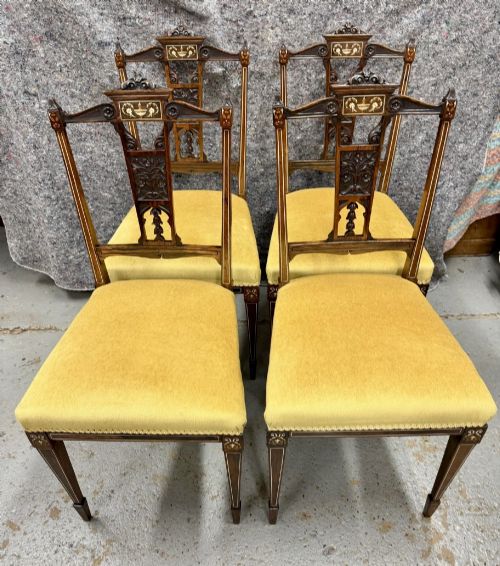
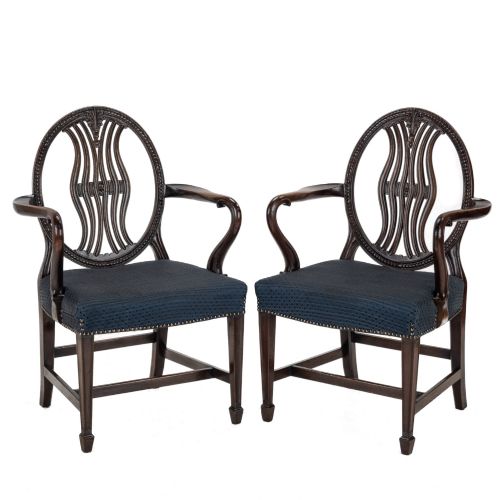
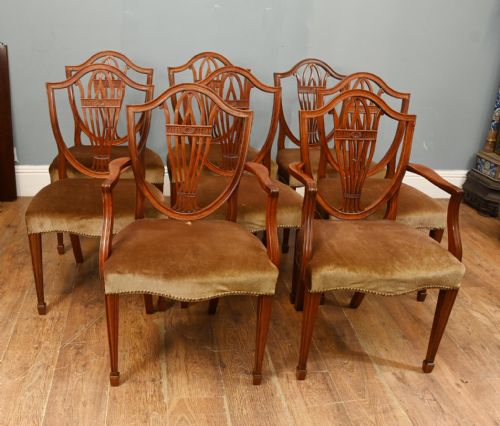
When you search for neoclassical dining chairs, you encounter a refined selection of seating spanning the Georgian, Victorian, and early twentieth century periods. The forms range from individual side chairs and armchairs to large matched sets intended for formal dining rooms.
Materials and Construction
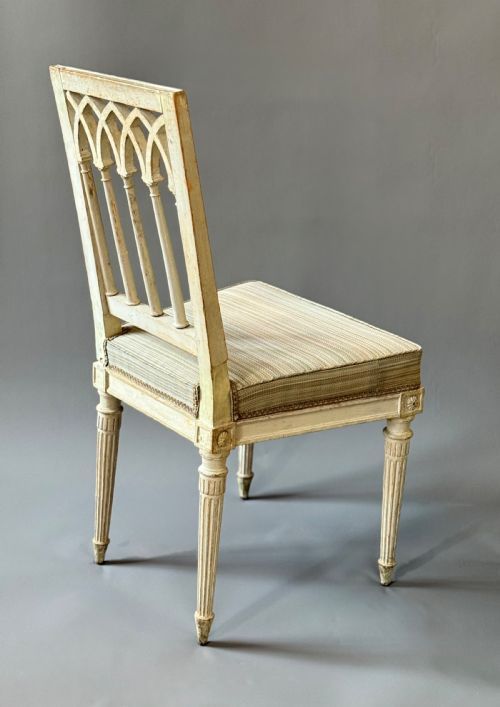
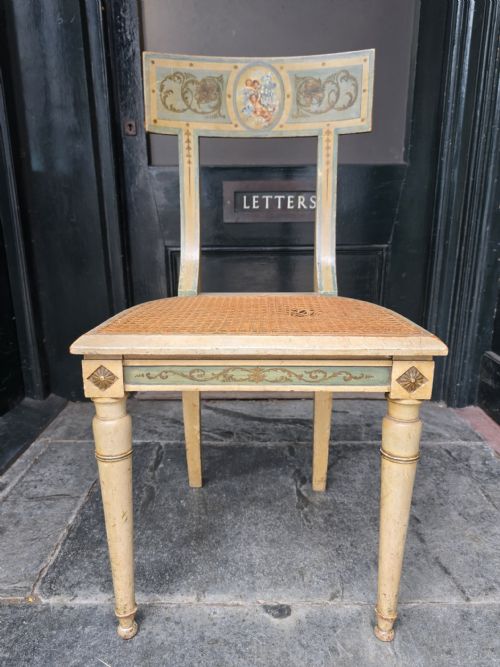
Workshops relied predominantly on dense hardwoods like mahogany and satinwood, often enhanced with delicate inlay work or painted finishes. Carved details define the structural framework, showcasing precise joinery and classical ornamentation.
Upholstery materials range from traditional wool work and silk damask to modern fabric and leather. Caning also appears on French-inspired frames, adding texture to the seat panels.
Neoclassical Dining Chairs Retail Price Guide 2026
Typical asking prices for neoclassical dining chairs among the pieces listed under this phrase on Sellingantiques today, from the lower quarter to the upper quarter. They describe what is for sale here now, not the wider market.
Listings feature mahogany, satinwood, and walnut frames alongside painted wood finishes and traditional textile upholstery.
Distinguishing Quality
Quality rests upon the crispness of the carving and the integrity of the timber frame. Pieces retaining their original painted or polished surfaces command greater appreciation.
Larger sets displaying matching grain patterns and unified proportions demonstrate higher workshop standards than assembled groups of similar chairs.
Cowtan & Sons
The Neoclassical Dining Chairs Glossary
- Klismos
- An ancient Greek chair form characterised by curved, outward-slowing legs and a sweeping concave backrest. Revival versions appear in nineteenth century seating.
- Medallion chair
- A French seating style featuring an oval upholstered backrest framed in carved wood. These pieces frequently exhibit Louis XVI influence.
- Carver
- A traditional term for an armchair designed to sit at the head of a dining table. They match the simpler side chairs in a larger dining set.
Neoclassical Dining Chairs: Frequently Asked Questions
How do I identify a true Georgian piece?
Examine the timber density and the hand-carved details on the splat and legs. Eighteenth century examples display traditional joinery methods without modern metal fasteners.
Compare the proportions and wood ageing against documented examples from the same period to confirm authenticity.
Are larger sets difficult to find?
Matched sets of eight or ten chairs occur less frequently than pairs or quartets. Many surviving dining suites were split up over generations.
When large sets do appear together, they usually represent coordinated production from revival periods rather than domestic output.
How should I care for antique painted wood?
Keep painted and gilded surfaces away from direct sunlight and moisture to prevent flaking. Dust gently with a dry, soft cloth.
Avoid chemical polishes on painted finishes, as solvents can soften the historic pigments beneath.
Can I mix different revival styles together?
Combining Sheraton and Hepplewhite forms works well because both share light proportions and classical geometry. Maintaining a consistent wood tone helps unify the group.
Avoid placing heavily gilded French frames directly alongside plain English mahogany without a transitional piece.