


Vintage Side Chairs
Vintage side chairs bring character to a room, offering functional seating shaped by centuries of craftsmanship and diverse stylistic traditions.
Vintage Side Chairs
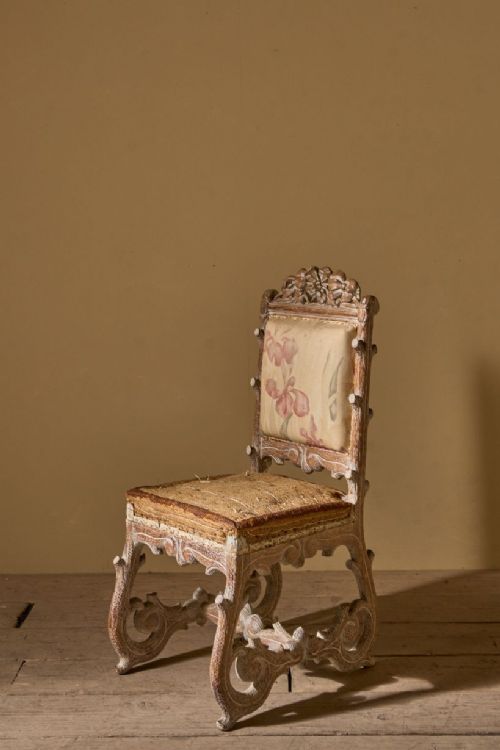
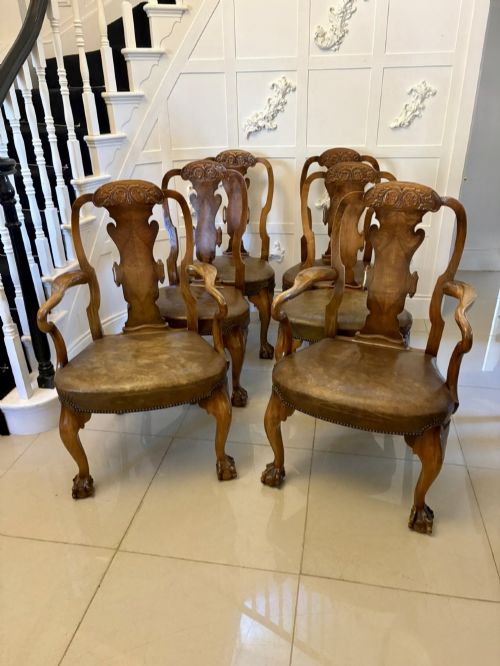
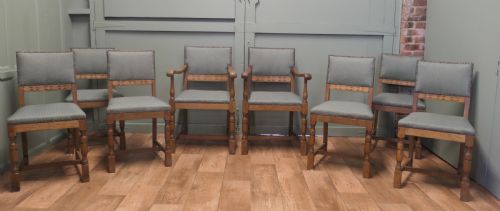
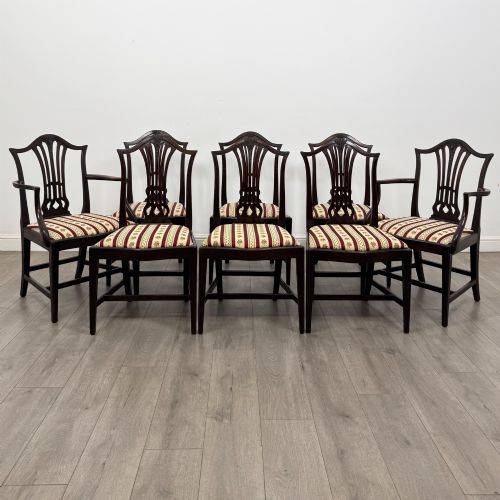
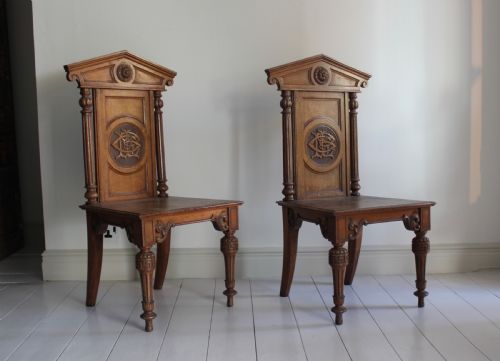
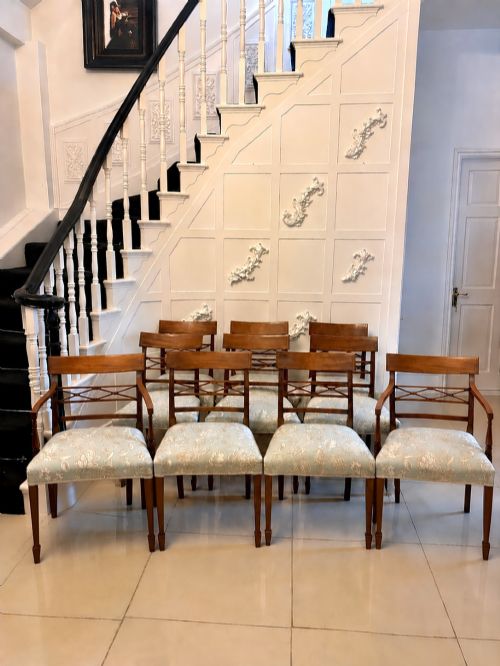
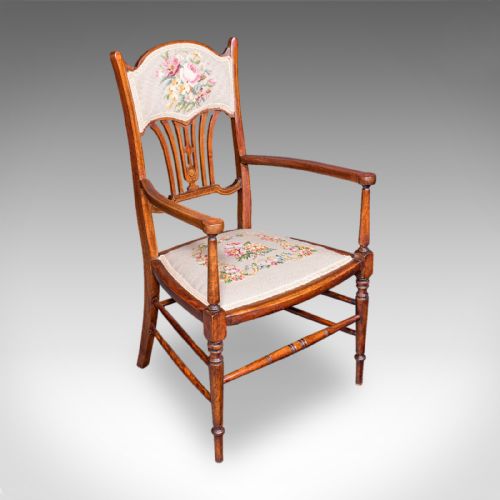
The assortment includes dining chairs, hall chairs, and salon chairs originating from English, French, Italian, and Scandinavian workshops. Many listings present matched or harlequin sets, while others appear as pairs suitable for smaller spaces.
How they were made
Joinery relies heavily on traditional timber construction using native and imported hardwoods like mahogany, oak, elm, and beech. Frames are shaped through turning, carving, and steam-bending, often incorporating brass inlay or painted finishes.
Upholstered variations utilise traditional stuffing materials covered in fabrics such as velvet and leather, while wooden seats showcase the natural grain of elm or polished mahogany.
Regional variations span English country furniture, French salon suites, and Scandinavian Art Deco designs.
What varies in quality
The standard of a chair rests upon the crispness of its carved details, the integrity of its structural joints, and the selection of timber figures. Superior examples exhibit precise joinery and balanced proportions that reflect the aesthetic ambition of their period.
Provenance and originality further distinguish pieces, with items retaining their original upholstery substructure or distinct regional turnings commanding greater interest among collectors.
William Morris·Maple and Co
The Vintage Side Chairs Glossary
- Balloon back
- A rounded, oval-shaped chair back popular during the Victorian era. This curved profile provides ergonomic support while offering an elegant silhouette.
- Shield back
- A dining chair back shaped in the outline of a heraldic shield, commonly associated with eighteenth-century neoclassical furniture design. These open backs often feature carved central splats.
- Bobbin turned
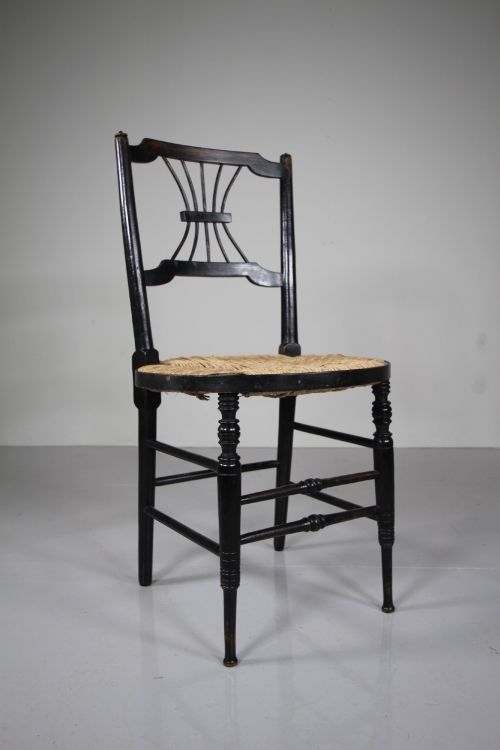
- Furniture legs or stretchers shaped on a lathe to resemble a series of wooden bobs or spools. This decorative turning technique appears frequently on seventeenth and eighteenth-century oak seating.
- Harlequin set
- A collection of dining chairs that share similar stylistic traits, periods, or materials rather than originating as an identical manufactured set. Such groupings were commonly assembled over time.
Vintage Side Chairs: Frequently Asked Questions
How do I identify a Victorian side chair?
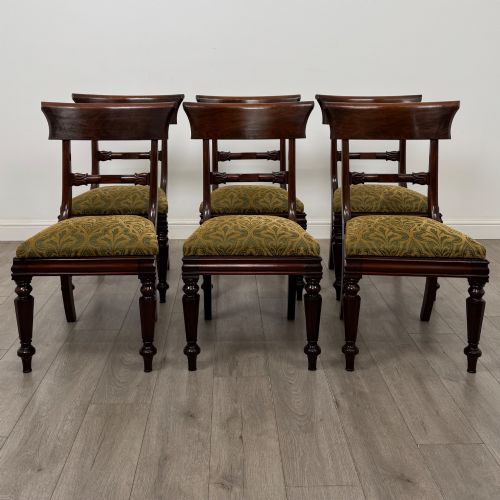
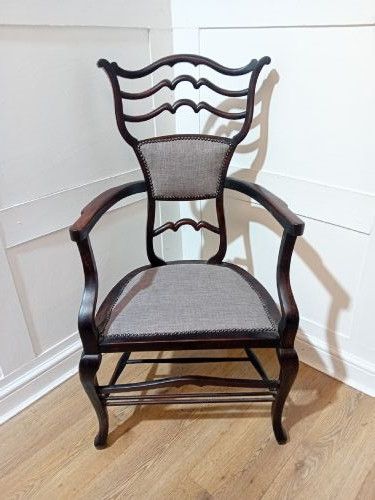
Victorian side chairs often display darker timbers like mahogany and walnut, alongside distinctive shapes such as the balloon back. Carved ornamentation and heavier proportions typically distinguish these pieces from earlier Georgian designs.
Examining the construction methods underneath and the style of the turnings helps confirm the nineteenth-century origin.
Can I mix different vintage chairs around a table?
Mixing different vintage side chairs is a traditional way to create a harlequin dining set. Matching chairs by timber, such as oak or mahogany, maintains visual cohesion.
Similar seat heights and complementary period styles ensure the group looks intentional rather than accidental.
What is an Edwardian dining chair?
Edwardian dining chairs date from the early twentieth century and frequently draw inspiration from earlier Georgian and Queen Anne styles. They are characterised by lighter frames in oak and mahogany.
These pieces combine period revival aesthetics with comfortable proportions suited to Edwardian domestic interiors.
How are antique kitchen chairs different?
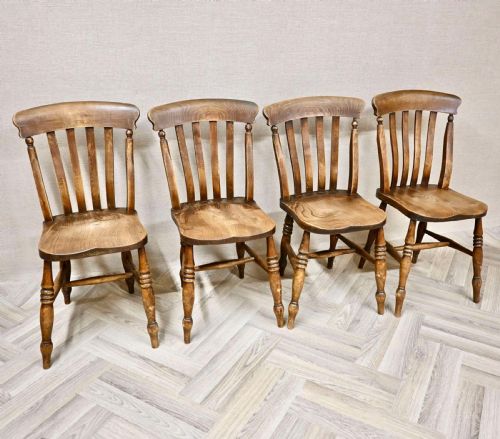
Antique kitchen chairs, such as Windsor models, focus on practical utility and sturdy construction using elm, beech, and ash. They often feature saddled wooden seats and traditional spindle backs.
Unlike formal dining chairs, these rustic seats were built for everyday domestic labour and casual seating.