


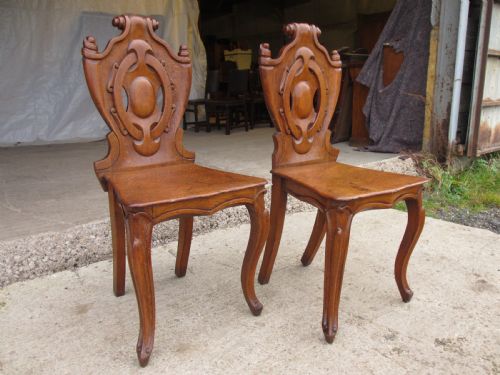

Golden Wood Chairs
Golden wood chairs bring warmth and natural grain into a room, offering practical seating shaped by centuries of cabinet-making.
Golden Wood Chairs
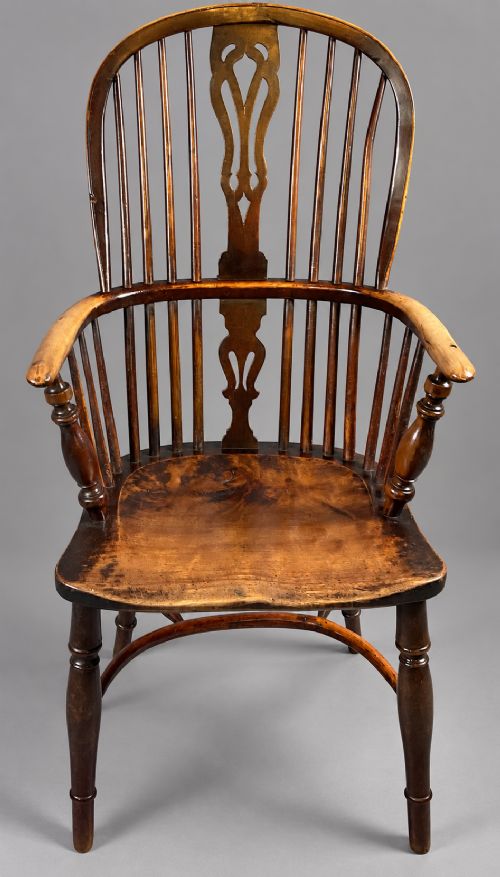
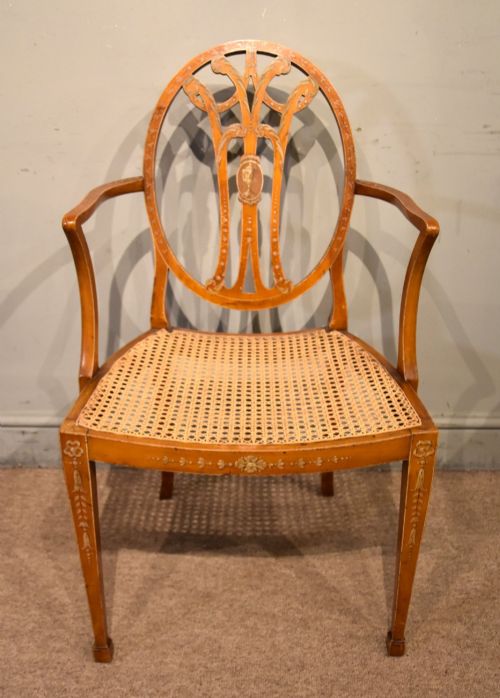
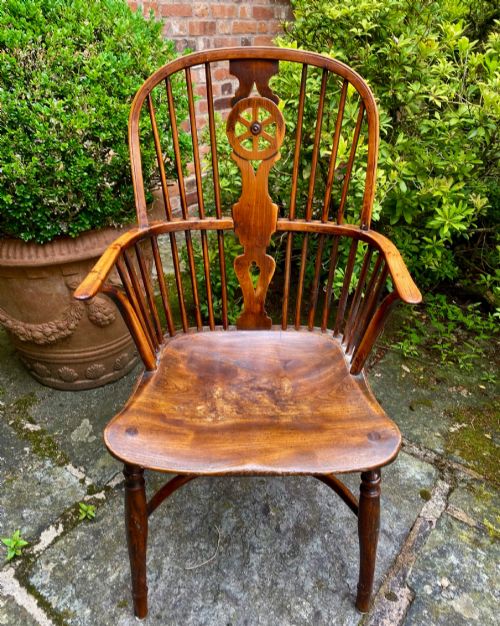
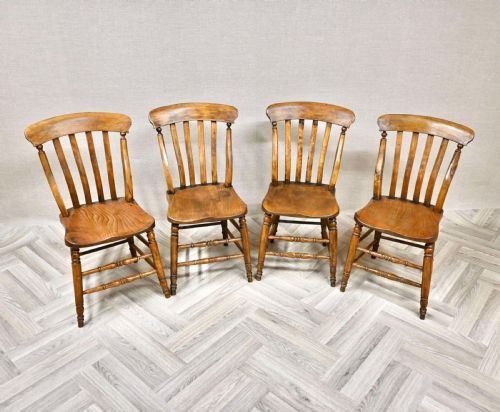
When you search for golden wood chairs, you encounter a varied collection spanning the nineteenth and early twentieth centuries. These pieces encompass seating forms ranging from country kitchen Windsors to formal dining chairs and armchairs.
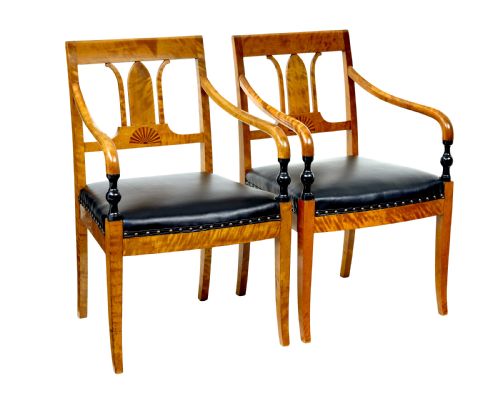
The selection includes regional English country pieces alongside Scandinavian Biedermeier and Art Deco designs. Materials span satinwood, oak, yew, birch, and elm, creating a distinct palette of honey and golden tones.
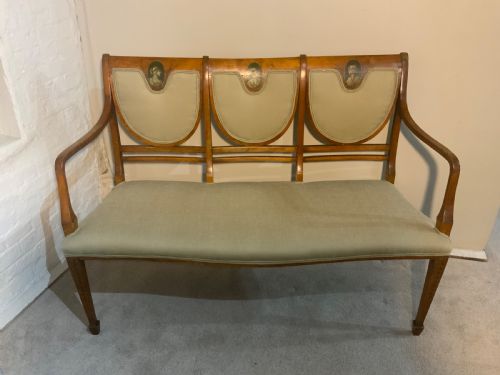
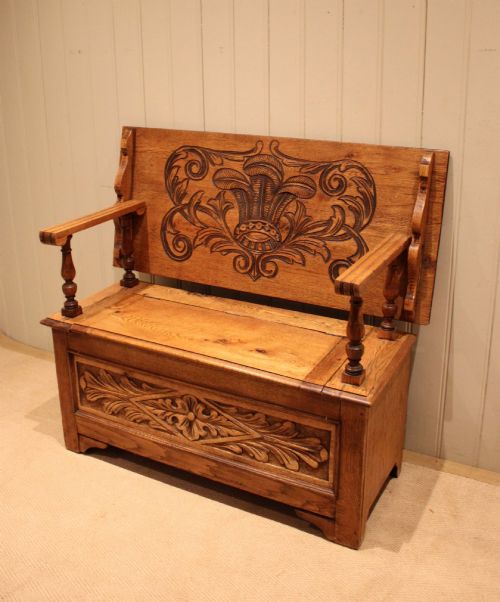
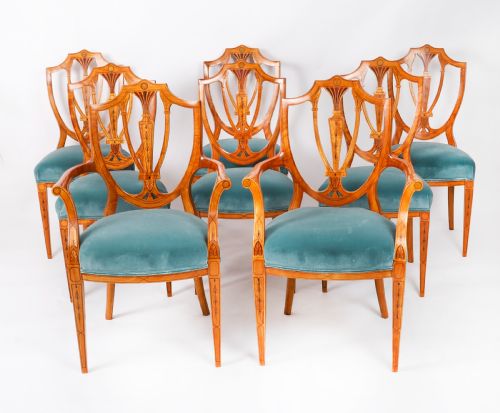
You are most likely to meet nineteenth-century examples, whether sturdy elm and yew windsor chairs or polished satinwood dining sets. Hall benches, settees, and occasional armchairs also appear within this grouping.
How they were made
Cabinet-makers utilised timbers with pronounced natural figuring, selecting satinwood, flame birch, and burr yew for their luminous grain patterns. These woods were turned, carved, and joined using traditional techniques suited to each specific chair form.
Country makers shaped sturdy elm and oak into functional Windsor chairs and monks benches, often incorporating lathbacks and solid seats. More formal urban seating employed painted decoration, ebonised detailing, and intricate shieldbacks.
What varies in quality
The distinction between ordinary and exceptional pieces lies in the choice of timber and the precision of the carving. Highly figured satinwood or burr yew veneers elevate a chair above standard utility seating.
Design sophistication also sets examples apart, moving from simple country construction to refined Regency proportions or Swedish Biedermeier styling. Original surfaces and retained painted details preserve the character of the piece.
The Golden Wood Chairs Glossary
- Windsor chair
- A wooden chair built with a heavy solid wooden seat into which the legs and back spindles are round-tenoned directly. These vernacular seats often feature country elm or yew construction.
- Satinwood
- A durable exotic hardwood yielding a natural golden-yellow sheen that takes a high polish. It was favoured by cabinet-makers for refined eighteenth and nineteenth-century furniture.
- Biedermeier
- A Central European style dating from the nineteenth century focusing on clean lines and utilitarian comfort. It often highlights the natural grain of birch wood without excessive ornamentation.
- Shieldback
- A chair back shaped in the outline of a heraldic shield, popular in formal dining seating. This design frequently incorporates carved splats and is associated with late eighteenth and nineteenth-century revivals.
- Lathback
- A chair back constructed with horizontal wooden slats or laths set between upright posts. This traditional vernacular form appears commonly on country kitchen seating.
Golden Wood Chairs: Frequently Asked Questions
How do I clean wooden chairs?
Dust regularly with a soft, dry cloth to prevent the accumulation of grit on the polished surface. Avoid silicone-based sprays that build up and attract further dirt over time.
Feed dry timber occasionally with an appropriate furniture wax to nourish the grain. Keep chairs away from direct heat sources and strong sunlight to prevent the timber from splitting or fading.
Are these chairs sturdy enough?
Most antique wooden seating is robustly constructed using traditional joinery like mortise and tenon joints. Country windsor chairs and oak benches are particularly built for everyday durability.
Lighter satinwood or painted pieces require slightly more considerate handling during daily use. Check the joints periodically to ensure the wooden components remain tight and secure.
How do I date a chair?
Examine the tool marks, construction methods, and timber species to help determine the period of manufacture. Hand-cut joinery and specific regional turning styles often point to nineteenth-century origins.
Stylistic revivals like Jacobean or Hepplewhite provide clues, though makers replicated historical designs well into the Victorian era. Comparing the piece with documented examples from similar workshops narrows down the timeframe.
Can I mix different wood tones?
Combining golden timbers such as birch, oak, and satinwood creates a collected interior rather than a matching suite. The natural variation in grain and warmth allows different pieces to sit comfortably together.
Pay attention to the scale and formality of the chairs to maintain visual balance around a table or within a room. Shared golden hues unify disparate styles from country kitchen to refined parlour.