



Traditional Dining Seats
Traditional dining seats are sturdy wooden chairs designed for the dining table, offering classic forms that anchor a room.
What traditional dining seats are
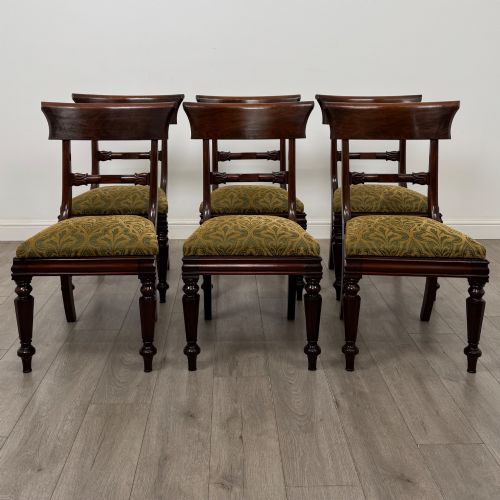
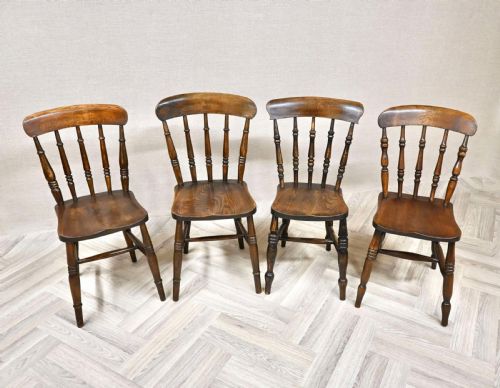
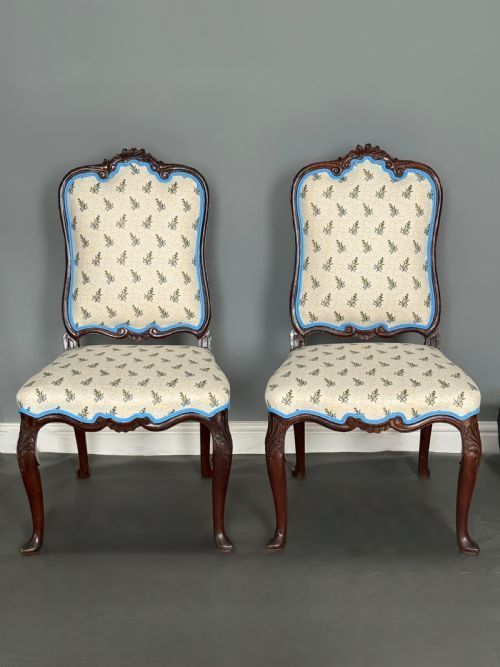
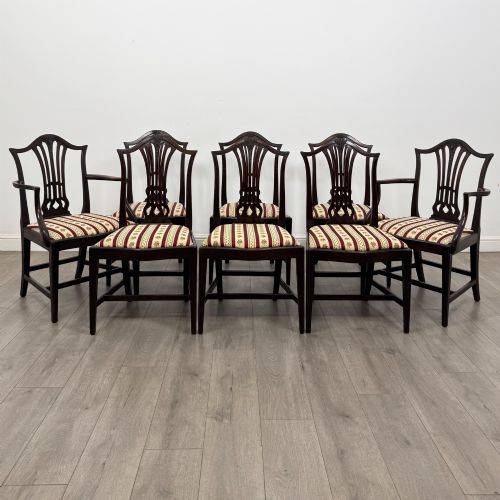
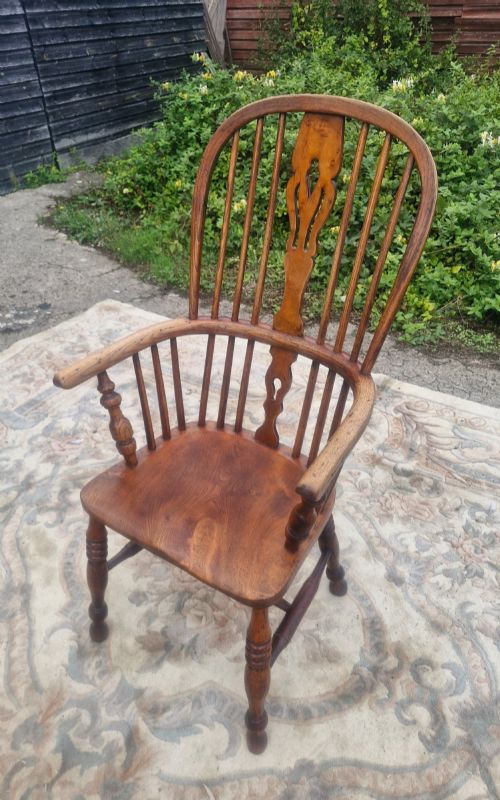
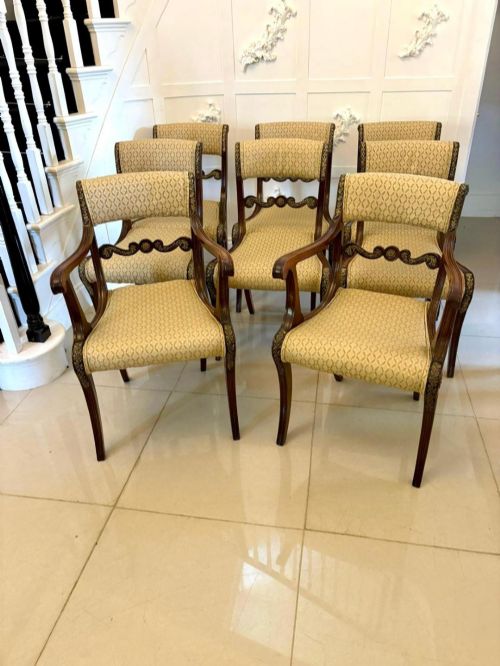
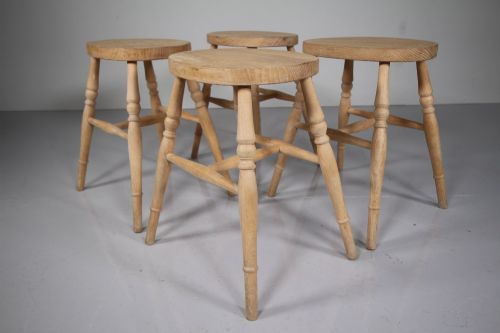
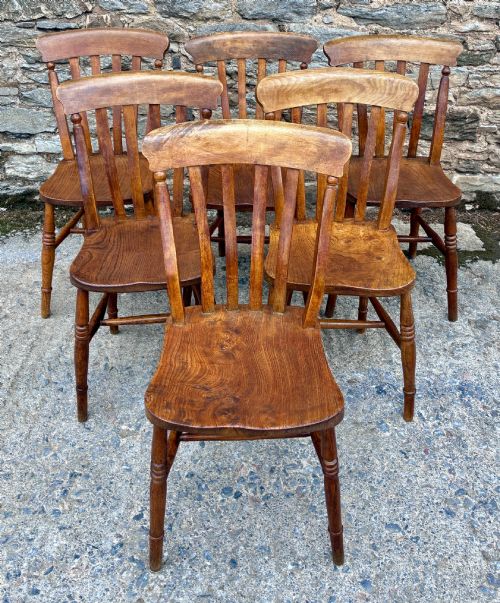
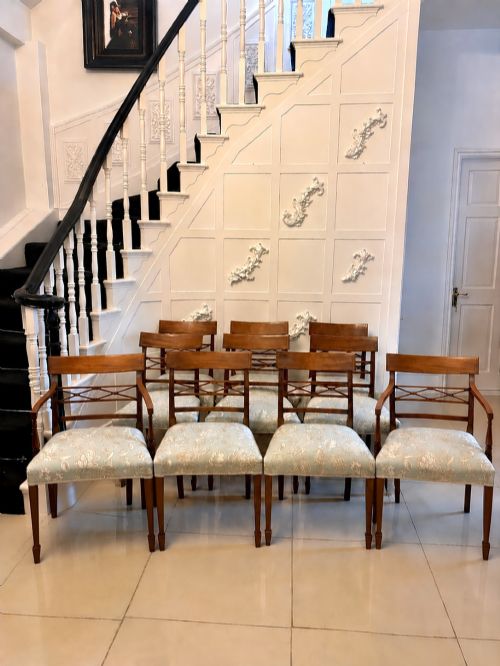
Traditional dining seats encompass formal timber chairs produced across several centuries, including Georgian, Regency, Victorian, and Edwardian periods. These pieces include sets of various sizes, from small groups to large suites of eighteen, alongside single carvers with armrests.
The designs draw heavily on historic aesthetics, featuring shield backs and Chippendale styles alongside Hepplewhite revivals. Mahogany serves as the primary timber across these examples, shaping the character of traditional dining seats on this page.
How they were made
Cabinetmakers constructed these frames predominantly from solid mahogany, utilising traditional joinery methods to ensure stability during daily use. The timber was frequently carved to articulate intricate back splats and frame contours.
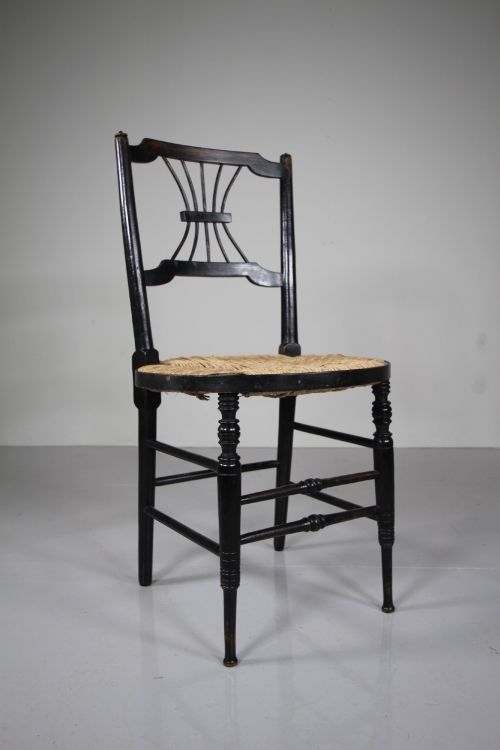
Seating portions incorporated woven cane or textile elements, including fabric and tapestry upholstery, sometimes preserved in original condition. Brass details occasionally appeared on specific Regency formats.
Retail Price Guide 2026
Typical UK retail prices for traditional dining seats, calculated from the Sellingantiques database of over a million retail prices indexed since 2003. This retail price guide relies exclusively on Sellingantiques data; no external sources or auction records are used, so the figures do not describe the wider market.
One listed Edwardian set comes complete with a named maker label from Wheelers of Arncroach.
What varies in quality
The standard of carving and the fidelity of revival styles dictate the distinction between ordinary and superior examples. Crisp execution in mahogany back splats and balanced proportions across a full set elevate the visual weight.
The integrity of the structural frame and the preservation of original textiles or cane work influence the overall merit of each suite. Larger sets maintaining uniform wood grain and consistent colour demonstrate superior workshop output.
The Traditional Dining Seats Glossary
- Shield Back
- A chair back shaped like a heraldic shield, popular in late eighteenth-century designs.
- Carver
- An armchair designed to sit at the head of a dining table, featuring supportive armrests.
- Cane
- Woven plant material used to create resilient, lightweight seat panels.
- Tapestry
- Heavy woven textile utilised for decorative upholstery on seat pads.
- Splat
- The vertical wooden strip down the centre of a chair back.
Frequently Asked Questions
How do I date traditional dining seats?
Dating relies on timber selection, structural joinery methods, and stylistic cues characteristic of periods like Georgian or Edwardian.
Changes in back splat profiles and upholstery techniques further help pinpoint the era of manufacture.
Are larger sets harder to find?
Suites numbering eight, ten, or eighteen pieces occur less frequently than standard sets of four or six.
Finding matched larger groups requires careful evaluation of timber consistency across every chair.
What is a carver chair?
A carver is an armchair traditionally placed at the head of the dining table.
It matches the design of the single dining chairs in the set while offering armrests.
How do I maintain cane seats?
Cane seating requires gentle cleaning with a damp cloth and occasional moisture to prevent drying.
Avoiding excessive weight keeps the woven structure intact over decades of daily use.